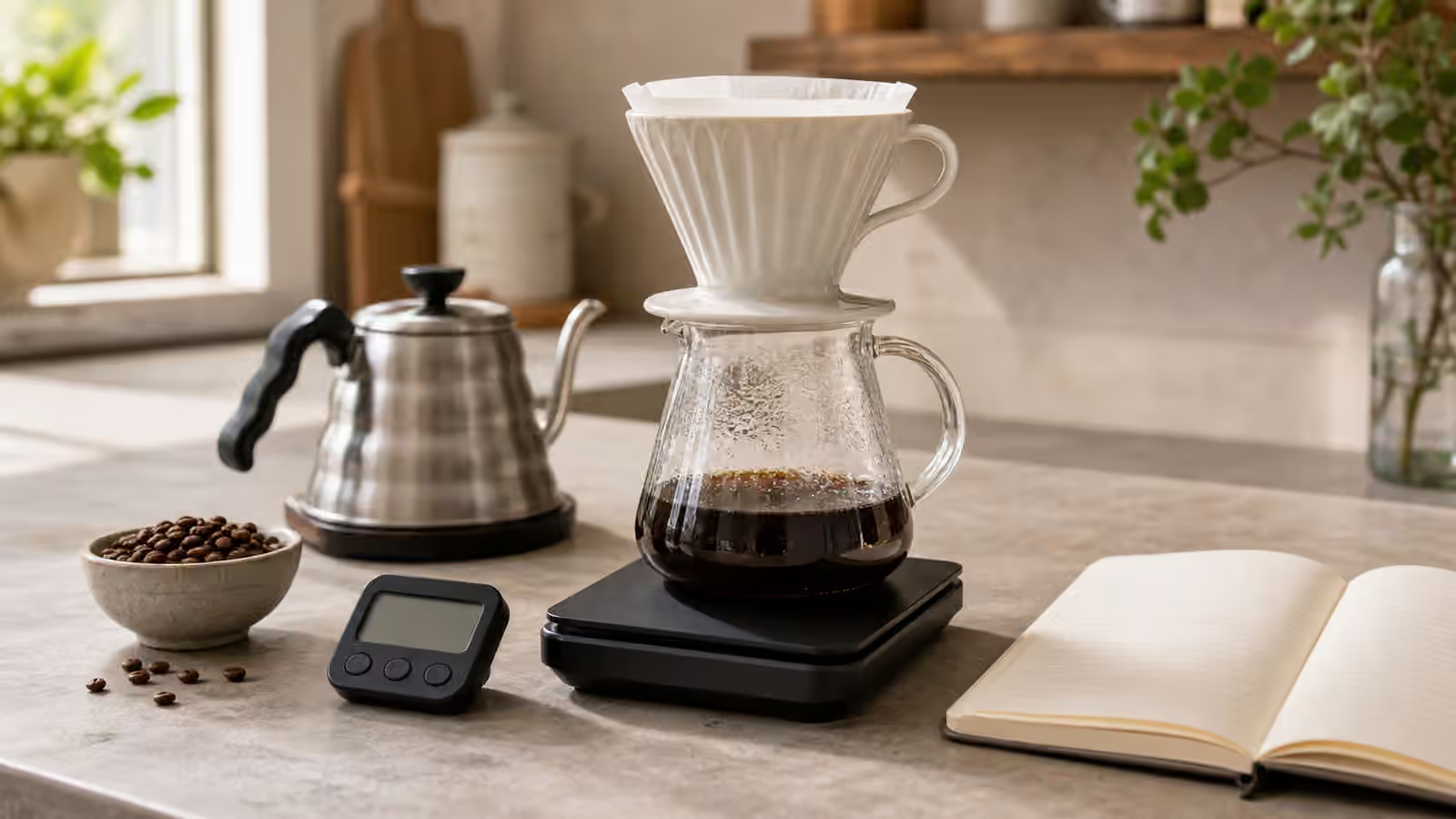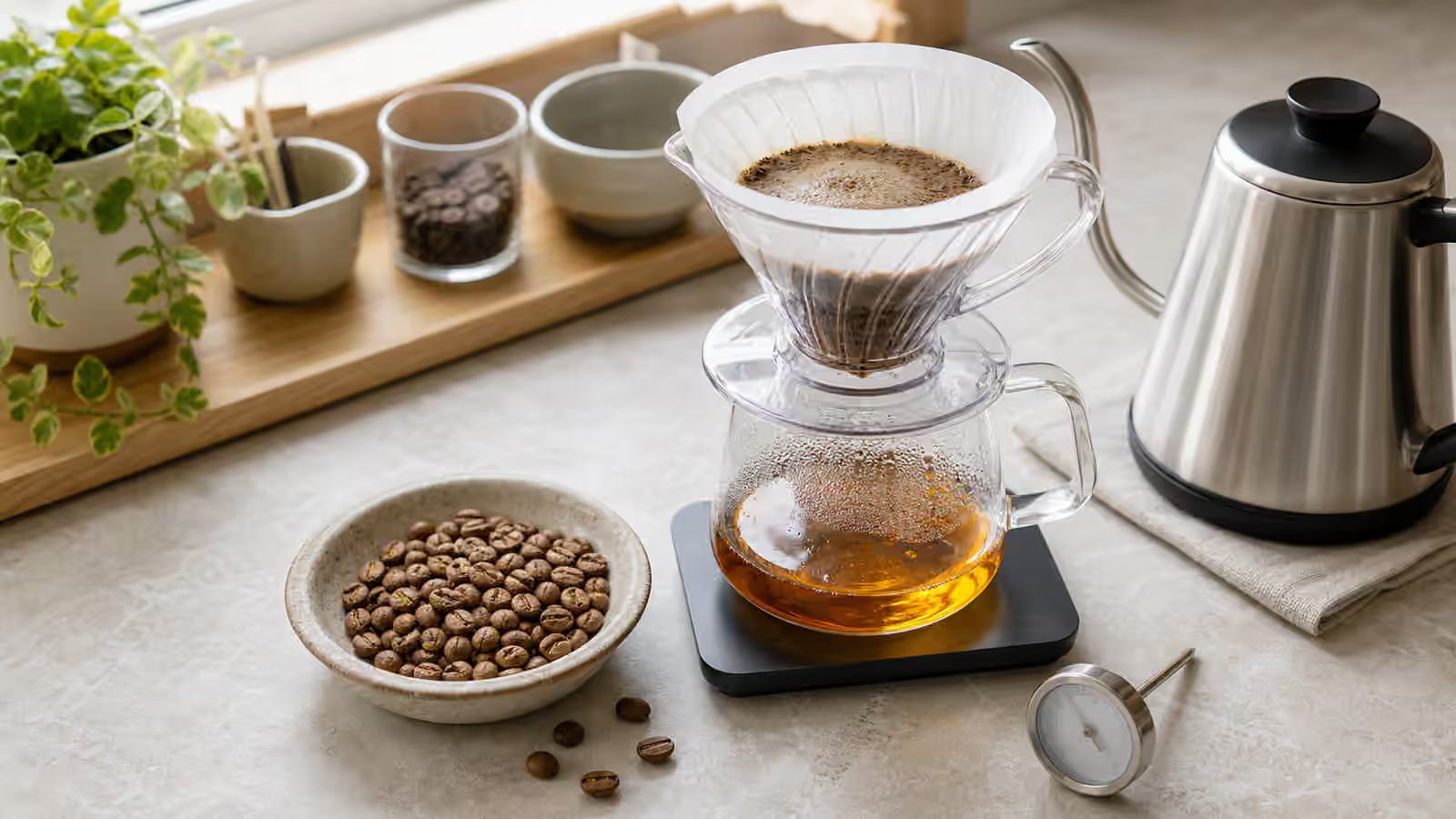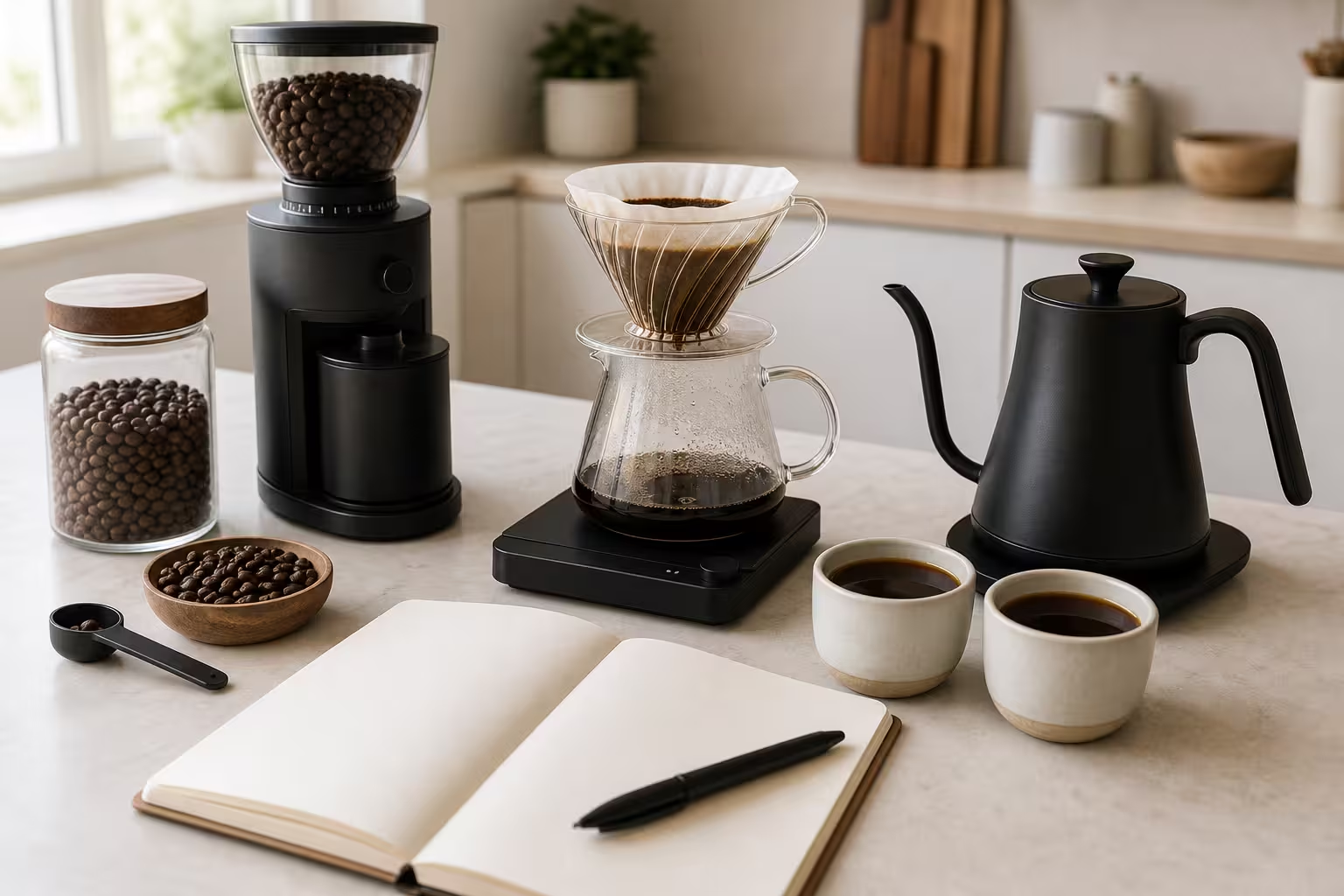
Coffee advice gets complicated because the cup is controlled by many small things at once. Grind size changes flow. Ratio changes strength. Water changes extraction. Time changes bitterness and clarity. Freshness changes aroma. Technique changes consistency. A dial-in log is not a way to become fussy. It is a way to stop changing five things every morning and then blaming the beans.
The best coffee log is almost embarrassingly simple. It should help you remember what you did, how the cup tasted, and what you will change next. If it becomes a spreadsheet museum, you will stop using it. If it is too vague, it will not teach you anything. The middle path is a small page, a few numbers, and one honest tasting sentence.
Start with one brew method
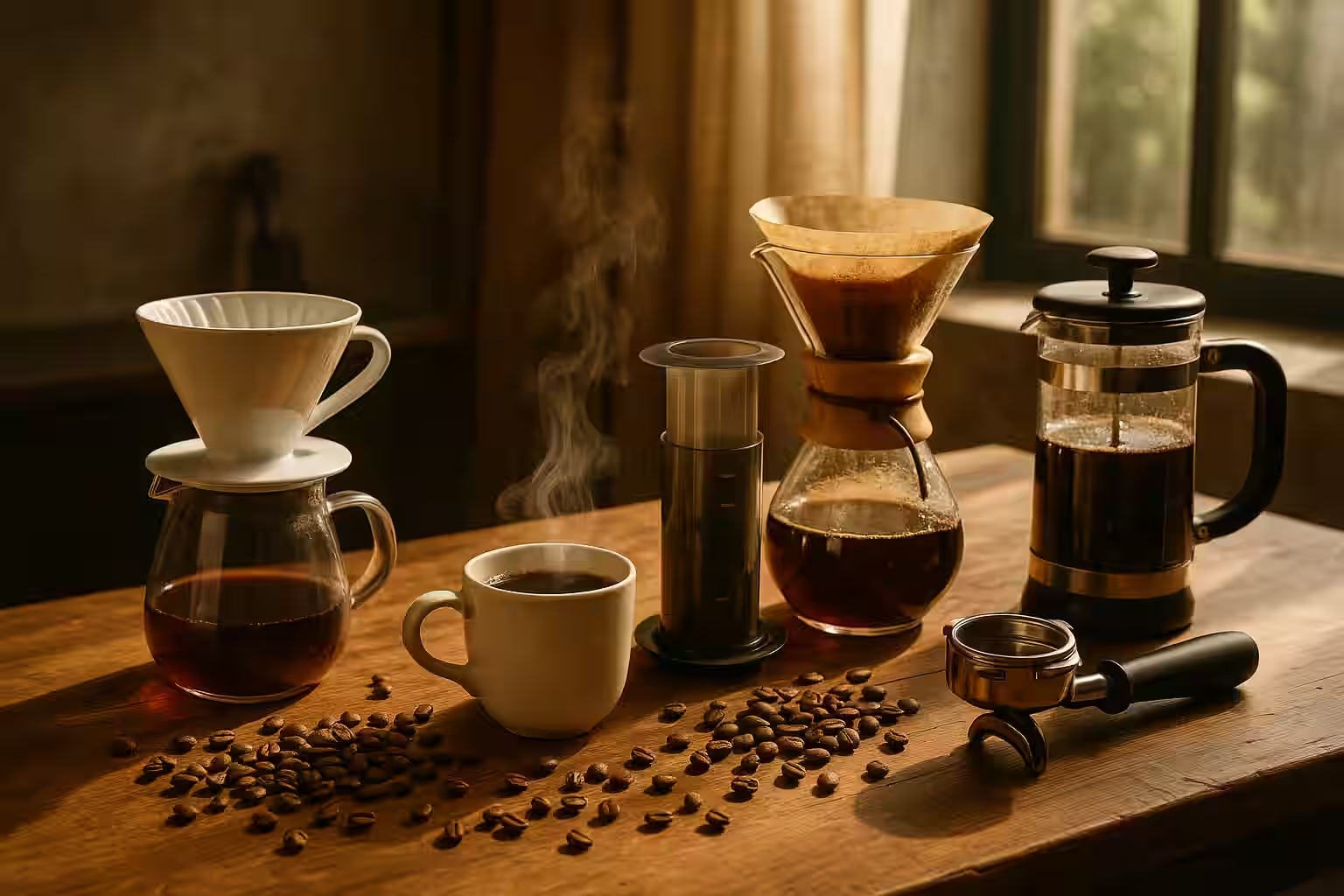
Choose one brewer for the first week. Pour-over, French press, AeroPress, moka pot, espresso, or automatic drip can all improve through logging, but not if you bounce between them before you learn what your changes mean. The brewer is the stage. Keep the stage steady while the variables introduce themselves.
For most home brewing, the first useful entries are coffee dose, water amount, grind setting, water temperature if you track it, brew time, and taste. The dose and water amount tell you the ratio. The grind setting tells you the main lever. Brew time tells you whether water moved too quickly or too slowly. Taste tells you what the numbers meant in the cup.
Do not worry if your grinder numbers are not universal. A setting of 18 on one grinder means nothing on another. It only needs to mean something in your kitchen. If you change grinders, burrs, beans, or brew method, the log starts a new chapter. That is normal.
Taste before you fix
The most useful habit is tasting before deciding. Many people make a cup, dislike it, and immediately reach for a random correction. They grind finer because they heard finer means more flavor. They add more coffee because the cup seems weak. They lower temperature because bitterness appeared. Sometimes those moves are right. Often they are guesses.
Give the cup a plain diagnosis first. Sour, sharp, hollow, grassy, or salty impressions often suggest under-extraction, though roast and bean quality can complicate the story. Bitter, drying, harsh, or ashy impressions often suggest over-extraction or too much agitation, though dark roast can bring bitterness even when brewed carefully. Thin coffee may need more coffee, less water, finer grind, or better extraction. Heavy coffee may need a lower dose, more water, coarser grind, or a cleaner filter path.
The point is not to turn taste into a rigid chart. The point is to ask what kind of wrong the cup is. A weak sour cup and a strong bitter cup need different next moves. A fragrant cup with a dry finish may need a tiny adjustment, not a full reset. A flat cup from old beans may not be fixable through technique at all.
Change one thing that matters
A dial-in log works because it slows the hand. If a cup tastes sour and thin, choose one change for the next brew. Grind a little finer, or increase the dose, or extend contact time, but do not do all three at once. If the next cup improves, you know why. If it gets worse, you know what to undo.
Grind is usually the first lever because it changes extraction without changing how much coffee is in the cup. Finer grind usually increases extraction and slows flow. Coarser grind usually decreases extraction and speeds flow. Ratio is the second lever because it changes strength and balance. More water can open a strong cup, but it can also pull more from the coffee if the brew keeps extracting. Less water can concentrate flavor, but it can also make flaws louder.
Temperature matters, but many home brewers overuse it as a first fix. If you use a reasonable brewing temperature and fresh water, grind and ratio often teach more. Technique matters too, especially with pour-over, but technique should be repeatable before it becomes experimental. Pouring differently every time makes the log harder to read.
Write tasting notes you will actually reuse
Professional tasting language can be beautiful, but a home log does not need poetry. The best notes are practical. “Pleasant aroma, sour finish, weak body” is a useful note. “Better than yesterday, still a little dry” is a useful note. “Tastes like the smell of the bag, keep this recipe” is a useful note. “Citrus, jasmine, toasted almond, structured acidity” may be true, but it is only useful if those words help you brew tomorrow.
A good note has three parts: what worked, what did not, and what to try next. That can fit in one sentence. You are not writing for a judge. You are writing for future you, who will be half awake and trying to remember whether this coffee wanted a finer grind.
It also helps to mark the keeper recipes. When a cup works, circle it, star it, or copy it to a small “repeat” page. Many people log failures carefully and forget to preserve success. The goal of dialing in is not endless correction. It is finding a recipe you can enjoy while the bag is still fresh.
Respect the bean’s window
Coffee changes over time after roasting and after opening. A recipe that tasted bright and balanced on day five may taste softer or flatter two weeks later. A log helps you notice that shift without inventing a new theory every morning. Sometimes the right move is a slightly finer grind as the coffee ages. Sometimes the answer is to finish the bag as immersion brew or cold brew. Sometimes the answer is simply to buy less coffee at once.
Storage matters here. If coffee sits open near heat, light, and kitchen odors, the log will show decline faster. Use a sensible container, keep it away from the stove, and avoid treating the freezer like a daily storage drawer unless you have a careful plan. Good logging cannot rescue careless storage, but it can reveal when storage is part of the problem.
Compare two cups when you are stuck
If you cannot tell what to change, brew two small cups side by side with one variable different. Keep everything the same except grind, or everything the same except ratio. Taste them next to each other. The contrast will teach more than memory. This is especially useful when a coffee seems both sour and bitter, which can happen with uneven extraction. One cup may show that finer grind brings sweetness. Another may show that finer grind adds harshness. Either way, you learn faster.
Side-by-side tasting also lowers the emotional temperature. Instead of asking whether you made good coffee, you ask which cup moved in the right direction. That is easier to answer and easier to repeat.
Let the log disappear when the routine works
You do not have to log forever. Use the log while learning a new coffee, grinder, brewer, or water setup. Use it when the cup starts drifting and you do not know why. Use it when buying more expensive beans and wanting to treat them carefully. Then, when the routine is stable, let it become muscle memory.
The quiet promise of a dial-in log is not perfection. It is relief. You stop starting over each morning. You stop arguing with vague impressions. You learn the taste of one adjustment at a time. After a few bags, your notes become less necessary because your palate and hands remember. That is the real upgrade: not a notebook full of numbers, but a better sense of what the next cup is asking for.