Coffee drinkers use the word strong to mean several different things. One person means a dark, roasty flavor. Another means a concentrated cup that feels heavy on the tongue. Another means enough caffeine to carry a long morning. Those meanings often overlap in conversation, but they are not the same thing. A coffee can taste powerful and contain less caffeine than expected. A mild-tasting mug can carry more caffeine than a tiny espresso. Once those ideas separate, choosing and brewing coffee becomes much clearer.
This guide is about practical coffee language, not health advice. People respond to caffeine differently, and individual tolerance, timing, food, sleep, and sensitivity all matter. The useful coffee habit is to understand the levers you can see: coffee dose, water amount, brew method, serving size, roast level, and decaf choice. The Coffee Brewing Ratios guide explains strength in the cup. Here, the question is why that strength does not always predict caffeine.
Caffeine Starts With Dose
The amount of ground coffee used in a brew is one of the simplest caffeine clues. More coffee grounds usually mean more caffeine available to extract. A large batch brewed with sixty grams of coffee has much more total caffeine available than a small cup brewed with fifteen grams, even if the small cup tastes intense. Water can dilute or concentrate the drink, but it does not create caffeine from nothing.
This is why serving size matters so much. Espresso tastes concentrated because a small amount of liquid carries a lot of extracted coffee solids. A single shot, however, is small. A large mug of filter coffee may taste gentler because it is diluted across more water, yet it may have been brewed from more total coffee. Flavor intensity and total caffeine travel together only when the dose and serving size are similar.
The scale helps here. If you regularly brew eighteen grams of coffee for one mug, then switch to a thirty-gram batch and drink the whole thing, the total caffeine potential has changed more than the roast color or cup shape might suggest. The Coffee Scales and Timers guide is useful because measured dose gives you a better sense of what you are actually drinking.
Strength Is About Concentration
Brew strength describes how concentrated the finished drink feels. A short espresso is strong because a lot of dissolved coffee material sits in a small amount of liquid. A French press can feel strong because oils and fine particles add body. A pour-over can feel lighter because paper filtration removes much of that texture. None of those impressions gives a simple caffeine number.
Changing the ratio changes concentration. If you brew the same dose with less water, the cup tastes stronger. If you brew it with more water, the cup tastes more open. The total caffeine may not move as dramatically as the flavor because the same coffee dose was used. Extraction can vary, but the main sensory change is concentration. That is why a short, punchy cup does not automatically mean a larger caffeine load.
This distinction matters when troubleshooting. If coffee tastes weak, many people add more beans. Sometimes that is right. Sometimes the brew is actually under-extracted, stale, or too coarsely ground. Adding more coffee may increase caffeine and cost without fixing the hollow flavor. The Coffee Troubleshooting guide helps separate weak concentration from weak extraction, which is a more useful diagnosis than simply asking for stronger coffee.
Roast Level Changes Flavor More Than the Basic Idea
Dark roasts often taste stronger because roast flavors are louder. Bitterness, smoke, dark chocolate, toast, and a heavier aroma can make the cup feel forceful. Lighter roasts often taste brighter, fruitier, or more tea-like, so people sometimes assume they are weaker. In the sensory sense, that may be true for a particular palate. In the caffeine sense, roast color alone is not a reliable shortcut.
Roasting changes bean density and flavor. Darker beans lose more mass and become more porous. If you measure by scoop, dark roast beans can create confusing comparisons because they take up more space for the same weight. If you measure by weight, the comparison becomes steadier. The broader Coffee Roasting Guide explains how roast development changes acidity, sweetness, body, and roast character. For caffeine decisions, the practical lesson is simpler: do not use darkness as your only guide.
Roast preference is still important. If you want a bold-tasting morning mug, a medium-dark blend may satisfy you with a normal dose. If you want lively acidity and aroma, a lighter roast may feel more energizing even when the caffeine is not dramatically different. Taste and caffeine are both real, but they answer different questions.
Method Shapes Perception
Different brewing methods frame the same coffee in different ways. French press leaves more oils and fine particles in the cup, which can make the drink feel fuller and more forceful. Paper-filtered pour-over removes much of that texture, often making flavor seem cleaner and lighter. Moka pot produces a concentrated stovetop brew with a dense character. Espresso uses pressure and a fine grind to make a small, intense drink.
Those method differences affect how strong the coffee feels. They also affect how quickly many people drink it. A small espresso disappears in a few sips. A large drip coffee may sit beside a keyboard for half an hour. The experience of caffeine can feel different because the serving size, pace, and context differ, even before biology enters the picture.
Cold brew adds another layer. It is often brewed as a concentrate, then diluted with water or milk. Depending on recipe and serving size, the finished drink can be gentle or quite strong. The Flash Brew Iced Coffee guide covers a different chilled method that brews hot over ice, but the same principle applies to cold coffee generally: ask how much coffee went into the drink and how large the serving is, not only whether it tastes smooth.
Espresso Is Intense, Not Automatically Huge
Espresso is where the language of strength causes the most confusion. A good espresso is concentrated, aromatic, and texturally dense. It tastes strong because it is meant to. But a single espresso is not the same thing as a large mug of brewed coffee. A double shot uses more coffee than a single, and milk drinks may contain one or more shots depending on the cafe or home recipe. The cup name alone does not tell the whole story.
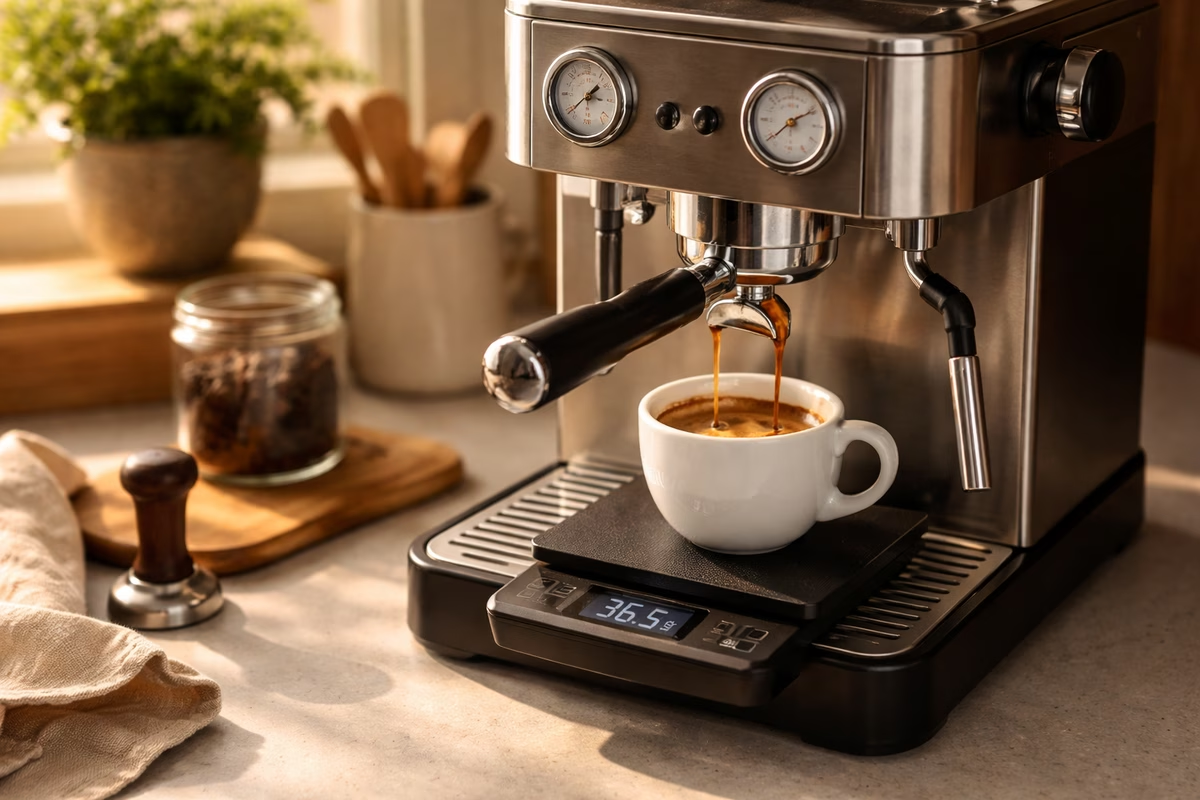
When dialing in espresso, dose and yield are the useful anchors. Dose tells you how much ground coffee went into the basket. Yield tells you how much liquid came out. Taste tells you whether extraction landed well. The How to Dial In Espresso guide focuses on those levers because they matter more than vague strength language. If you want less intensity in the cup, you may choose a longer yield, add water, or drink a milk drink. If you want less caffeine, the dose and number of shots matter more than the size of the cup around them.
Milk changes perception too. A latte can taste softer than a straight espresso while containing the same shot. A cortado can taste more coffee-forward because there is less milk. A large milk drink may feel gentle but still contain multiple shots if prepared that way. The Coffee for Milk Drinks guide is useful when taste balance and caffeine assumptions start pulling in different directions.
Decaf Is a Coffee Choice, Not an Apology
Decaf belongs in this conversation because it separates flavor from stimulation. A good decaf can taste like coffee because it is coffee, processed to remove much of its caffeine before roasting. It still needs freshness, a suitable grind, clean gear, and a sensible recipe. If it tastes flat or papery, the problem may be age, roast, brew method, or poor storage rather than decaf as a category.
Some people use decaf for late-day cups. Some blend regular and decaf beans to create a lower-caffeine routine while keeping a familiar brewing method. Some keep a decaf option for guests. The important thing is to brew it with the same care as any other coffee. The Decaf Coffee guide explains processing and brewing in more detail, but the practical point is that decaf lets you keep the ritual and flavor frame without assuming every cup must have the same effect.
Half-caf routines can be especially useful for people who enjoy the taste of a full mug but want to moderate intake. If you mix beans yourself, keep the blend consistent by weight and expect the flavor to change. A bright regular coffee and a darker decaf may not merge neatly. A balanced house blend and a compatible decaf often behave more predictably.
Choose Words That Help You Brew
Instead of asking whether coffee is strong, ask what kind of strong you mean. If you want more concentration, adjust ratio. If you want more extraction, look at grind, time, temperature, and agitation. If you want more body, consider method and filter. If you want more roast presence, choose a different roast or blend. If you want more or less caffeine, look first at dose, serving size, number of shots, and decaf options.
Better words lead to better cups. A “bold” coffee might mean darker roast. A “heavy” coffee might mean more body. A “punchy” espresso might mean high concentration. A “higher-caffeine” routine might simply mean a larger dose or an extra serving. Once those meanings stop collapsing into one word, you can make the cup you actually wanted.
Coffee is generous enough to offer both flavor and stimulation, but they do not have to be confused. You can brew a gentle-tasting mug with a substantial dose, a fierce little espresso with a modest serving size, a rich decaf after dinner, or a balanced milk drink that tastes softer than its recipe suggests. The more clearly you name the goal, the less you have to rely on myths about roast color, cup size, or cafe language.