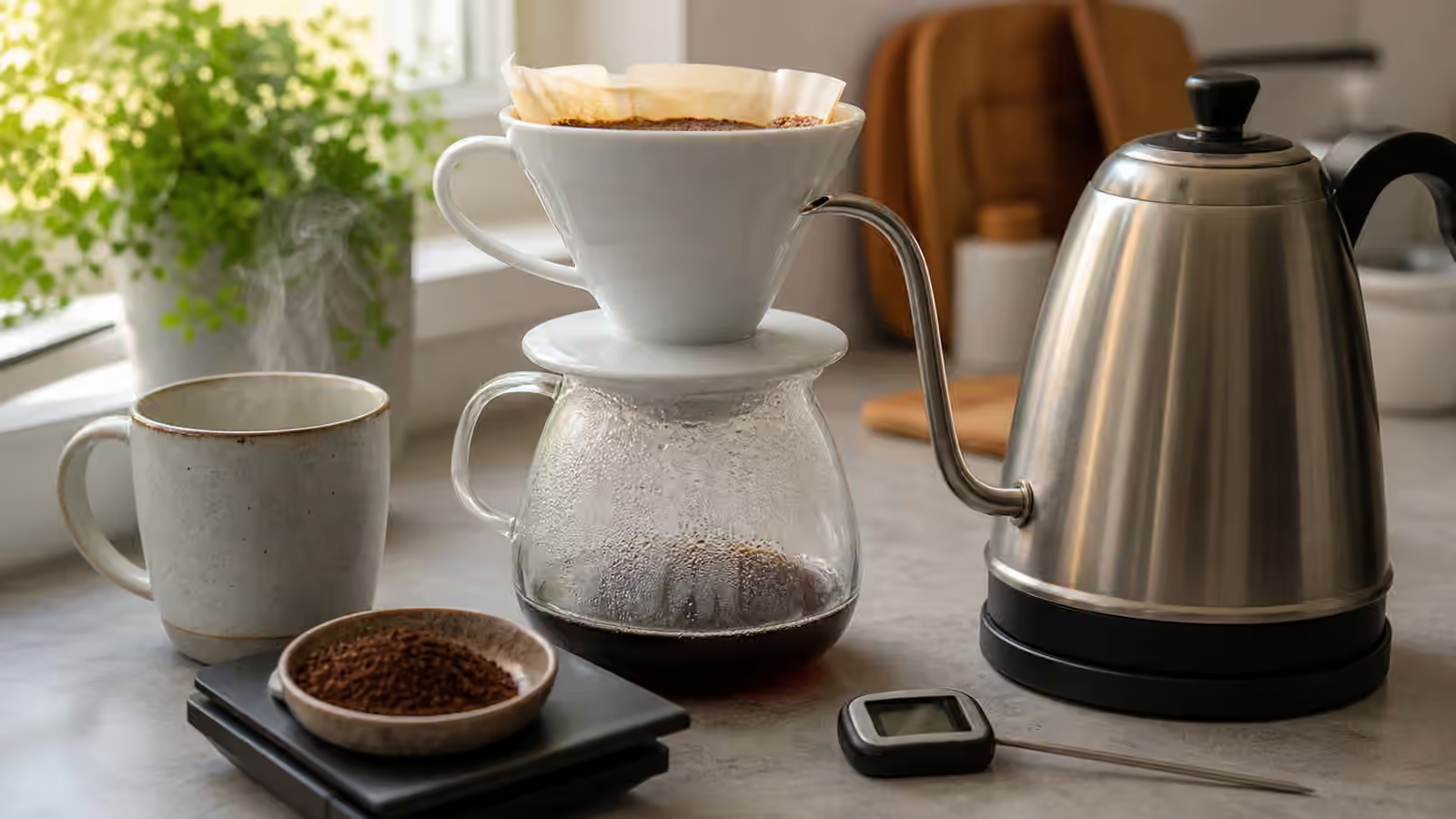
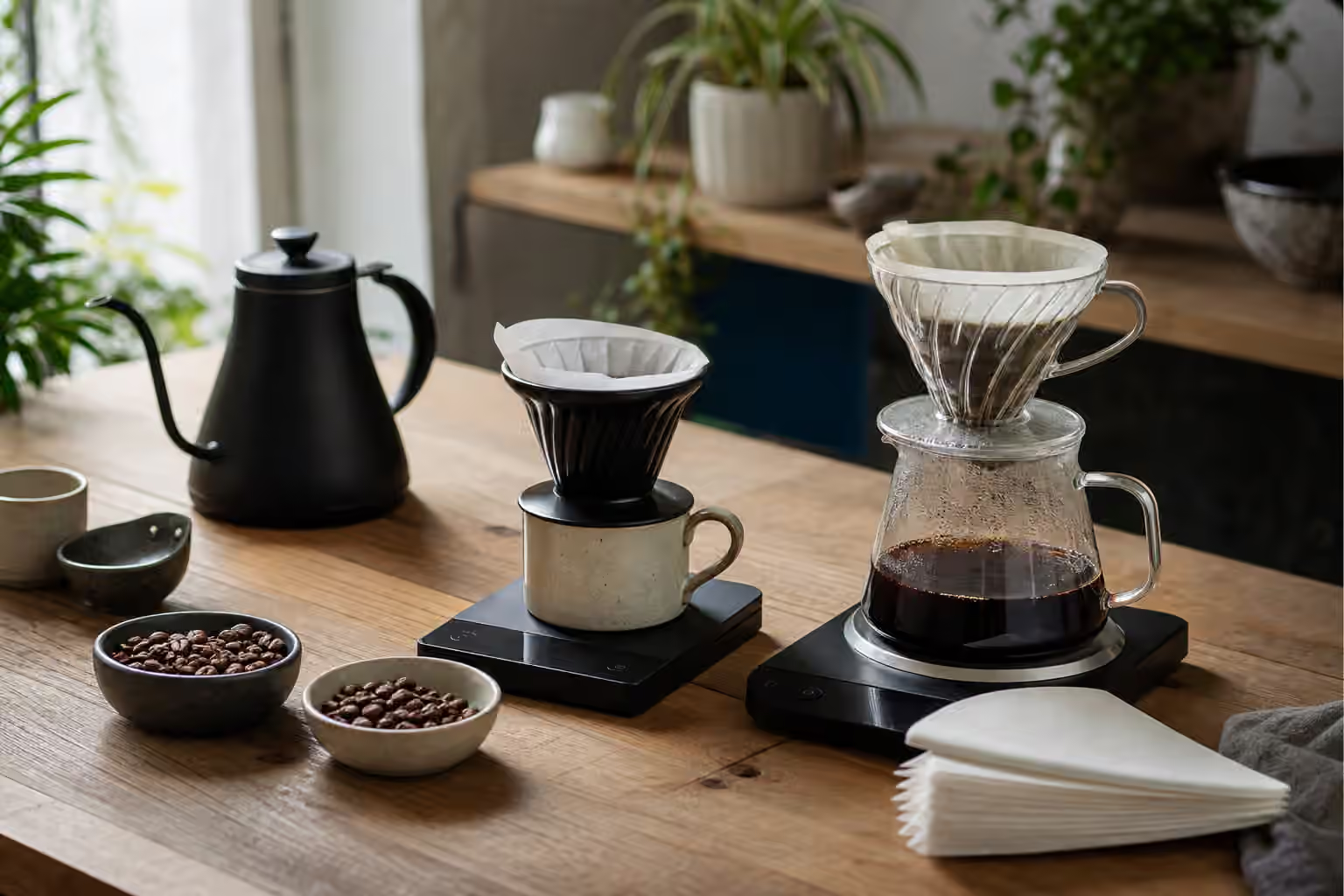
Coffee brewing assumes that water and ground coffee meet each other fairly. In reality, water is lazy. It follows the easiest path through the brewer, and that path is not always through the coffee bed. It can slide down the filter wall, rush through a crack, pool in one section, or skip dry grounds near the edge. Bypass is the name for brewed water that reaches the cup without doing its share of extraction.
Bypass is not always visible, which is why it can be frustrating. A brew can finish in a reasonable time and still taste thin, sour, bitter, or confused because different parts of the bed experienced different extractions. The Coffee Extraction guide explains the flavor side of sour, sweet, bitter, and balanced cups. This guide looks at the water path that creates those flavors before they reach the mug.
Bypass Is Not Just Weak Coffee
It is tempting to think of bypass as dilution. Sometimes that is exactly what happens: clear water misses the coffee, enters the server, and makes the cup weaker. But bypass can also make a cup taste harsh and weak at the same time. If water overworks the center of the bed while skipping the edges, one part of the coffee extracts too much and another part extracts too little. The finished cup becomes a blend of dryness and emptiness.
That is why bypass often tastes confusing. A straightforward ratio problem usually has a clearer signature. Too much water for the dose tastes light. Too little water tastes concentrated. Uneven flow tastes less coherent. You may notice a sharp front, a hollow middle, and a dry finish even though the recipe looks normal. The numbers are not lying. They are just failing to show where the water traveled.
The goal is not to eliminate every possible bypass path. Many brewers include some bypass by design, and some recipes use it intentionally when adding water after brewing. The practical goal is to avoid accidental bypass that makes extraction uneven. Water should spend most of its time moving through the grounds you measured, ground, and prepared.
Where Bypass Starts
Bypass often begins before the first pour. A paper filter that is poorly seated can create a channel between the paper and the brewer wall. When water hits that gap, it slips downward without passing through the bed. A filter seam that folds awkwardly, a wavy basket filter that collapses, or a cone filter that floats instead of clinging to the dripper can all create the same problem. The Coffee Filters guide covers material and flavor, but fit is just as important for even flow.
The coffee bed matters too. A mound of grounds against one wall gives water an uneven landscape. A deep crater from aggressive pouring can pull water toward the center. Dry pockets near the edge extract late and poorly. A gentle shake after grinding is usually enough to level the bed before brewing. You do not need to tamp filter coffee. In fact, compacting the bed can make flow worse by creating resistance in one place and escape routes in another.
Grind quality can invite bypass by making the bed behave inconsistently. A grinder that produces many fines can clog the bottom of the filter while larger particles leave open spaces above. Water then slows, pools, and looks for side paths. A grind with many boulders can drain too quickly through loose channels. This is why the Grind Size Guide and bypass belong together. Particle size is not only about average extraction. It shapes the bed that water has to navigate.
Pouring Can Help or Hurt
In manual brewing, the kettle is your steering wheel. A steady pour wets the bed evenly and keeps extraction coherent. A careless pour can drill into one spot, blast grounds up the wall, or send water down the filter edge. Pour-over technique is not delicate because coffee is precious. It is delicate because water is responsive.
Start by keeping the stream close enough to the slurry that it lands with control rather than impact. Aim most of the pour over the active coffee bed, not the bare paper wall. Gentle circles can distribute water without carving a hole. A brief swirl after the bloom can help stubborn dry pockets disappear, but repeated heavy swirling can send fines to the bottom and slow the brew. The Pour-Over Coffee Technique guide goes deeper on bloom, pour rhythm, and drawdown; bypass is one reason those habits matter.
Agitation is useful when it makes extraction more even. It is harmful when it creates new flow problems. A coffee bed that never gets disturbed may under-extract at the edges. A coffee bed that gets churned constantly may clog, stall, and taste chalky. The middle ground is repeatable movement with a clear purpose. Wet everything early, keep the slurry stable, and avoid dramatic gestures after the bed has begun to settle.
Brewer Shape Changes the Risk
Cone brewers create a deeper bed and a more focused exit path. That can produce beautiful clarity, but it also makes pour placement and grind more important. If the center becomes the main highway, water can over-extract that path while the upper edges remain underused. A cone brewer rewards a bloom that wets the entire bed and a pour that keeps water moving through the coffee rather than along the paper.
Flat-bottom brewers spread the grounds across a wider surface. They can be more forgiving because water has more exits and the bed is shallower. They are not immune to bypass. If the filter waves collapse, if the bed is uneven, or if the pour repeatedly targets one side, the same unevenness appears in a different shape. Flat-bottom brewing often tastes best when the slurry stays level and the water distribution remains calm.
Automatic drip machines hide the pour, which makes bypass harder to diagnose. The shower head, basket geometry, batch size, and filter fit decide where water lands. A machine that sprays evenly over the bed can brew sweet, stable batches with little intervention. A machine that dumps water in the center may leave edges dry and produce coffee that tastes thin despite a sensible ratio. The Automatic Drip Coffee guide explains how batch size and basket shape affect this hidden flow.
Taste Clues That Point to Uneven Flow
Bypass often tastes like contradiction. A cup may be weak but bitter, bright but dry, or aromatic but short. If the ratio is normal and the grind setting is close, contradiction is a clue that different parts of the bed extracted differently. A clean under-extracted cup often tastes sour and thin. A clean over-extracted cup often tastes dry and harsh. An uneven cup can taste like both arguments at once.
Look at the spent bed after brewing, but do not treat it as a scoreboard. A flat bed is reassuring, not proof. A crater in the center suggests the pour dug a path. Grounds stuck high on the filter wall suggest coffee left the active slurry and stopped contributing. Pale patches can point to dry areas. A muddy sealed surface often means fines migrated downward and restricted flow. These signs do not replace tasting, but they help explain what the tongue is reporting.
Time can also mislead. A brew that finishes quickly may have channeled through an easy path. A brew that finishes slowly may have clogged while still allowing side bypass. This is why drawdown should be read together with flavor. If the time, bed, and taste all point in the same direction, the next change is usually clear. If they disagree, suspect flow before rewriting the recipe.
Small Fixes That Make Water Fairer
The most durable fixes are simple. Seat and rinse the filter so it clings to the brewer. Level the bed before the bloom. Bloom with enough water to wet all the grounds, then give the coffee enough time to release gas before the main pour. Pour over the coffee, not down the wall. Keep the kettle stream controlled. If the bed repeatedly clogs, coarsen slightly or reduce agitation before assuming the ratio is wrong.
For automatic drip, start with what you can control. Use the right filter size and shape. Level the grounds in the basket. Brew a batch size the machine handles well. Clean the spray area, basket, and carafe so residue and scale do not distort flow. If the brewer allows a safe pause or bloom, use it consistently rather than improvising every morning.
When a bypass fix works, the cup often tastes less dramatic and more complete. Sweetness fills in. Acidity connects to flavor instead of floating on top. Bitterness loses its dry edge. Strength feels more honest because more of the water actually met the coffee. That is the quiet promise of even extraction: not a more complicated routine, but a cup where the recipe finally has a fair chance.