Temperature is one of coffee’s quiet variables. It rarely gets the drama of grind size or the precision of a scale, yet it changes how fast coffee gives up flavor, how stable a recipe feels, and how clearly you can taste the finished cup. A kettle can be set to the same number every morning and still produce different coffee if the dripper is cold, the room is chilly, the batch is tiny, or the finished cup sits on a counter while breakfast happens around it.
This guide sits between Coffee Extraction and Pour-Over Coffee Technique . Extraction explains why hotter water tends to pull more flavor, while technique explains how water meets the bed. Temperature connects the two. It is not just the number on a kettle. It is the heat that actually reaches the coffee and remains there long enough to matter.
Temperature Is A Brewing Lever, Not A Score
Most hot coffee brewing lives in a familiar neighborhood near off-boil water. That does not mean every cup wants the same setting. Hotter water generally extracts more quickly. It helps dense light roasts open up, pushes sweetness into the cup sooner, and can make a pour-over feel clearer when the grind and pour are already under control. Cooler water extracts more slowly. It can soften roast bitterness, calm a dark blend, or make a delicate cup feel less sharp when other variables are already close.
The mistake is treating temperature as a moral number. If a recipe says 200 degrees Fahrenheit and your coffee tastes thin, sharp, and hollow, raising temperature a little may help. If the cup tastes smoky, dry, or harsh, lowering temperature may help, especially with a darker roast. But temperature is rarely the first lever to grab when the recipe is chaotic. If the grind is wildly wrong, the ratio is changing every brew, or the coffee bed is unevenly saturated, temperature can only move the problem around.
A better way to think about it is extraction speed. Temperature changes how urgently water dissolves coffee material. Grind changes how much surface area the water can reach. Time changes how long the contact lasts. Agitation changes how thoroughly water moves around the grounds. When those levers point in the same direction, small temperature changes become easy to taste. When they fight each other, temperature becomes another source of confusion.
Roast Level Changes The Temperature Conversation
Light roasts are usually denser and less soluble than dark roasts. They often need more help from heat, finer grinding, longer contact, or more complete saturation. This is why many light-roast pour-over recipes start with water very close to a boil. The heat helps pull sweetness and aromatic complexity before the cup turns thin or lemony. If a light roast tastes grassy, tart, and short even though the grind is reasonable, a hotter brew may be the missing push.
Dark roasts have already been made more porous and brittle by roasting. They release flavor more easily, including flavors you may not want to emphasize. Very hot water can make them taste ashy, hollow, or drying, especially when paired with a fine grind and long contact. A slightly cooler brew can bring the same coffee toward chocolate, nuts, caramel, and body instead of smoke and rough bitterness. The Coffee Roasting Guide helps separate roast character from brew error, because no temperature setting can turn a deeply roasted coffee into a floral washed Ethiopian.
Medium roasts sit in the middle, but they are not automatic. Some behave like light roasts because they are dense and bright. Some behave like dark roasts because they are developed for espresso or milk drinks. Taste matters more than label language. If the bag says medium but the cup tastes roasty and dry, treat it gently. If the bag says light but the cup tastes sweet and full at a lower temperature, keep the lower temperature. The cup is better evidence than the color name.
The Kettle Number Is Not The Brew Temperature
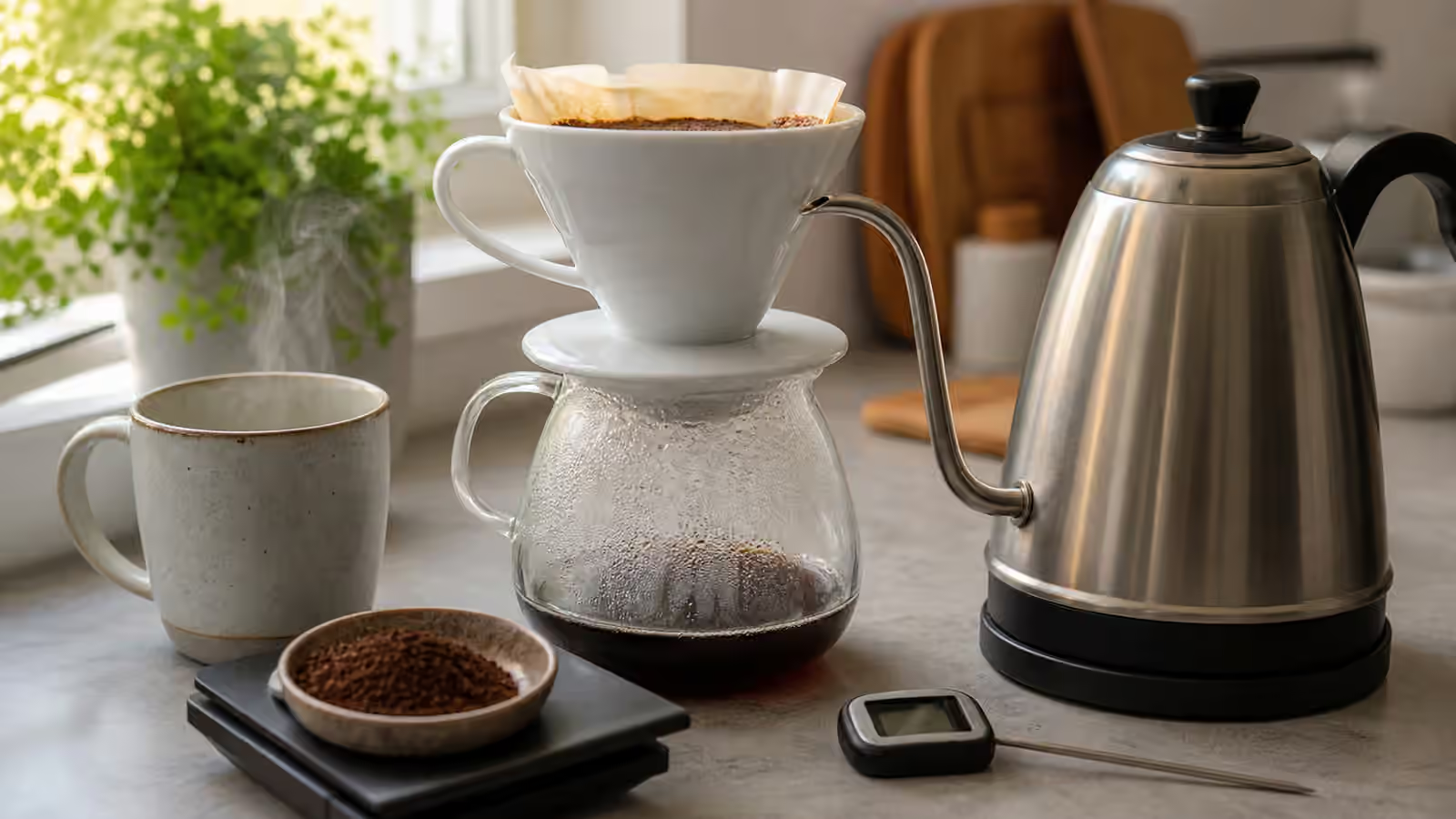
The number on an electric kettle is only the temperature of the water at one point in the system. After that, heat starts moving into everything colder than the water: the kettle spout, the air, the filter, the dripper, the coffee bed, the server, and the mug. A ceramic dripper stored in a cold cabinet can absorb a surprising amount of heat. A thin plastic dripper may lose less heat to its own mass but more to the room if the brew stretches out. A small dose cools faster than a large batch because it has less thermal momentum.
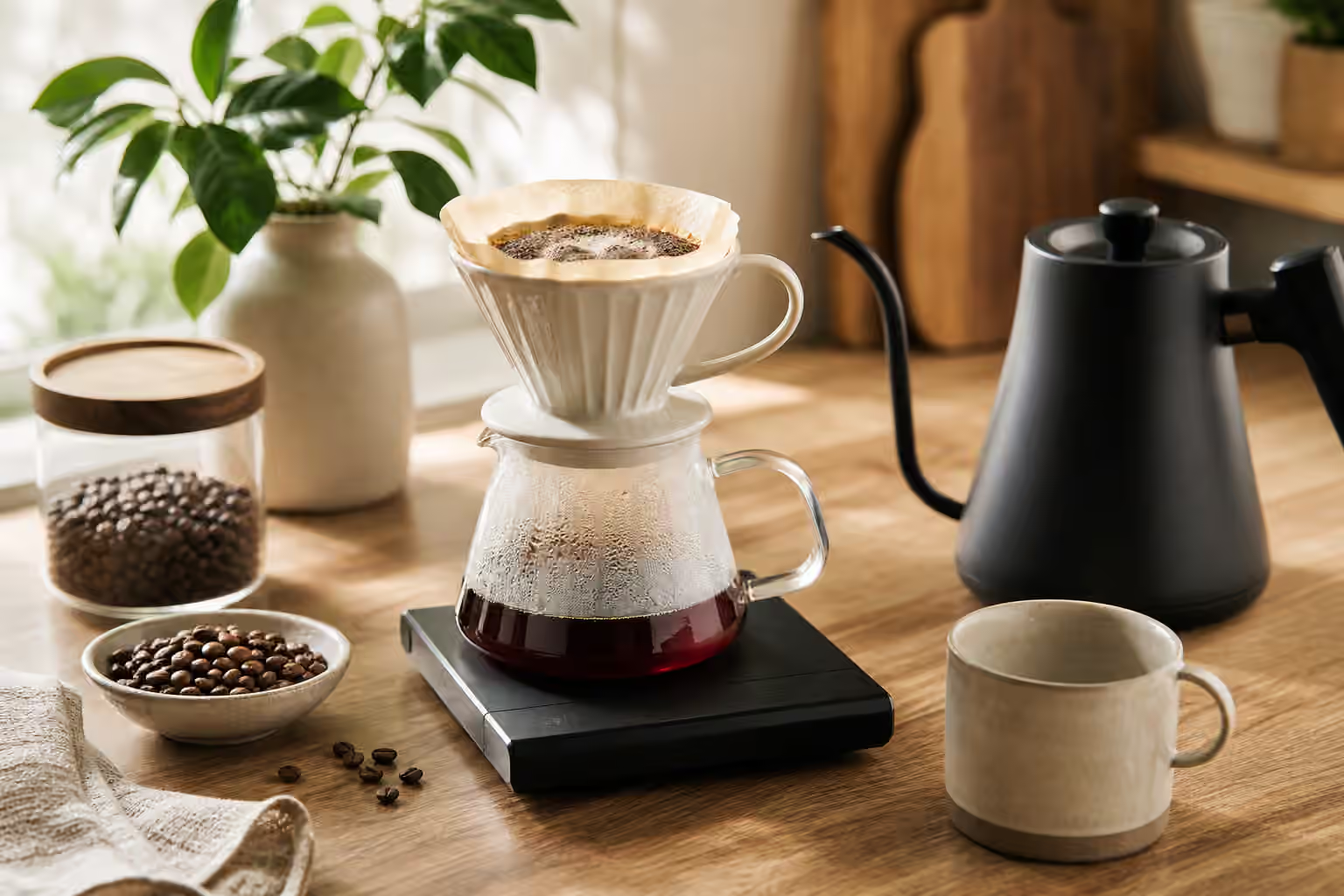
This is why preheating matters. Rinsing a paper filter with hot water is not only about removing paper flavor. It seats the filter, warms the dripper, and reduces the heat shock that happens when brewing starts. Preheating a glass server can keep the first coffee from cooling too quickly. Warming a mug matters if you drink slowly or brew a small cup. None of this needs to become ceremony. It is just a way to make tomorrow’s brew resemble today’s brew.
Pour-over makes heat loss visible because the slurry is open to the air. A high, thin stream cools more than a steady stream close to the bed. Long pauses between pulses let the slurry level drop and the bed cool. A very slow drawdown may extract more because of time, but it may also lose heat by the end, which can make the cup taste muddled rather than simply stronger. If your pulse pours taste less sweet than a calmer continuous pour, heat loss may be part of the reason.
Method Shapes Heat
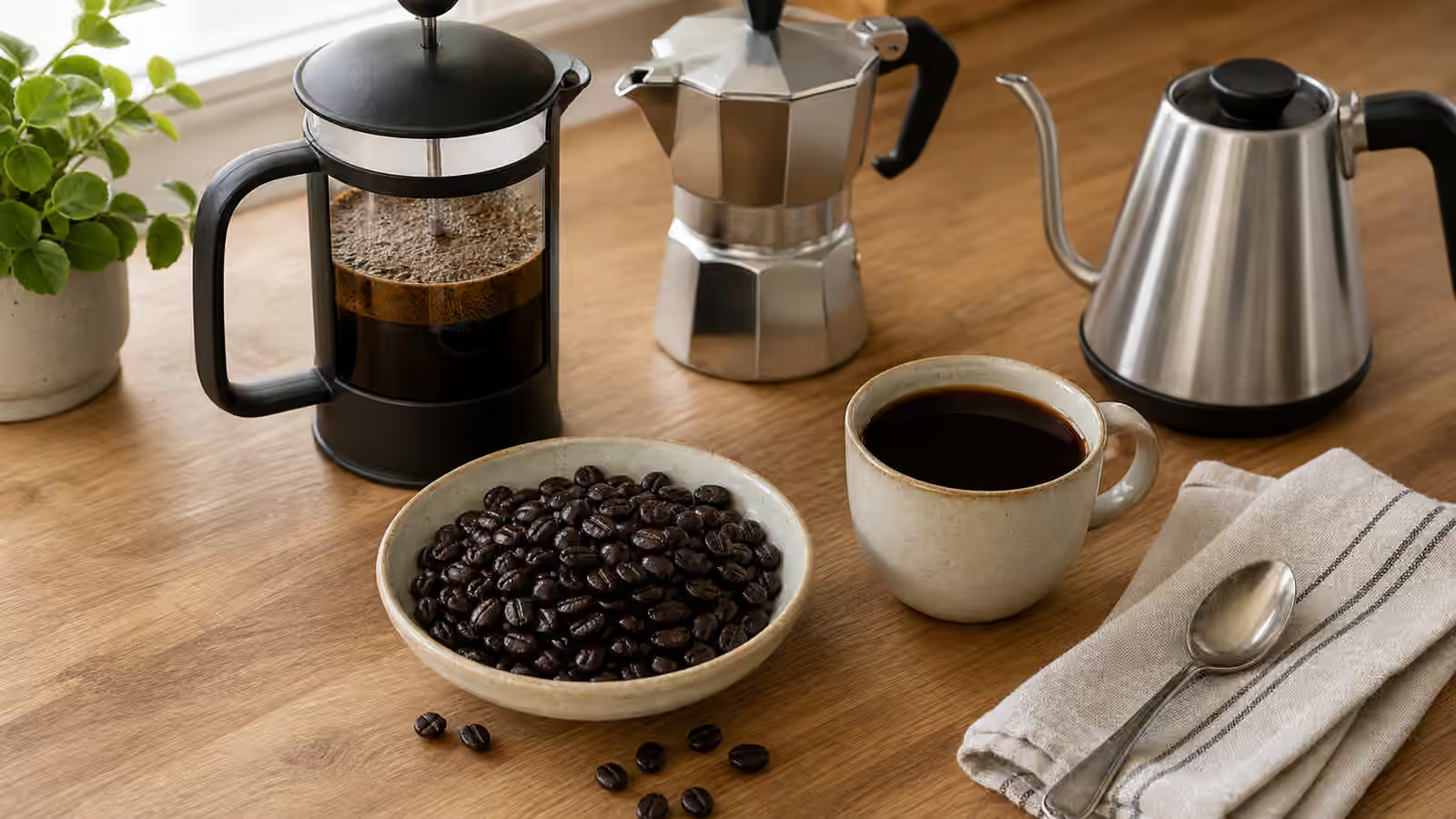
Immersion brewing holds heat differently from percolation brewing. In a French press, all the water and coffee meet at once, and the brewer’s mass determines how quickly the slurry cools. A preheated press can make the first minutes more stable. Leaving the lid on helps. Stirring aggressively may improve contact but can also release heat and suspend more fines than you want. The goal is not to trap every degree. It is to keep the steep predictable enough that grind and time can do their work.
AeroPress brewing has its own heat behavior. The brewer is small, the dose is small, and the water volume is often modest. It can cool quickly, especially with a long steep or a slow press. That does not make it fragile. It means recipes should be compared honestly. If one AeroPress cup used a fully preheated brewer and another started with cold plastic, the difference may not be grind alone. The AeroPress Coffee guide is useful because the method is flexible enough to show how small heat and time changes affect body.
Automatic drip machines hide temperature inside the brewer. You cannot pour hotter water by hand once the cycle begins, but you can still control the conditions around the machine. A clean water path heats and flows better than one narrowed by scale. A preheated thermal carafe preserves flavor better than a cold one. A glass carafe on a hot plate solves one temperature problem by creating another: it keeps coffee hot by continuing to cook it. If drip coffee tastes acceptable at first and harsh after twenty minutes, the hot plate may be changing the brew after extraction is over.
Espresso compresses temperature into a short, high-pressure event. Machine warm-up, group stability, portafilter temperature, basket temperature, and cup temperature all matter because the beverage is tiny. A cold portafilter can pull heat away from the puck during the shot. A cold demitasse can make a good shot taste flat before you evaluate it. The dial-in method in How to Dial In Espresso works best when the machine is warmed consistently, because otherwise a grind change may seem guilty for a temperature drift.
Serving Temperature Changes What You Notice
Brewing temperature and drinking temperature are different subjects, but they meet in the cup. Very hot coffee can smell dramatic while hiding detail. Steam carries aroma, but heat also sharpens acidity and can make sweetness harder to locate. As coffee cools, sweetness, body, roast flavor, and finish become easier to read. A cup that seemed bright at first may become juicy and balanced. Another may collapse into papery staleness or leave a dry bitterness that was hidden when it was hotter.
This is why tasting over time matters. Do not judge a new recipe from one scalding sip. Taste when the cup is hot, then warm, then cooler. Coffee Tasting Notes is built around that whole arc because coffee changes as it cools, and those changes are not noise. They are information. If a cup tastes balanced only when painfully hot, it may be carrying roughness that heat is masking. If it becomes sweeter and more transparent as it cools, the brew is probably closer than the first sip suggested.
Serving temperature also affects habit. A thick ceramic mug holds heat differently from a thin glass. An insulated travel mug can keep coffee hot long enough for stale oils in the lid to announce themselves. A preheated cup may help an espresso drink feel complete, while a giant cold mug can flatten a small pour-over. Cup choice is not the main craft of coffee, but it changes the final few minutes of the experience.
How To Adjust Temperature Without Chasing It
Start by making temperature repeatable before making it clever. Use the same kettle setting or the same off-boil rhythm for a few brews. Preheat the same way each time. Keep the recipe, grind, and pour pattern steady. Then move temperature only when taste asks for it. If the coffee is sour, thin, and underdeveloped, try more heat before you make the recipe stronger. If it is bitter, smoky, or drying, try less heat before you abandon the beans.
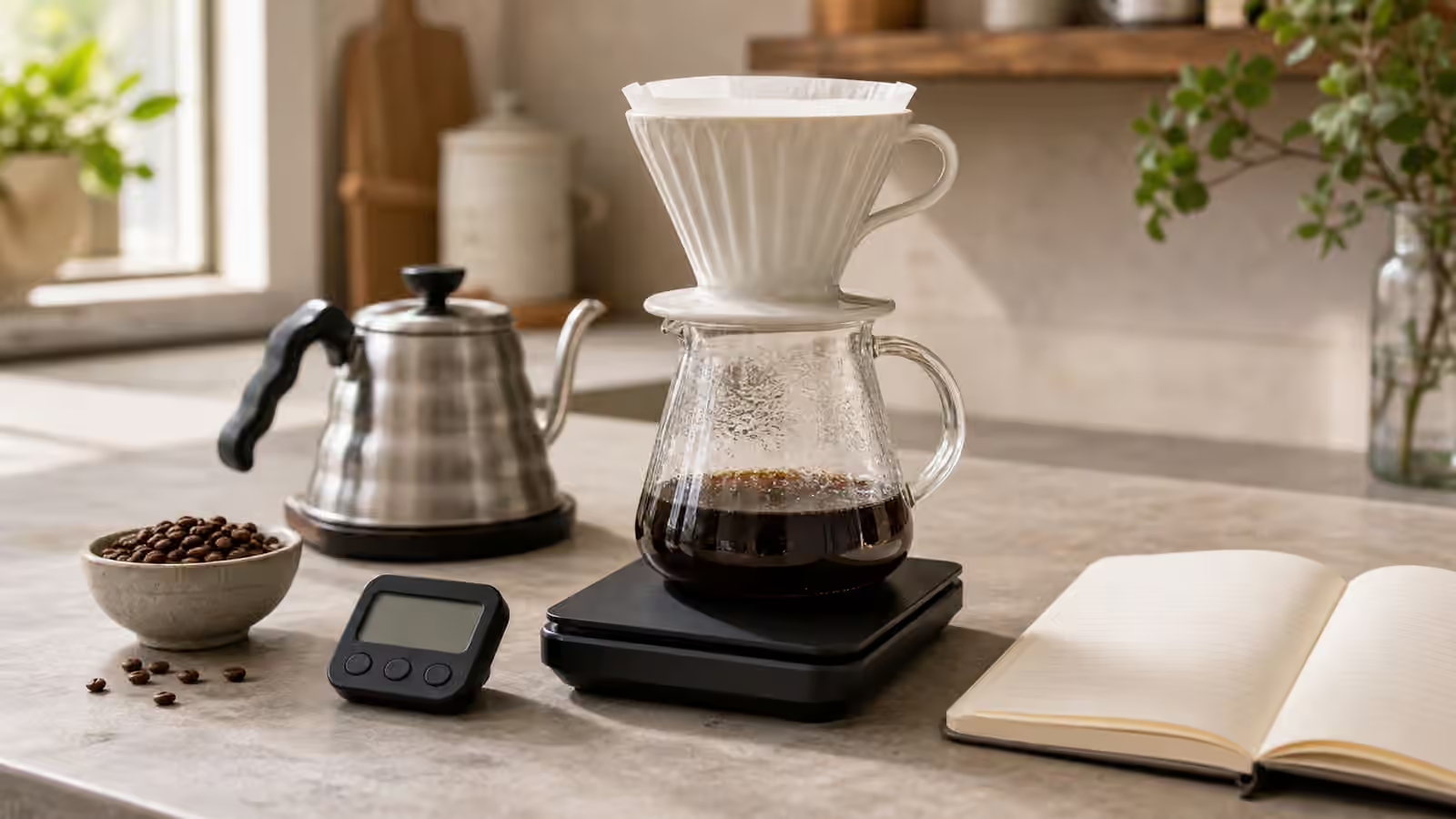
Move in small steps. A slight change is easier to understand than a dramatic swing. If you brew a light roast at near-boil and it tastes sharp, the answer might not be a much cooler kettle. It might be better saturation, a slightly coarser grind, or a longer ratio. If you brew a dark roast cooler and it tastes flat, the answer might be a little more heat, but it might also be fresher coffee, cleaner gear, or a shorter ratio. The Coffee Dial-In Log helps because temperature experiments are easy to misremember. Write down the setting, but also write down whether you preheated the brewer and how the cup changed as it cooled.
Heat management is not about worshipping numbers. It is about giving coffee a stable environment so flavor can become readable. When the kettle, brewer, cup, and serving rhythm stop changing randomly, temperature becomes a useful adjustment rather than a hidden source of drift. The reward is not just hotter coffee. It is coffee that tastes more intentional: sweet enough to feel complete, clear enough to understand, and consistent enough that the next brew teaches you something.