Coffee body is the part of flavor you feel before you can name it. It is the difference between a cup that slips across the tongue like tea and one that feels round, weighty, and almost broth-like. It is why a French press can taste generous even when the flavor notes are simple, why a paper-filtered pour-over can feel clean and precise, and why an espresso shot can seem small but dense enough to hold attention. Body is not better or worse by default. It is texture, and texture changes how every other part of the cup lands.
The broader Coffee Tasting Notes guide helps with language for sweetness, acidity, bitterness, aroma, and finish. This guide slows down around mouthfeel because many home brewers diagnose texture as flavor. A thin cup gets called sour. A heavy cup gets called bitter. A silty cup gets called strong. Sometimes those words are right, but sometimes the coffee is asking for a different adjustment. Once you can separate flavor from feel, recipes become easier to read.
Body Is Not the Same as Strength
Strength describes concentration. Body describes physical impression. A strong coffee has more dissolved material in the cup; a full-bodied coffee feels heavier, rounder, or more coating on the palate. The two often travel together, but they are not identical. A short espresso tastes strong and full because it is concentrated and carries fine solids and oils. A very clean paper-filtered brew can be strong without feeling heavy. A French press can feel full even when the actual concentration is moderate because tiny particles and oils change texture.
This distinction matters when you adjust a recipe. If a pour-over tastes weak and watery, the Coffee Brewing Ratios guide may point you toward a shorter ratio, a little more coffee, or a little less water. If the same cup tastes clear but too delicate, you may want more body rather than simply more strength. That could come from a different filter, a slightly finer grind, a modestly shorter ratio, or a coffee roasted and processed in a way that naturally gives more texture.
The opposite problem is common too. A cup can feel thick, dry, or muddy, and the instinct is to use less coffee. That may help, but it may not solve the real cause. If fine particles are getting into the mug, if the filter is too open for the grind, or if old oils are clinging to a brewer, the problem is not just concentration. It is the physical material suspended in the drink and the way it coats your mouth.
Filtration Is the Fastest Texture Lever
Filter choice changes body more dramatically than most people expect. Paper filters hold back much of the sediment and many coffee oils, so they often create a cup with clear edges, lighter texture, and a cleaner finish. Metal filters let more oils and fine particles through, so the cup feels heavier and more persistent. Cloth can sit between those worlds when it is clean and well maintained, giving softness without as much grit as some metal filtration.
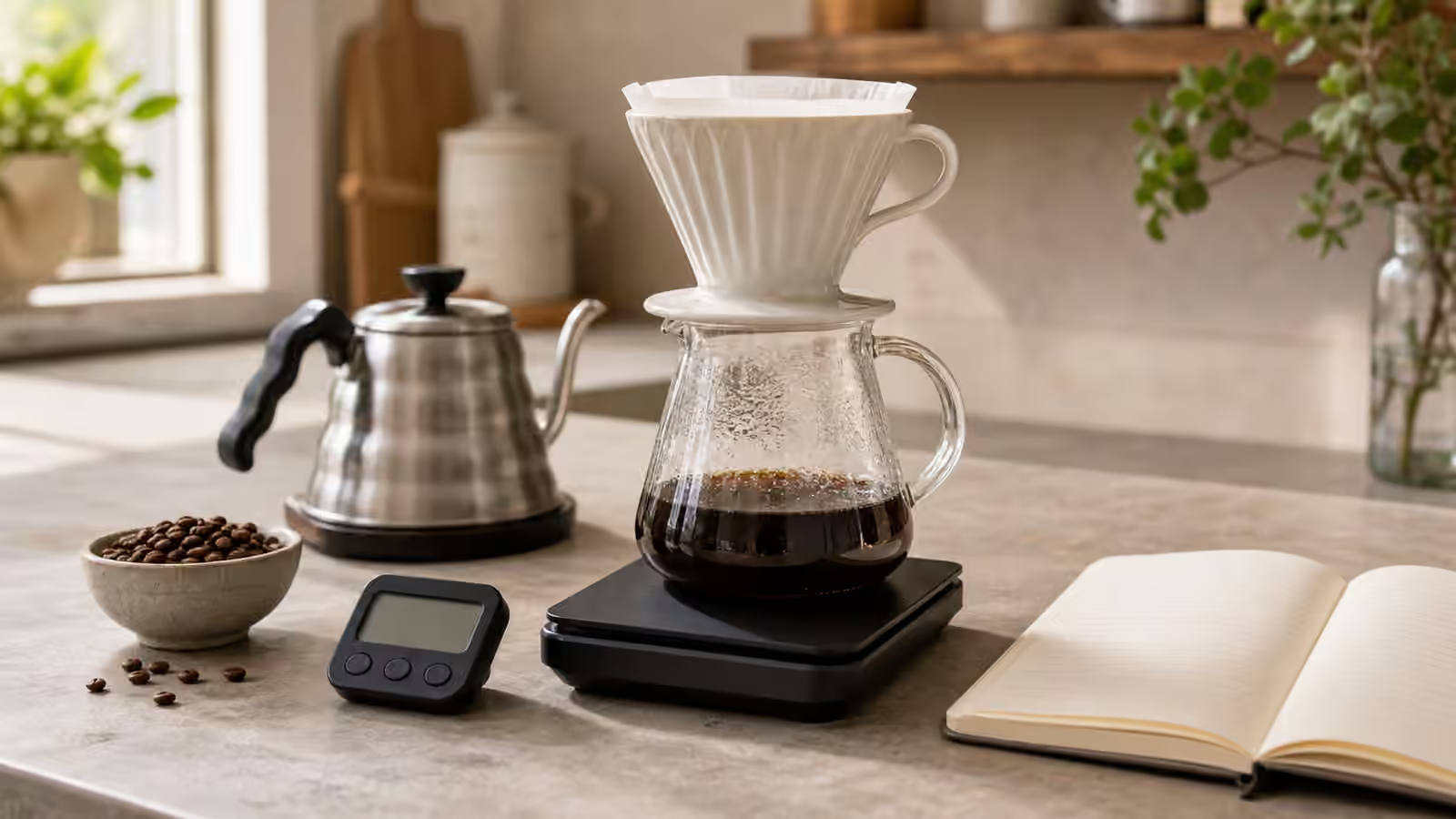
The difference is obvious when you brew the same coffee through different methods. A paper-filtered pour-over may show citrus, florals, or a crisp finish. The same coffee in a French press may taste broader, softer, and less sharply defined. Neither cup is lying. The filter has changed what reaches your tongue. The Coffee Filters guide explains those materials across brewers, but body is the place where the difference becomes tactile rather than theoretical.
French press is a useful teacher because it separates flavor clarity from physical richness. The metal screen does not trap every fine particle. Some sediment settles at the bottom of the cup; some stays suspended long enough to make the coffee feel plush. The French Press Coffee method leans into that body while using a coarser grind, settling time, and gentle pouring to avoid sludge. The goal is not to make French press behave like paper. The goal is to keep its fullness pleasant.
AeroPress, moka pot, espresso, and automatic drip all give their own lessons. An AeroPress with paper can taste surprisingly clean for an immersion brewer. A metal-filtered AeroPress can feel more concentrated and textured. A moka pot produces a strong stovetop cup with more weight than drip but less pressure-born density than espresso. Automatic drip depends heavily on the basket shape, filter fit, and whether fines collect at the bottom of the brew bed. Texture is never only about the brewer name; it is about what the brewer allows into the finished liquid.
Grind Size and Fines Shape the Finish
Grind size affects texture in two ways. First, it changes extraction by changing how much surface area the water can reach. Second, it changes how many tiny particles, usually called fines, can end up in the cup or clog the filter. Fines are not automatically bad. Some are part of normal grinding, and a small amount can add a pleasing sense of density. Too many make coffee feel dusty, drying, or muddy, especially as the cup cools.
This is why a cup can taste heavy without tasting rich. Richness suggests sweetness, aroma, and satisfying body working together. Muddy texture suggests particles and overworked extraction crowding the cup. If a pour-over slows dramatically, drains unevenly, and finishes with a dry, papery roughness, the grind may be too fine or the grinder may be producing a large spread of particle sizes. The Grind Size Guide is useful here because it connects taste, flow, and particle size rather than treating grind as a number on a dial.
Espresso makes the relationship more intense. A good shot has density, but not every dense shot is good. If the puck channels, if the grind is too fine for the basket, or if distribution is uneven, texture can become harsh and sticky instead of syrupy. The guides on How to Dial In Espresso and Espresso Puck Prep both matter because mouthfeel begins before water touches the coffee. Dose, puck shape, resistance, and evenness decide whether pressure creates sweetness or simply forces bitterness and fines into the cup.
Roast, Processing, and Beans Set the Starting Point
Technique can change body, but the coffee itself has a starting texture. Some coffees feel delicate by nature. High-grown washed coffees, especially when roasted light and brewed through paper, often emphasize clarity, acidity, and aroma over weight. Natural process coffees may feel rounder because fruit drying can contribute a different kind of sweetness and aromatic density. Honey process coffees often sit somewhere in between, though the exact result depends on the producer, variety, roast, and brewing method.
Roast level also matters. Darker roasts are more porous and brittle, and they often dissolve readily. They can bring a heavier roast-driven body, especially in espresso, moka pot, French press, and milk drinks. That body can be comforting when it carries chocolate, toasted sugar, or nutty flavors. It can also become ashy or hollow if the roast character overwhelms the coffee’s sweetness. Lighter roasts may feel leaner, but a well-extracted light roast does not have to taste thin. It may simply place aroma and acidity ahead of weight.
This is where buying and brewing meet. The guides on Coffee Beans , Processing , and Roasting help explain why two bags can behave differently before you change a recipe. If you want a fuller morning cup, you do not always need a new brewer. You may need a coffee whose natural structure supports more body, or a recipe that stops filtering away the texture you enjoy.
Temperature Changes Texture as the Cup Cools
Hot coffee can hide texture problems. When a cup is very hot, aroma rises quickly and the palate has less time to notice fine details. As the coffee cools, sweetness, acidity, bitterness, and mouthfeel become easier to separate. A brew that seemed smooth at first may reveal a chalky finish. A cup that felt light when hot may become silky and sweet at a warm drinking temperature. This is one reason tasting too quickly can lead to unnecessary adjustments.
Serving temperature also changes how body feels. Very hot coffee feels thinner and sharper because heat dominates sensation. Warm coffee gives the tongue more information. Cool coffee reveals sediment, roughness, and stale oils more clearly. If you are trying to understand a new bag, taste it across several minutes instead of judging the first sip. The Coffee Brewing Temperature guide focuses on extraction heat, but drinking temperature deserves attention too because it changes how the finished cup presents itself.
Milk changes the picture again. A thin espresso can disappear in milk because dairy or a plant-based milk adds its own body while diluting coffee flavor. A dense, bitter espresso can become acceptable in a latte but unpleasant on its own. The Coffee for Milk Drinks guide treats that balance directly. Texture in milk drinks is not only about foam; it is also about whether the coffee has enough presence to remain clear under the milk’s sweetness and fat.
Clean Gear Keeps Body From Turning Stale
Body should come from the coffee and the method, not from residue. Old coffee oils cling to grinder chutes, French press screens, metal filters, carafes, travel mugs, and portafilter baskets. Those oils can make a cup feel heavier, but not in a fresh way. The texture becomes dull, greasy, or lingering, and the finish may taste woody or smoky even when the beans are new. If every coffee tastes similarly tired, the brewer may be contributing more body than it should.
The Clean Coffee Gear guide is worth treating as a sensory tool rather than a chore list. Clean a French press screen and the next cup may taste less sludgy. Wash a metal filter thoroughly and sweetness may come forward. Brush a grinder and the first brew of the morning may stop carrying yesterday’s stale fines. Mouthfeel is sensitive to residue because residue is physical. It does not merely alter aroma; it changes the coating sensation after the sip.
Water can add its own texture too. Hard water may make coffee feel flatter or more chalky, while very soft water can make some cups feel sharp or hollow. The exact chemistry can become technical quickly, but the practical lesson is simple enough: if a recipe tastes clean at a cafe and dull at home, water is one of the variables worth checking. Water Quality for Coffee gives that variable a clearer frame.
Taste Body With Simple Comparisons
The best way to learn body is to compare cups side by side. Brew the same coffee through paper and French press, then taste both as they cool. The paper cup will likely feel cleaner and more transparent. The French press will likely feel fuller and more textured. Brew a pour-over a little shorter than usual, then repeat it at your normal ratio. The shorter cup may feel heavier, but you can ask whether it also tastes sweeter or merely denser. Try the same espresso straight and in a small milk drink, then notice how texture helps or hides the coffee.
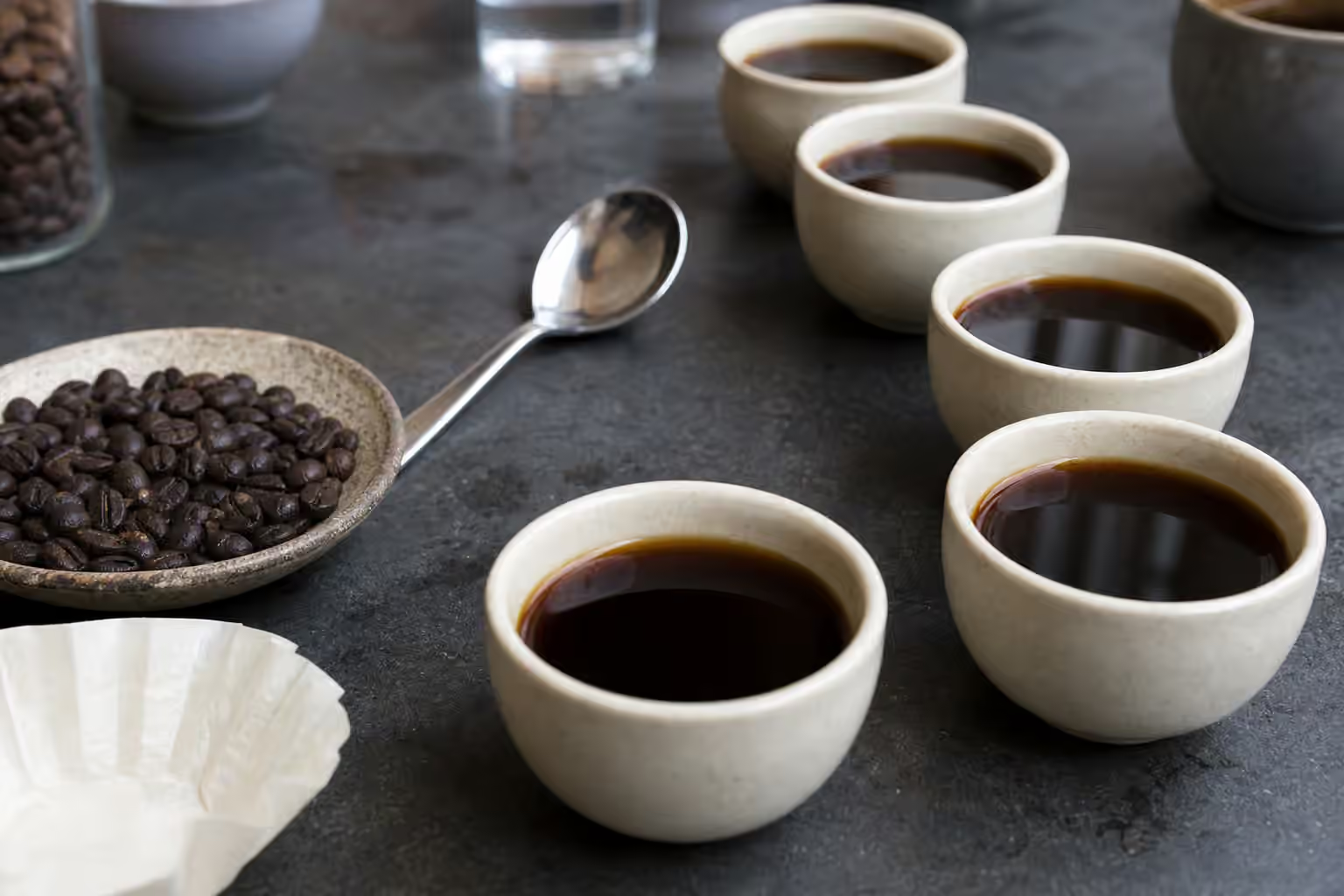
Home cupping is useful here because it removes some equipment variables. In Home Coffee Cupping , each bowl uses the same basic immersion process, so differences between coffees become easier to notice. One coffee may feel juicy, another creamy, another tea-like, another drying. Those are not just poetic words. They are clues about what a coffee might do in a brewer and what kind of filter or ratio will flatter it.
When a cup disappoints, name the texture before changing the recipe. Watery asks a different question than thin and sour. Heavy asks a different question than bitter. Silky asks a different question than muddy. Drying asks a different question than strong. If you can make that separation, the next adjustment becomes smaller and more humane. You might change the filter, clean the brewer, coarsen the grind, shorten the ratio, choose a different bean, or simply let the cup cool before deciding.
Body is easy to ignore because it rarely appears on a bag label with the same drama as chocolate, berry, jasmine, or citrus. Yet it shapes whether those flavors feel satisfying. A bright coffee with no body can seem sharp. A full coffee with no clarity can seem dull. The best cup for you is not the one with the most texture. It is the one where texture supports the flavor you wanted from the start.