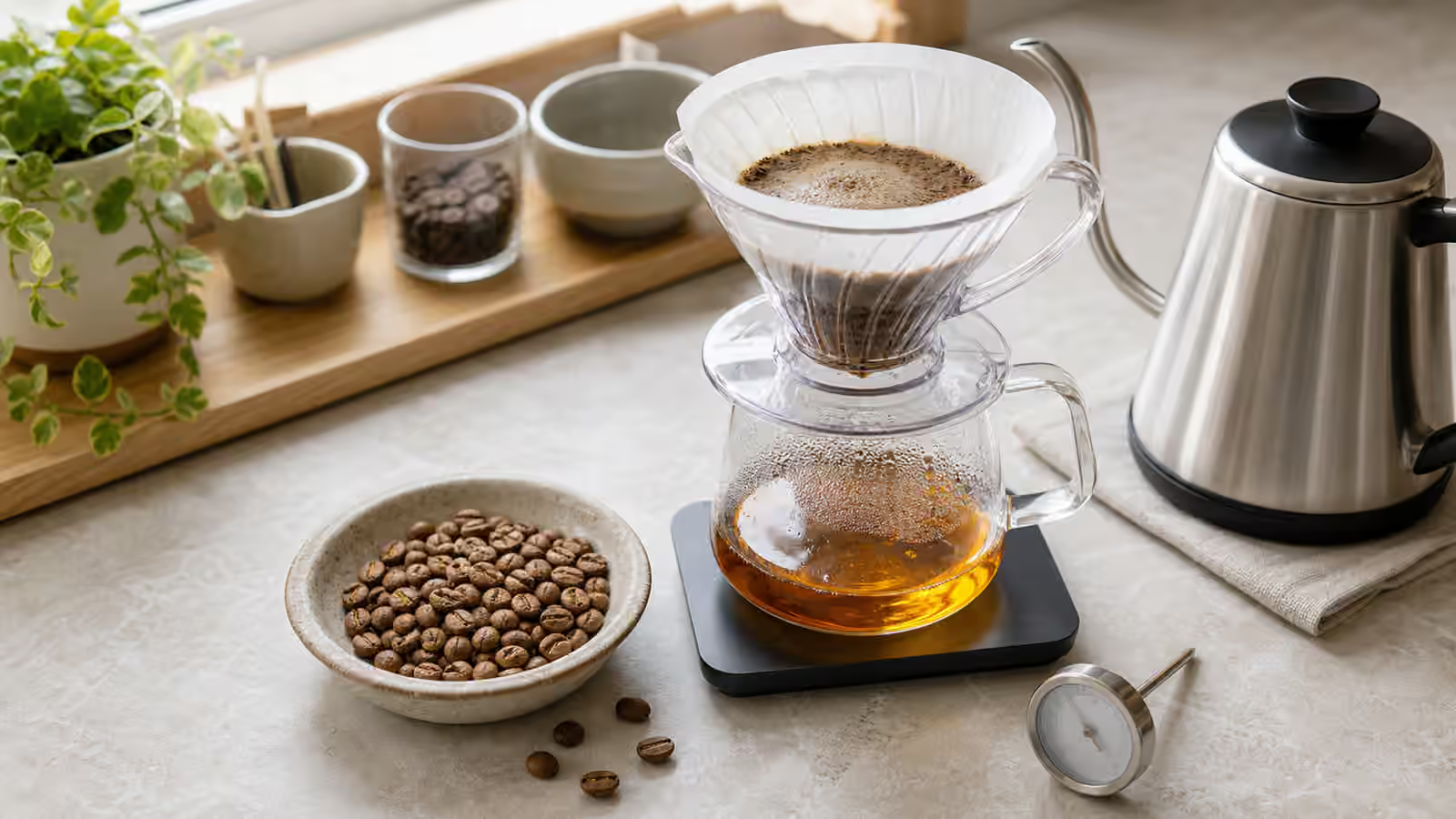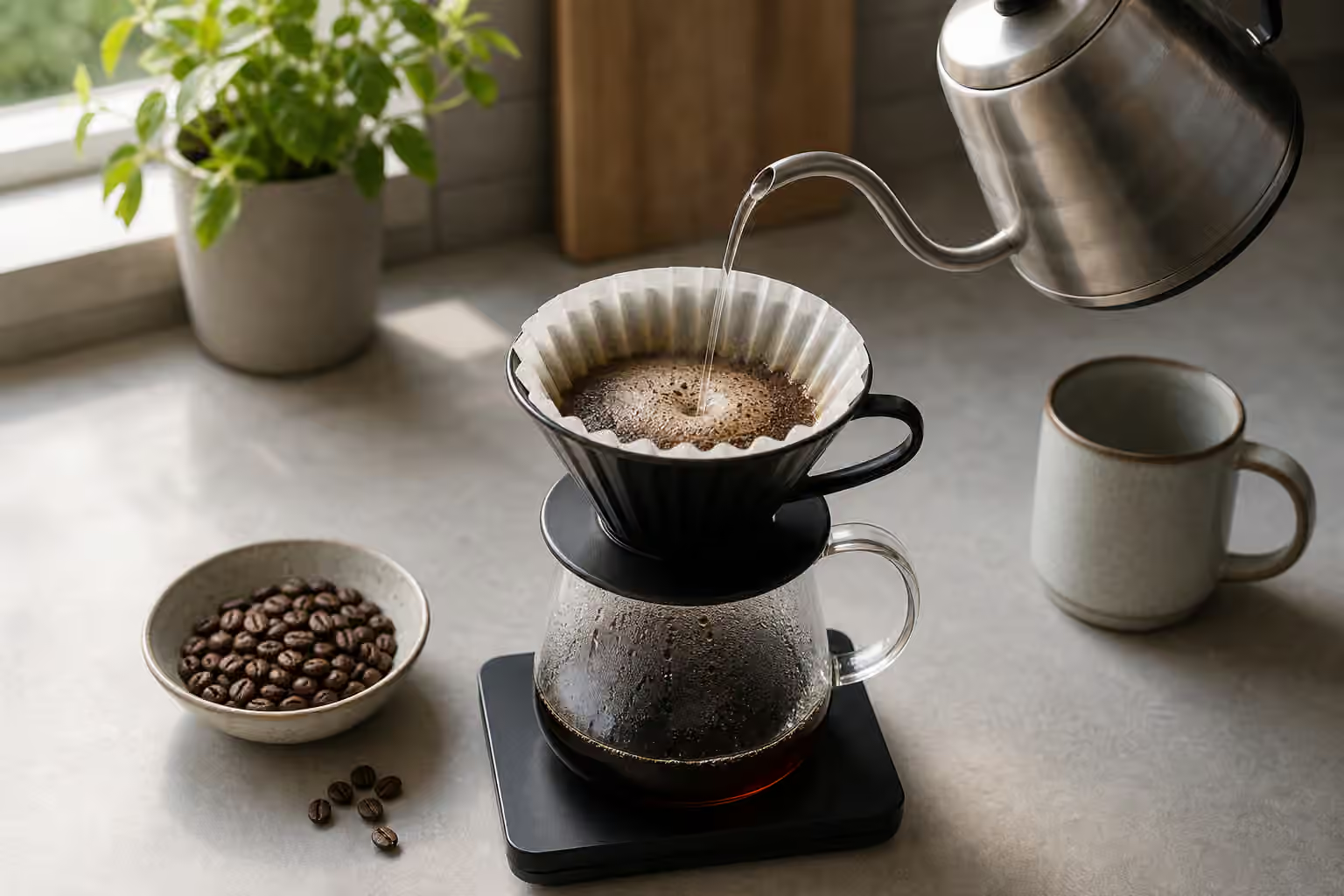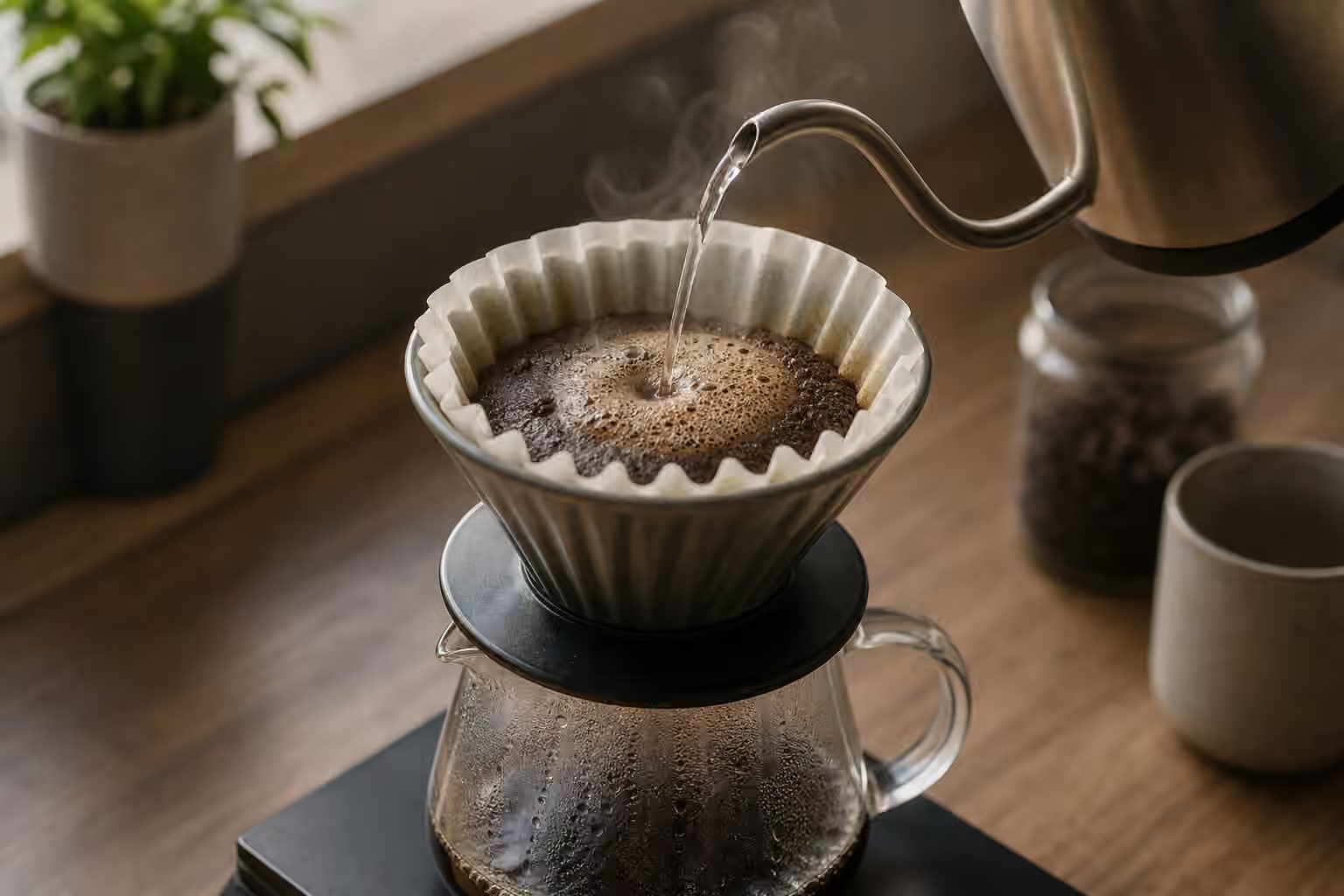
The first pour of a brew looks small, but it decides how the rest of the water meets the coffee. Dry grounds do not extract evenly. Fresh grounds also hold carbon dioxide from roasting, and that gas pushes back when hot water arrives. The bloom is the moment when water, grounds, and trapped gas negotiate. Done carelessly, it leaves dry pockets and channels that make the cup taste thin, sharp, or confused. Done well, it prepares the bed so the main brew can extract with less drama.
Bloom is most visible in pour-over, where a small first pour makes the bed swell and bubble. The idea is not limited to cone drippers, though. Immersion brewers, AeroPress, French press, Clever-style drippers, automatic drip machines, and even espresso pucks all care about how evenly water reaches coffee at the start. If you have read Coffee Freshness and Resting , bloom is where that freshness becomes physical.
Bloom Is Preparation, Not Decoration
Fresh roasted coffee releases carbon dioxide over time. When coffee is ground, that gas escapes faster, but plenty can remain inside the particles. Hot water accelerates the release. In a pour-over, you see the bed rise, foam, and sometimes crack open. The show can be satisfying, but the useful part is wetting. The goal is to replace air and trapped gas with water so extraction begins across the whole bed instead of in a few lucky paths.
If the bloom is too small, some grounds stay dry under the surface. Those dry pockets join the brew late, under-extract, and contribute sourness or hollowness. If the bloom is violent, with water thrown at the bed from high above or with too much stirring, fines can migrate and clog the filter. That can make the brew slow, bitter, and muddy. A good bloom is generous enough to wet the coffee and calm enough to keep the bed intact.
The usual starting point is roughly two to three times the coffee dose in water. A twenty gram dose might get forty to sixty grams of bloom water. The exact number is less important than coverage. If forty grams leaves dry islands, use more. If sixty grams floods the brewer and drains immediately, pour more gently or adjust grind and technique. The bloom should make the bed look fully damp, not just spotted.
Freshness Changes the Bloom
Very fresh coffee often blooms dramatically. The bed rises high, bubbles actively, and may look restless for longer than expected. That does not automatically mean better coffee. It may mean the beans need more rest, especially if the finished cup tastes sharp and unfinished. For filter brewing, you can often manage a young coffee with a longer bloom and careful wetting. For espresso, fresh coffee can behave more unpredictably because pressure magnifies gas and puck instability.
Older coffee may barely bloom. That can mean much of the gas is gone, but it does not always mean the coffee is stale. A coffee rested for a sensible period may bloom modestly and taste excellent. A coffee that smells flat and refuses to open in the cup is a different story. Bloom is one clue, not a freshness verdict. Taste, aroma, roast date, storage, and method all matter.
Roast level changes the picture. Darker roasts are more porous and often release gas quickly, especially soon after roasting. Lighter roasts can hold gas longer and may need a more patient bloom, hotter water, or more deliberate pouring to open fully. Processing also matters. A dense washed coffee and a softer natural process coffee can behave differently even at the same roast date.
Even Wetting Is the Real Skill
Watch what happens when the first water lands. If it drills a hole in the center, the main brew may follow that path. If it only wets the top layer, the lower bed may stay dry. If water runs down the filter wall before touching enough coffee, bypass can weaken the cup. The bloom is your best chance to prevent these problems while the bed is still simple.
Pour low and close enough that the stream is controlled. Move across the bed rather than staying in one spot. Aim to wet all the grounds, including the edges, without pouring directly down the paper wall. Some brewers benefit from a gentle swirl after the bloom pour because it helps water reach hidden dry areas. Others do better with a small stir using a spoon or paddle. The action should be modest. You are trying to wet, not churn.
The Pour-Over Coffee Technique guide covers the larger brew pattern, but bloom deserves its own attention because it is where unevenness often begins. If a pour-over tastes sour and bitter at the same time, or if the bed shows a dry crust after the first pour, look at wetting before changing every other variable.
Bloom Time Is a Window
Many recipes use a bloom of thirty to forty-five seconds. That range works because it gives water time to enter the grounds and gas time to escape without letting the bed cool too much. Very fresh coffee may benefit from a longer bloom. Older or darker coffee may not need as long. The right length is the one that improves the finished cup, not the one that looks precise on a timer.
If the cup tastes sour, thin, and aromatic but not sweet, a longer or more complete bloom may help. If the cup tastes flat, cool, or papery, an overly long bloom with too little heat may be part of the problem. Preheating the brewer and using water hot enough for the coffee can keep the bloom from becoming a cooling pause. The guide to Coffee Brewing Temperature helps connect heat management with sweetness and clarity.
Do not let the timer become more important than the bed. If the bloom is still actively pushing gas after thirty seconds and the coffee is very fresh, waiting a little longer may be sensible. If the water has drained through immediately and the bed looks dry again, the issue may be grind, dose, brewer shape, or too little bloom water. Time tells part of the story, but the bed shows the rest.
Bloom Beyond Pour-Over
In immersion brewing, bloom shows up as initial wetting and agitation. French press grounds can float and trap dry pockets near the top if water is poured carelessly. A gentle stir after adding water can make extraction more even. AeroPress recipes often include a short stir or swirl for the same reason. Clever drippers can be brewed by adding water first or coffee first, and that choice changes how quickly the grounds wet. The method is different, but the principle is familiar: all the coffee should meet water early.
Automatic drip machines handle bloom inconsistently. Some have a pre-infusion setting that pauses after a first dose of water. Others send water continuously. If your machine allows a bloom cycle, it can help fresh coffee taste more even. If it does not, you can still improve the setup by leveling the bed, using a suitable grind, and choosing a batch size the machine saturates well. Automatic Drip Coffee explains why a hidden brew basket still needs preparation.
Espresso does not bloom in the same visible way, but wetting still matters. Pre-infusion, when a machine offers it, lets low-pressure water enter the puck before full pressure begins. Good puck preparation also helps water spread evenly instead of finding cracks. If espresso tastes simultaneously sour and harsh, the problem may be channeling rather than a simple grind setting. Espresso Puck Prep is the espresso version of respecting the first contact between water and coffee.
Let the First Pour Answer a Question
Bloom is useful because it slows you down at the exact moment when a brew can go uneven. Before pouring the main water, ask whether the whole bed is wet, whether the gas release looks manageable, and whether water is draining in a way that suits the recipe. If the answer is no, fix the first contact before blaming the coffee.
You do not need a ceremonial bloom. You need one that fits the beans, roast age, grind, brewer, and cup you want. Use enough water to wet the bed, pour gently, give gas a brief chance to escape, and watch for dry pockets. Then brew normally and taste as the cup cools. When the bloom improves, the reward is not just a prettier bed. It is coffee that tastes more connected, with acidity, sweetness, body, and finish arriving together instead of arguing in the cup.