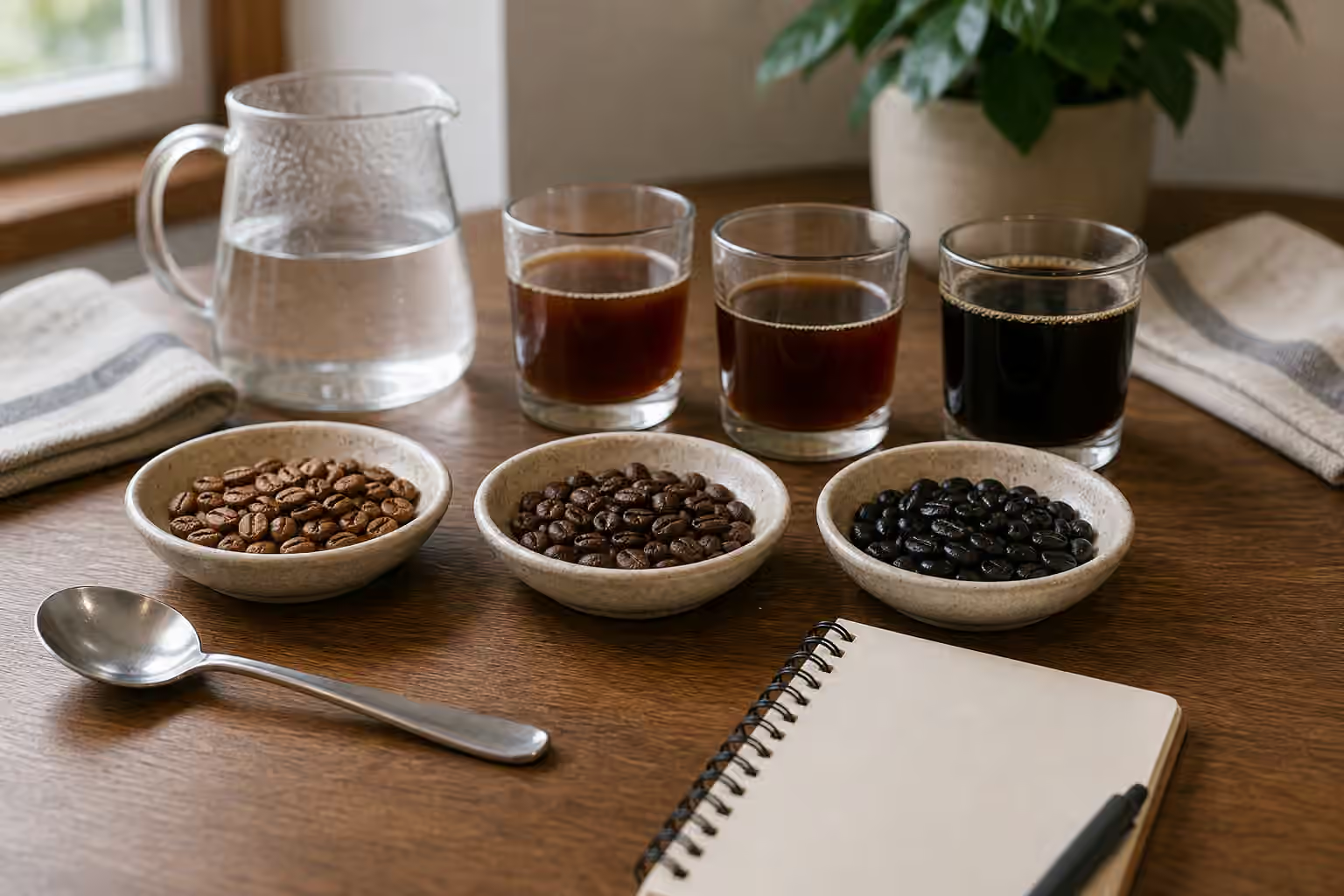
The words on a coffee bag can make buying beans feel more complicated than brewing them. One shelf promises a single farm, another points to a regional lot, and the house blend sits nearby with a friendlier price and a flavor description that sounds reassuringly broad. None of those options is automatically better. They are tools built for different kinds of drinking.
A single-origin coffee asks you to notice a place, a harvest, a process, or a producer’s choices. A blend asks you to trust a roaster’s composition. The first can feel vivid and seasonal. The second can feel steady and complete. Once that distinction is clear, the decision becomes less about status and more about use. The best bag for a quiet weekend pour-over may not be the best bag for weekday cappuccinos, and the coffee that shines in a cupping bowl may not be the one you want to drink every morning.
If you are still building the larger map of bean choice, start with Coffee Beans and Origins . This guide sits beside them and answers a narrower question: when should you reach for a blend, when should you reach for a single origin, and what should you expect from each once the water hits the grounds?
What Single Origin Really Means
Single origin is a broad phrase. Sometimes it means coffee from one country. Sometimes it means one region, cooperative, estate, farm, variety, or even one separated lot from a specific part of a farm. The more precise the label, the more the roaster is asking you to pay attention to a particular expression. A washed coffee from one hillside in Colombia may taste structured, citrusy, and sweet. A natural coffee from Ethiopia may taste floral, berry-like, and aromatic. A honey processed coffee from Costa Rica may land between those poles, with fruit and caramel sharing the same cup.
That specificity is the pleasure. Single origins make coffee feel agricultural. They remind you that coffee is not one flavor but a chain of plant variety, soil, weather, picking, processing, drying, shipping, roasting, and brewing. The Processing guide explains how washed, natural, honey, and other methods change the cup, and single origins often make those changes easier to taste because fewer components are speaking at once.
The tradeoff is variability. A single-origin coffee may be beautiful for a few weeks, then disappear until the next harvest. Another lot from the same country may taste very different. Even the same bag can be less forgiving if you brew it casually. Bright coffees can turn sharp when under-extracted. Delicate coffees can flatten when the grind is too coarse, the water is dull, or the roast has rested too long. That is not a defect. It is part of drinking something specific.
What Blends Are Designed To Do
A blend is not just leftover coffee mixed together. At its best, it is a deliberate recipe. A roaster may use one component for chocolate and body, another for brightness, and another for sweetness or aromatic lift. The goal might be balance in a filter brewer, steadiness in a batch brew, or enough presence to cut through steamed milk. Blends are especially useful when the final drink needs reliability more than novelty.
Espresso shows this clearly. A single-origin espresso can be thrilling, but it can also be demanding. Small grind changes may swing the shot from sour to bitter, and a coffee with high acidity may taste electric straight but severe in a cappuccino. A blend can round those edges. It can combine the body of a Brazil, the sweetness of a Central American coffee, and the brightness of an East African component so the shot tastes complete across a wider range of conditions. If you are working through Espresso Dialing In , a forgiving blend often makes the learning curve less punishing.
Blends also help roasters maintain a house flavor through seasonal change. Coffee harvests move around the globe during the year. A roaster who wants a chocolate-forward espresso blend in every season may adjust components while keeping the finished profile familiar. That steadiness is useful for cafes and home drinkers alike. You can buy the same blend repeatedly and expect the cup to remain recognizable, even if the exact farms behind it shift over time.
Match the Bag to the Brew
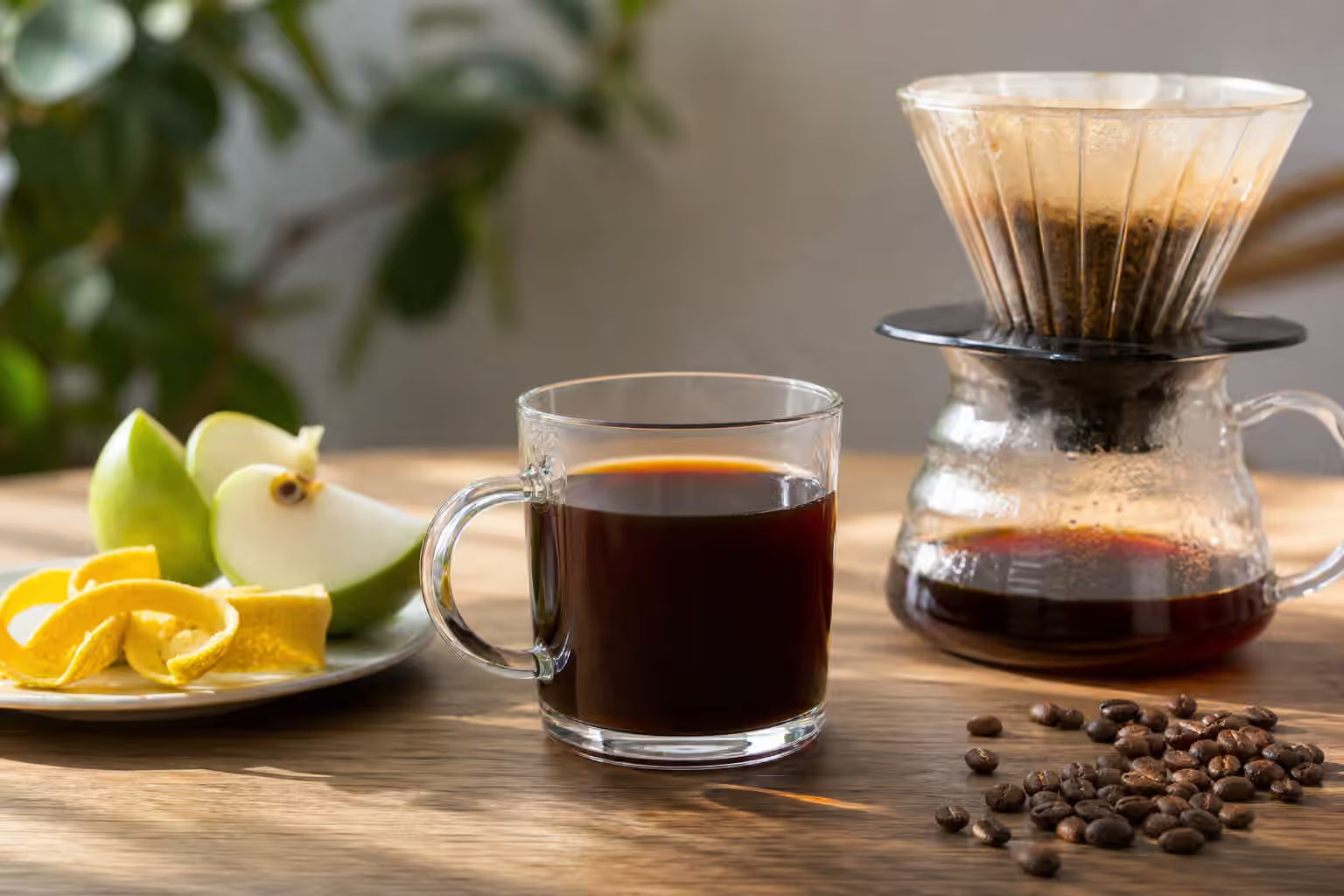
Brewing method changes which choice makes sense. Pour-over and other clear filter methods often flatter single origins because they reveal acidity, aroma, and finish. A washed Kenyan coffee with blackcurrant brightness or a floral Ethiopian coffee can feel most alive when brewed through paper with careful pouring. The Pour-Over Technique guide is useful here because even saturation and controlled flow help distinctive coffees show their best side.
Immersion methods can make both styles work, but they emphasize body and comfort. French press can turn a blend into a plush morning cup, while an AeroPress can soften the sharper edges of a bright single origin. Automatic drip favors coffees that are balanced enough to handle a larger batch, which is why house blends often feel natural there. The machine’s water pattern and basket shape may not give a fragile coffee the same attention a hand pour would.
Milk drinks change the question again. Milk mutes acidity, rounds bitterness, and adds sweetness and texture. A single origin with a delicate jasmine note may vanish in a large latte. A blend with cocoa, nut, caramel, or dried fruit tones may carry through beautifully. That does not mean single origins never belong in milk. A small flat white with a sweet, bright coffee can be excellent. It only means the coffee must have enough structure to stay audible after milk enters the cup. Milk Steaming and Microfoam explains the milk side of that balance.
Read Flavor Notes Without Overbelieving Them
Flavor notes are clues, not promises. A bag that says strawberry, rose, and black tea is telling you how the coffee reminded the roaster’s tasters under their conditions. Your grinder, water, recipe, and palate will translate those notes differently. Single-origin notes tend to be more specific because the coffee itself is more specific. Blend notes often lean broader because the blend is trying to land in a stable zone: chocolate, caramel, nuts, citrus, brown sugar, dried fruit.
The most useful habit is to read flavor notes as direction. If you enjoy clarity and brightness, look for citrus, floral, stone fruit, berry, tea, or wine-like language. If you enjoy comfort and body, look for chocolate, nut, caramel, molasses, spice, or round sweetness. Then brew and taste plainly. The Coffee Tasting Notes guide can help you separate what the bag says from what the cup actually gives you.
Roast level matters just as much as origin style. A light roast blend can still taste bright and articulate. A medium single origin can still feel sweet and approachable. A very dark single origin may hide much of the place-specific character you paid for. The Roasting guide explains why heat can either preserve origin detail or shift attention toward roast flavor.
A Practical Buying Rhythm
Many home brewers do best with one dependable coffee and one curiosity coffee. The dependable coffee might be a blend you know how to brew half-awake. It keeps mornings calm and gives you a baseline for judging equipment, water, and technique. The curiosity coffee might be a single origin that teaches you something: a washed Ethiopian, a natural Brazil, a honey processed Costa Rican, a Colombian from a familiar region roasted a little lighter than usual.
This rhythm prevents two common frustrations. If every bag is experimental, you never know whether a bad cup came from the coffee, the grind, or the recipe. If every bag is the same, your palate stops learning. One stable choice and one exploratory choice give you both comfort and progress. Use the Coffee Dial-In Log to keep those experiences separate. A few notes about grind, ratio, method, and taste will teach you faster than trying to remember last Tuesday’s cup.
Freshness should guide quantity. Buy enough to brew while the coffee still tastes lively, and avoid treating a special single origin like a museum piece. Coffee is made to be drunk. If a bag is expensive or limited, brew it with care, share it while it is fresh, and take notes on what you liked. If a blend is inexpensive and steady, give it the same respect. A humble blend brewed well is better than a rare coffee brewed carelessly.
The Right Choice Is Context
Single origins are not more serious than blends. Blends are not less honest than single origins. They answer different questions. A single origin asks, “What can this coffee be when its specific character is allowed to show?” A blend asks, “What can these coffees become together when balance, stability, and purpose matter?”
Choose single origins when you want to learn, compare, taste place, or enjoy a coffee that changes with the season. Choose blends when you want repeatability, comfort, milk-drink strength, or a house flavor you can return to without recalibrating your whole morning. The more you brew, the less you need one category to win. You need the bag that fits the cup in front of you.