Bitterness belongs in coffee. That sentence matters because many brewing conversations treat bitterness as a failure to remove. Coffee is a roasted seed brewed with hot water, so some bitter structure is part of its character. Espresso without any bitterness can taste thin and candy-like. Dark roast without any bitter edge would not taste like dark roast. Even a bright filter coffee needs enough low structure to keep acidity from floating away.
The problem is not bitterness itself. The problem is bitterness that turns harsh, ashy, medicinal, woody, or dry. A balanced bitter note can remind you of cocoa, toasted nuts, black tea, grapefruit peel, molasses, or dark caramel. A rough bitter note stays after the sip and makes the mouth feel scraped. That drying sensation is often astringency, and it deserves its own attention. The broader Coffee Troubleshooting guide helps diagnose sour, bitter, weak, and muddy cups. This guide separates the bitter family so the fix is less blunt.
Bitterness Is Taste, Astringency Is Feel
Bitterness is one of the basic tastes. You notice it on the palate as a flavor impression. Astringency is more tactile. It feels drying, puckering, chalky, or rough, as if moisture has been pulled from the tongue and cheeks. Black tea steeped too long is a familiar comparison. The drink may taste bitter, but the memorable part is the way it dries your mouth after you swallow.
Coffee can be bitter without being astringent. A well-made espresso may have a dark chocolate edge that gives the shot shape while the finish stays sweet and clean. Coffee can also feel astringent without tasting extremely bitter at first. A pour-over that stalled through too many fines may seem acceptable on the first sip, then leave a papery dryness that keeps building. That finish is important evidence.
This distinction prevents overcorrection. If a cup has pleasant cocoa bitterness but feels too strong, a ratio adjustment may help. If it has a drying finish, the problem may be over-extraction, fines migration, dirty gear, poor water, or a roast that has been pushed beyond your preference. Adding milk or water can soften the cup, but it does not identify why the roughness appeared.
Where Useful Bitterness Comes From
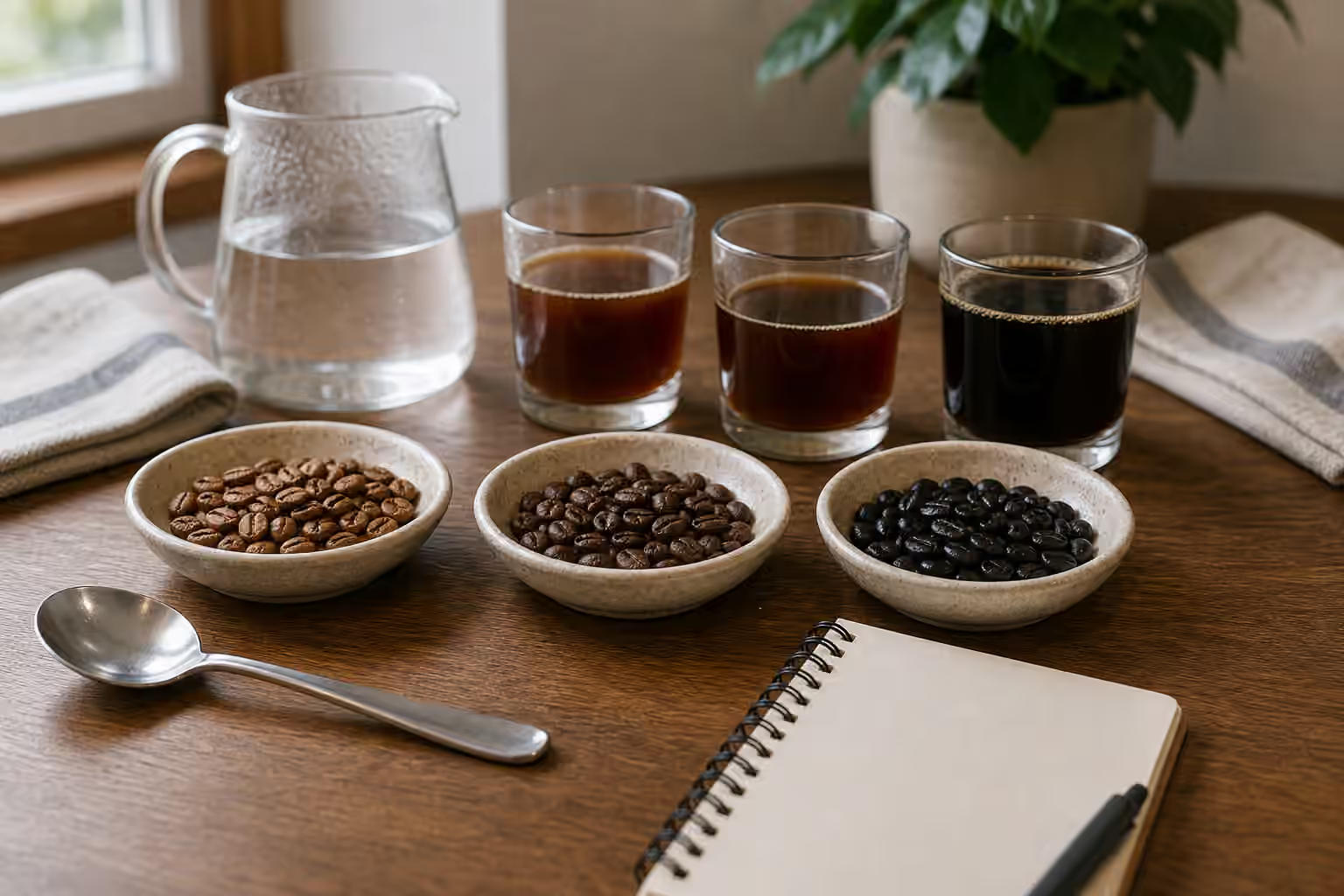
Roast level shapes bitterness before brewing begins. As coffee roasts darker, sugars caramelize, acids soften, and roast flavors become more prominent. Medium-dark and dark roasts can bring bittersweet chocolate, toasted bread, roasted nuts, smoke, and molasses. Some drinkers want those flavors, especially in espresso, moka pot, French press, and milk drinks. The Dark Roast Coffee guide focuses on brewing that style without letting harshness take over.
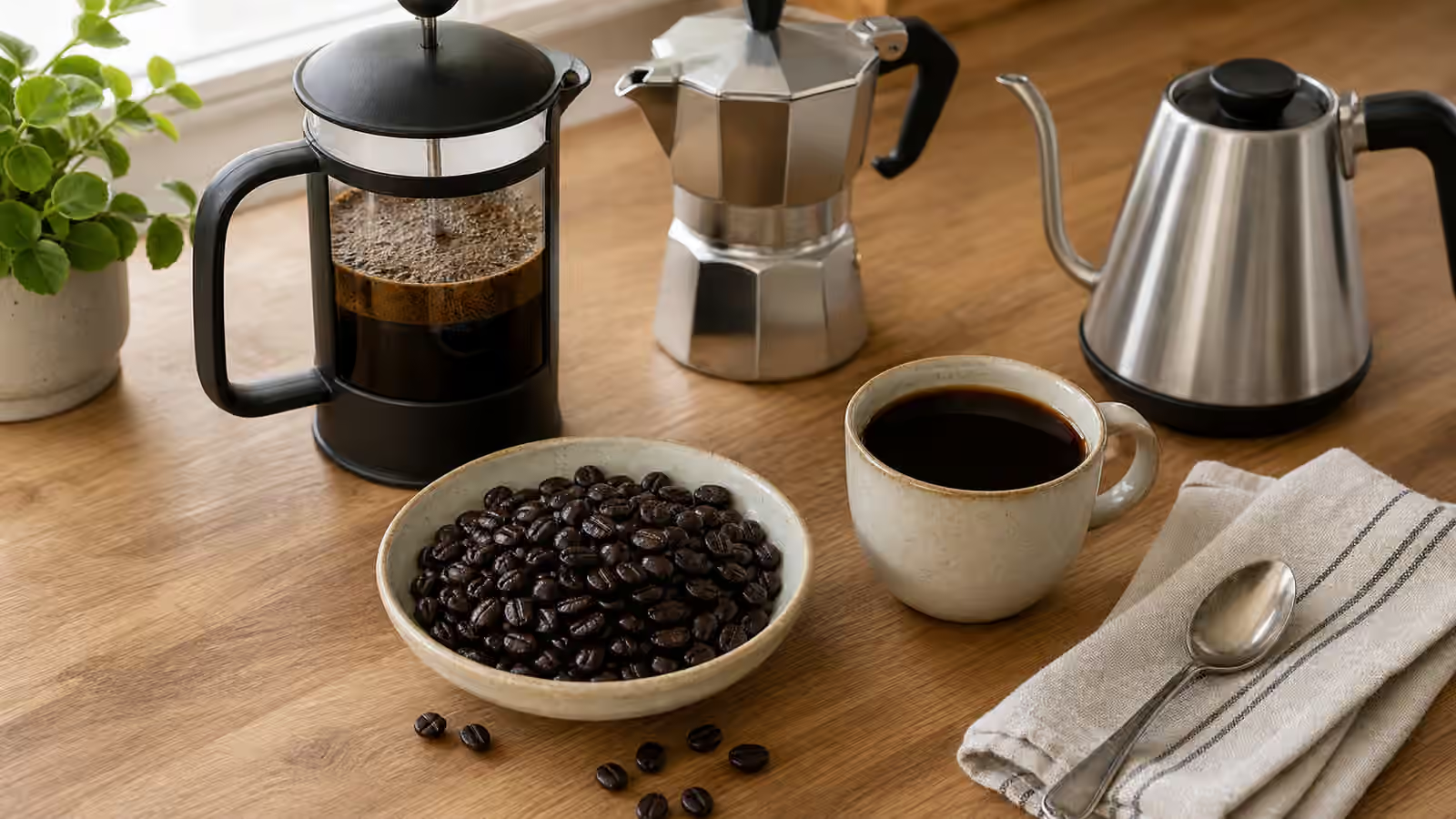
Brewing method also changes how bitterness reads. Espresso concentrates everything, so a small amount of bitterness can feel intense and satisfying. Moka pot produces a strong cup where roast character shows clearly. French press carries oils and fine particles that can make bitterness feel rounder or heavier. Paper-filtered pour-over removes much of that texture, so bitter notes may seem cleaner or more exposed depending on the coffee.
Context matters. Bitterness in a tiny espresso after dinner may feel elegant. The same intensity in a large mug may feel tiring. A coffee that tastes excellent with milk may seem too bitter black because milk adds sweetness, fat, and texture. Coffee for Milk Drinks explains why a coffee needs enough structure to remain visible after dairy or plant milk joins the cup.
Harsh Bitterness Often Points to Over-Extraction
Over-extraction happens when water pulls too much from the coffee, especially from fine particles or from a bed that drains too slowly. The cup may taste woody, dry, medicinal, ashy, or hollow in a dark way. The first sip might seem strong and respectable, but the finish gives it away. Balanced coffee finishes with a flavor that belongs to the cup. Over-extracted coffee keeps scraping after the flavor has faded.
The usual levers are grind, time, temperature, agitation, and flow. A grind that is too fine can slow water and expose too much surface area. A brew that sits too long can keep dissolving rough material after sweetness has peaked. Very hot water can overwork brittle dark roasts. Aggressive stirring or swirling can move fines into the filter and stall the end of a pour-over. The Coffee Extraction guide gives the full framework, but bitterness often asks you to look at the tail end of the brew.
Uneven extraction can be worse than simple over-extraction. If water channels through one part of the bed while another part remains underused, the finished cup can taste sour and bitter together. In that case, grinding coarser may reduce harshness but leave the cup hollower, while grinding finer may raise sweetness in one area and increase bitterness in another. The guide to Coffee Bypass and Even Extraction is useful when bitterness arrives with contradiction.
Fines, Filters, and Sludge Can Dry the Finish
Fine particles extract quickly. They also move. In pour-over, they can clog the lower filter and stretch the drawdown. In French press, they can remain suspended and make the last half of the mug feel dusty. In espresso, they can contribute to density when everything is balanced or to harshness when the puck flows unevenly. Fines are not evil, but too many in the wrong place often make bitterness feel rougher.
Filter choice decides how much physical material reaches the cup. Paper filters usually reduce sediment and produce a cleaner finish. Metal filters let more oils and fines through, which can add body but also a lingering edge. Cloth can be soft and pleasant when clean, but stale cloth can make coffee taste dull and sour. Coffee Filters and Coffee Body and Mouthfeel both help separate flavor from texture.
If a cup tastes bitter mainly near the bottom, sediment may be part of the issue. Let immersion coffee settle longer, pour more gently, stop before the last sludge enters the mug, or use a cleaner filtration method. If a pour-over tastes dry after a slow stall, coarsen slightly, reduce agitation, or check whether the grinder is producing too many fines for that brewer.
Cleanliness and Water Can Mimic Brewing Problems
Old coffee oils are bitter in a tired way. They cling to grinder chutes, carafes, travel mug lids, French press screens, portafilters, and reusable filters. Fresh beans brewed through stale residue can taste as if the roast is too dark or the extraction is too high. Before making dramatic recipe changes, smell the empty warm brewer or mug. If it smells like yesterday, it will join today’s cup.
The Clean Coffee Gear guide is one of the most direct bitterness fixes because residue is both flavor and texture. Cleaning does not make a dark roast light, and it does not rescue a bad recipe, but it removes a layer of stale bitterness that often gets blamed on beans.
Water can also push bitterness into harshness. Heavy mineral water may make coffee feel chalky or overbearing. Chlorinated water can make bitter notes taste chemical. Very low-mineral water can under-extract in a way that leaves acidity exposed and bitterness disconnected. When every coffee has the same rough edge, Water Quality for Coffee is worth revisiting before chasing grinder settings forever.
Adjust Toward Clean Structure
When bitterness is useful, the cup still has sweetness, body, and a finish that makes sense. When bitterness is harsh, the finish gets dry, ashy, or stale. To move from harshness toward structure, make one calm change. Grind a little coarser if flow was slow. Shorten contact time if immersion tasted woody. Use slightly cooler water for brittle dark roasts. Pour with less violence if fines seem to be clogging the bed. Clean the filter or carafe if the bitterness tastes old rather than extracted.
Do not try to erase every bitter note. A coffee with no bitter backbone can taste flat, especially if it is meant for espresso, moka pot, milk, or a comforting morning mug. The better goal is bitterness that acts like contrast. It frames sweetness, steadies acidity, and leaves a finish that invites another sip instead of punishing the last one.