Coffee recipes look easy to scale until the larger pot tastes nothing like the single cup. Double the coffee, double the water, and the ratio remains the same, but the brew bed is deeper, heat behaves differently, drawdown changes, and the brewer may distribute water less evenly. A recipe is not only a ratio. It is a physical event. Batch size changes the shape of that event.
This does not mean scaling has to be complicated. It means the first version of a scaled recipe is a starting point, not a promise. The Coffee Brewing Ratios guide gives the backbone: coffee weight compared with water weight. This guide adds the practical question that appears in kitchens every week. How do you make one cup, two mugs, or a table-sized pot without losing the balance that made the recipe good in the first place?
Ratio Scales Cleanly, Extraction Does Not
If a single cup uses 20 grams of coffee and 320 grams of water, the ratio is 1:16. A larger 40 gram brew with 640 grams of water uses the same ratio. The finished strength should land in a similar neighborhood if extraction also stays similar. That last clause is where the work lives.
Extraction changes because water does not move through a larger bed the same way it moves through a smaller one. A deeper bed can slow flow and increase contact time. A wider bed can become shallow and uneven if the brewer was not designed for that amount. A larger dose can trap more fines and extend the final drawdown. A smaller dose can drain too quickly because there is not enough bed depth to resist the water.
This is why a scaled recipe may need a grind adjustment. Larger percolation brews often ask for a slightly coarser grind than the single-cup version because the bed is deeper and contact time increases. Very small brews may ask for a slightly finer grind or a brewer with a narrower geometry because the water otherwise races through. The Grind Size Guide helps read those changes by taste instead of treating grind as a fixed setting.
Brewer Geometry Sets the Useful Range
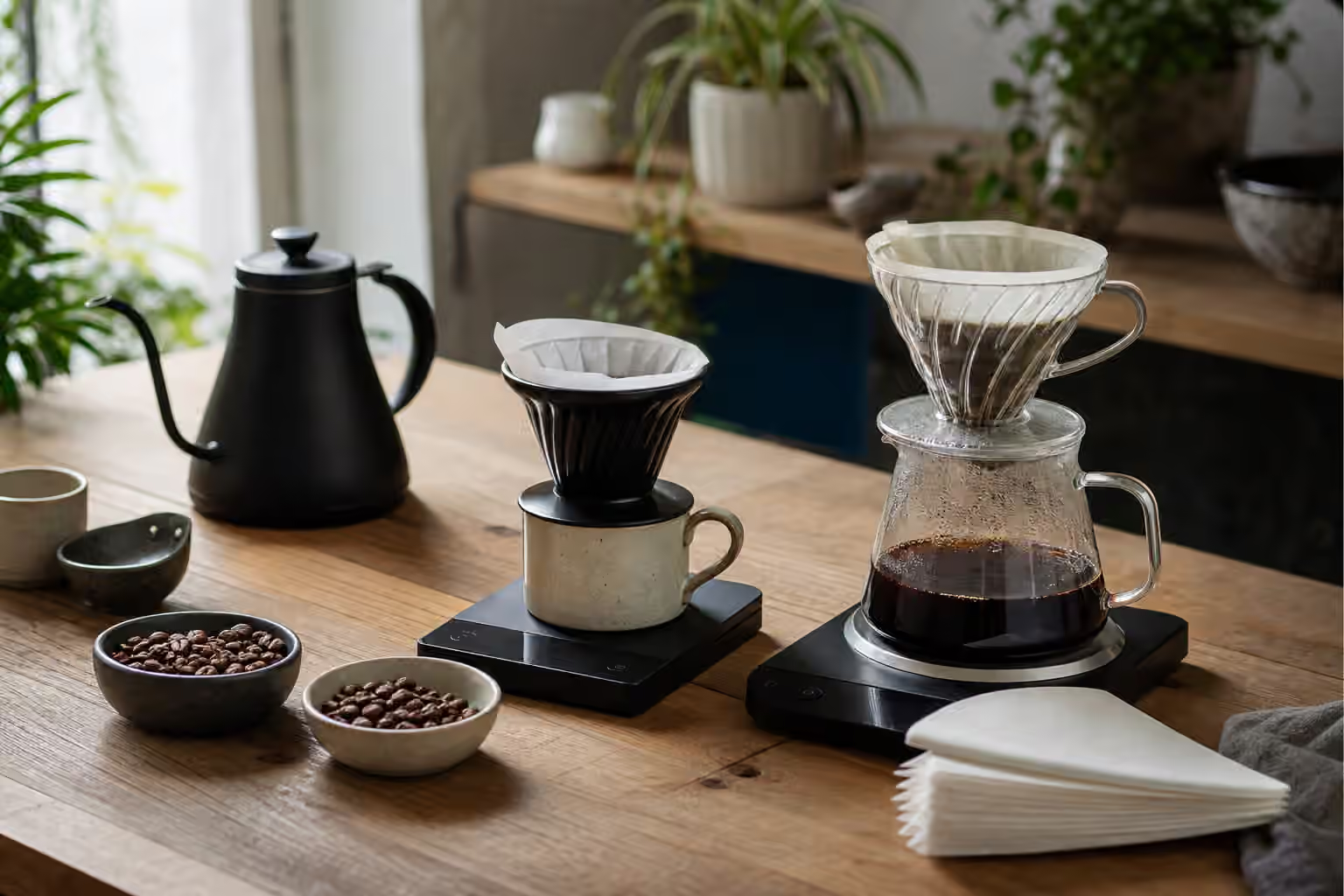
Every brewer has a comfortable range. A V60 can make a beautiful single cup, but very large doses may stall or extract unevenly unless grind and pour pattern change. A Chemex is graceful for shared cups, but tiny brews can feel awkward because the thick filter and large cone dominate the process. A French press can scale easily within its physical capacity, but a half-empty press may lose heat faster and a very full press may be harder to pour cleanly.
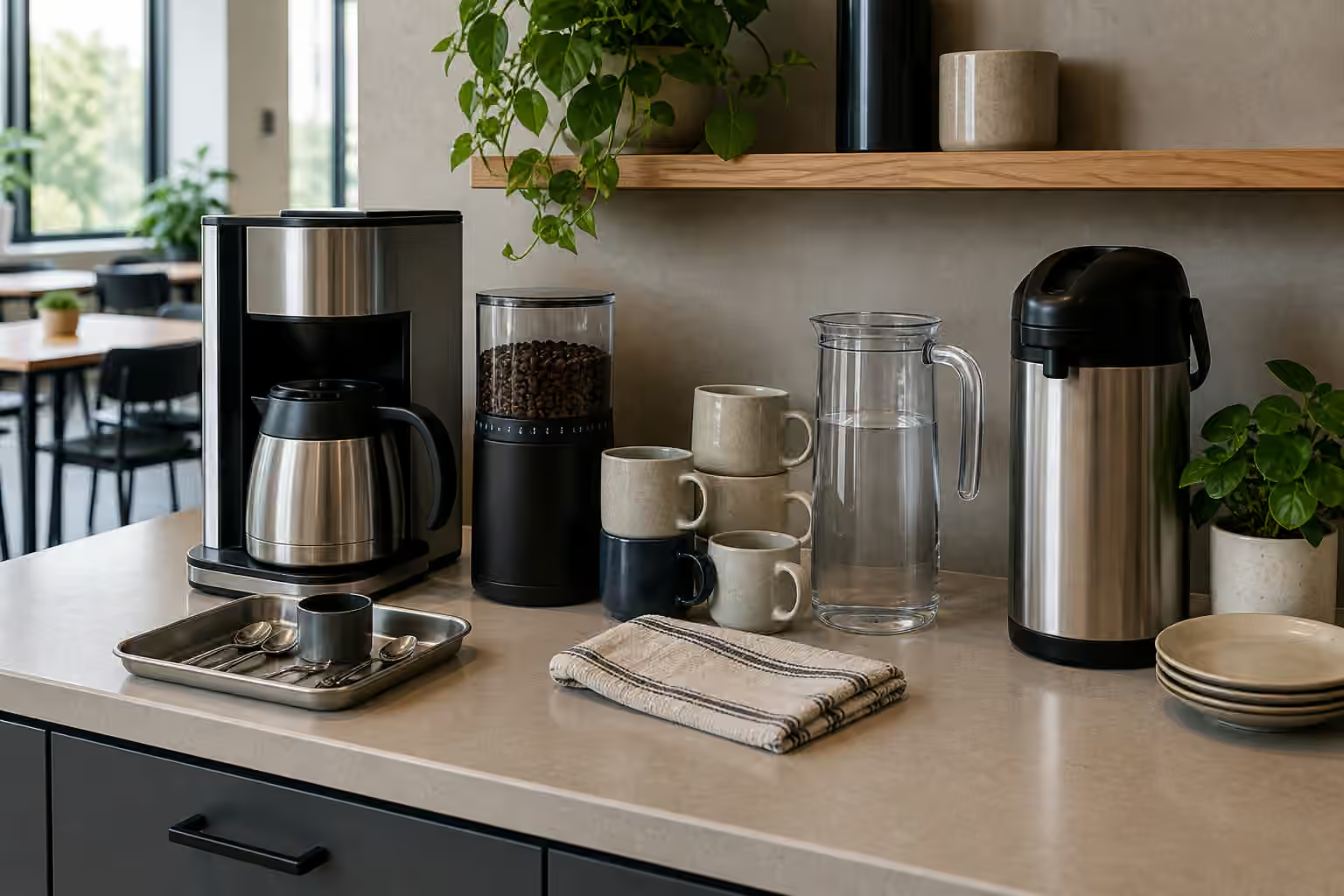
Automatic drip machines are especially sensitive to size because the machine controls the pour. Many perform best in the middle or upper part of their capacity. A tiny batch in a wide basket can leave a shallow bed that the shower head wets unevenly. A full basket with a fine grind can overflow or produce a dry finish. Automatic Drip Coffee covers the machine-specific details, but the larger lesson is simple: do not assume one batch size represents the brewer’s whole personality.
Immersion brewers scale differently because water and grounds sit together. French press, Clever-style drippers, and AeroPress recipes are less sensitive to pour distribution, though not immune to size. A larger French press holds heat well but needs clean decanting so the last cups do not oversteep on the grounds. A small AeroPress has a practical capacity limit, so making coffee for several people may require a concentrate and bypass water rather than a literal doubled brew.
Heat Loss Changes Small and Large Brews
Small brews lose heat quickly. A cold mug, cold dripper, cold server, or drafty counter can pull heat from a one-cup brew before extraction finishes. This can make the cup taste sour, thin, or muted even when the recipe is reasonable. Preheating the brewer and mug helps more than people expect because there is not much liquid mass to spare.
Large brews have the opposite problem after brewing. They may stay hot longer, but if they sit on a hot plate or in a glass carafe for too long, the coffee can taste cooked, bitter, and flat. A thermal server protects flavor better than continued heat. Brewing Coffee for Guests treats this from the hosting angle, but it applies to ordinary households too. A good large batch can become a tired large batch if holding is an afterthought.
Brewing temperature and serving temperature are related but not identical. Hot water must extract the coffee. Finished coffee must remain pleasant to drink. Scaling asks you to care about both. A small pour-over may need preheating to extract well. A large pot may need quick transfer to avoid cooking after extraction is complete.
Pouring Does Not Scale Like Math
Manual pour-over recipes often describe pours by weight and time. Those numbers may scale, but your hand and kettle do not behave like a spreadsheet. A larger brew requires more total water, which may mean longer pours, larger pulses, or a higher slurry level. If the bed rises too high, water can ride the filter wall. If the pour is too timid, the brew may stretch too long. If the pour is too aggressive, fines migrate and the filter clogs.
A good scaled pour keeps the same intention rather than the same choreography. Wet the bed thoroughly at the start. Keep the slurry active but not violent. Avoid pouring down bare paper. Watch whether the brew drains steadily. Taste the finished cup as it cools. The Coffee Bypass and Even Extraction guide becomes more important as batches grow because uneven water paths are amplified in larger beds.
For very small pour-overs, the problem is often insufficient bed depth. The water may drain before it extracts enough sweetness. A smaller dripper, a flat-bottom brewer with suitable filters, a slightly finer grind, or a recipe with careful pulses can help. Sometimes the best answer is not forcing a large brewer to make a tiny cup. Use a brewer whose shape fits the dose.
Strength Preferences Do Not Scale Across People
Scaling for more coffee often means scaling for more palates. One person may like a bright, light cup. Another may add milk. Someone else may want a smaller but stronger pour. A shared batch should usually aim for balance and flexibility rather than maximum intensity. Medium roasts and balanced blends often work because they tolerate black coffee, milk, and a range of serving temperatures.
Milk and sugar change the target. A batch meant for black coffee can be lighter and more aromatic. A batch mostly served with milk may need a little more strength and body so it does not disappear. The guide to Coffee for Milk Drinks is written around espresso, but the principle applies to drip and press coffee as well. Additions soften coffee; they do not create coffee presence from nothing.
When brewing for yourself, scale around your actual mug rather than a machine’s cup marks. Many carafe markings describe small servings, not the ceramic mug on your desk. Weigh the water once and learn what your favorite mug really holds. That one boring measurement prevents many weak weekday batches.
Keep a Separate Setting for Common Batch Sizes
The most practical approach is to treat common batch sizes as separate recipes. Your one-cup pour-over, two-mug morning brew, full drip carafe, and guest French press do not need to share one grind setting. They need their own stable starting points. Write them down in the Coffee Dial-In Log or keep a small note near the grinder.
The note does not need to be elaborate. Coffee, dose, water, grind, brewer, time, and a plain taste impression are enough. If the full carafe always tastes dry, move that recipe coarser. If the small batch always tastes thin, adjust that one finer or use a different brewer. Over time, your kitchen stops relying on memory and starts relying on evidence.
Scaling coffee well is a matter of respecting size. Ratio gives you the first calculation. Brewer geometry, heat, grind, flow, and serving decide whether that calculation tastes good. When a larger or smaller batch fails, do not assume the original recipe was wrong. It may simply need to be translated into a different physical shape.