A coffee bag is part label, part invitation, and part puzzle. It may tell you the country, region, farm, variety, process, roast date, roast level, tasting notes, and brewing suggestions. It may also tell you almost nothing beyond a blend name and a mood. Learning to read those clues does not mean becoming suspicious of every bag on a shelf. It means knowing which details usually affect the cup, which ones are mostly style, and how to buy coffee that fits the way you actually brew.
The goal is not to find the most decorated label. Some excellent coffees arrive in plain packaging, and some ordinary coffees wear a long paragraph of romance. The useful habit is matching the bag to flavor, freshness, and method. If you already know the broad ideas in Coffee Beans , Origins , and Processing , the label becomes less intimidating. It starts to read like a set of brewing hints.
Roast Date Tells You Where the Clock Started
The most practical label detail is the roast date. Coffee does not become better simply because it was roasted yesterday, but a roast date tells you where the freshness story begins. A bag with a clear date gives you more control than a bag with only a distant best-by date. You can decide whether to rest it for espresso, brew it soon as filter coffee, or finish it before aroma fades.
The freshness window depends on roast level, density, processing, storage, and brewing method. The guide to Coffee Freshness and Resting explains that very fresh coffee can taste unsettled, especially under espresso pressure. A bag roasted a few days ago may need patience. A bag roasted several weeks ago may still brew beautifully if it was sealed well and tastes alive. The roast date is not a trophy. It is a reference point.
Be cautious with labels that hide time completely. A sealed bag can protect coffee, but it cannot stop aging. If a roaster chooses not to print a roast date, you have less information. That does not make the coffee undrinkable, especially for darker roasts or grocery blends meant for broad consistency, but it does make precise brewing harder. If you care about dialing in, a date is worth seeking.
Origin Can Describe a Place or a Blend
Origin information tells you where the coffee grew, but the level of detail varies. A country name gives a broad clue. A region narrows the clue. A farm, cooperative, washing station, or producer name can tell you that the coffee came through a more specific channel. More detail often means the roaster is trying to preserve identity from harvest to bag, but detail alone is not a guarantee of flavor.
Single-origin coffee comes from one defined source, though that source may still be a farm, cooperative, washing station, or regional lot. Blends combine coffees to create balance, consistency, or a particular use. The choice between them is not a moral question. A single origin can be expressive and surprising. A blend can be stable and delicious, especially for espresso or milk drinks. Coffee Blends and Single Origins is useful if you find yourself choosing by prestige rather than purpose.
Use origin as a flavor clue, not a rigid rule. Ethiopian coffees are often floral or fruit-toned, but not every Ethiopian coffee tastes like berries. Brazilian coffees often bring chocolate and nuts, but roast and processing can change the impression. Indonesian coffees can be earthy and full-bodied, but some are cleaner than the stereotype. Origin points you toward a likely neighborhood. Taste decides the address.
Processing Shapes the Fruit, Sweetness, and Clarity
Processing is one of the strongest flavor clues on a bag. Washed coffees are usually described as clean, bright, and articulate because the fruit is removed before drying. Natural coffees dry in the fruit and often show heavier body, berry-like sweetness, or fermented complexity. Honey and pulped-natural processes sit between those poles, depending on how much mucilage remains during drying. Wet-hulled coffees, common in parts of Indonesia, can taste earthy, herbal, and full.
Those descriptions are tendencies, not promises. A washed coffee can still be sweet and round. A natural coffee can be clean rather than wild. What processing gives you is a starting expectation. If you love clear citrus, florals, and tea-like structure, washed lots are often worth exploring. If you want jammy fruit, roundness, and a heavier aroma, natural or honey processes may be more satisfying. The Coffee Processing Methods guide goes deeper into why these differences appear.
Processing also affects brewing. A very fruity natural coffee may taste exciting in immersion but crowded in a narrow pour-over recipe. A delicate washed coffee may shine through a Chemex or other clean paper filter. A heavier process coffee may hold up well in milk or in a French press. Read the label, then choose a method that lets the coffee’s strengths show instead of forcing every bag into the same recipe.
Variety and Elevation Are Supporting Clues
Coffee variety names can be fascinating, but they are easy to overvalue on a bag. Bourbon, Typica, Caturra, SL28, Gesha, and many other varieties can influence flavor, yield, disease resistance, and structure. Still, variety works together with terroir, processing, roast, and brewing. A famous variety grown poorly or roasted carelessly will not taste great because the label says the right word.
Elevation is similar. Higher elevation often correlates with slower cherry development, denser beans, and brighter acidity, but it is not a simple quality score. Different countries use different altitude ranges, and climate matters as much as the number. A lower-elevation coffee from a careful producer can taste better than a high-elevation coffee handled poorly. Treat elevation as context, especially when comparing coffees from the same region.
These details become more useful as your tasting memory grows. If you notice that high-grown washed Central American coffees often give you the citrus and caramel balance you like, the label helps you repeat that pleasure. If a particular variety keeps tasting floral and delicate in your brewer, remember it. The Coffee Tasting Notes guide helps turn those impressions into language you can use next time you shop.
Roast Level Should Match the Job
Roast level is one of the quickest ways to choose a bag for a purpose. Light roasts tend to preserve acidity, florals, fruit, and origin character. Medium roasts often balance sweetness, body, and clarity. Darker roasts emphasize roast flavor, bitterness, chocolate, smoke, and lower acidity. Those are broad patterns, and roasters use terms differently, but the pattern is still useful.
If you brew mostly pour-over and want clarity, a light or medium-light roast may fit. If you use automatic drip for a morning pot, a medium roast can be forgiving. If you make milk drinks, a medium or medium-dark espresso blend may hold its shape better than a delicate floral single origin. If you use moka pot or French press and enjoy deeper flavors, a darker roast may feel right. Coffee for Milk Drinks is especially helpful when the bag needs to work with milk instead of being judged only as a straight cup.
Watch for vague roast language. One roaster’s medium may be another roaster’s light. The beans themselves can give clues: oily surfaces usually indicate a darker roast, while dry light-brown beans usually sit lighter. Taste matters more than the label’s confidence. If a bag says bright and floral but brews smoky and oily, trust the cup.
Tasting Notes Are Suggestions, Not Assignments
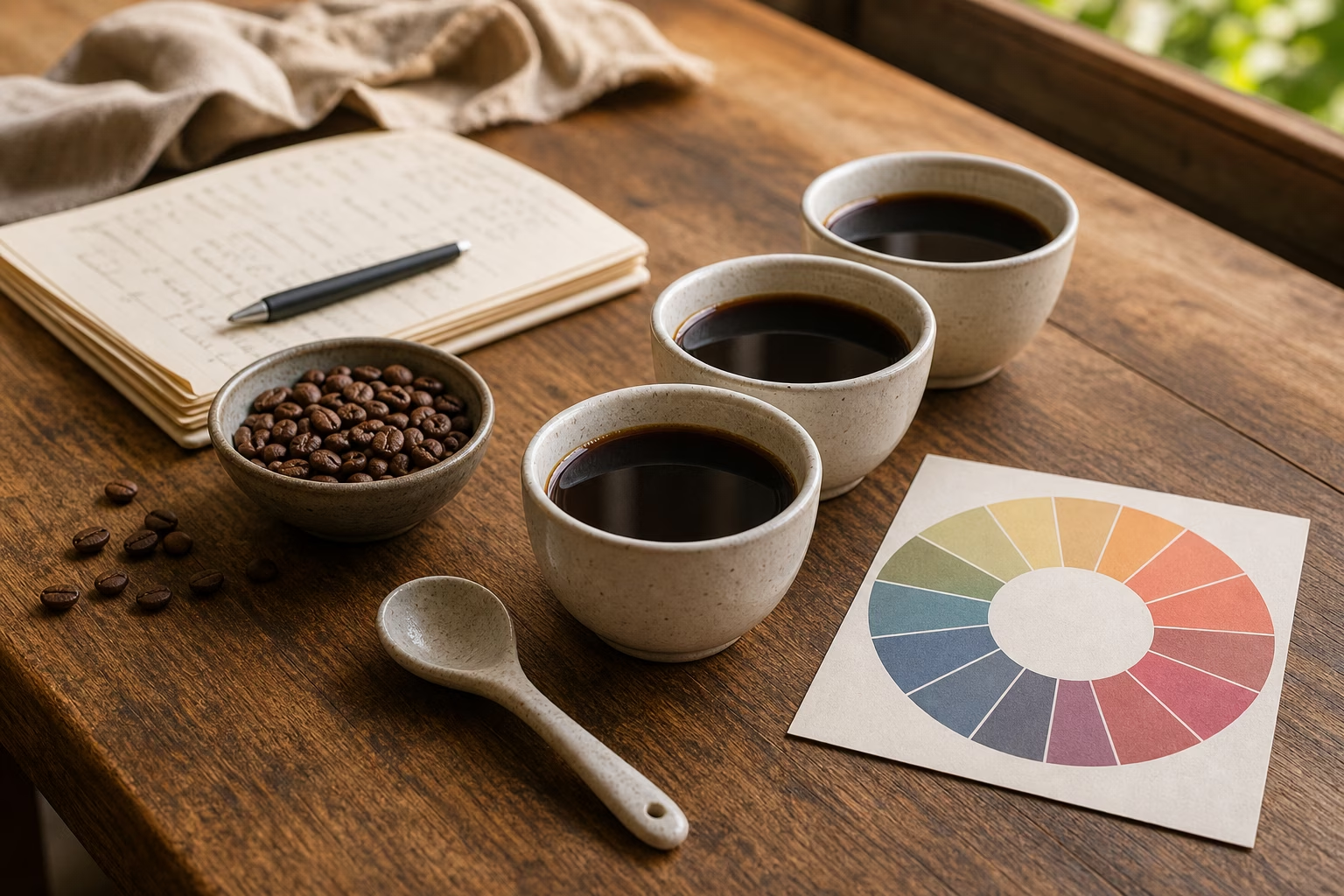
Tasting notes can help, but they are not ingredients and not a test you must pass. A bag that says peach, honey, and jasmine will not taste like sweetened fruit tea to everyone. Those words are comparative. They point toward acidity, sweetness, aroma, texture, and finish. You may taste apricot instead of peach, orange blossom instead of jasmine, or simple sweetness instead of honey. That still means the label helped.
The most useful notes are specific enough to guide preference but not so fanciful that they become decoration. Chocolate, almond, and caramel suggest a comfortable, lower-acid profile. Lemon, black tea, and florals suggest brightness and clarity. Blueberry, strawberry, or winey notes suggest fruit-forward processing or origin character. Spice, cedar, or tobacco may suggest darker roast, certain origins, or earthy processing. Use the notes to choose a direction, then let your own palate edit the description.
If every coffee tastes unlike the label, check the brewing variables before blaming yourself. Grind, water, freshness, ratio, and equipment cleanliness can all mute a coffee’s advertised character. The Water Quality for Coffee guide matters here because poor water can flatten the very notes a roaster is trying to describe.
Buy for the Next Brew, Not an Imaginary Shelf
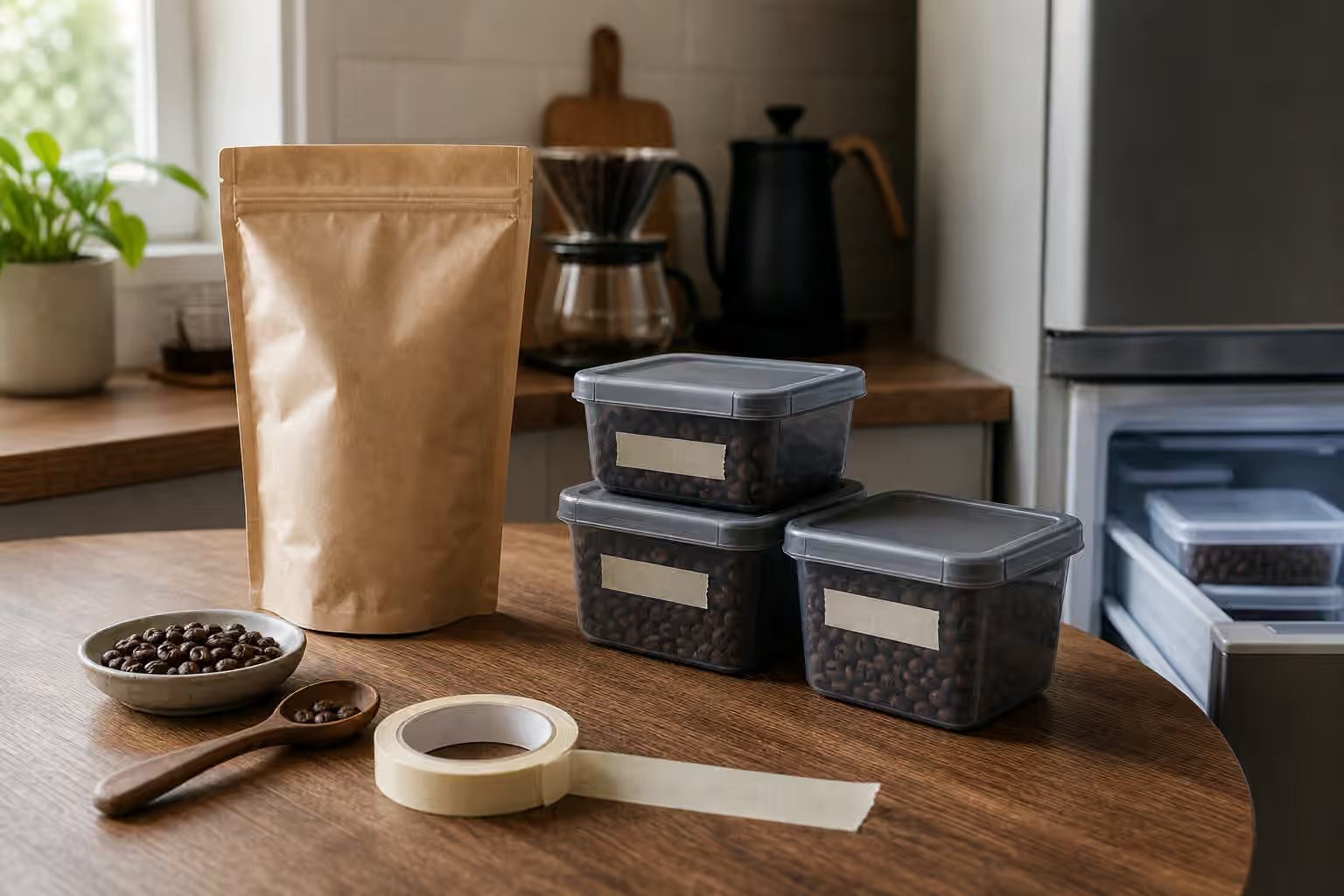
The best bag is the one you can finish while it still tastes good and brew with the gear you own. A rare light roast is a poor choice if you only want a chocolatey automatic drip pot before work. A rich espresso blend is a poor choice if you are chasing transparent floral pour-overs. A huge bag is not a bargain if half of it goes stale before you reach it.
Start by asking what role the coffee needs to play. Daily milk drinks, weekend pour-over, office batch brew, decaf after dinner, and side-by-side cupping all benefit from different label clues. Then choose one new variable at a time. Try a different process from a familiar origin, or a different origin at a familiar roast level. Keep enough continuity that you can learn from the change.
Coffee labels become useful when they serve memory. You buy a bag, brew it, taste it, and connect the cup back to the printed clues. Over time, the words stop feeling like marketing fog. Roast date tells you when to brew. Origin and processing hint at flavor. Roast level points toward method. Tasting notes suggest what to look for. The bag does not decide whether the coffee is good. It gives you a better first question.