Acidity is one of the most misunderstood words in coffee because it sounds like a flaw before it sounds like flavor. People hear acid and think sour milk, stomach trouble, or a cup that bites back. In good coffee, acidity is usually closer to the brightness in ripe fruit, the lift in a crisp apple, or the clean edge that keeps sweetness from feeling heavy. It is not a separate ingredient poured into the brew. It is part of the way a coffee announces itself.
The useful distinction is not acidic versus not acidic. It is integrated versus exposed. A bright coffee can taste sweet, lively, and refreshing. A sour coffee tastes unfinished, thin, or sharp because acidity has nothing around it. The guide to Coffee Extraction explains that under-extraction often leaves acids in front before sweetness and body arrive. This guide slows down around acidity itself so you can tell when brightness belongs to the bean and when it is asking for a brewing change.
Brightness Needs Sweetness Nearby
Good acidity rarely stands alone. It has sweetness near it, even when the coffee is not sugary. Think of lemon curd rather than raw lemon juice, ripe apple rather than apple skin, or berry jam rather than a hard unripe berry. The acid gives shape, but sweetness makes the shape pleasant. When that supporting sweetness is missing, the cup can feel pointed and hollow.
This is why two cups can both be described as citrusy while tasting completely different. A washed Ethiopian coffee brewed well might taste like bergamot, lime zest, and black tea, with enough sweetness to make the brightness feel elegant. The same coffee brewed too coarse might taste like lemon peel in hot water. The flavor family is similar, but the structure is not. One has a center. The other has an edge.
Body also affects how acidity lands. A delicate paper-filtered coffee can make acidity seem precise because there is little sediment or oil in the way. A fuller immersion brew may soften the same coffee because body rounds the edges. Neither presentation is automatically better. If you like clarity, bright paper-filtered cups may feel clean and expressive. If you find them too sharp, a brewer with more body or a slightly shorter ratio may make the coffee easier to enjoy.
Origin, Processing, and Roast Set the Starting Point
Some coffees are naturally more acidity-forward than others. High-grown coffees from places such as Ethiopia, Kenya, Colombia, Guatemala, and Costa Rica often carry lively fruit or citrus impressions, though origin is never a guarantee. Variety, processing, farm practice, roast, and freshness all matter. The Coffee Origins Guide is useful for broad patterns, but the bag in front of you deserves its own tasting.
Processing changes the way brightness feels. Washed coffees often present acidity with clean lines, like citrus, apple, tea, florals, or stone fruit. Natural process coffees may wrap acidity in heavier fruit, winey aroma, or berry sweetness. Honey process coffees can sit between those worlds. If a natural coffee tastes intense and fruit-forward, that does not mean it has less acidity. It may simply carry that acidity inside more aromatic sweetness. Coffee Processing Methods gives the larger map behind those differences.
Roast level is the most visible dial. Light roasts tend to preserve more origin acidity, while darker roasts reduce brightness and emphasize roast flavors such as chocolate, toast, smoke, or bittersweet caramel. A medium roast may keep enough acidity to feel alive while adding more caramelized sweetness and body. If you repeatedly find light roasts too sharp, you may not need to abandon acidity. You may simply prefer coffees roasted a little further into balance.
Water Can Sharpen or Mute Acidity
Water changes acidity in ways that can seem mysterious until you taste the same coffee with different water. Very alkaline water can buffer acids so aggressively that the cup feels flat, chalky, or dull. Very low-mineral water can make a coffee taste thin and sharp because extraction lacks support. Chlorinated water can make brightness taste harsh or chemical instead of clean.
The practical test is simple. Taste your brewing water by itself. If it tastes unpleasant, it will not disappear in coffee. If every bright coffee tastes muted at home but expressive at a cafe, water is a reasonable suspect. The detailed chemistry lives in Water Quality for Coffee , but you do not need to become a water technician to improve the cup. A basic filter, a different drinking water, or a cleaner kettle can be enough to move acidity from hard and awkward to clear and pleasant.
Temperature also matters, both during brewing and drinking. Hotter brew water can help dense light roasts open up, but it can also emphasize harshness if the grind is too fine or the water path is uneven. As the finished coffee cools, acidity often becomes easier to read. Very hot coffee can feel simply sharp. Warm coffee reveals whether that sharpness has sweetness and aroma behind it.
Brewing Changes That Make Bright Coffee Better
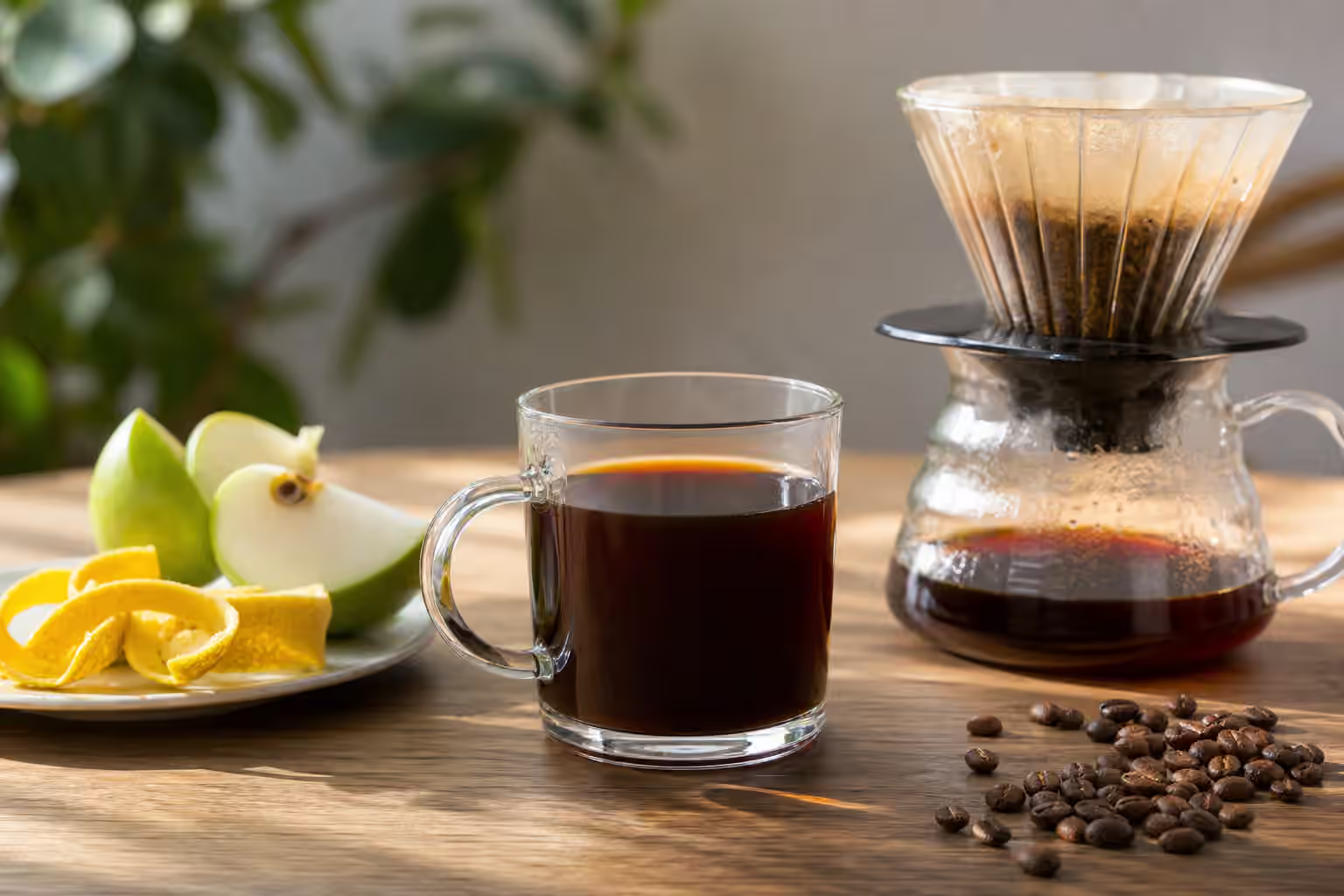
If a bright coffee tastes sour and hollow, the first question is extraction. Grind a little finer, extend contact time, improve the bloom, or make sure the bed is evenly saturated. In pour-over, dry pockets and bypass can make a coffee taste under-extracted even when the total brew time looks normal. The Coffee Bloom and Wetting guide is especially relevant because acidity often exposes poor early wetting.
If the coffee is lively but too intense, do not automatically extract less. Less extraction may remove sweetness and make the acidity harsher. Instead, consider strength and presentation. A slightly longer ratio can open a concentrated cup. A brewer with more body can soften edges. A modestly warmer serving temperature may make sweetness easier to notice. A cup that tastes aggressive straight from the brewer may become balanced after a minute or two.
For espresso, acidity can be especially tricky because the drink is small and intense. A fast shot may taste sour, salty, and thin. A longer yield can sometimes bring sweetness forward, but channeling can produce sourness and bitterness together. Use How to Dial In Espresso and Espresso Puck Prep when acidity in espresso feels unstable rather than simply bright.
Learn Your Own Brightness Range
Acidity is not a contest. Some coffee drinkers love sparkling, tea-like cups with citrus and florals. Others want a rounder cup with chocolate, nuts, and gentle fruit. Both preferences can be thoughtful. The point is to understand what kind of brightness you enjoy and what kind of sharpness you want to avoid.
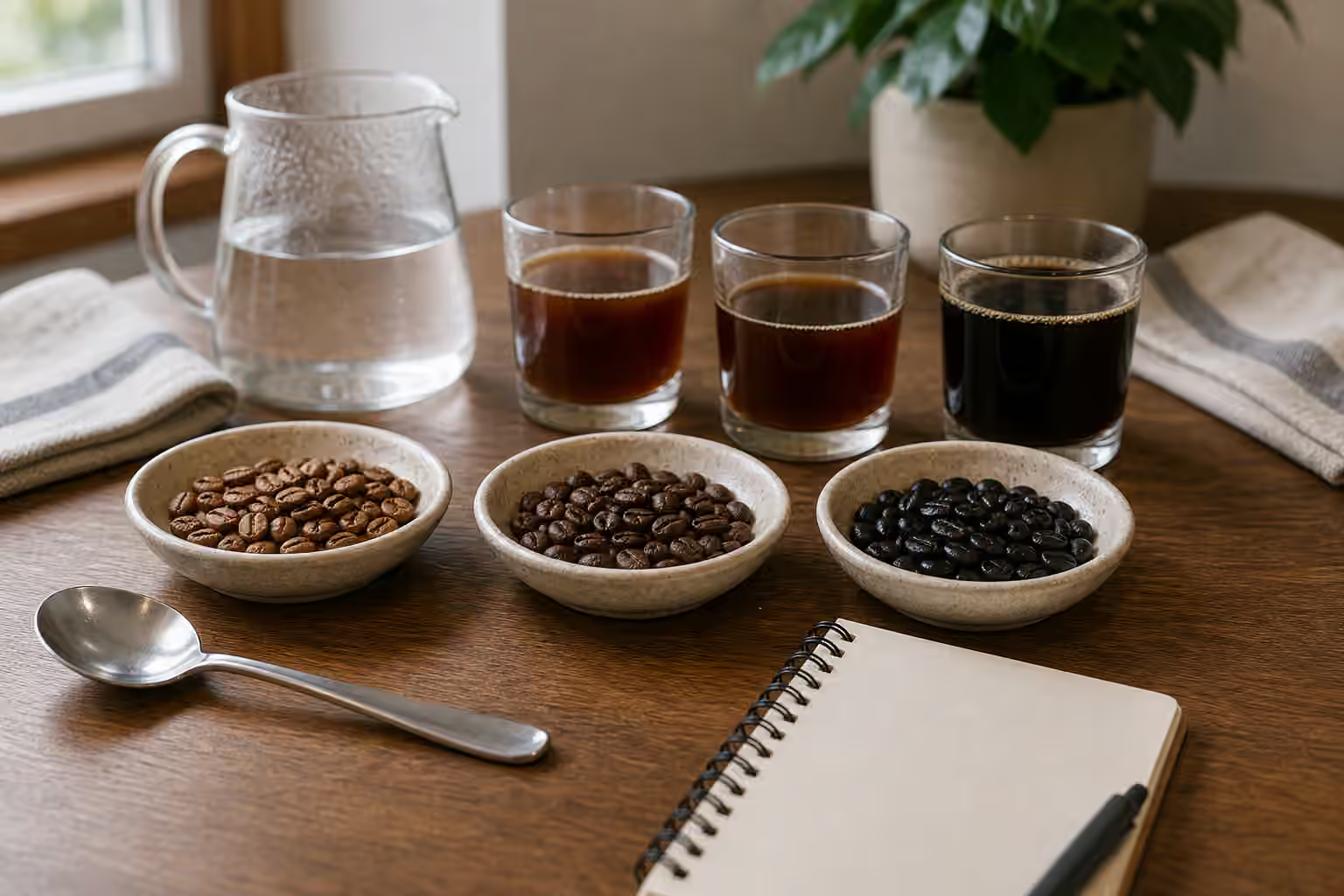
Side-by-side tasting helps more than vocabulary drills. Brew a washed light roast next to a medium roast blend. Taste both hot, warm, and cool. Notice which cup stays sweet as it cools and which one collapses. Try the same coffee through paper and immersion. Notice whether the acidity becomes clearer, softer, sharper, or more integrated. Home Coffee Cupping is a calm way to build those references without changing six variables at once.
When acidity works, it makes coffee feel awake without making it harsh. It gives fruit notes their direction, florals their lift, and sweetness its outline. When it fails, it usually points toward under-extraction, poor water, uneven wetting, or a coffee that simply does not match your taste. Learning the difference turns bright coffee from a gamble into a choice.