Chemex coffee looks simple enough to explain in one sentence: hot water passes through ground coffee and a thick paper filter into a glass carafe. The cup it produces, however, has a particular character. It is clean without being thin, aromatic without much sediment, and well suited to serving two or three people from one calm brew. That makes the brewer feel different from a quick single-cup cone. A Chemex asks for a little more patience, but it pays that attention back with clarity and a generous table presence.
The method sits inside the wider pour-over family, so the fundamentals from Pour-Over Coffee Technique still matter. Bloom, water path, bed shape, grind, and drawdown all affect the cup. The difference is the filter and the vessel. Chemex filters are thicker than many cone filters, and the glass brewer holds the finished coffee in the same object you brewed through. Those details change the workflow enough that the brewer deserves its own rhythm instead of being treated as a larger version of a V60.
What the Thick Filter Changes
The Chemex filter is the method’s defining feature. It holds back much of the fine sediment and a noticeable portion of coffee oils, so the finished cup often tastes polished and transparent. That can be beautiful with fragrant coffees: washed Ethiopian, Kenyan, Colombian, or Central American lots with citrus, florals, honey, or stone fruit. The same filtration can make very dark or low-acidity coffees feel quieter than expected, because the cup does not carry as much oil and heavy texture as a French press or metal-filter brewer.
This cleaner texture is not automatically better. It is a preference and a tool. If you want body, read Coffee Body and Mouthfeel and compare the Chemex against immersion methods. If you want aromatic clarity, the Chemex is in its element. The filter lets sweetness and acidity show up with less background noise, which is why the brewer can make a familiar coffee seem more delicate and a bright coffee seem more articulate.
The thick filter also slows flow. Water has to pass through paper, coffee, and the narrow lower opening without stalling. Grind too fine and the brew can drag on until the cup tastes dry or woody. Grind too coarse and the water can move too quickly, leaving the coffee sour and hollow. A medium-coarse grind is a useful starting point, but the real target is drawdown that feels steady rather than rushed or stuck. The Grind Size Guide gives the broader map, but Chemex brewing teaches you to judge grind by taste and flow together.
Start With a Ratio That Fits the Brewer
Because the Chemex is often used for more than one cup, ratio matters. A practical starting point is 1 gram of coffee for every 15 to 16 grams of water. For a small brew, that might mean 30 grams of coffee and 480 grams of water. For a larger brew, 45 grams of coffee and 720 grams of water gives enough coffee to share without making the bed so deep that flow becomes awkward. The Coffee Brewing Ratios guide explains how strength changes when you move those numbers, but Chemex brewing adds a second question: can water move evenly through the bed at that size?
Very small Chemex brews can be harder than they look because the bed may be shallow and the filter may dominate the process. Very large brews can stall because the bed is deep and the paper is already slow. The sweet spot is usually a brew size that gives the coffee bed enough depth to extract evenly without forcing the filter to carry too much fine material. If a larger batch tastes heavy and bitter even with a sensible ratio, grind a little coarser and pour more calmly before blaming the coffee.
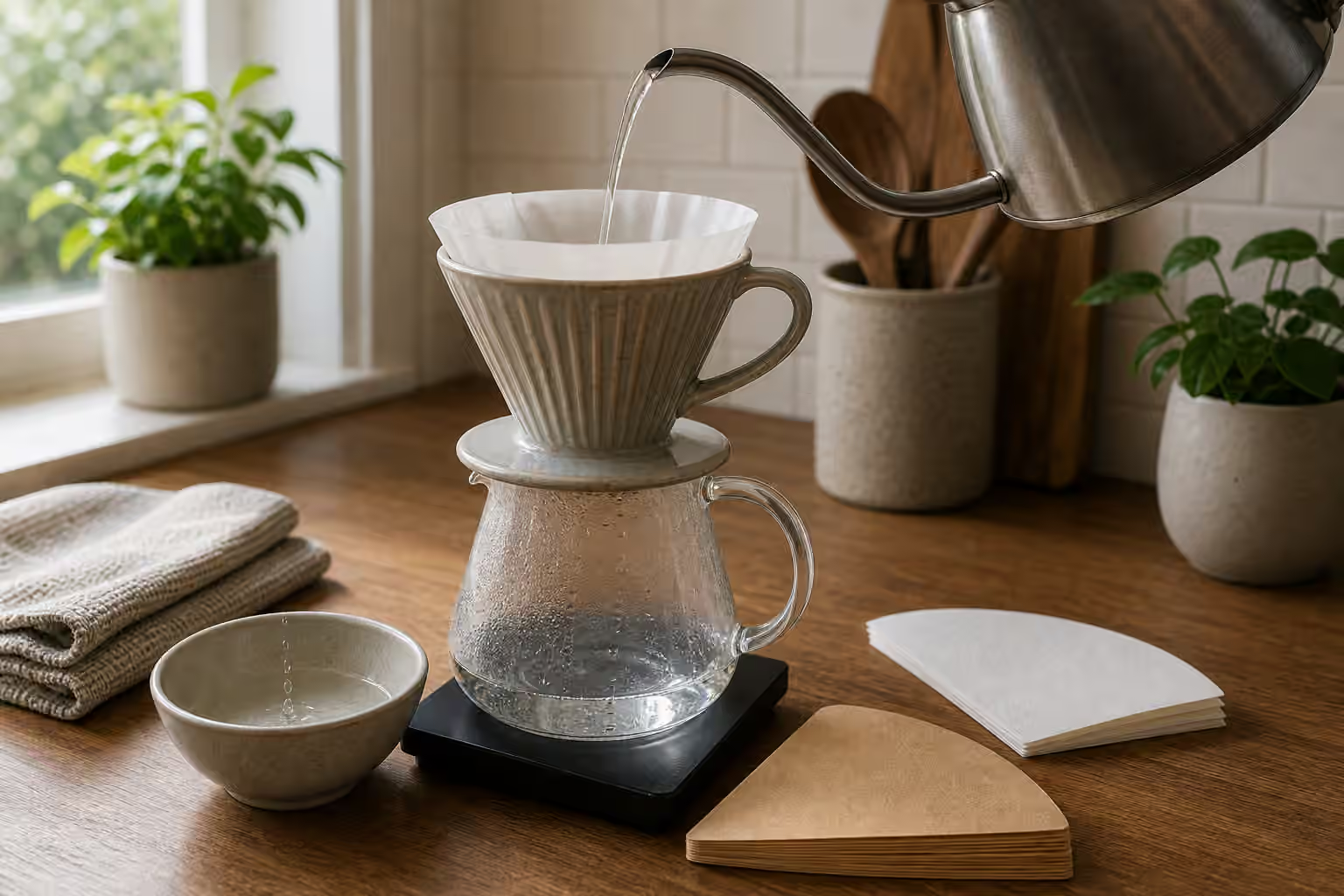
Preheating helps more than people expect. The glass carafe and paper filter can pull heat from the brew, especially in a cool kitchen. Rinse the filter thoroughly with hot water, then discard the rinse water before adding coffee. This seats the filter, warms the brewer, and removes loose paper flavor. Make sure the thicker, layered side of the folded filter sits against the spout. If the paper collapses into the spout, air can struggle to escape from the lower chamber, and the brew may slow for reasons that have nothing to do with grind.
Bloom With Patience, Then Pour With Restraint
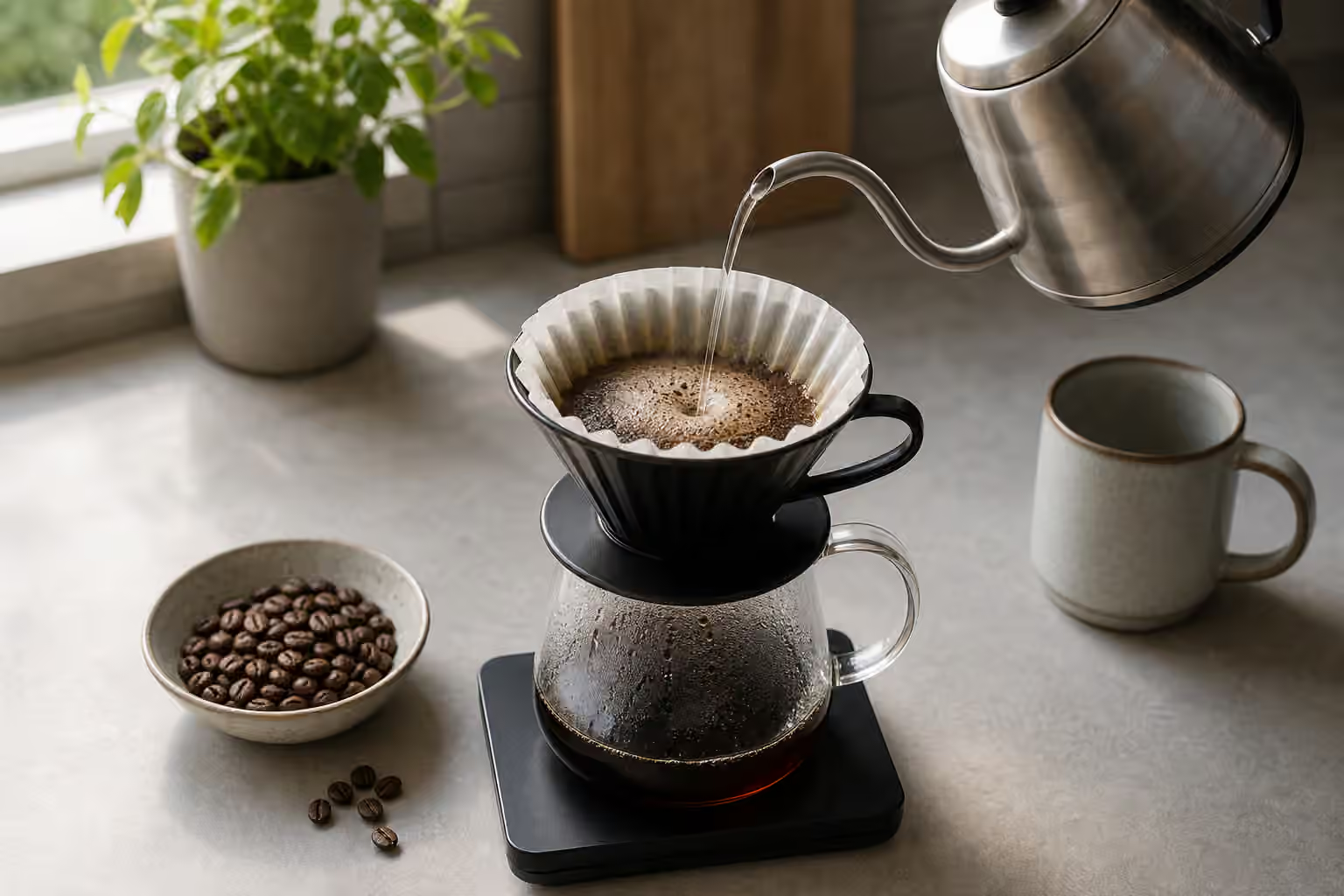
The bloom is not decoration. It prepares the coffee bed for even extraction. Add roughly twice the coffee weight in water, saturating the grounds as completely as possible, then wait until the bubbling settles. Fresh coffee may need a little more time because trapped gas can push water away from the grounds. The freshness behavior described in Coffee Freshness and Resting is especially visible in a Chemex because the bloom sits wide and open under a thick filter.
After the bloom, pour in slow pulses or a gentle continuous pattern. Keep the water level comfortably below the rim, and avoid pouring hard down the filter wall. Water that rides the paper can bypass the coffee bed and weaken the cup. Water that pounds the center can dig channels and make the extraction uneven. The movement should look unhurried: enough flow to keep fresh water entering the bed, not so much turbulence that the slurry turns chaotic.
Heat management deserves attention. A Chemex brew can take longer than a small cone brew, and long brews lose heat. Using water just off boil is often appropriate for light and medium roasts, especially with larger batches. Darker roasts may prefer slightly cooler water or a shorter brew, but avoid turning temperature into a guesswork ritual. If the cup tastes sharp and hollow, hotter water, finer grind, or a more complete bloom may help. If it tastes dry and harsh, coarser grind or gentler pouring may help.
Read the Finish, Not Just the First Sip
Chemex coffee can seem beautifully clean when hot, then reveal its problems as it cools. A balanced cup opens from aroma into sweetness, carries acidity clearly, and finishes without a papery or drying edge. An under-extracted cup may smell lively but taste lemony, thin, and short. An over-extracted cup may look dark and respectable but leave a rough finish after the sweetness fades. The language in Coffee Extraction helps separate those signals.
If the cup is clean but too weak, increase the dose slightly or shorten the final beverage volume rather than grinding much finer right away. If it is flavorful but muddy for a Chemex, check whether the brew stalled and dragged fines into the filter. If it is thin and sour, grind a little finer, pour with better saturation, or extend the bloom. Keep notes in the Coffee Dial-In Log because Chemex changes can feel subtle until you compare them across several brews.
Serving matters too. Swirl the finished coffee in the carafe before pouring so the first cup and last cup taste similar. If coffee sits in the glass for a long time, it cools quickly and can taste sharper. The Chemex is lovely at a table, but it is not an insulated server. Brew close to when people will drink, or decant into a warm thermal carafe if the conversation will stretch.
Make the Brewer Earn Its Space
The Chemex is not the fastest way to make coffee, and it is not the most forgiving brewer for careless grind. Its strength is the way it turns a good coffee into a clear shared pot. It rewards beans with aroma, sweetness, and structure. It also makes water quality obvious, because there is little sediment or heavy oil to hide a dull mineral profile. If every Chemex brew tastes flat, revisit Water Quality for Coffee before chasing tiny pouring changes.
Clean the brewer soon after use. The narrow waist and glass curves can trap oils if coffee dries inside, and stale residue works against the clean cup the method is supposed to produce. A soft brush, warm water, and occasional deeper cleaning keep the glass neutral. Store filters dry and flat so they do not bring cabinet smells into the brew.
A good Chemex routine feels almost slow, but not fussy. Rinse the filter. Grind medium-coarse. Bloom thoroughly. Pour with steady restraint. Watch drawdown without obsessing over it. Taste as the coffee cools. When the method works, the cup has a quiet confidence: clean edges, enough sweetness, and the kind of aroma that makes a shared pot feel like the right amount of effort.