Brewing coffee for guests is different from brewing your favorite cup alone. The goal shifts from personal precision to shared pleasure. You want enough coffee, served warm, with a flavor profile that does not require a speech before anyone drinks it. You also want a workflow that lets you stay present instead of disappearing into the kitchen for a series of tiny, perfect brews. Good guest coffee is thoughtful, but it is not fussy.
The best method depends on the group, the timing, and your equipment. A single-cup pour-over can be wonderful for one person, but it becomes a bottleneck when four people want coffee at once. A French press can serve several cups with warmth and body, but it asks for prompt decanting. An automatic drip brewer can be the smartest tool in the room if it is clean, measured, and matched to the batch size. The broader Coffee Brewing Methods guide helps compare those tools, but hosting adds a few practical constraints that solo brewing does not.
Choose the Cup People Will Enjoy
When serving a group, avoid making coffee a test of taste. A delicate, high-acid light roast may thrill one guest and confuse another. A very dark roast may feel familiar to some and harsh to others. Medium roasts and balanced blends often work well because they leave room for black coffee, milk, and different palates. If you know your guests love bright single origins, brew that. If you do not know, choose sweetness, clarity, and comfort over novelty.
This is where Coffee Blends and Single Origins becomes practical. A blend is not a lesser choice for guests. It may be exactly right because it is designed for balance and repeatability. A single origin can still be a beautiful shared pot, especially if the gathering is built around tasting. The question is whether the coffee supports the moment or asks everyone to adapt to it.
Milk and sugar should shape the choice too. A coffee that tastes lovely black may disappear under milk. If most guests take milk, use a coffee with enough body and sweetness to hold its shape. Coffee for Milk Drinks focuses on espresso, but the same idea applies to batch coffee: the brew needs enough presence that additions soften it rather than erase it.
Size the Batch Before You Grind
Guessing batch size is the easiest way to make hosting stressful. Think in finished cups, then work backward. Many mugs hold more than a standard coffee cup, and people often pour seconds when the pot is good. For a small gathering, a 600 to 900 gram brew may cover several modest servings. For a longer breakfast or dessert table, you may want a larger batch or a second brew planned in advance.
Use a ratio that suits the method. Around 1:15 to 1:17 by weight is a practical starting range for many filter brews. If you are brewing 900 grams of water at 1:16, you need about 56 grams of coffee. The Coffee Brewing Ratios guide explains how to adjust from there, but the important hosting habit is measuring once before the room fills with conversation. Pre-weigh the beans if you can. It keeps the workflow calm and prevents the familiar moment where everyone is talking while you are trying to do mental math beside a grinder.
Grind close to brewing. Whole beans hold aroma much better than ground coffee, but guests also change timing. If grinding during a quiet dinner would be disruptive, weigh the beans ahead and grind at the last reasonable moment. If you must grind early, treat it as a convenience tradeoff and keep the grounds sealed for as short a time as possible. The Coffee Freshness and Resting guide explains why aroma loss is not imaginary.
Pick a Method That Lets You Host
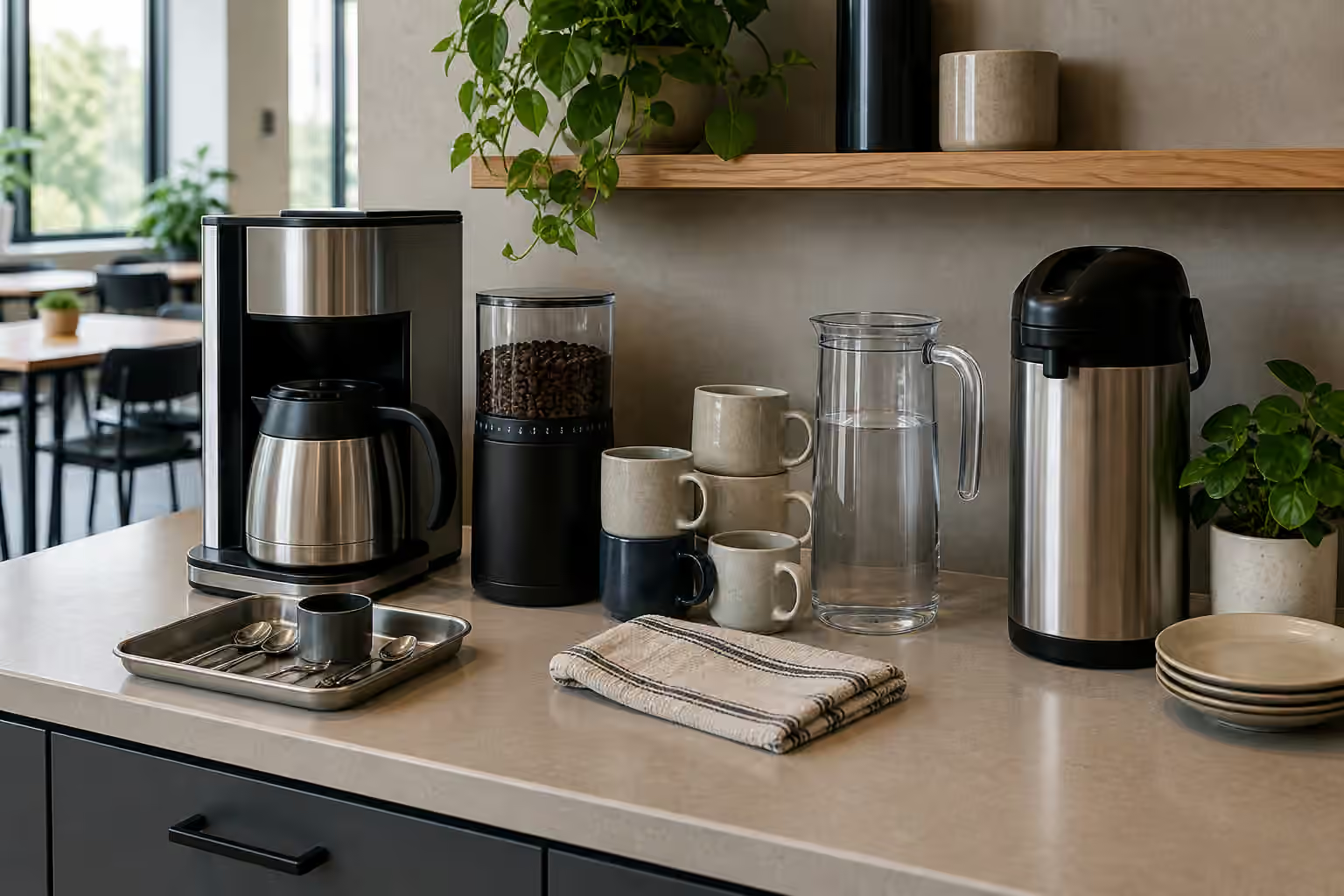
Automatic drip is underrated for guests. A clean brewer with a good dose, fresh grind, and an appropriate batch size can make a stable pot while you handle cups, milk, and the table. It is especially useful for breakfast, dessert, or any moment when coffee should arrive for everyone together. Automatic Drip Coffee covers the details that make machine brewing taste intentional rather than careless.
French press is good when you want body and a relaxed pace, but decant the coffee after steeping. Leaving it on the grounds while guests slowly serve themselves can make the last cups harsh and silty. A large press works best when you pour the finished coffee into a warm carafe. That small extra step preserves the texture people like without letting the brew keep extracting. The same logic appears in French Press Coffee .
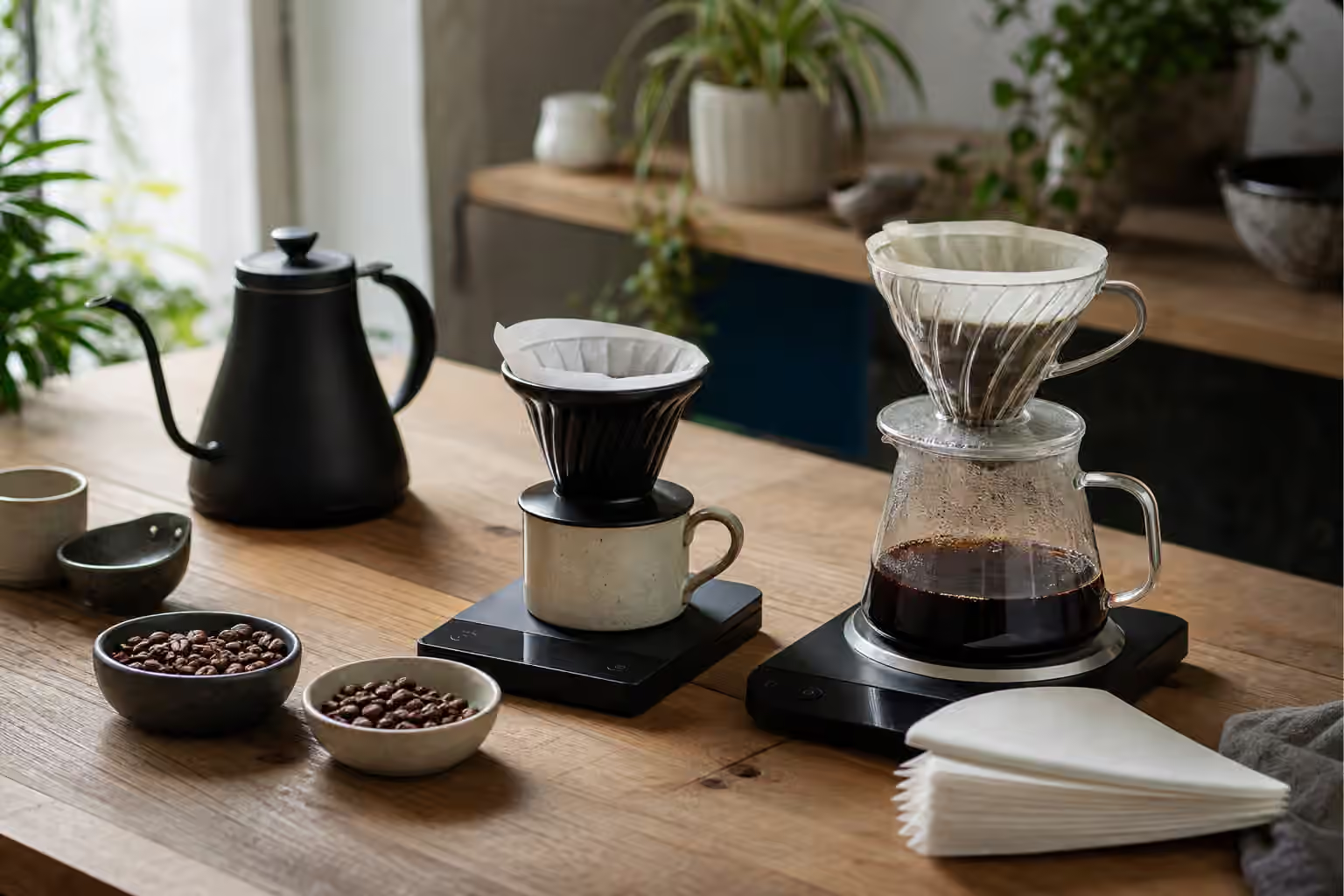
Chemex and other larger pour-over brewers are lovely for a table because the server is part of the presentation. They also require your attention. If you enjoy brewing while people watch and talk, that can be pleasant. If you need coffee to appear while you finish breakfast, use a less demanding method. Guest coffee should fit the room. A method that makes you tense will rarely make the coffee taste better to anyone else.
Keep Temperature and Timing Honest
Coffee tastes best when it is served soon after brewing, but guests rarely move in perfect formation. Preheat the server or thermal carafe with hot water, then discard the water before the coffee goes in. Warm cups help too, especially for smaller servings. If coffee will sit for more than a few minutes, a thermal carafe is usually better than a hot plate. Prolonged heat can flatten aroma and push the flavor toward stale bitterness.
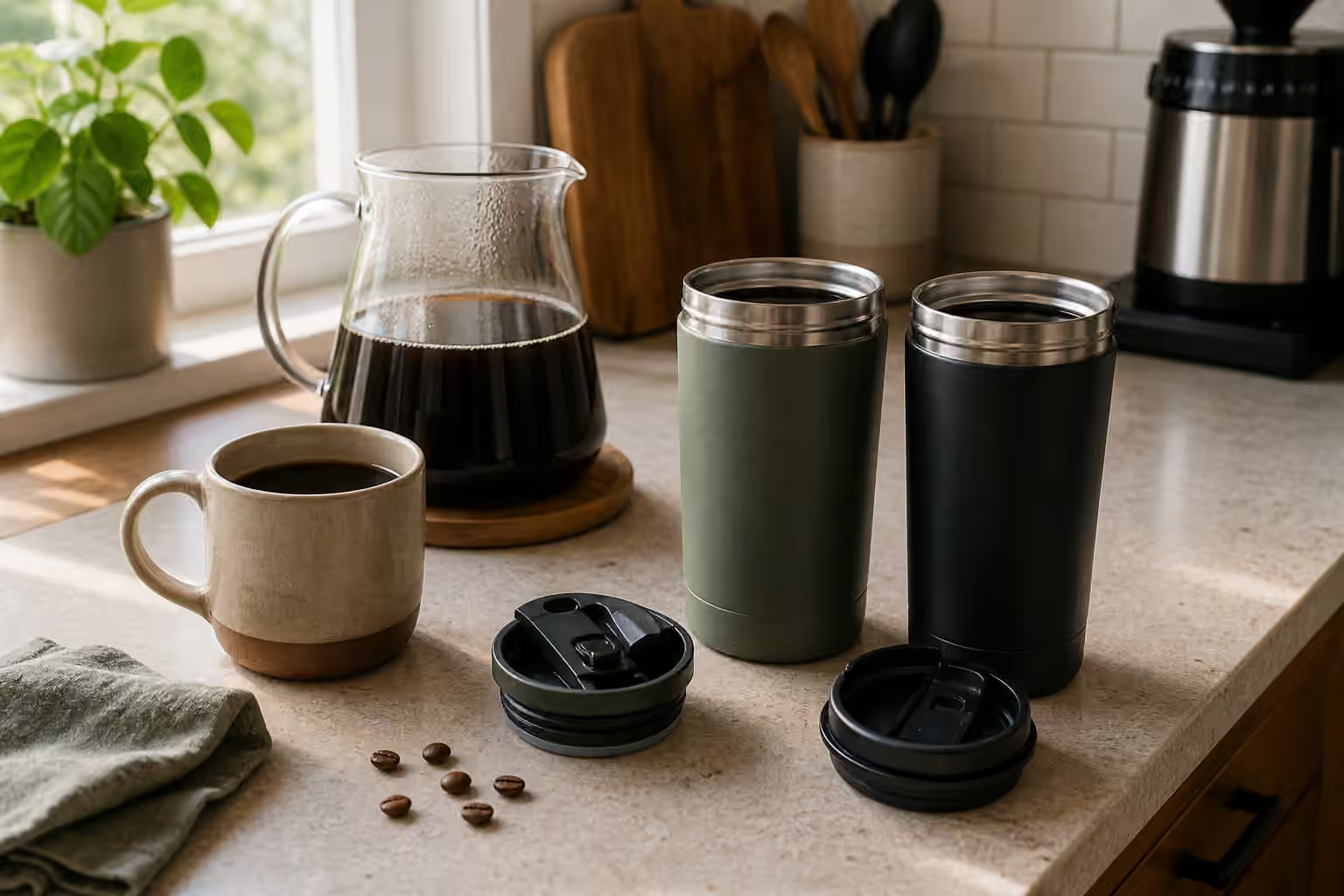
If you brew in glass, serve promptly. Glass looks beautiful, but it loses heat. A Chemex on a table is inviting for a short window, not a long holding strategy. If the conversation will stretch, pour into an insulated server after brewing and bring the server to the table. That choice may feel less photogenic, but it often tastes better.
Taste the coffee before serving when possible. A small sip tells you whether the brew is concentrated, weak, or obviously off. If it is balanced but stronger than expected, a small amount of hot water can open it before guests pour. If it is sour or bitter, dilution will not solve the underlying problem, but it may make the pot more drinkable. The troubleshooting guide to Coffee Extraction helps you understand what can and cannot be fixed after brewing.
Make Decaf Feel Included
Decaf is part of hospitality, not an afterthought. Some guests avoid caffeine in the afternoon, some simply prefer less stimulation, and some will not mention it unless offered. A good decaf brewed carefully is better than apologizing for a tired jar in the cabinet. Decaf Coffee explains how decaf is made and why brewing it well takes the same attention as any other coffee.
For small groups, an AeroPress, Clever-style dripper, or small French press can make a separate decaf without disrupting the main pot. If several guests want decaf, plan the decaf batch just as carefully as the regular one. Labeling the servers verbally is enough; there is no need to turn the table into a cafe counter. Just make it clear which coffee is which before cups are filled.
Milk, cream, sugar, and alternatives should be easy to reach. You do not need a full condiment bar. You need clean options in small containers, placed where people can use them without interrupting the host. If you steam milk for individual drinks, keep the group small or the expectations clear. Pulling multiple milk drinks is a performance unless you do it often. A good shared pot with cold milk nearby is usually more generous.
Clean Gear Is Part of the Welcome
Serving guests magnifies stale residue. A travel mug can hide old oils when you drink alone. A shared pot will spread that flavor to everyone. Clean the carafe, brewer basket, grinder catch cup, French press screen, and thermal server before the event, not after the first bad sip. Clean Coffee Gear is worth revisiting when coffee for guests tastes dull despite good beans.
Water matters as much as gear. If your tap water tastes strongly of chlorine or minerals, it will show in a large batch. Use water you would drink on its own. If several coffees have tasted muted lately, check the water before the gathering instead of trying to solve everything with a different bag. The Water Quality for Coffee guide gives a practical way to think about this without turning hosting into a lab exercise.
The quiet secret of guest coffee is preparation. Weigh the beans. Check the filters. Clean the server. Set out cups. Know where the milk is. Choose the brewer that gives you enough coffee at the right time. None of that makes the experience stiff. It does the opposite. It lets coffee become part of the table instead of a separate project.
When the pot lands well, people rarely comment on the ratio or grind. They ask for another cup. That is the right measure of success. Shared coffee should taste cared for, warm, and easy to accept. The method can be simple. The care shows in the way everything arrives together.