A private well is not only a pump, pressure tank, and faucet. It is also a small opening into local groundwater, set inside a yard that changes with rain, snowmelt, repairs, mowing, storage, vehicles, animals, landscaping, and nearby land use. Treatment equipment can improve water after it enters the house, but it cannot make the ground around the well irrelevant. The wellhead and the yard are part of the water system. For background, see CDC — Guidelines for Testing Well Water .
Clear Water Lab helps with everyday water decisions, reports, testing, certification checks, and maintenance. It is not medical advice, legal advice, or a substitute for local boil-water notices, certified lab results, utility instructions, or health department guidance.
The wellhead is a place, not just a part
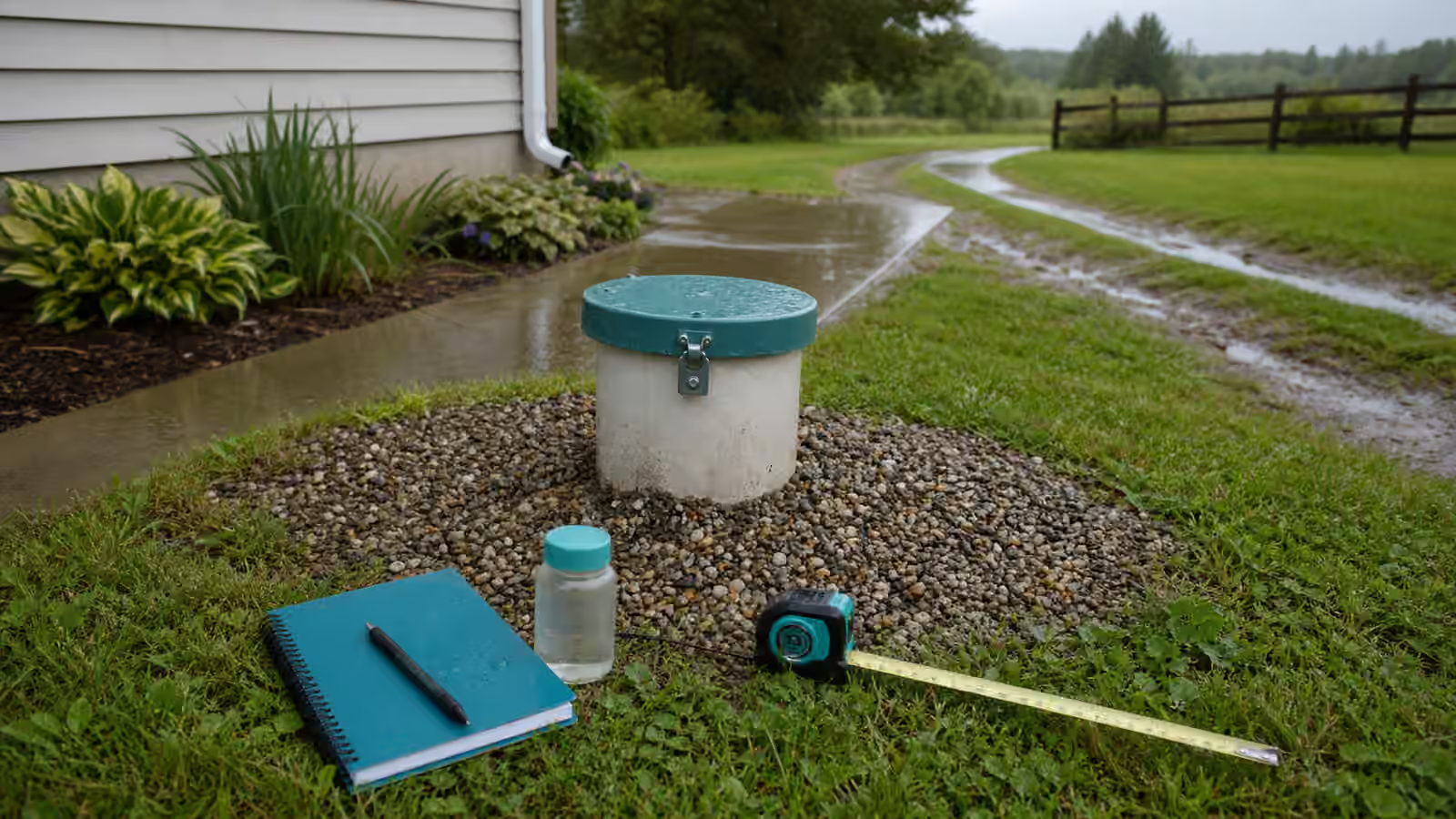
The visible well cap can become ordinary background. People mow around it, lean tools near it, park close to it, stack materials nearby, or forget where runoff travels during a hard rain. That familiarity is risky because many well problems begin outside the utility room. A cracked cap, low casing, missing seal, poor grading, ponded water, damaged conduit, buried access, or repeated flooding can turn the wellhead from a protected point into a weak point.
This guide does not replace local well codes, inspection rules, or professional service. Well construction details and separation distances vary by place, and local authorities or licensed well professionals are the right source for requirements. The everyday habit is simpler: look at the wellhead as part of the water route. If water can sit against it, if the cap is damaged, if surface activity crowds it, or if nobody can remember when it was last inspected, that belongs in the same conversation as testing and treatment.
City Water vs Well Water explains why private well ownership changes responsibility. A city customer can start with a utility report. A well owner starts with the well, the local setting, and a testing plan. The ground around the well is one of the first pages of that plan.
Runoff tells you where attention belongs
Rain makes the yard honest. During dry weather, grading can be hard to read. After a storm, low spots, ruts, compacted soil, driveway edges, downspout paths, animal areas, and drainage swales become visible. Watch where water moves and where it stands. The goal is not to diagnose contamination by sight. It is to notice whether surface water repeatedly moves toward the wellhead or collects near it.
A well cap on slightly raised ground with positive drainage is easier to trust than one sitting in a shallow basin. A driveway that sheds water toward the casing deserves attention. A downspout extension that points near the well is a small yard detail with water-system consequences. Soil piled against the casing, mulch stacked around the cap, or landscaping that hides damage can all make inspection harder. None of these observations tells you what is in the water, but they tell you where the system may be more exposed than you assumed.
Flooding deserves a different level of seriousness. If floodwater reaches the well, if the casing is submerged, or if local guidance warns private well owners after a storm, ordinary home troubleshooting is not enough. Follow local health department, emergency management, or certified lab guidance for testing, disinfection, and use restrictions. Emergency Water Basics is useful for the household response, but well-specific instructions should come from local officials and qualified well professionals.
Yard activities can become water questions
The well area should not become a general storage zone. Fuel, solvents, pesticides, fertilizers, pool chemicals, deicers, paint, automotive fluids, and waste materials do not belong near a drinking-water well. The same caution applies to vehicle parking, heavy equipment, animal waste concentration, septic work, and soil disturbance. The exact separation rules are local, but the practical principle is evergreen: keep possible contaminant sources away from the wellhead and away from drainage paths that lead to it.
Septic systems deserve special respect because private wells and septic systems often share the same property. A well owner does not need to become a hydrogeologist to understand the basic risk: wastewater treatment, soil, slope, groundwater, and distance all matter. If nitrate, bacteria, or other well tests raise questions, the yard layout and septic history become part of the conversation. Nitrates, Arsenic, and Private Wells focuses on the testing side, but the surrounding property helps explain why those tests are not optional decoration.
Outdoor taps can confuse the picture. A hose bib may be connected before or after certain treatment equipment, may have backflow concerns, and may be used for activities that should not be treated like drinking-water sampling. Outdoor Hose and Yard Water explains why the outside tap is a different route. Around a private well, that route can matter for both use and records.
Inspection works best as a quiet routine
A useful wellhead check is not dramatic. Walk the area after a normal rain and again in a dry spell. Look for ponding, erosion, exposed wires, cracked or loose caps, missing bolts, damaged casing, soil against the cap, overgrown plants, nearby storage, animal activity, and signs that vehicles are passing too close. Notice whether the well is easy to find in snow, leaves, or tall grass. If a service person cannot access it quickly, the well is already harder to maintain.
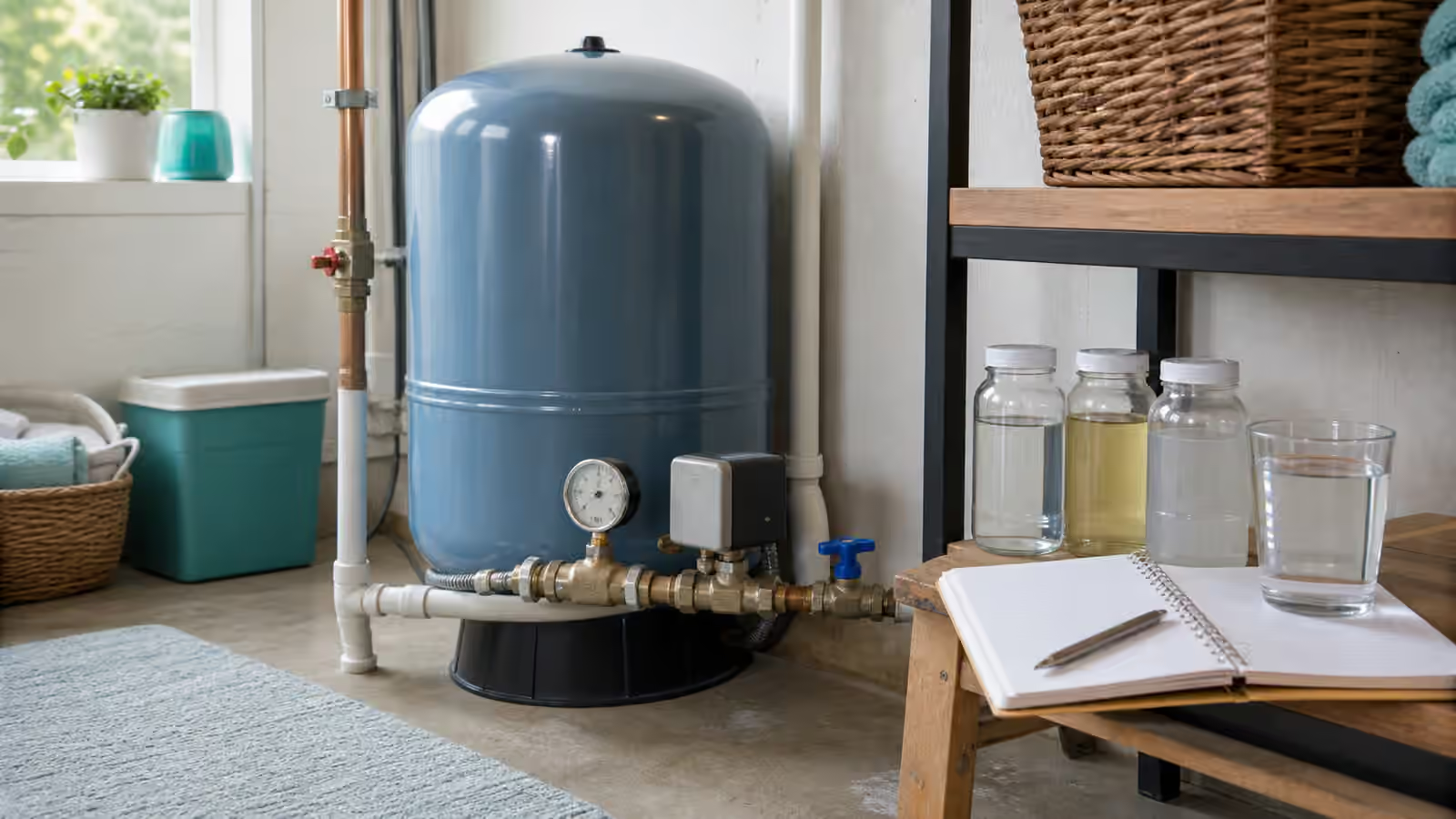
Do not remove caps, open electrical parts, pour chemicals, or attempt well disinfection from a casual internet habit. Those are service and safety questions. The homeowner-level task is observation, documentation, and timely professional help when something looks damaged or when local guidance calls for action. Well Pumps and Pressure Tanks belongs to the indoor side of the same discipline: read clues carefully before treating them as product problems.
Seasonal changes are worth noting. Spring runoff, summer irrigation, autumn leaf buildup, winter snow piles, drought, and construction each reveal different yard behavior. A well that looks protected in August may sit below snowmelt paths in March. A gravel apron that stayed neat for years can become buried by mulch after landscaping. A new driveway edge can redirect water. The wellhead is fixed in place, but the yard around it is not.
Records connect the yard to the lab
Good well records should include more than lab numbers. Write down well service, pump work, pressure tank changes, treatment changes, nearby excavation, septic service, flooding, shock chlorination, unusual odor, unusual color, pressure changes, and yard observations after storms. Well Water Sampling Log gives that recordkeeping habit a home. The yard notes may seem minor until a result changes and you need to remember what happened between tests.
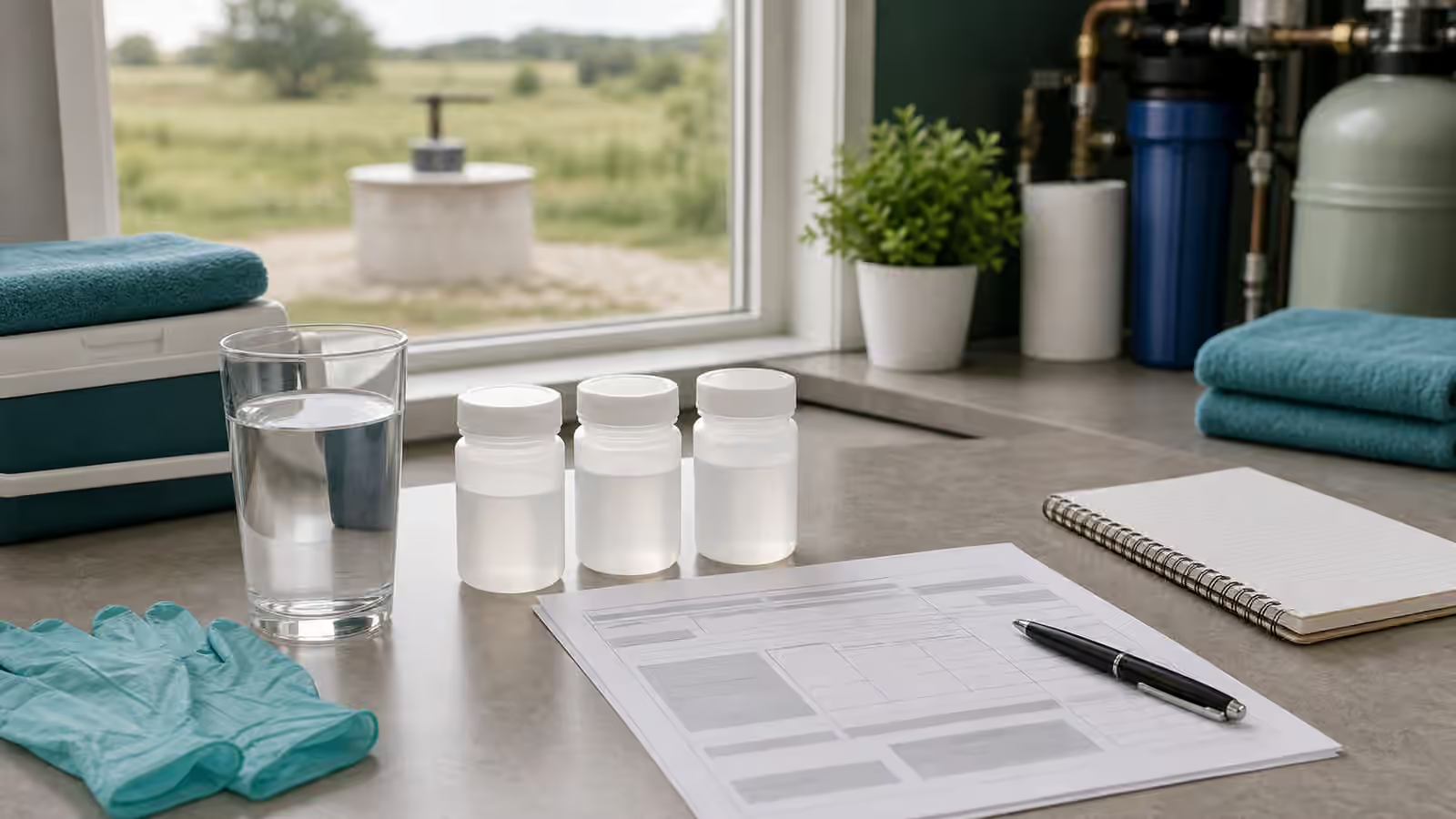
Sampling should be tied to those records. If you collect a routine sample after stable conditions, say so. If you sample after flooding, repairs, or a long vacancy, say that too. How to Collect a Water Sample at Home Without Spoiling the Result explains why sample point, timing, bottle handling, and notes are part of the evidence. A lab result without context can still be useful, but a lab result with context is easier to act on.
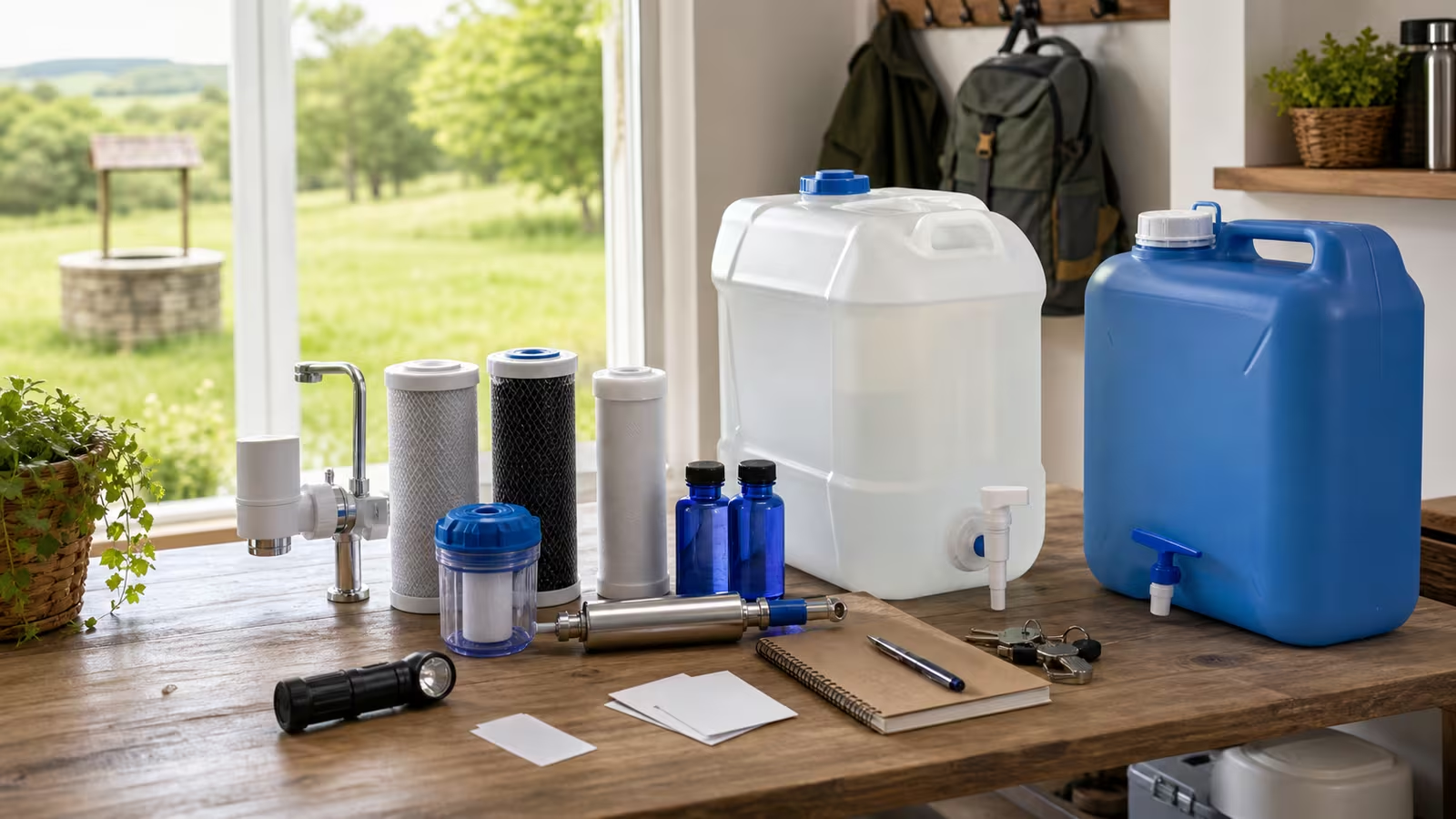
Treatment planning should come after this upstream look. Sediment filters, carbon, softening, reverse osmosis, and UV each have roles, but none of them should encourage neglect at the wellhead. Water Treatment Stage Order is the downstream guide once the problem is defined. The better sequence is source protection, appropriate testing, careful interpretation, then treatment that matches a named issue.
Private well ownership rewards steady attention. A raised cap, clear access, clean drainage, sensible yard storage, local testing guidance, and a written record do not make the water safe by themselves. They make it harder for obvious preventable problems to hide until the next surprise at the faucet.