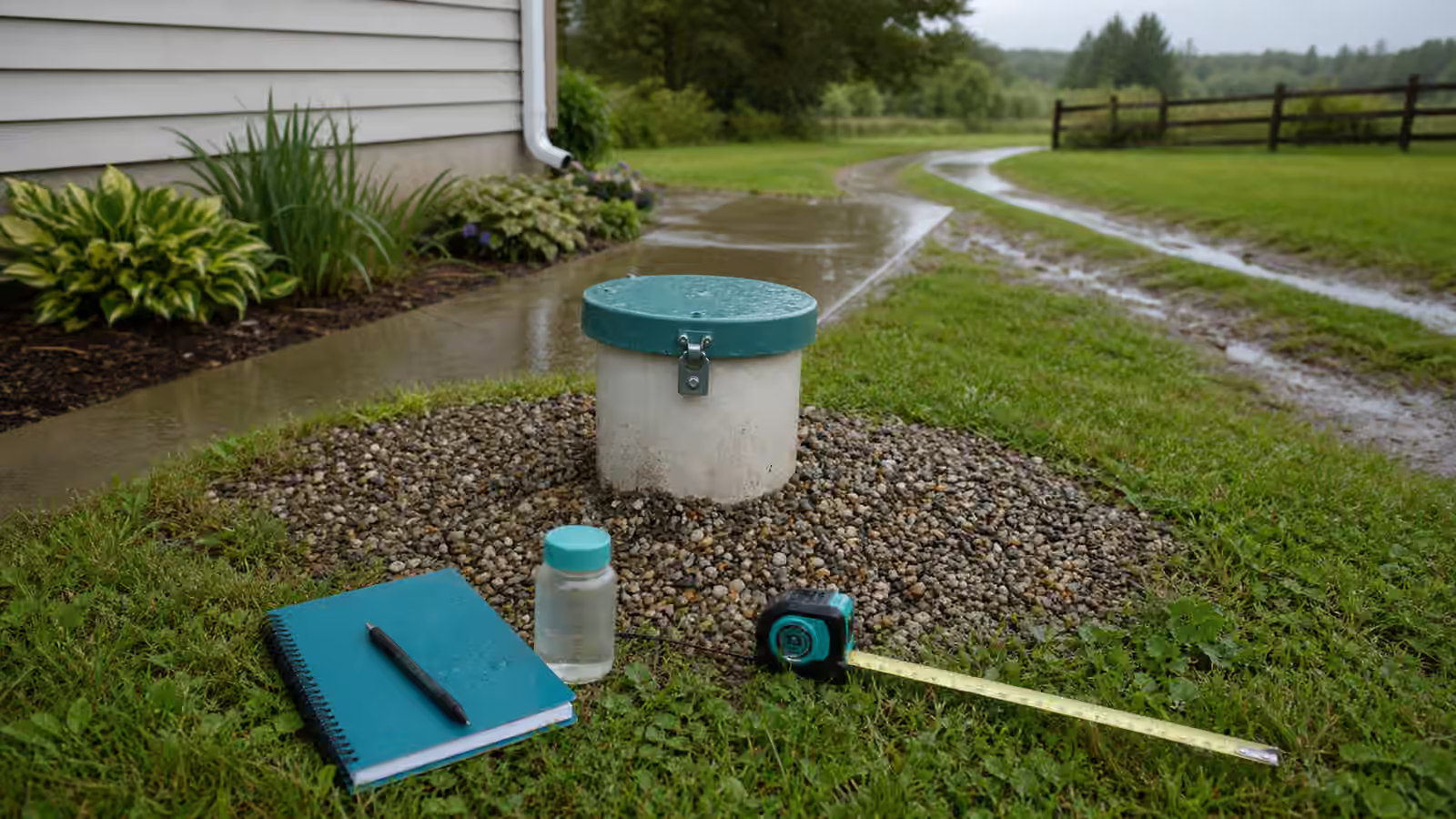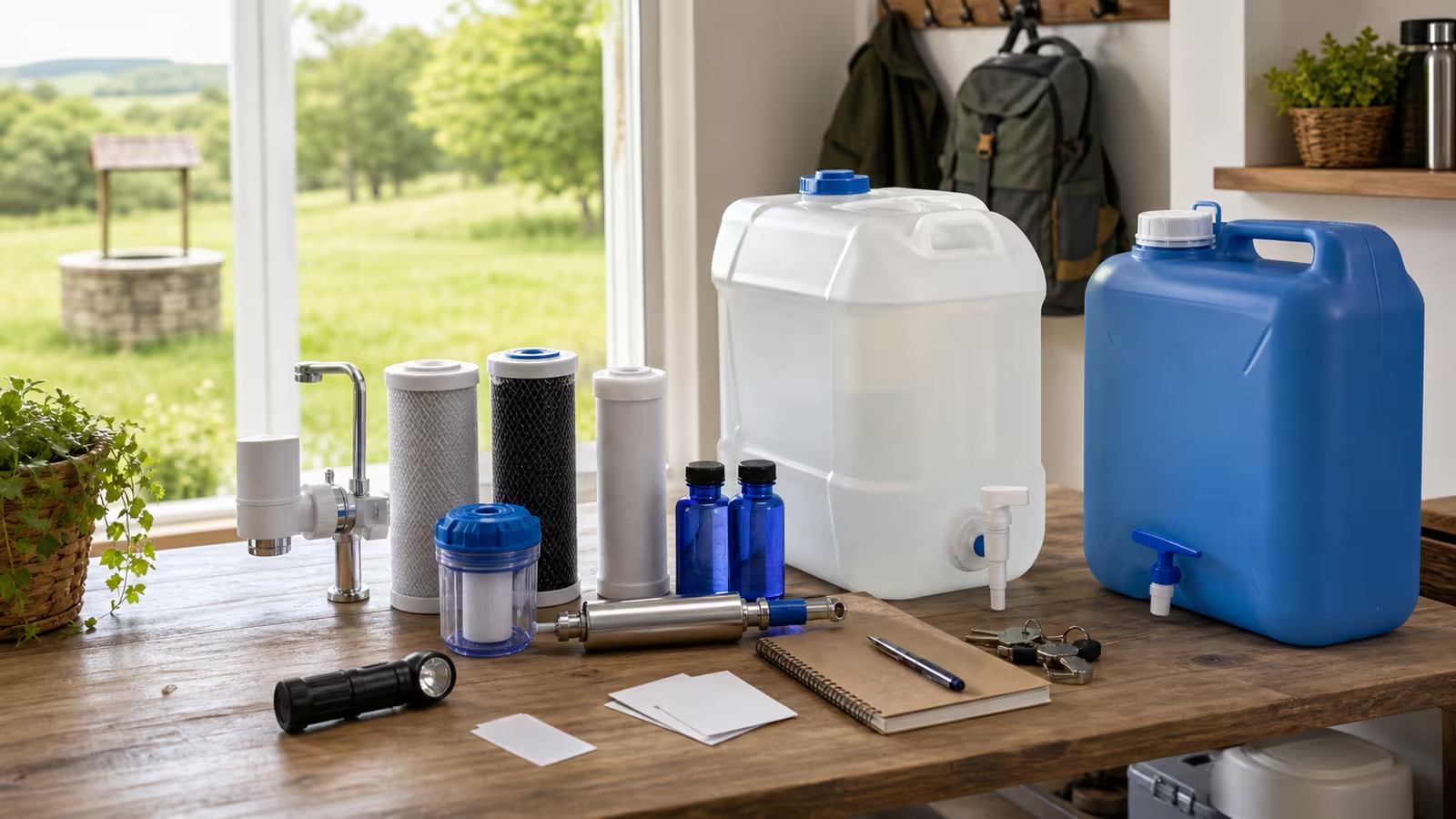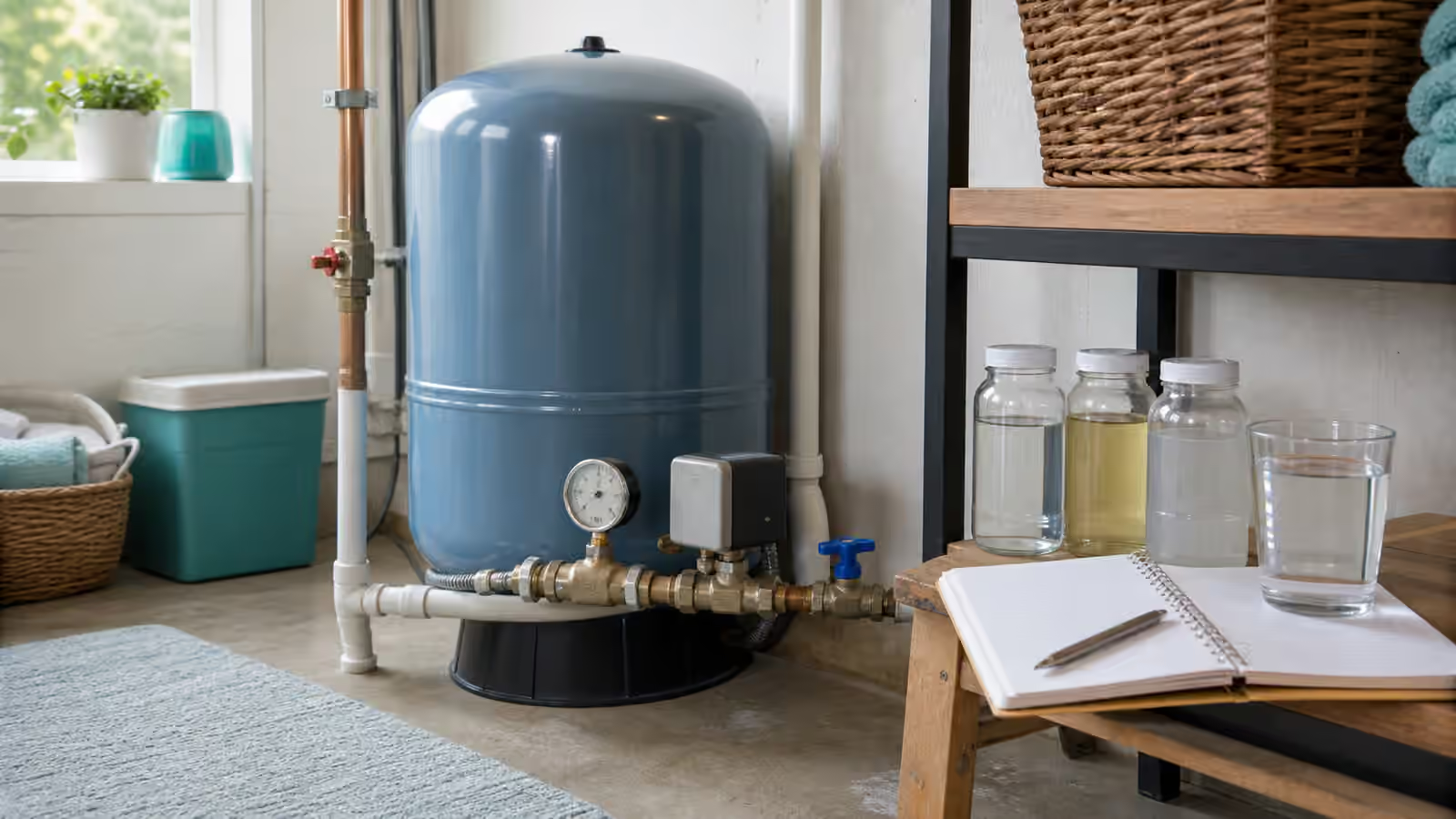
Private well treatment starts with water, but it also starts with the equipment that moves that water. A pump, pressure tank, switch, sediment filter, softener, and sampling tap can shape what you see at the sink. Before choosing a filter, learn where the water enters, where pressure is stored, and whether the clue belongs to the well, the plumbing, the tank, or an existing treatment stage. For background, see CDC — Guidelines for Testing Well Water .
The well system is part of the sample story
City water often reaches a home with pressure already managed by the public system. A private well home has a smaller, more personal chain. Water is lifted by a pump, stored under pressure, controlled by switches and valves, and then sent through plumbing and any treatment equipment before it reaches the tap. That equipment does not automatically create a water-quality problem, but it can change the pattern of clues. A burst of sediment after a pump starts, a pressure drop during a shower, a filter that clogs quickly, or water that looks different before and after a softener may be telling you about the system as well as the water.
The first useful act is mapping, not repair. Find the well line entering the building if it is visible, the pressure tank, the main shutoff, any sediment filter, any softener, any carbon filter, any UV unit, and the pipe that continues toward the household. If there is a sampling tap before treatment, note it. If the only sample point is after several devices, note that too. The guide to Water Treatment Stage Order: Sediment, Carbon, Softening, RO, and UV explains why order matters, but private wells add another question: are you testing raw water, treated water, or a blended path that nobody has labeled?
This distinction becomes important when a lab result surprises you. A sample taken after a softener will not answer the same question as a raw-water sample before treatment. A sample after a carbon filter may hide a taste issue but say little about what the filter is loading with. A sample from a rarely used utility sink may include stagnant plumbing effects. The result can still be useful, but only if you know what water path it describes.
Pressure behavior can point to maintenance questions
Water pressure is often treated as a comfort issue, yet it can be a clue about the well system. A healthy pressure tank reduces how often the pump must start. If the pump turns on and off rapidly during ordinary use, the pattern may be called short cycling, and it can point to equipment that deserves professional attention. If pressure fades during normal demand, the issue may involve pump capacity, tank behavior, clogged filters, valves, treatment restrictions, plumbing layout, or the well itself. The right answer is not to guess from the faucet. The right answer is to record the pattern and bring it to someone qualified to evaluate the system.
Pressure also affects treatment choices. A whole-home filter that looks sensible on paper can become frustrating if it adds too much restriction to a system that already has marginal flow. A sediment filter may protect downstream equipment, but it can also clog quickly when the source sends a lot of sand, silt, or iron particles. A UV unit depends on water clarity and flow conditions that match the manufacturer’s design. Reverse osmosis at one tap depends on pressure and prefiltration. Water Pressure and Flow: How Filters Change the Tap covers the everyday filter side; the well equipment adds the reason to check pressure behavior before buying a larger system.
The pressure tank itself should be treated as equipment, not decoration. It may have a gauge, pressure switch, isolation valve, drain, and service history. General observation is reasonable. Electrical work, switch adjustment, tank charging, pump replacement, and well-head work belong with qualified professionals and the equipment manual. A homeowner can still make a better water decision by knowing whether a filter was installed before or after the tank, whether there is a bypass, and whether pressure complaints began before or after a treatment device was added.
Sediment bursts are different from constant sediment
Sediment is one of the clues that crosses the line between water quality and equipment behavior. A clear glass that turns cloudy every time a pump starts tells a different story than faint particles that appear only after plumbing work or an old water heater is disturbed. A cartridge that loads with sand in a few days deserves a different conversation than a cartridge that collects a little rust over months. The article on Sediment, Rust, and Cloudy Water helps sort visual clues at the tap, but a private well should also make you ask where in the system the particles first appear.
A simple comparison can clarify the question. Look at raw water if there is a proper sample tap before treatment, then compare water after the pressure tank, after sediment filtration, and at the drinking tap when those sample points exist and can be used safely. The goal is not to create a home laboratory from random valves. It is to avoid blaming the wrong device. If sediment appears before the first filter, the treatment plan begins with source and prefiltration questions. If it appears only after an old pipe section or fixture, the clue may belong to plumbing. If it appears after a filter change, the issue may be installation debris, cartridge seating, or flushing instructions.
Iron and manganese can complicate the picture because they may stain, settle, oxidize, or appear as particles depending on water chemistry and treatment. Iron and Manganese in Well Water is the better place for that contaminant-specific path. The pump-and-tank lens adds one practical point: do not buy treatment only from what lands in the sink today. Check whether the same clue appears before treatment, after treatment, and after water sits. A staged observation can prevent a household from adding a polishing filter when the actual problem is upstream equipment or an undersized first stage.
Existing treatment can hide the raw-water question
Many well homes already have equipment from a previous owner. A softener may be present without a clear record of settings or resin age. A blue filter housing may hold sediment, carbon, specialty media, or an unknown cartridge. A UV unit may be installed but overdue for lamp service. A bypass may be open or closed without a label. These devices can make the tap look better while making the raw-water question harder to see. Before adding another stage, identify what is already installed and what it is meant to do.
Labels help more than memory. Write down the model, cartridge type, flow direction, install date, service date, and bypass position if known. Photograph the equipment path for your own records. Keep lab reports with the equipment notes. The Well Water Sampling Log is especially useful here because well decisions get better when results are tied to sample points and dates. A future lab result will be easier to interpret if you know whether the sample came before the softener, after the UV unit, or at the kitchen tap after a carbon block.
Treatment should follow evidence in a sensible order. Some concerns call for certified lab testing and local health guidance before product selection. Some aesthetic issues call for source-specific treatment design. Some pressure and sediment issues call for equipment service before water chemistry decisions. A filter added to a struggling well system can become a maintenance burden rather than a solution. A clear map and a modest record keep the decision grounded.
The best next step is often a better question
A private well household does not need to become a pump technician to make better water choices. It does need to stop treating the faucet as the only evidence. The pump, pressure tank, treatment order, bypass valves, and sample points all shape the story. When the pattern is written down, the next call becomes more productive. Instead of saying “the water is bad,” you can say that sediment appears after the pump starts, the prefilter clogs monthly, the pressure drops during showers, the raw sample and kitchen sample differ, or the water changed after equipment service.
That kind of detail respects the limits of a home observation. It does not diagnose the well. It gives a lab, local health office, well professional, plumber, or treatment specialist a clearer starting point. It also protects the household from buying a device because it is available rather than because it matches the system. Clear Water Lab’s larger rule still applies: know the source, test what matters, verify claims, and maintain the equipment you choose. In a private well home, the pump and pressure tank are part of that source story.