A water filter can solve one problem and create another at the tap. Slower filling, weaker spray, pressure drop, pulsing flow, and long waits at a drinking faucet are often treated as annoyances, but they are also clues. Flow tells you whether a device fits the household, whether a cartridge is clogging, whether the installation is restrictive, and whether the treatment location was chosen well. For background, see NSF — Standards for Water Treatment Systems .
Clear Water Lab helps with everyday water decisions, reports, testing, certification checks, and maintenance. It is not medical advice, legal advice, or a substitute for local boil-water notices, certified lab results, utility instructions, or health department guidance.
Pressure and flow are related, but not identical
People often use pressure and flow as if they mean the same thing. At the sink, the difference matters. Pressure is the force available in the plumbing. Flow is how much water comes out over time. A house can have adequate pressure and still deliver slow filtered water because the cartridge, tubing, faucet, valve, or membrane restricts flow. A house can also have a broader pressure issue that no drinking-water filter should be blamed for.
The first troubleshooting step is location. Is every tap slow, or only the filtered faucet? Is cold water slow but hot water normal? Did the change appear after a cartridge replacement, softener service, municipal work, well pump issue, or filter installation? A single slow drinking faucet points toward the device route. Whole-home pressure changes point elsewhere. A slow hot side may involve the water heater. A faucet that sprays oddly may have a clogged aerator rather than a treatment problem.
The guide on Faucet Aerators and Fixtures belongs beside this one because a tiny screen can imitate a bigger failure. Before replacing a filter system, check whether the fixture is restricting the final outlet. The same principle applies to refrigerator dispensers, pull-down sprayers, and dedicated RO faucets. The last inch of plumbing can shape the experience.
Filters create resistance on purpose
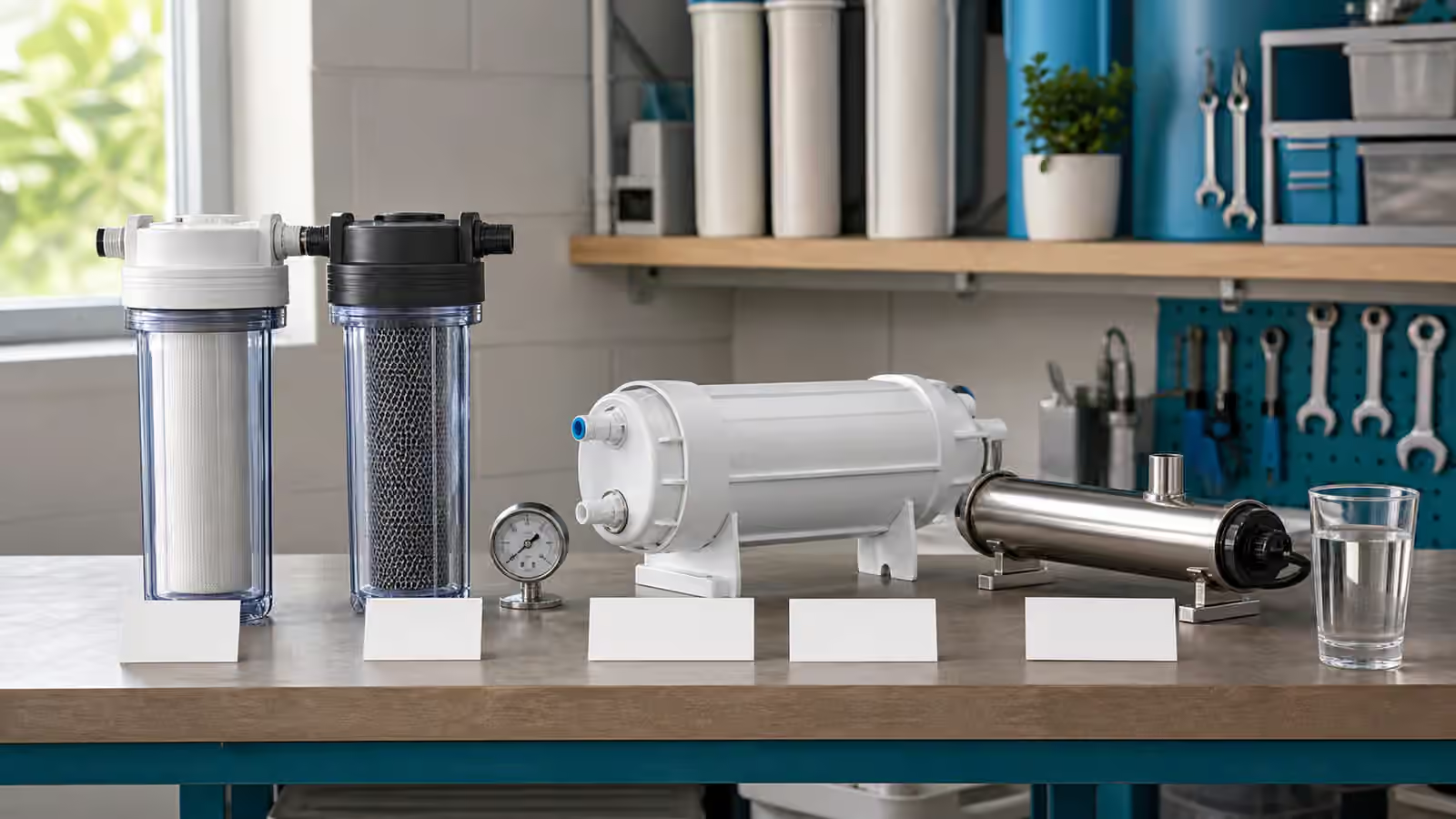
Filtration takes contact, surface area, pore structure, and sometimes pressure. A carbon block that reduces certain contaminants may be denser than a simple taste cartridge. A sediment filter may catch particles until its pores load up. A reverse osmosis membrane deliberately resists flow so water can be forced through a semi-permeable barrier. Slower water is not automatically a defect. It may be part of how the device works.
The problem is mismatch. A pitcher that fills slowly may be acceptable for one person and maddening for a family filling bottles every morning. A faucet mount may be fine for drinking glasses but not for cooking water. A small under-sink filter may have a verified claim but a flow rate that makes people bypass it. A whole-home sediment cartridge may protect downstream equipment but reduce pressure if it is undersized or left in service too long. Good treatment design respects daily use.
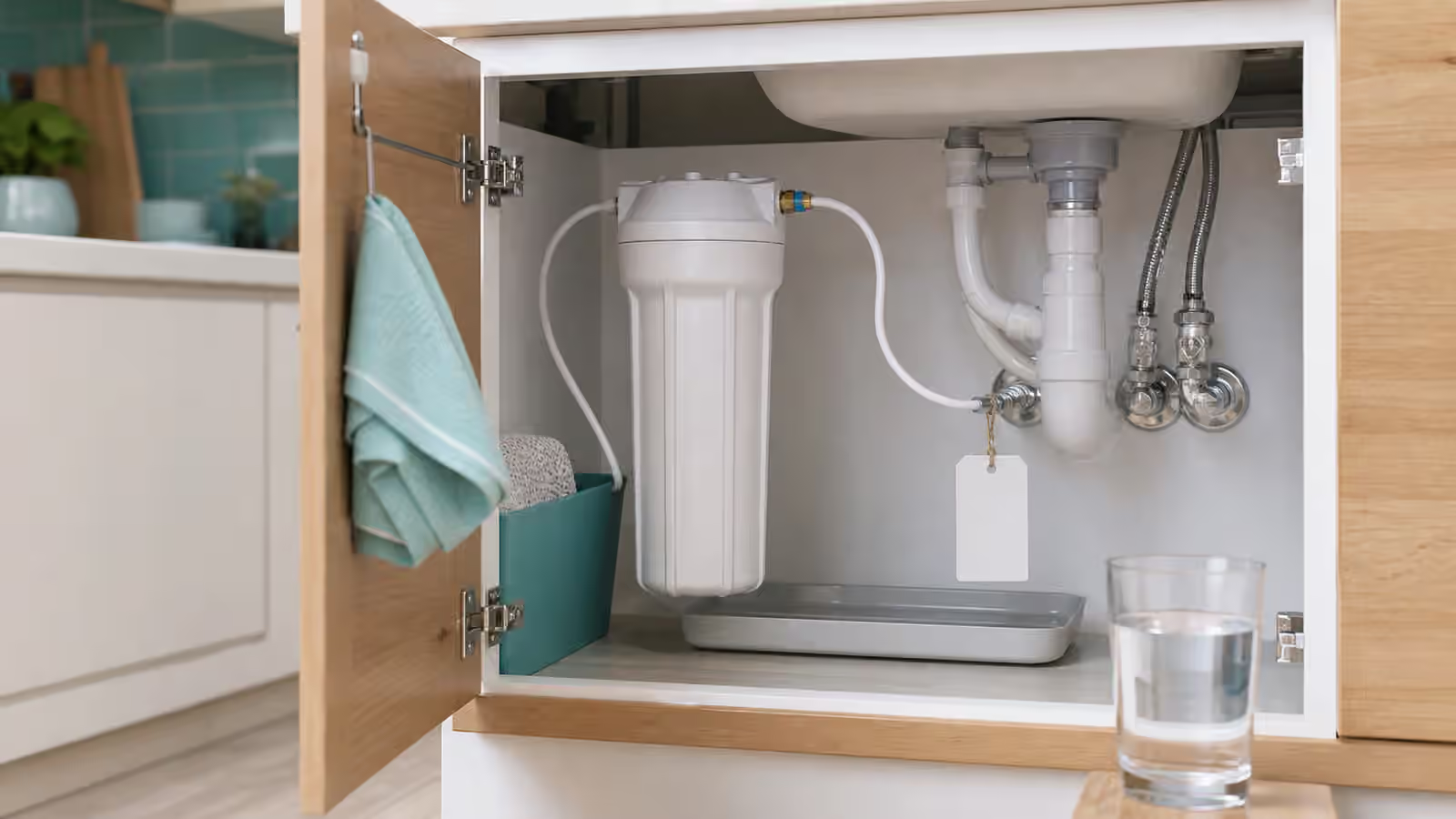
This is why Pitcher, Faucet, Countertop, Under-Sink, RO, and Whole-Home Filters compares locations rather than only media. Treatment at one drinking tap can be slow without affecting showers. Treatment at the whole-home entry point can affect everything. A reverse osmosis faucet can be deliberately limited while the main kitchen faucet remains normal. The right location depends on the water concern and the household’s tolerance for flow changes.
Clogging is a maintenance signal
A filter that becomes slower over time is often telling a maintenance story. Sediment, rust, carbon fines, scale, biological growth in some systems, or exhausted media can increase resistance. Sometimes the cartridge is doing its job and needs replacement. Sometimes it is being asked to handle a source problem it was not sized for. Sometimes the prefilter is missing, undersized, or installed in the wrong place.
Filter Replacement Schedules explains why capacity and time both matter. Flow drop is a clue, but it should not be the only replacement rule. Waiting for a cartridge to become painfully slow can push it beyond the conditions behind its claim. On the other hand, replacing cartridges early without understanding a recurring clog may hide a sediment or plumbing issue that deserves attention.
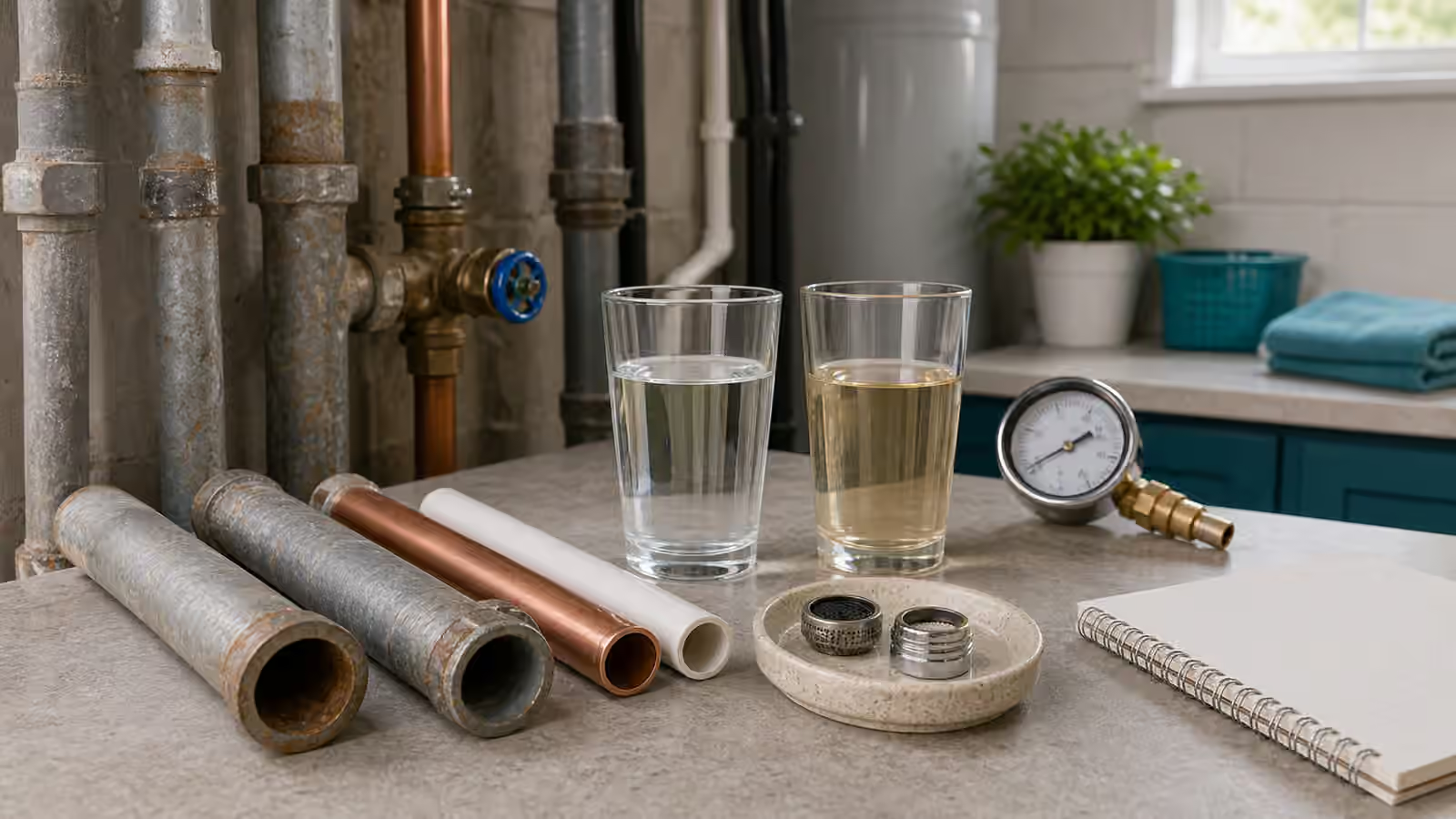
Sediment filters are the clearest example. A cartridge that loads up quickly on a private well may indicate that the well, pressure tank, pump cycle, plumbing, or upstream treatment needs a better look. A cartridge that clogs after nearby utility work may reflect a temporary disturbance. A cartridge that clogs only at one fixture may not be the cartridge at all. Sediment, Rust, and Cloudy Water helps separate those clues before the household buys a larger housing.
Reverse osmosis has its own rhythm
Reverse osmosis systems are often judged unfairly because people expect them to behave like a normal faucet. Many RO systems produce water slowly, store it in a tank, and then deliver from that tank until pressure drops. A full tank may fill a pot comfortably. A depleted tank may recover slowly. Low feed pressure, clogged prefilters, a tired membrane, a failing tank bladder, or a closed valve can all change the experience.
The RO guide, Reverse Osmosis for Beginners , covers the broader tradeoffs. For flow, the key is expectation. RO can be useful for some dissolved contaminants, but the household should understand storage volume, refill time, drain connection, cartridge sequence, membrane life, and taste before installation. A system that fits a careful drinking-water routine may not fit a household that wants filtered water for every cooking task at full faucet speed.
Remineralization or post-filter stages can add more restriction. Dedicated faucets vary. Long tubing runs can reduce performance. A refrigerator connection from an RO system can work in some setups and disappoint in others. Flow problems are not always water-quality problems. They are often design and maintenance problems that show up as impatience at the sink.
Whole-home treatment makes flow a shared decision
Whole-home filters, softeners, and scale-control devices affect more than drinking water. A restrictive entry filter can change showers, washing machines, outdoor taps, and appliance fill times. That may be acceptable when the device is solving a whole-home problem, but it is wasteful when the concern is only drinking water at one sink. Whole-Home vs Point-of-Use Water Treatment is the decision frame: put the fix where the problem lives.
Sizing matters. A cartridge housing that is too small for the house may create pressure drop during simultaneous use. A sediment filter that is not changed on time can make the whole home feel weak. A softener with a clogged prefilter may be blamed for pressure when the real issue is upstream. The more centralized the device, the more important service access and monitoring become.
Renters and apartment dwellers often have less control over whole-home pressure. A slow faucet in an apartment may involve building plumbing, fixture screens, supply valves, or landlord-managed equipment. Low-commitment filters can still help with taste when claims match the concern, but they cannot fix building pressure. The rental setup guide keeps that boundary clear.
Measure enough to stop guessing
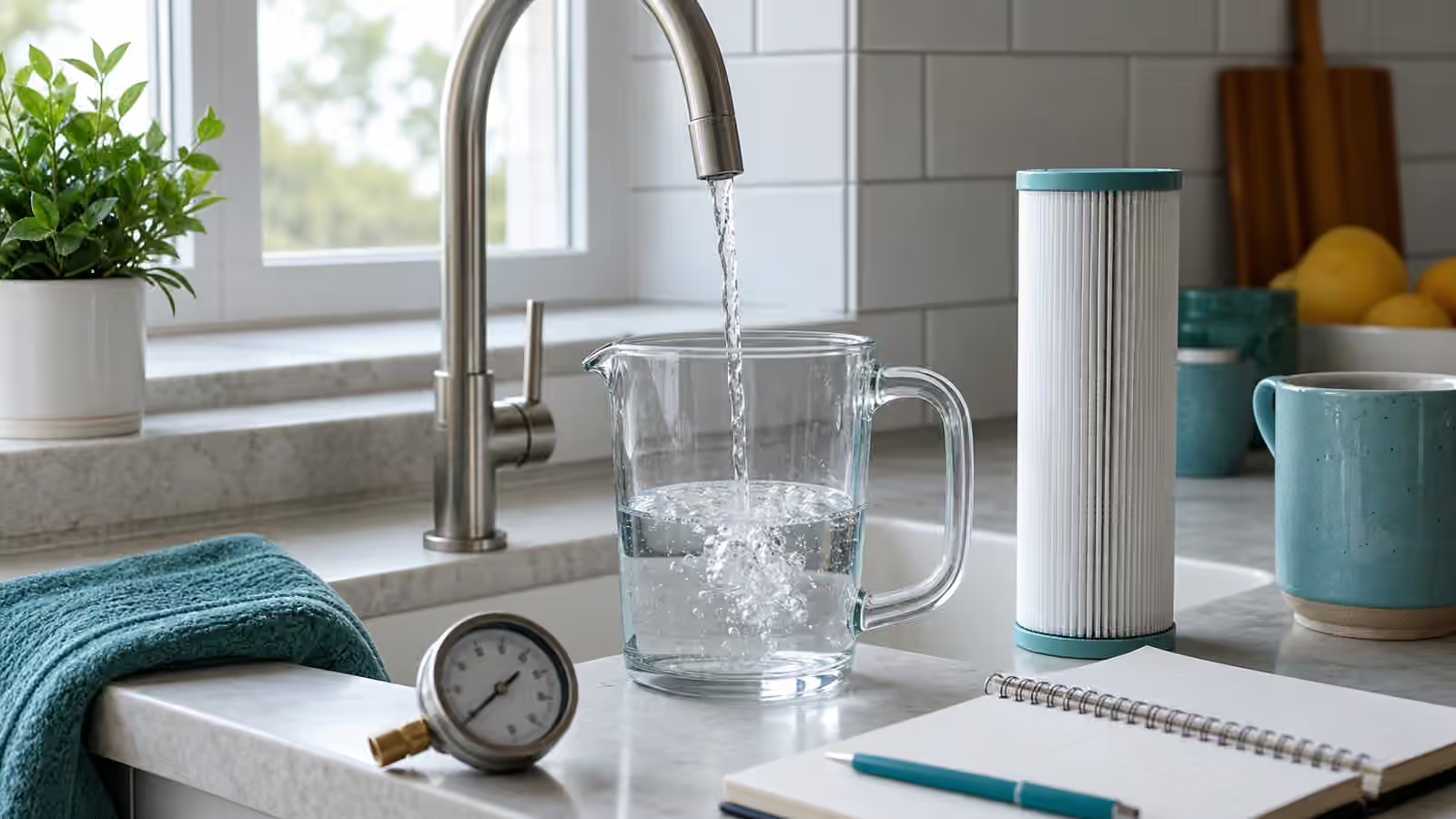
A simple timed fill can help. Use the same container, same tap, same valve position, and same filter state, then write down how long it takes before and after a cartridge change. The number does not replace a plumber, utility, or lab result, but it creates a baseline. If flow improves after replacing a cartridge and then declines quickly, the water may be loading the media. If flow is poor even with a new cartridge, the installation or product sizing may be the issue. If unfiltered taps are also slow, the question is broader.
Flow should be part of the purchase decision, not a surprise after installation. A filter must have the right claim, but it must also deliver water in a way people will use. If everyone bypasses the filter because it is slow, the verified claim is stranded under the sink. A calmer plan names the contaminant, chooses the treatment location, checks the rated flow, makes maintenance visible, and accepts the tradeoff before the first hole is drilled.
Good water treatment is not only chemistry. It is hydraulics, habits, and patience. The tap tells you when those pieces fit.