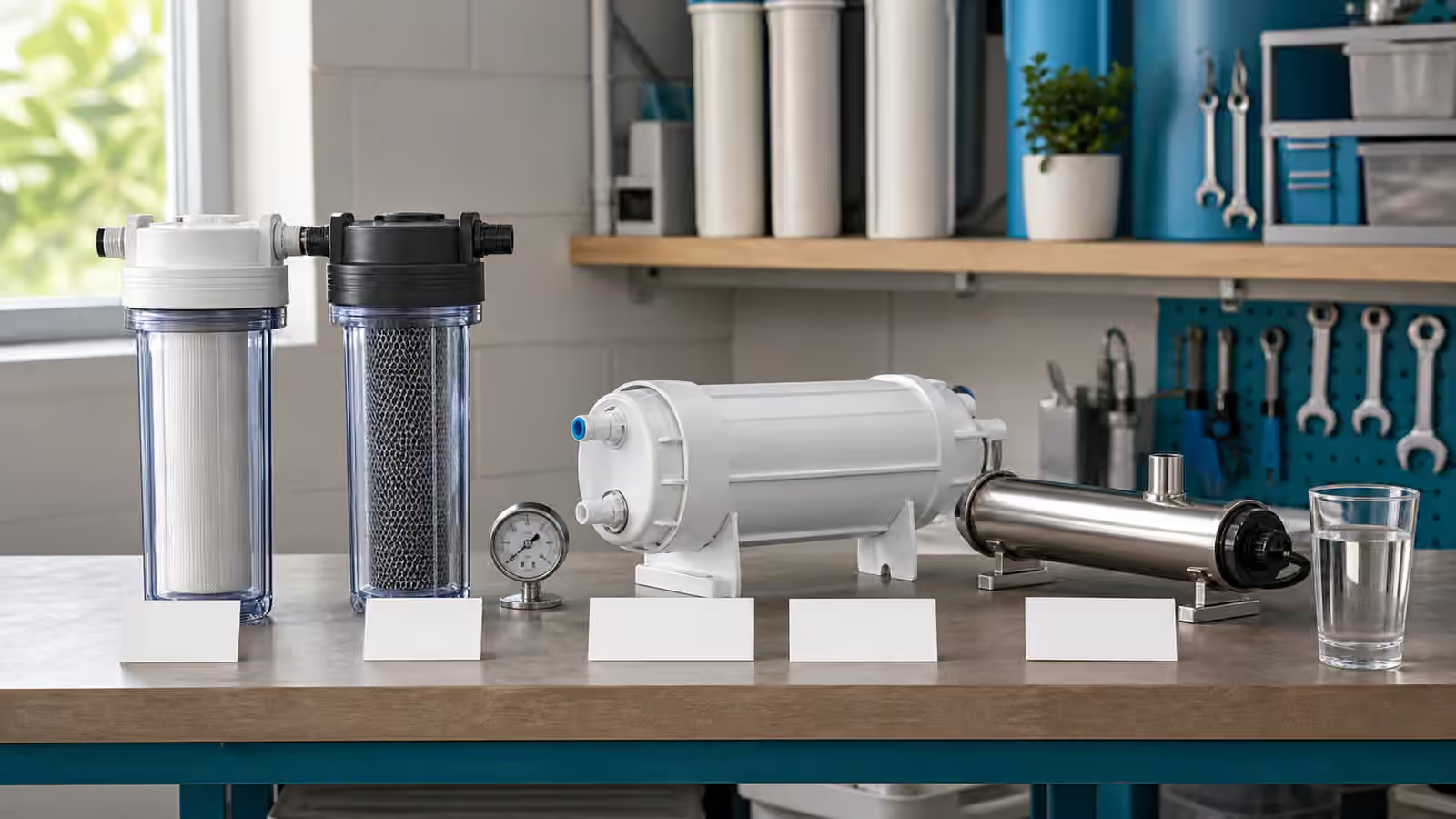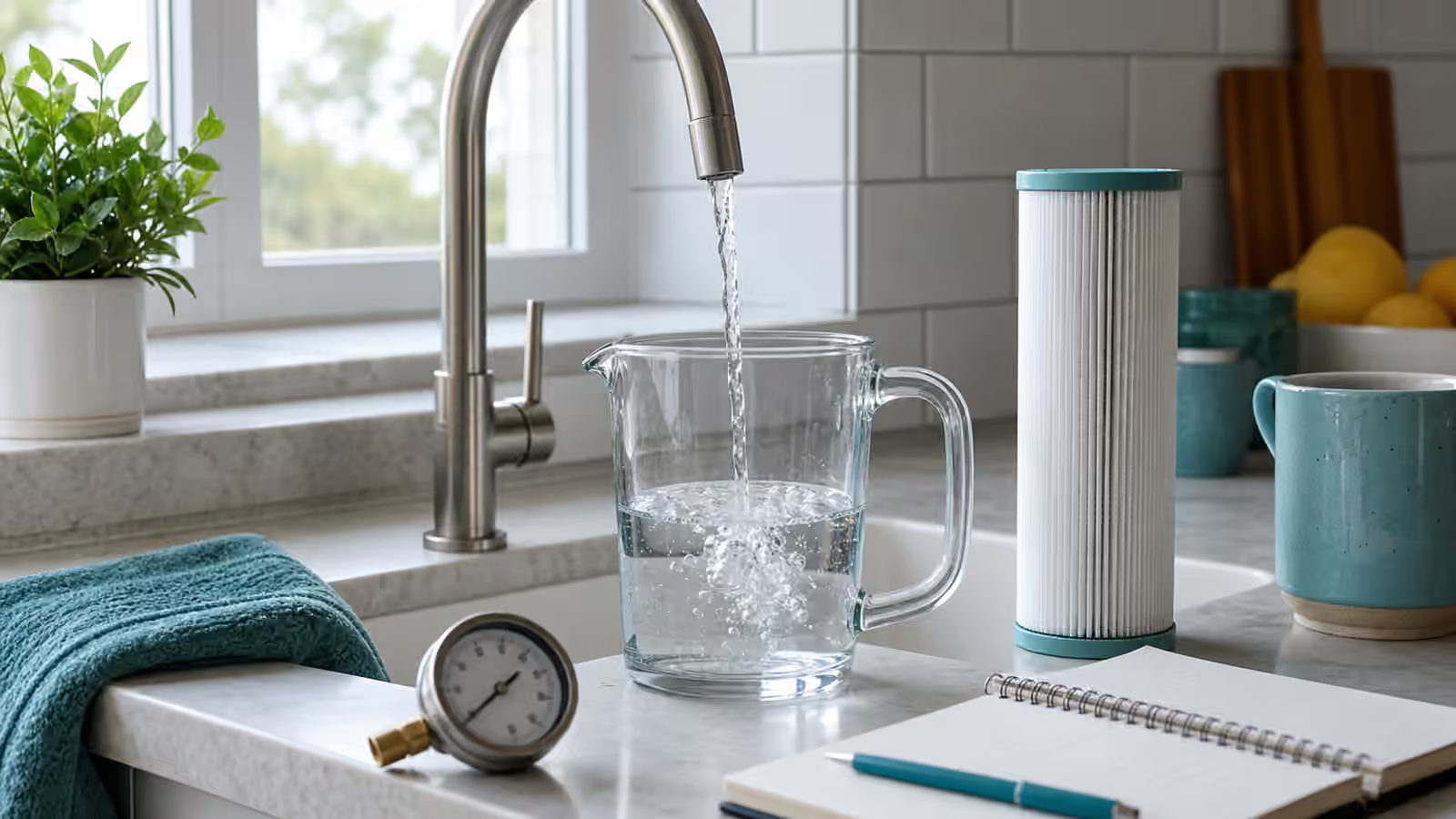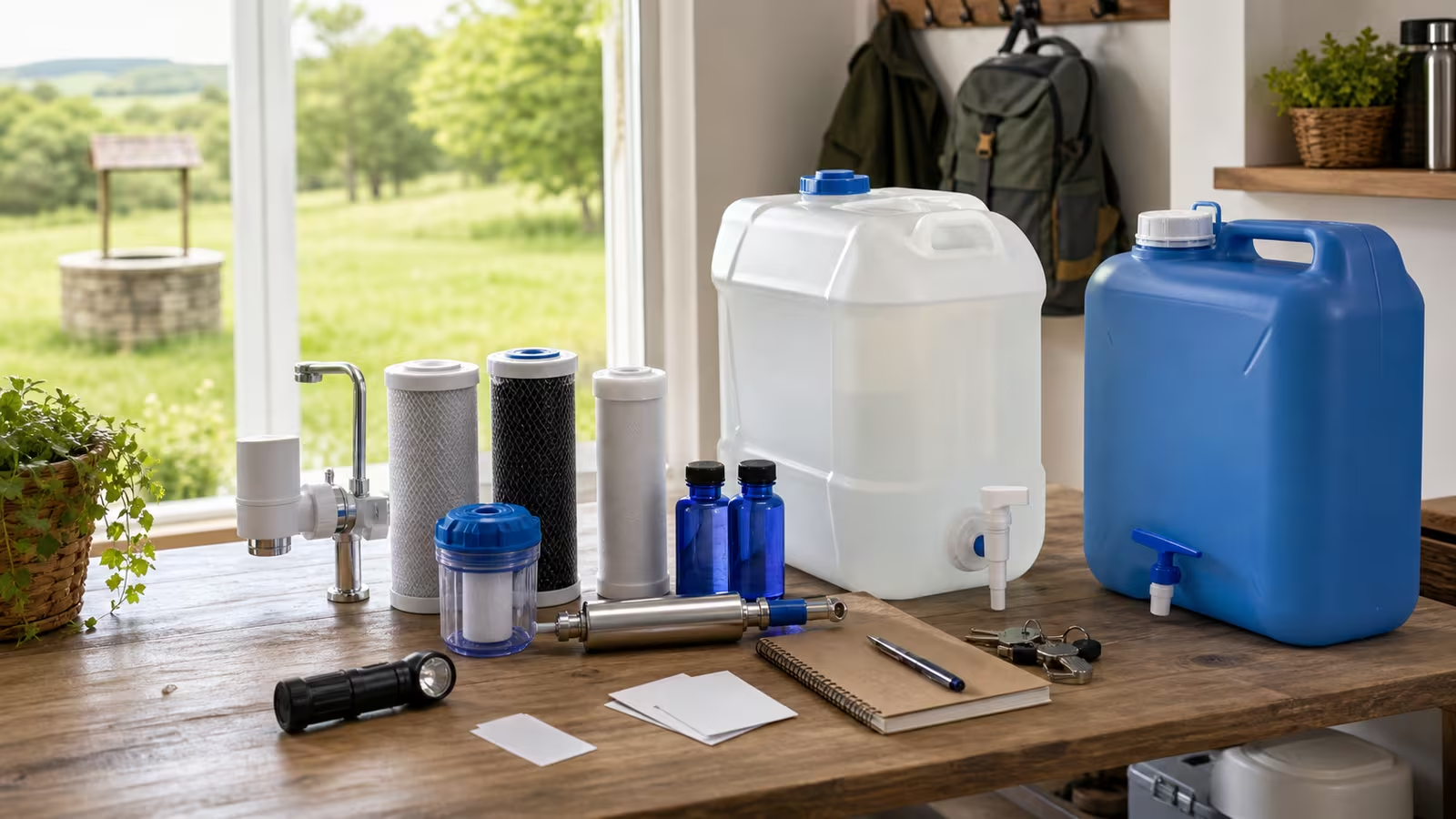
Tiny homes and RVs turn water into a system you can see. Fill source, hose, tank, pump, sediment, carbon, UV, storage, flushing, winterization, and taste all matter. A filter at one point does not erase the maintenance of the rest of the chain. For background, see EPA — Home Drinking Water Testing .
Clear Water Lab helps with everyday water decisions, reports, testing, certification checks, and maintenance. It is not medical advice, legal advice, or a substitute for local boil-water notices, certified lab results, utility instructions, or health department guidance.
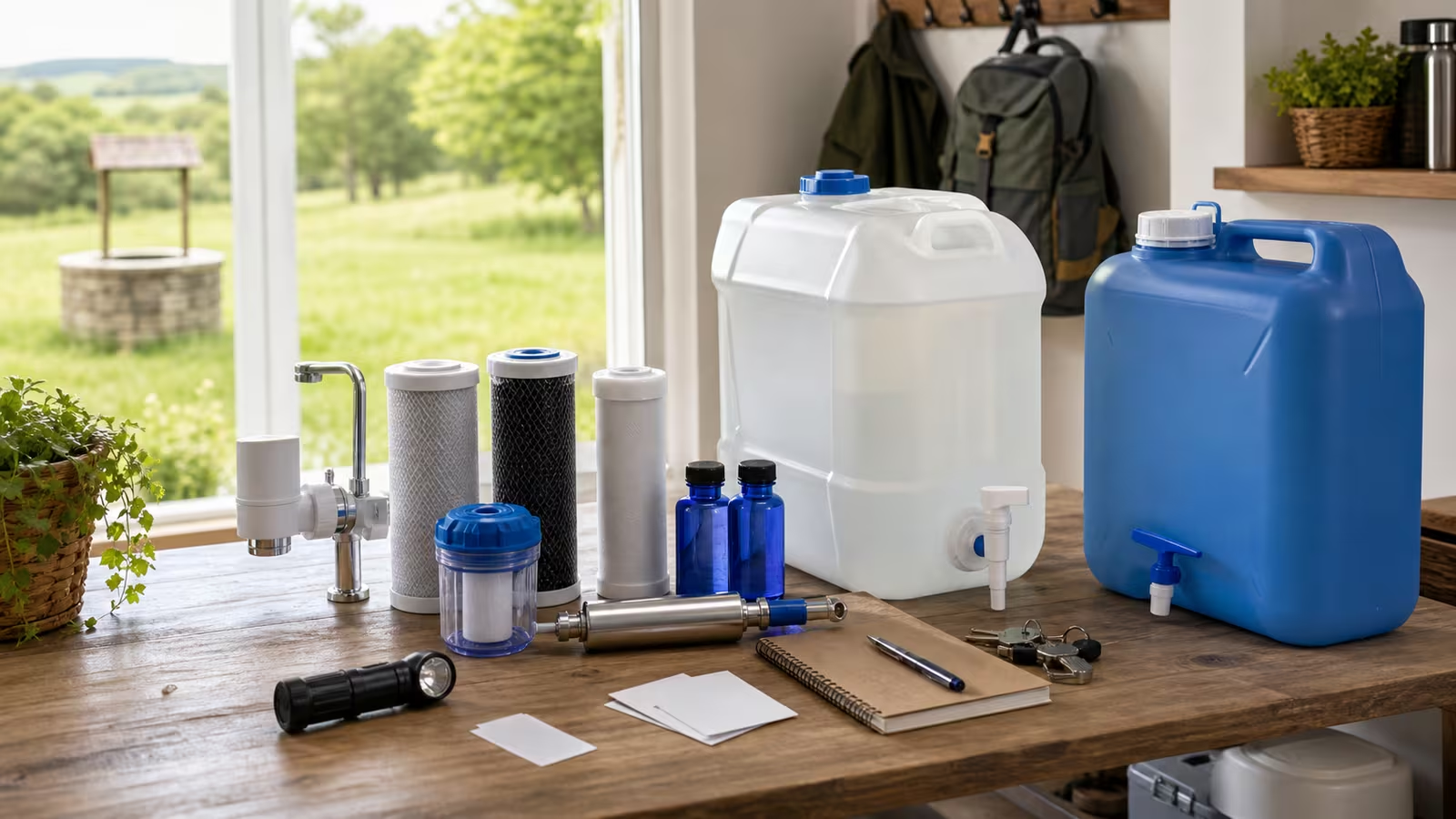
In small systems, the chain is visible
Tiny homes and RVs make water feel physical. You can see the fill hose, hear the pump, open the tank compartment, and watch the cartridge housing cloud with sediment. That visibility is useful because every link in the chain matters. Source, hose, tank, pump, sediment filter, carbon filter, UV unit, heater, faucet, drain, winterization, and storage all shape the water experience. A single inline filter cannot carry the whole system by itself.
Start at the fill point. A potable hose is not a decorative preference. A campground spigot, private well, hauled water source, municipal fill station, or shared hookup can each bring different questions. If the source is under an advisory or unknown, do not assume a small filter makes it acceptable. If the water will sit in a tank, cleaning, flushing, turnover, and temperature matter. If the system is seasonal, startup and shutdown routines matter too.
Small systems also blur everyday and emergency planning. A power outage may stop a pump. Freezing can damage lines. Sediment can clog filters. A forgotten tank can create taste and odor problems. A cartridge can expire while the home is parked. The system rewards a simple written checklist more than a pile of gadgets.
What this helps you decide
This helps you decide which parts of a small water system need testing, cleaning, filtration, certification, or routine maintenance.
Plain definitions
| Term | Plain meaning |
|---|---|
| Potable hose | A hose intended for drinking water use, not a garden hose chosen by convenience. |
| Sediment filter | A filter that catches particles before they clog downstream equipment. |
| UV unit | A treatment device that uses ultraviolet light for certain microbiological applications when installed and maintained correctly. |
Decision criteria
| Question | Useful next move |
|---|---|
| Unknown fill source | Treat the source as the first decision. A tank filter cannot make every source acceptable. |
| Sediment or cloudy water | Use sediment control before finer filters or appliances. |
| Taste issue | Carbon can help some taste and odor issues if it fits the claim and maintenance. |
| Microbial concern | UV and microbiological purifiers require correct sizing, clarity, power, lamp life, and instructions. |
Common mistakes
- Using a non-potable hose because it was nearby.
- Leaving water stagnant in a tank and judging only by smell.
- Relying on one inline filter for every campground, well, or emergency condition.
- Forgetting winterization, sanitizing, and cartridge changes.
Try this next
- Document the fill source, hose, tank, pump, filters, fixtures, and drain points.
- Separate sediment, taste, hardness, microbial, and dissolved-contaminant questions.
- Keep spare cartridges and written maintenance dates in the vehicle or tiny home.
- Tiny Homes sustainable systems is the natural companion for small-space utilities.
Safety and source check
When a source is suspect, flooded, untreated, or under an advisory, follow local guidance and certified treatment instructions. Small systems leave less room for guessing.
Related Fondsites path
- Emergency Water Basics
- Pitcher, Faucet, Countertop, Under-Sink, RO, and Whole-Home Filters
- Activated Carbon Filters
- Tiny Homes legal requirements
Build a water map you can maintain
Draw the system from source to glass. Label the fill source, hose, tank, pump, prefilter, carbon stage, UV stage if present, water heater, fixtures, drains, and bypasses. Add dates for sanitizing, cartridge replacement, winterization, and any water tests. This map does not need to be pretty. It needs to be clear enough that someone can use it when a pump cycles strangely, flow drops, or taste changes after a long stay.
Separate problems by category. Sediment calls for particle control and source awareness. Taste may call for carbon and tank maintenance. Microbial concerns require source quality, sanitizing, and treatment devices used exactly within instructions. Dissolved contaminants require tests and certified claims. Hardness can affect scale and appliances. These categories can overlap, but naming them keeps one device from being asked to do every job.
Storage deserves particular respect. Water that was fine at filling can become unpleasant after sitting in heat, moving through questionable hoses, or passing through neglected tanks. Flush routines, potable materials, shade, turnover, and cleaning schedules are part of quality. The small-system owner has more control, which means more responsibility.
The best tiny-home or RV water setup feels boring in a good way. The hose is right, the source is known, the tank is maintained, the filters have dates, and the household knows when to stop and seek local guidance. A compact system can be resilient, but only when the visible chain is treated as one connected system.
Before travel days or seasonal reopenings, walk the chain from fill source to glass. Look for cracked hoses, stale cartridges, loose fittings, tank odors, pump cycling, sediment, and missing dates. That walk-through is small enough to become routine, and it catches many problems before they become part of a meal, shower, or late-night repair.