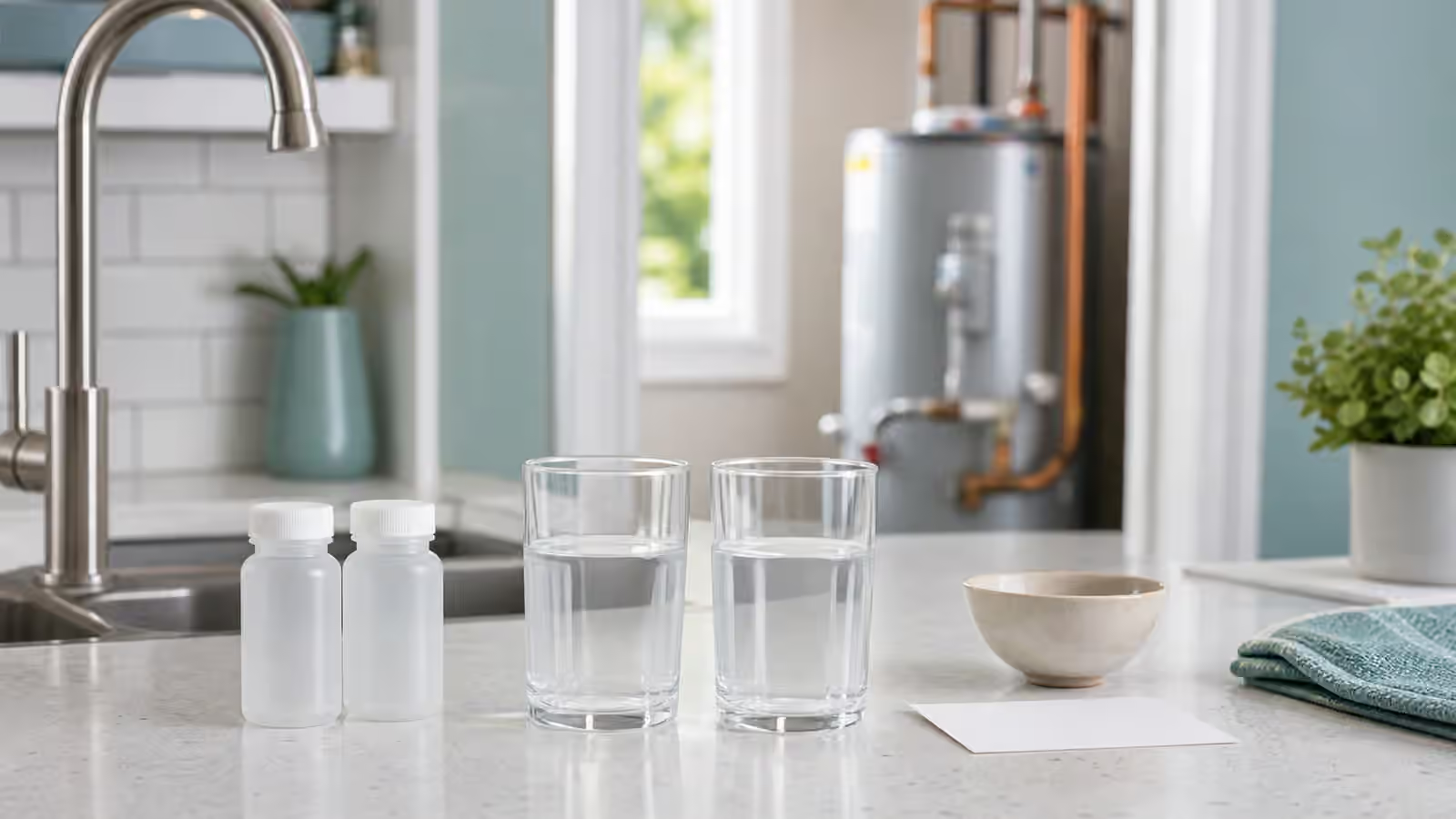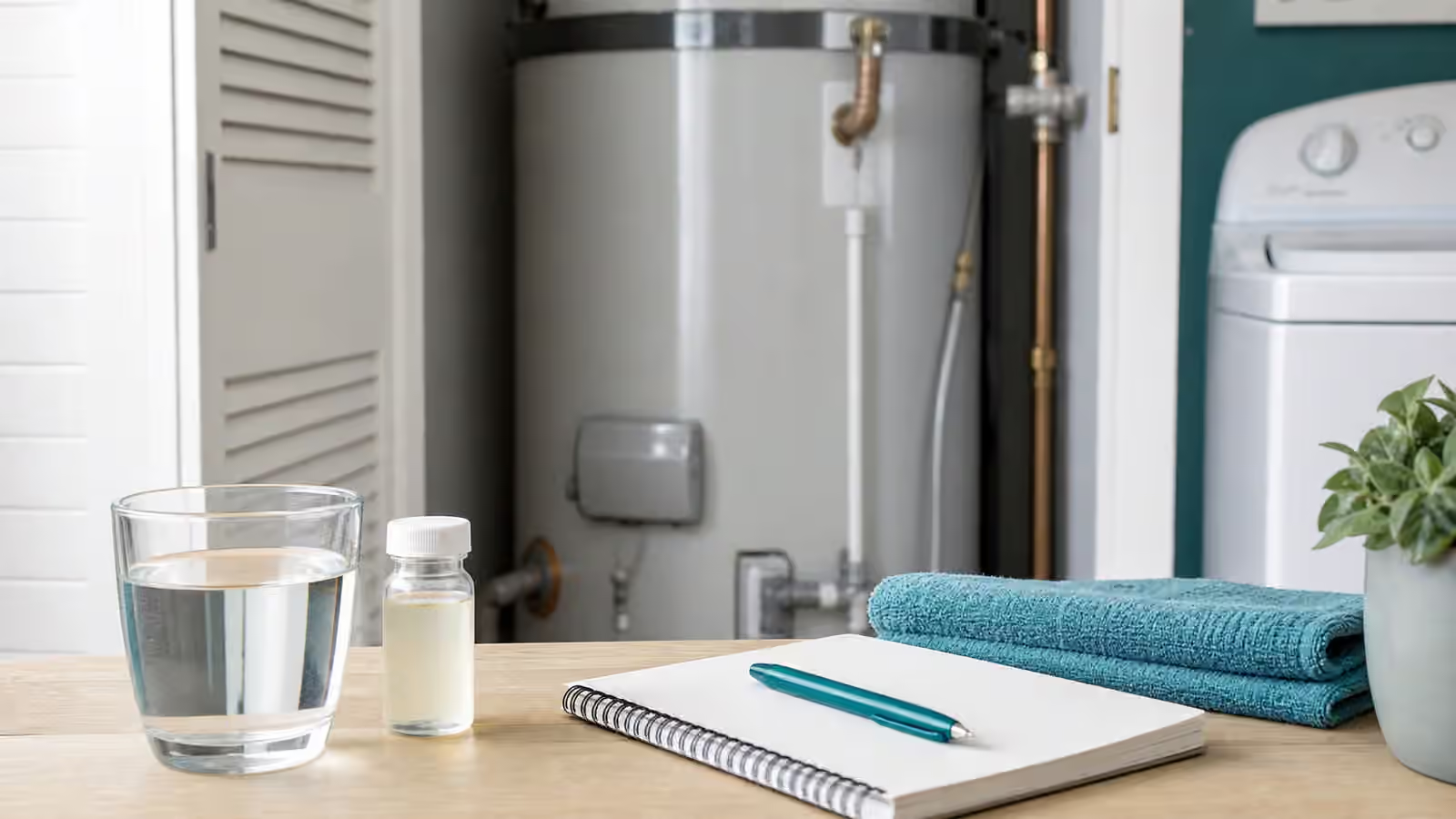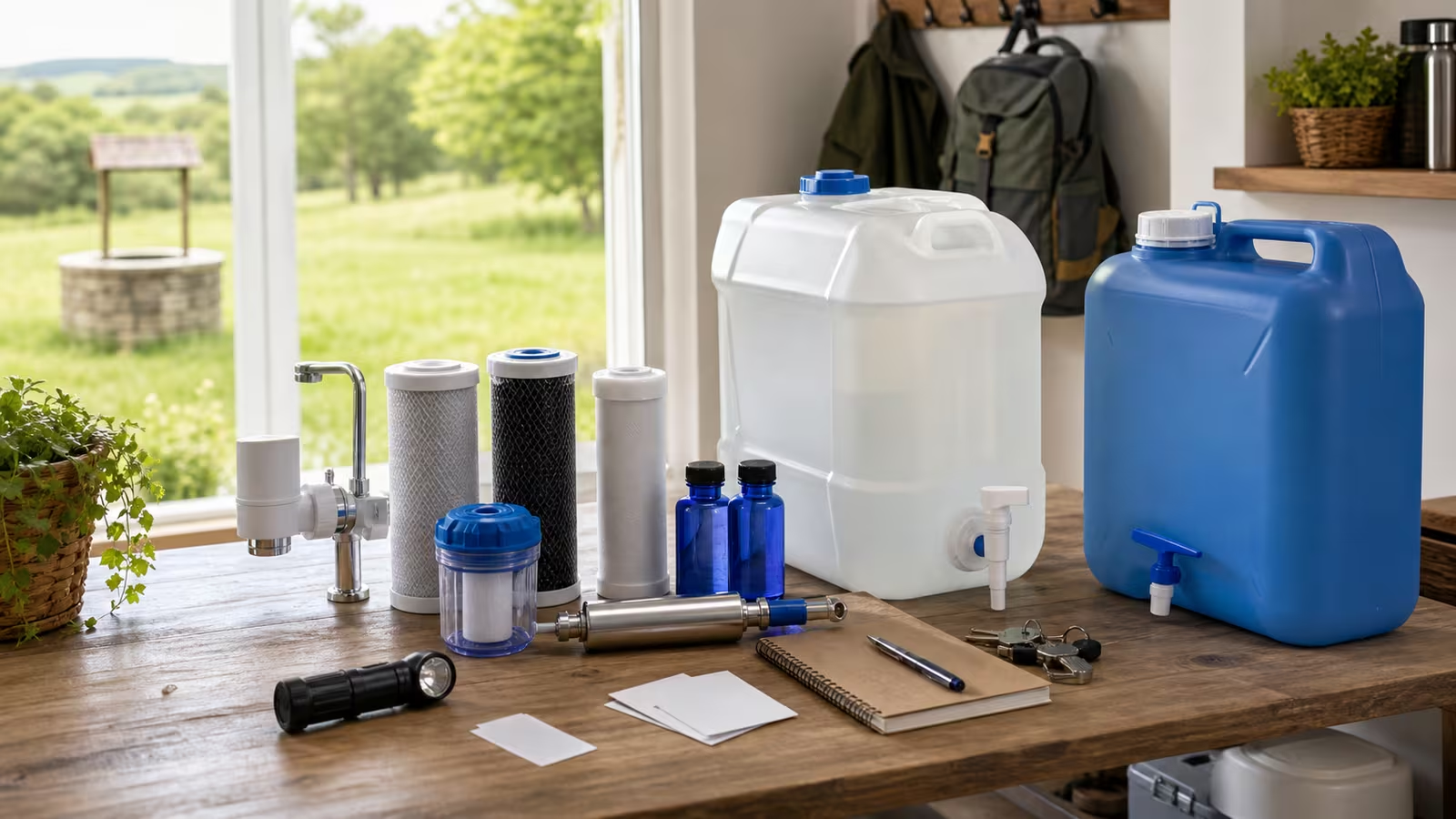
Taste and odor are useful clues, but they are not lab results. Chlorine, metal, earthy notes, rotten-egg smells, plastic tastes, and sudden changes can point to very different causes. Start by noticing when it happens, which taps are affected, and whether neighbors or the utility are seeing it too. For background, see EPA — Home Drinking Water Testing .
Clear Water Lab helps with everyday water decisions, reports, testing, certification checks, and maintenance. It is not medical advice, legal advice, or a substitute for local boil-water notices, certified lab results, utility instructions, or health department guidance.
Follow the pattern before choosing the fix
Taste and odor troubleshooting begins like a small mystery. The first clue is not the flavor itself, but the pattern around it. Does it happen only from one tap? Only with hot water? Only after water sits overnight? Only during utility work, seasonal changes, or after a filter sat unused? Does a neighbor notice it too? A pattern can separate a building issue from a fixture issue, a water heater issue from a cold-water issue, and a broad utility event from a cartridge that simply needs replacement.
The vocabulary helps. Chlorine or pool-like taste often points toward disinfectant taste and can sometimes be improved by a maintained carbon filter. Metallic taste can involve plumbing, corrosion, iron, copper, or lead concerns that may need testing. Earthy or musty notes can come from source water, seasonal compounds, or pipe work. Rotten-egg smell may involve sulfur compounds, drains, wells, or water heaters. Plastic taste may come from hoses, tanks, new plumbing, pitchers, or stagnant water.
The point is not to self-diagnose perfectly. The point is to avoid treating every clue the same. A sudden strong change, widespread issue, pressure loss, flooding, or official notice deserves a utility call or health department guidance. A stable chlorine taste from public water may be a good fit for a verified taste-and-odor carbon claim. A well smell should be handled with testing and local advice rather than perfume, flavor drops, or guesswork.
What this helps you decide
This helps you decide whether to flush, call the utility, test, inspect plumbing, replace a filter, or look for a certified taste-and-odor claim.
Plain definitions
| Term | Plain meaning |
|---|---|
| Aesthetic issue | A taste, odor, color, or appearance issue that may not imply a health standard violation by itself. |
| Distribution work | Utility flushing, pipe work, seasonal source changes, or disinfectant changes that can affect taste. |
| Well indicator | A smell, sediment change, or taste shift that may prompt well inspection or lab testing. |
Decision criteria
| Question | Useful next move |
|---|---|
| Chlorine or pool-like taste | Often an aesthetic disinfectant issue. Carbon may help if certified for the claim. |
| Metallic taste | Could involve plumbing, corrosion, iron, copper, or other metals. Test if it persists or concerns lead. |
| Earthy or dirt taste | Can be source water, seasonal algae compounds, pipe work, or sediment. Ask the utility if widespread. |
| Rotten-egg smell | Can involve sulfur compounds, water heaters, drains, or wells. Isolate hot vs cold water. |
| Plastic taste | Consider new plumbing, hoses, pitchers, tanks, storage containers, or stagnant water. |
Common mistakes
- Treating every taste issue as proof of danger.
- Treating every taste issue as harmless.
- Buying a filter before checking whether the problem is one tap, hot water only, or the whole neighborhood.
- Masking smells with flavor instead of finding the pattern.
Try this next
- Compare cold water, hot water, first draw, flushed water, and another tap.
- Ask a neighbor or utility if the issue appears outside your home.
- For wells, test instead of guessing from smell.
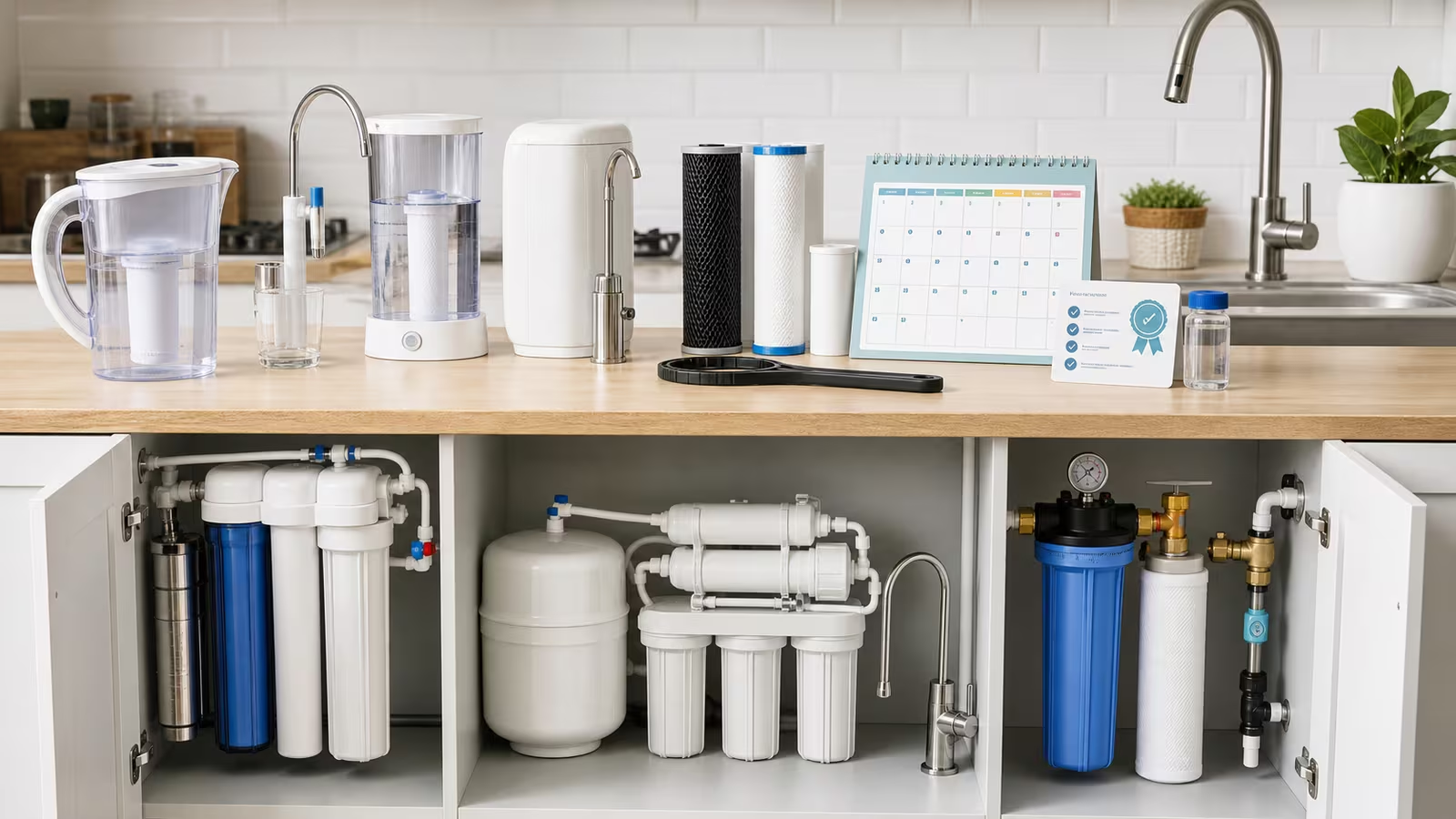
- Use Activated Carbon Filters if the pattern fits a taste-and-odor filter, then verify the claim.
Safety and source check
Sudden, strong, or widespread taste, odor, color, or sediment changes deserve a utility call or health department guidance, especially after flooding, construction, or a pressure loss.
Related Fondsites path
- How to Read Your Water Quality Report
- Lead in Drinking Water
- Hard Water vs Bad Water
- Nitrates, Arsenic, and Private Wells
A calm tasting protocol
Use a clean glass and compare samples. First draw cold water, then flushed cold water. Try another tap. Compare hot and cold water only after thinking about the water heater. If you use a pitcher, faucet filter, refrigerator filter, or under-sink system, compare filtered and unfiltered water when practical. Note the date, weather, recent plumbing work, filter age, and whether nearby households notice the same issue. This is simple, but it turns an impression into evidence.
Do not overcorrect too fast. Replacing a cartridge, flushing a line, descaling a kettle, cleaning an aerator, or calling the utility may be the right first move depending on the pattern. Buying a large system before locating the source can leave the real issue untouched. If the smell is from a drain, a drinking-water filter will not fix it. If the problem is hot water only, the cold-water treatment plan may be beside the point.
For filters, keep the claim modest. A carbon device certified for taste and odor can be a good everyday tool, but it should not be described as solving lead, PFAS, nitrates, arsenic, bacteria, or unknown well concerns unless the exact product has the exact certified claim. Taste is a clue. Certification is evidence. Testing and official guidance handle the higher-stakes questions.
Good troubleshooting leaves the kitchen calmer. You know which tap changed, when it happens, who else is affected, which maintenance step is due, and which authority or test comes next. That is better than either panic or dismissal.