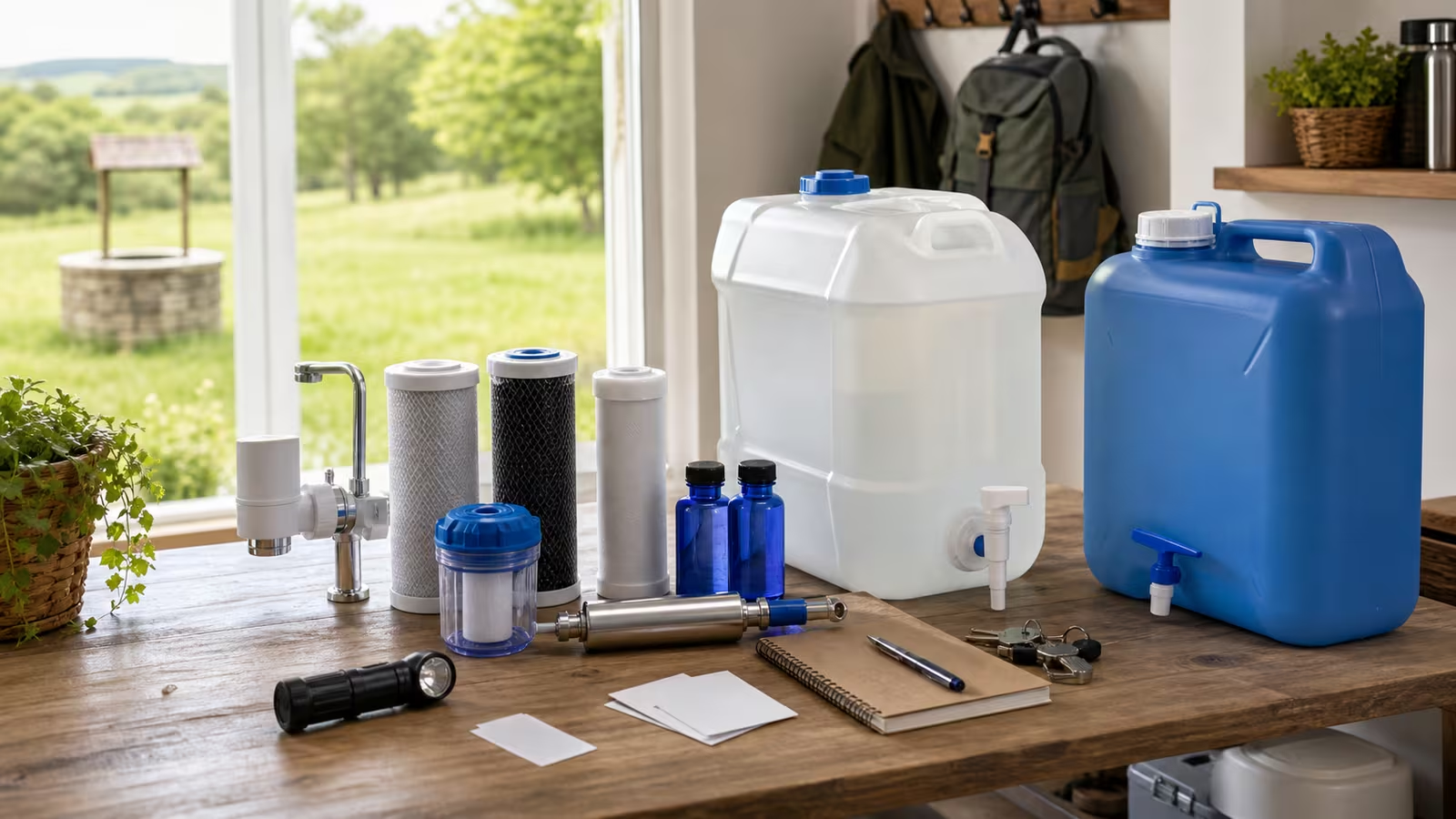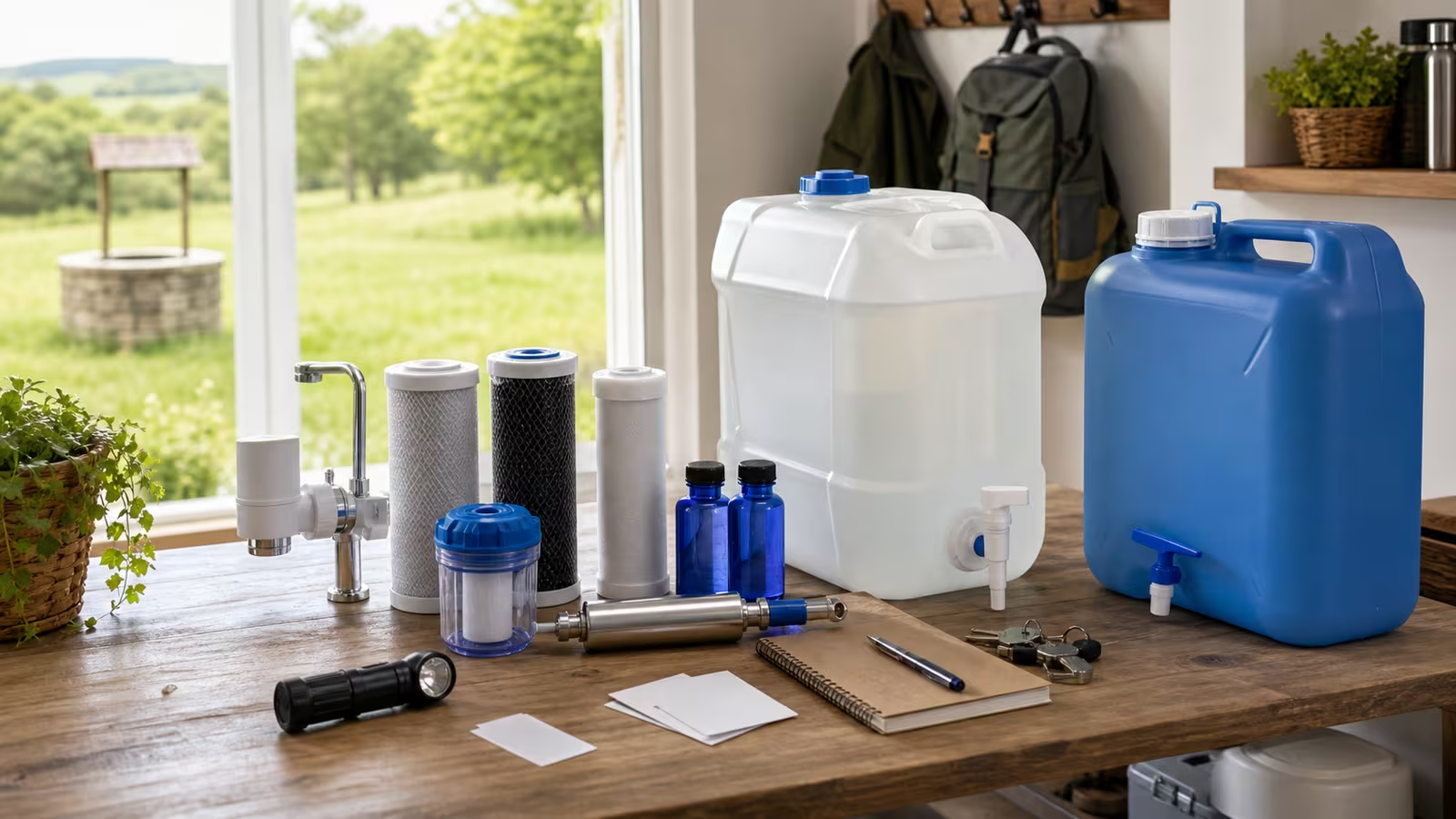
The best first water decision is not a shopping decision. It is a source decision. City water, private wells, building plumbing, taste complaints, and specific contaminant concerns each point toward different next steps. Start with the water you actually have, then choose a filter only if it fits the problem and the maintenance you will keep doing. For background, see EPA — Best Practices Factsheet: Consumer Confidence Report .
Clear Water Lab helps with everyday water decisions, reports, testing, certification checks, and maintenance. It is not medical advice, legal advice, or a substitute for local boil-water notices, certified lab results, utility instructions, or health department guidance.
Start at the sink, not the shelf
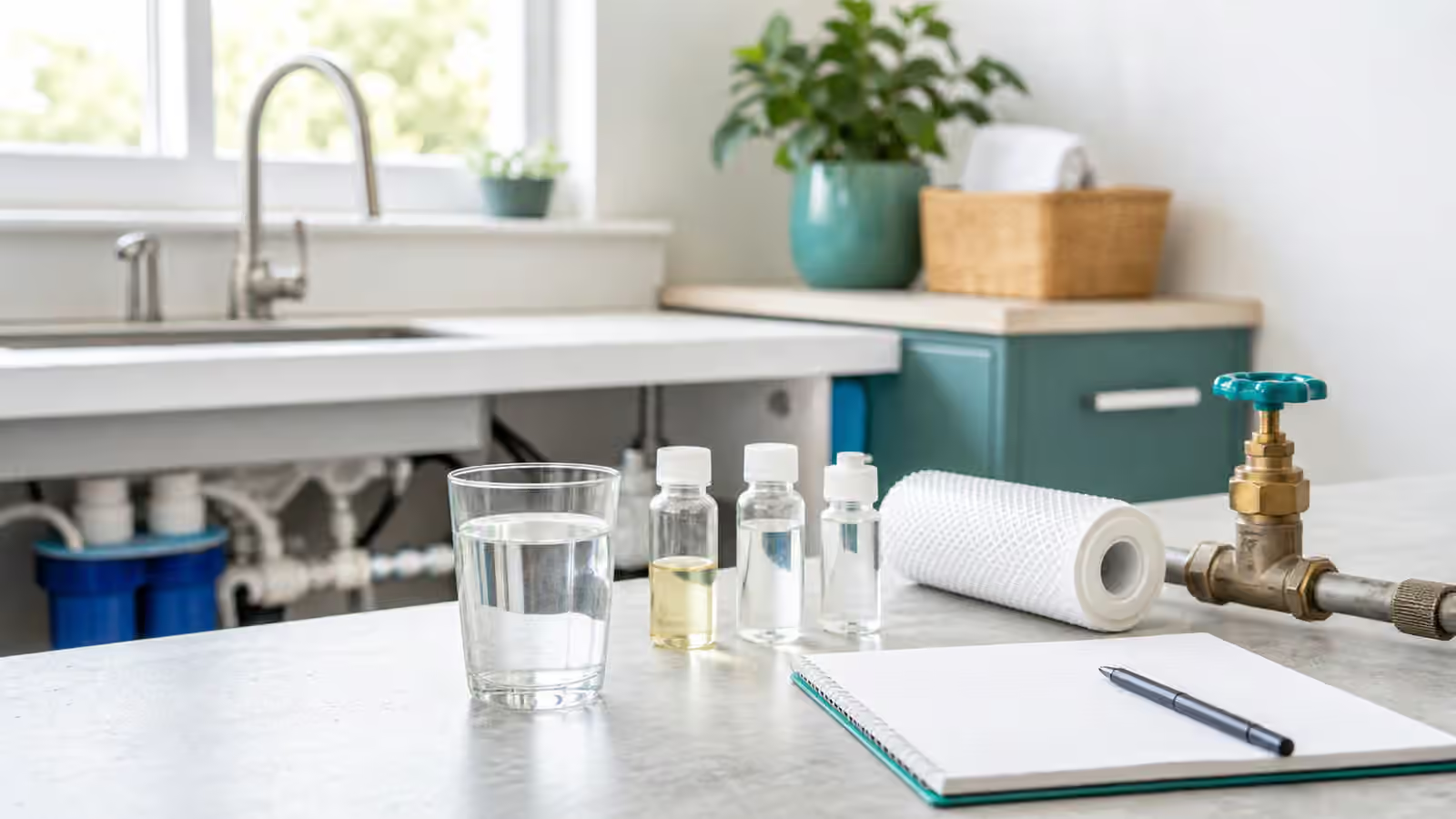
The water filter aisle can make every problem feel urgent and every box feel like a rescue. A better first move is quieter. Fill a glass, notice what made you question it, and write down the source you are working with. A renter in a city apartment, a homeowner with old plumbing, a cabin on a private well, and a family using an RV tank are not solving the same puzzle. They may all drink from a tap, but the responsible next step changes before any product enters the story.
Think of this quickstart as a small lab bench for the home. The glass of water is only one clue. The report, the building age, the fixture, the storage tank, the maintenance history, and any official notice all sit beside it. Taste can tell you something changed, but taste is not a contaminant test. A clear glass can still deserve a closer look, and an unpleasant flavor can sometimes be an aesthetic issue rather than a health claim. The point is not to panic. The point is to stop guessing.
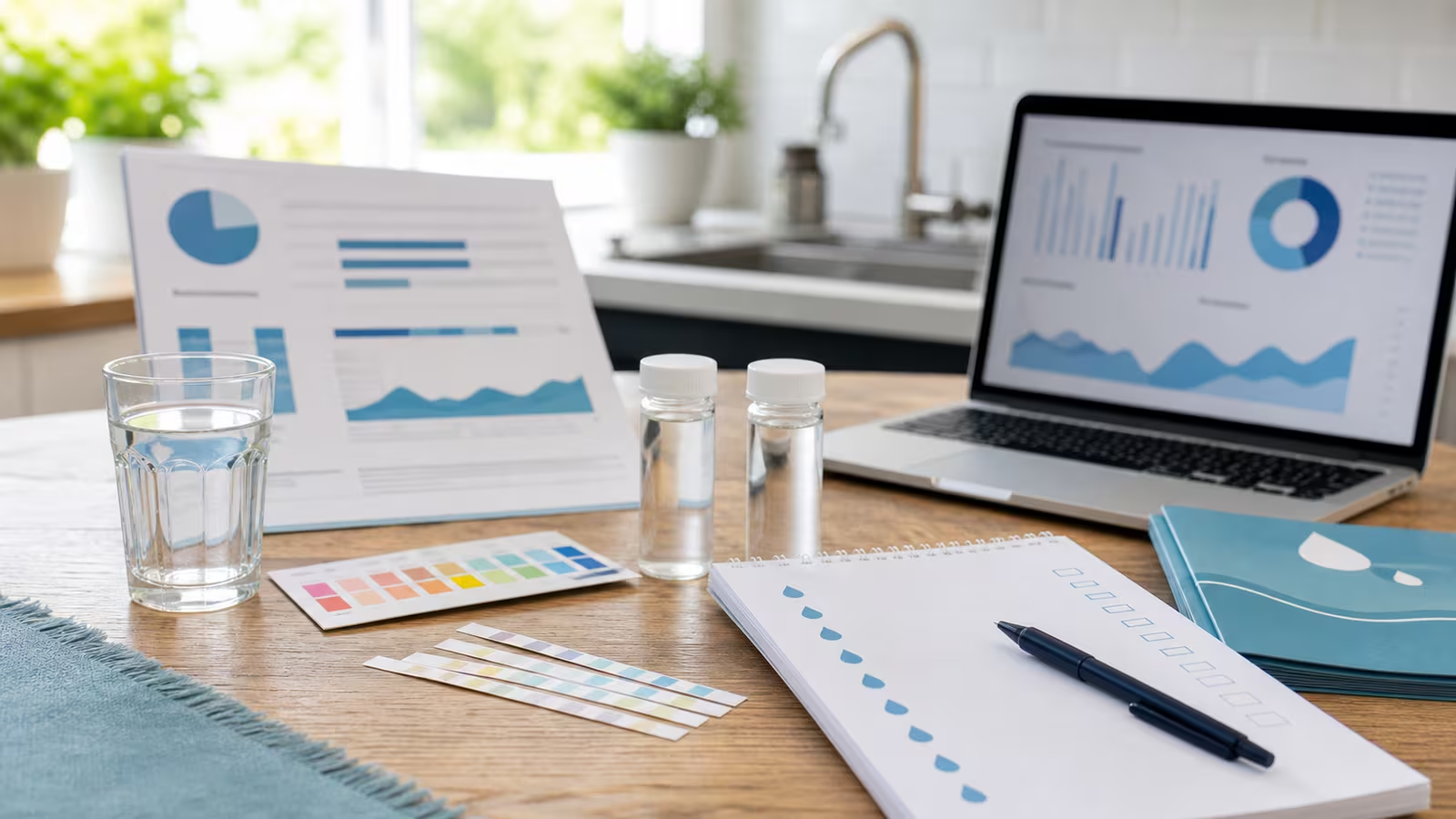
When the source is public water, the Consumer Confidence Report gives you a starting map. It will not answer every building-plumbing question, and it may not describe what happens after water leaves the utility, but it keeps you from shopping blind. When the source is a private well, the map is different. You are closer to the responsibility, and the best first evidence usually comes from appropriate lab testing and local health department guidance. A quick strip can be useful for some everyday checks, but it is not the same as a lab result for contaminants like arsenic, nitrates, or bacteria.
What this helps you decide
This helps you decide whether to read a report, test water, call a utility, check a private well, choose a certified filter, or stop shopping until you know the target contaminant.
Plain definitions
| Term | Plain meaning |
|---|---|
| Source water | Where the water comes from before it reaches the tap, such as a public water system, private well, storage tank, RV tank, or bottled source. |
| Point-of-use filter | A filter used at one tap or container, such as a pitcher, faucet mount, countertop unit, under-sink system, or refrigerator filter. |
| Certified reduction claim | A claim verified by a recognized certification body for a specific model, standard, contaminant, and capacity. |
Decision criteria
| Question | Useful next move |
|---|---|
| Public water system | Find the Consumer Confidence Report, read any public notices, and ask the utility about current concerns before buying. |
| Private well | Use a certified lab or local health department guidance. A store test strip is not enough for arsenic, nitrates, bacteria, or many site-specific risks. |
| Taste or odor | A carbon filter may help if the issue matches a certified aesthetic claim, but sudden changes should be reported or tested. |
| Lead, PFAS, nitrates, arsenic, or microbes | Match the contaminant to a verified claim. Do not assume a general filter handles health concerns. |
Common mistakes
- Buying a filter because the box lists many contaminants without checking the exact certified model listing.
- Treating a pitcher filter as a private-well treatment plan.
- Ignoring cartridge replacement, flow limits, and installation instructions.
- Calling water either safe or unsafe based only on taste.
Try this next
- Name your source: public system, private well, building storage, RV tank, or other.
- Read How to Read Your Water Quality Report if you are on city water, or start with City Water vs Well Water if you are unsure.
- For a specific concern, jump to NSF/ANSI 42 vs 53 vs 58 vs 401 and How to Verify a Water Filter Claim before buying.
- Write the maintenance rule on the calendar before the filter is installed.
Safety and source check
Clear Water Lab is practical education, not medical or legal advice. Follow local boil-water notices, public health guidance, and certified lab results when they apply.
Related Fondsites path
- Coffee Mastery water guide
- Tea Water: Why the Same Leaves Taste Different
- Home Energy Lab outage food, water, and communications
The purchase can wait one notebook page
A useful water note is short and concrete. Write the date, the address or system, whether you use public water or a private source, what changed, and which tap you noticed it from. Add the exact filter model if one is already installed. If the concern is taste, describe it plainly: chlorine, metal, earthy, sulfur, plastic, flat, salty, or stale. If the concern is a news story or a known contaminant, name the contaminant instead of writing “bad water.” That one page will keep the next decision honest.
From there, match the tool to the question. A carbon pitcher may be a reasonable taste upgrade when the cartridge claim matches the job and the replacement schedule fits your routine. It is not a private well plan. A reverse osmosis system may be useful for some dissolved contaminants, but it asks for installation space, wastewater tolerance, cartridge discipline, and sometimes remineralization for taste. A whole-home treatment system may protect appliances or treat sediment, but it can be the wrong answer for a contaminant that only needs a certified point-of-use device at the drinking tap.
The most beautiful water setup is the one you can maintain. A forgotten cartridge is not a quiet detail. Flow rate, capacity, date labels, shutoff access, leak checks, and replacement costs decide whether the system keeps its promise after the first week. Before buying, imagine the Tuesday night version of yourself. If that person will not crawl under the sink, set calendar reminders, or order cartridges on time, choose a simpler setup or solve the evidence gap first.
This quickstart should leave you with a calmer kind of confidence. You do not need to become a chemist. You need to know your source, read the right evidence, verify the claim, and keep the maintenance visible. Good water decisions often begin with restraint: one report, one test when needed, one certified claim matched to one real concern.