pH is one of the most tempting water numbers because it looks simple. A strip changes color, a meter shows a value, and the household wants to know whether the water is good or bad. The honest answer is more careful. pH can matter for taste, corrosion, scale, treatment performance, and plumbing clues, but it is only one part of water chemistry. It should start a better question, not end the investigation. For background, see EPA — Secondary Drinking Water Standards: Guidance for Nuisance Chemicals .
Clear Water Lab helps with everyday water decisions, reports, testing, certification checks, and maintenance. It is not medical advice, legal advice, or a substitute for local boil-water notices, certified lab results, utility instructions, or health department guidance.
pH is a condition, not a contaminant list
pH describes how acidic or basic water is on a scale. That sentence is familiar, but it leaves out the part that matters at home: pH does not tell you what is dissolved in the water, whether a named contaminant is present, or which treatment device will fix a concern. It describes one condition that interacts with minerals, alkalinity, disinfectants, plumbing materials, and treatment equipment.
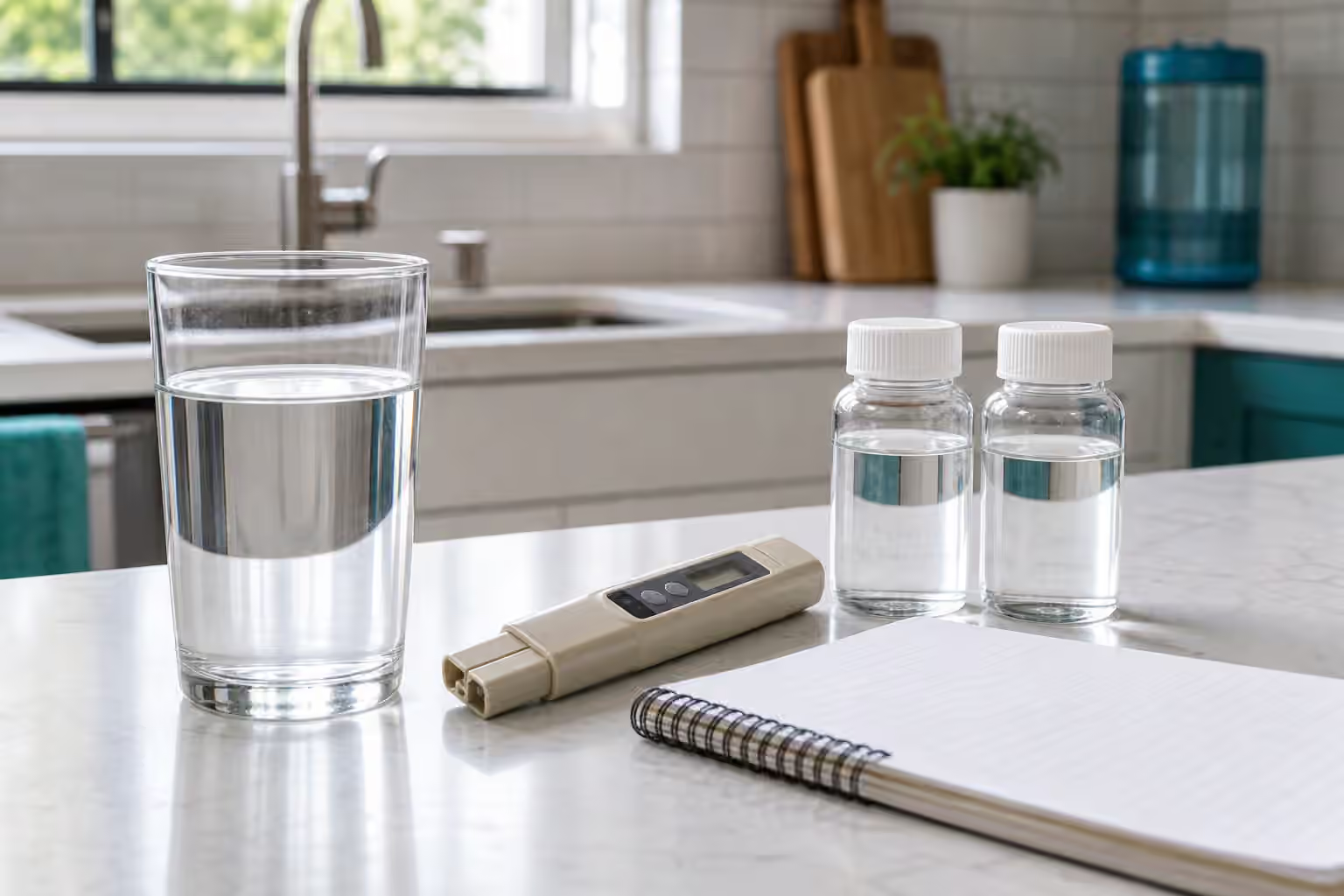
This is why two waters with the same pH can behave differently. One may have enough alkalinity to resist change. Another may be low in buffering capacity and more likely to shift when it meets plumbing or treatment. One may be hard and scale-forming. Another may be low-mineral and more corrosive under some conditions. A pH strip cannot show those surrounding details. A calibrated meter can improve the measurement, but it still measures pH rather than the whole water story.
For public water, the water quality report may include pH or related chemistry, and the utility may control corrosion conditions across the system. That report is a starting point, not a perfect description of every faucet after water passes through service lines, building plumbing, heaters, filters, and fixtures. How to Read Your Water Quality Report helps separate system evidence from home-specific clues. For private wells, pH sits even closer to household responsibility because geology and treatment equipment can shape the source before it reaches the tap. City Water vs Well Water is useful background before changing equipment.
Low pH can make plumbing clues more important
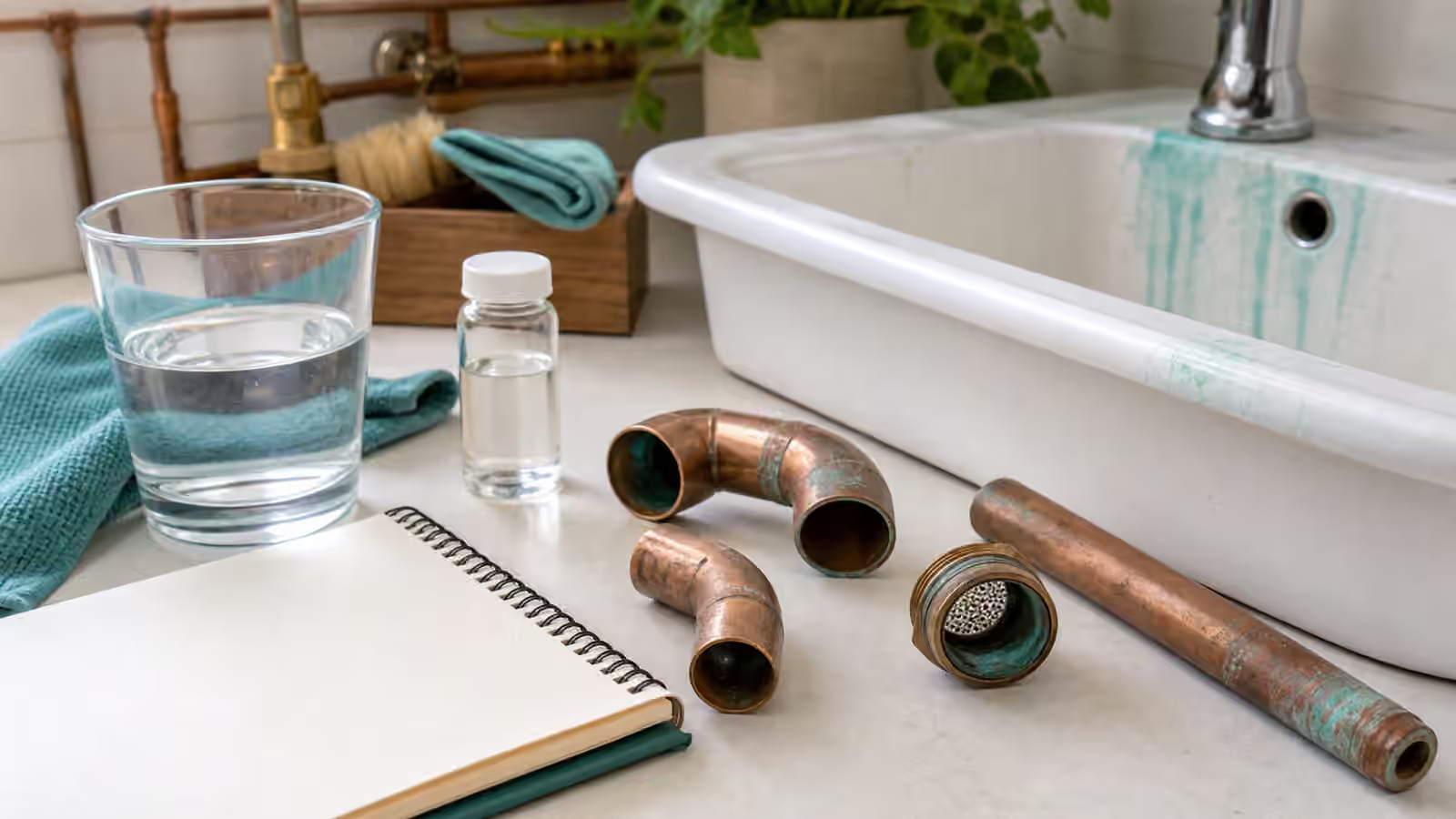
People often notice pH after seeing blue-green stains, pinhole leaks, metallic taste, or unusual fixture residue. Those clues are worth taking seriously, but they should not be collapsed into one cause. Low pH can contribute to corrosive conditions, yet corrosion is a water-and-plumbing interaction rather than a single number. Alkalinity, hardness, dissolved oxygen, temperature, disinfectant chemistry, stagnation, pipe age, solder, fittings, grounding, and treatment devices can all affect what happens in a real home.
That is the central lesson from Copper Pipes and Blue-Green Stains . A stain can be evidence without being a diagnosis. If the stain appears at one sink, the local fixture may be part of the story. If it appears throughout the home, source chemistry or building plumbing may deserve broader attention. If the first cold glass tastes metallic and the taste fades after flushing, contact time with plumbing becomes relevant. If the issue is mostly hot water, the heater and warm-side plumbing need their own look.
pH testing can help decide whether those clues deserve a more formal water analysis. A surprising pH result, repeated carefully, may support calling the utility, asking a certified lab what to test, or consulting a qualified local treatment professional for a private well. It should not be used to choose a cartridge from a shelf by itself. If metals are the concern, sample location and sampling instructions matter. A first-draw sample and a flushed sample answer different questions, and the wrong method can blur the result.
High pH, hardness, and scale are a different conversation
At the other end, higher pH often gets tangled with hardness and scale. Scale on faucets, kettles, water heaters, and showerheads can make water feel like a bad actor, but scale is usually a minerals and maintenance issue before it is a safety conclusion. Hard Water vs Bad Water makes that distinction because it prevents expensive overcorrection.
Higher pH alone does not prove hardness, and hard water does not require one exact pH story. Calcium, magnesium, alkalinity, temperature, and heating surfaces all matter. A kettle may scale quickly because minerals concentrate as water boils. A water heater may collect deposits because hot surfaces encourage precipitation. A showerhead may clog because droplets dry and leave minerals behind. A pH reading can fit into that explanation, but hardness testing, appliance manuals, and local water information usually tell the practical maintenance story more directly.
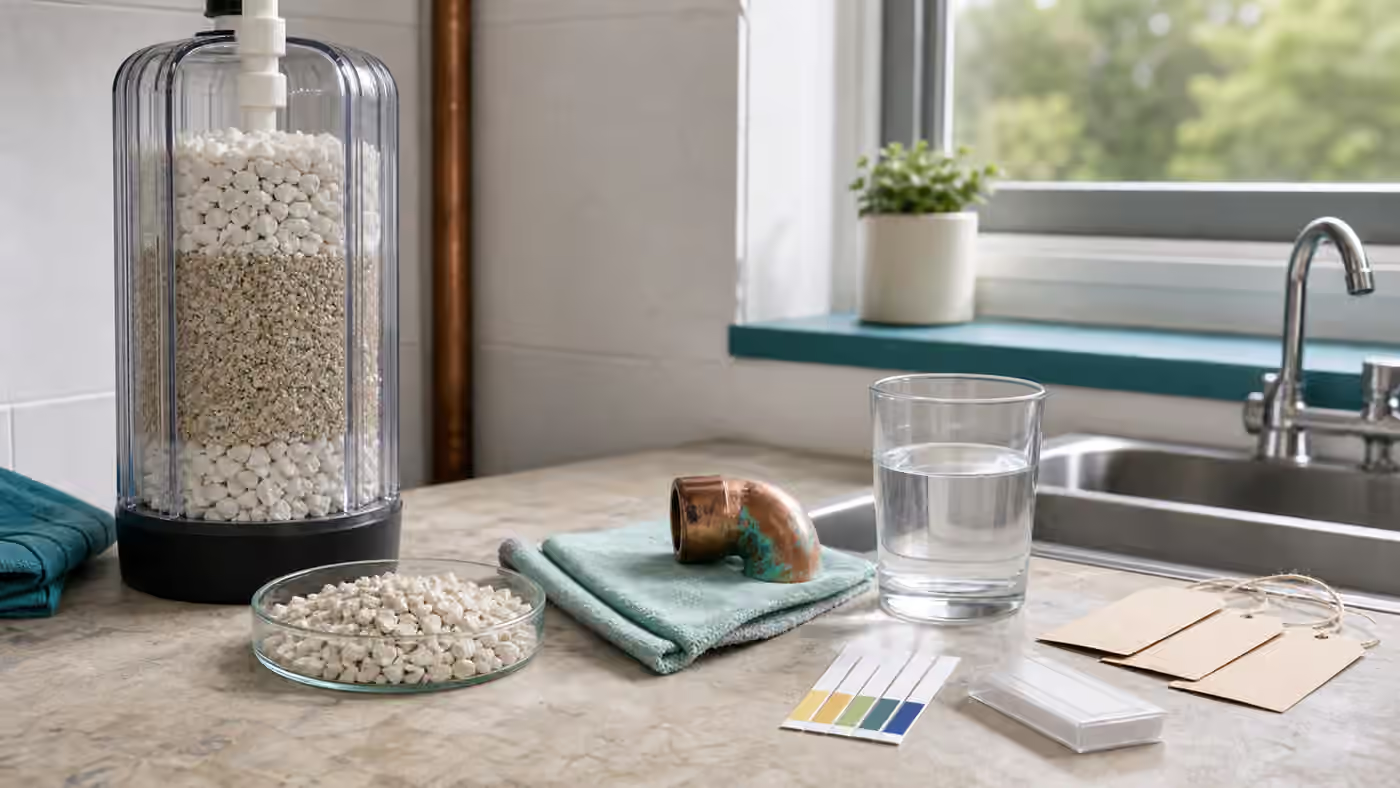
Treatment choices should follow the actual problem. A softener can reduce hardness minerals, but it is not a general contaminant treatment plan. A neutralizing filter may be considered in some low-pH private-well settings, but it can change hardness, flow, maintenance, and downstream equipment needs. Reverse osmosis can lower many dissolved ions at one drinking tap when the system is appropriate and maintained, but it may also make water taste flat unless the household wants that profile or uses remineralization. Each treatment changes something. None should be chosen because a pH color block looked a little surprising once.
Testing needs context to mean anything
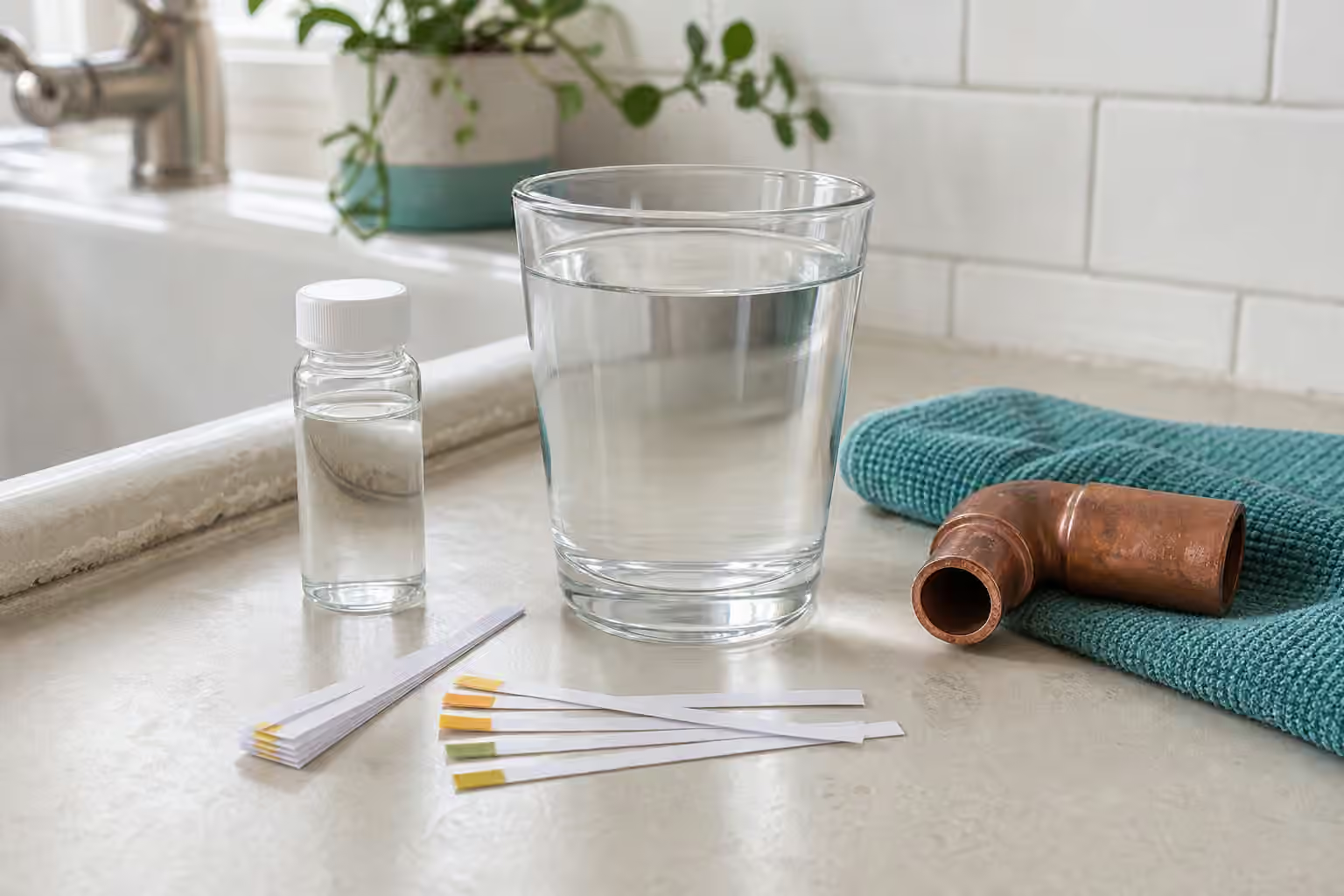
pH strips can be useful for orientation if they are fresh, stored correctly, read under good light, and used exactly as directed. A pH meter can be useful if it is calibrated, cleaned, and maintained. A neglected meter with a digital display is not automatically better than a strip. Home Water Testing covers this broader evidence ladder: kitchen tools can screen and compare, while certified labs answer questions that need defined methods.
The sample itself matters. Water that sat overnight in plumbing may have a different story from water sampled after flushing. Water from a bathroom sink may differ from water at the kitchen cold tap. Hot water has its own heater contact and sediment history. Water after a treatment device may differ from source water before the device. If you do not record those facts, the number loses much of its meaning.
A good pH note is plain and specific. It says which tap was used, whether the water was cold or hot, whether it was first-draw or flushed, whether any filter or softener was in the path, whether recent plumbing work happened, and what the result was. If the result is surprising, repeat it with care before escalating. If the question has health consequences, official notices, infants, pregnancy, immune vulnerability, private-well contamination, or a named contaminant, do not rely on a home pH reading as the decision maker.
Put the fix in the right place
pH-related decisions can become expensive because they sound whole-house by default. Sometimes the real issue is one fixture, one heater, one treatment device, or one drinking tap. Sometimes it truly is source chemistry or private-well treatment design. Whole-Home vs Point-of-Use Water Treatment helps place the response where the evidence lives.
If the clue is a metallic first glass from one faucet, start with sampling context, fixture inspection, and plumbing history. If the clue is blue-green staining across the house, consider broader chemistry and professional evaluation. If the clue is scale and appliance maintenance, hardness and temperature may matter more than a pH number alone. If the clue is taste after reverse osmosis, low mineral content may be part of the comfort question rather than a safety issue. If a public report, utility notice, or lab result identifies a named concern, the treatment claim must match that concern directly.
pH is useful precisely because it slows the conversation down when used well. It reminds you that water quality is not only a list of contaminants and not only a taste preference. It is source water, chemistry, plumbing, treatment, maintenance, and use. A strip or meter can open that picture. The household still needs the right report, the right sample, and the right treatment claim before changing the system.