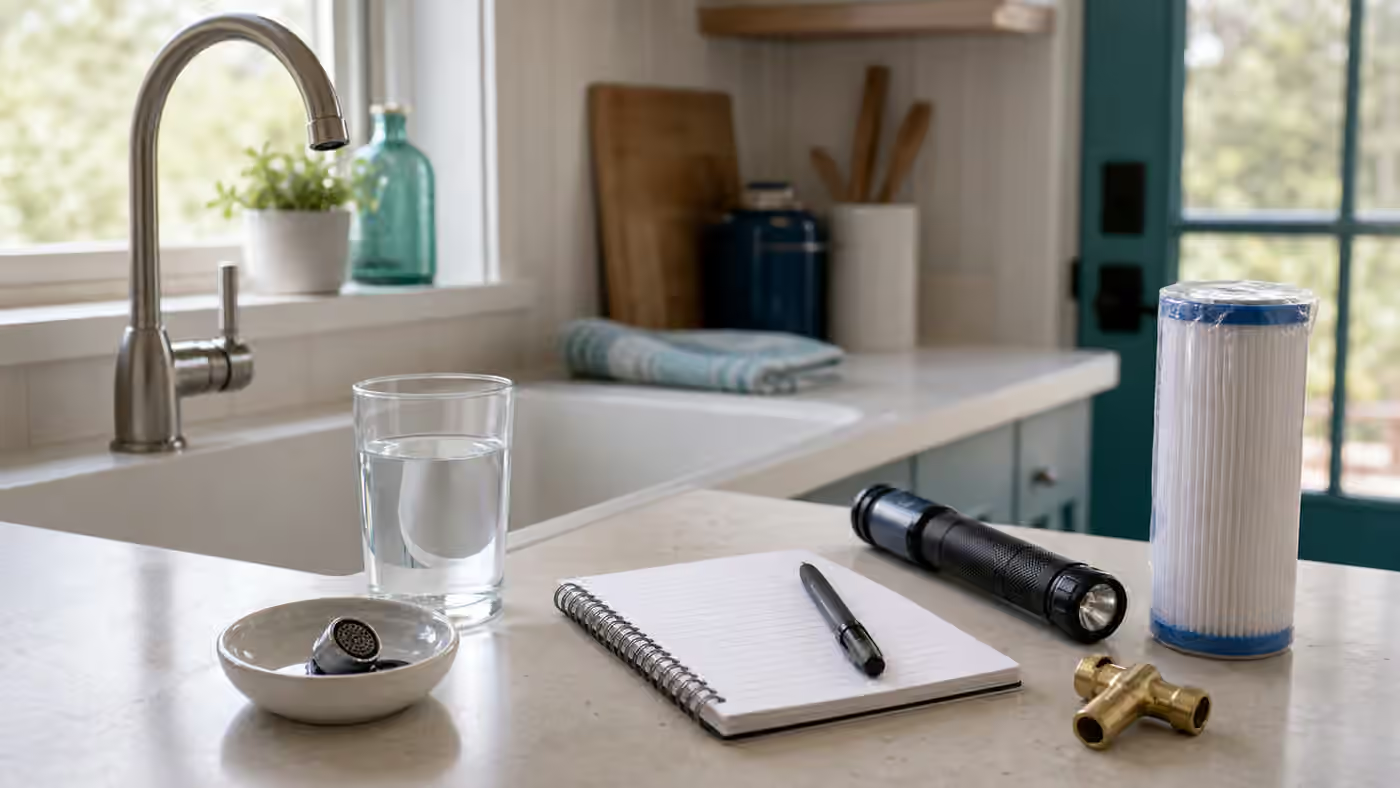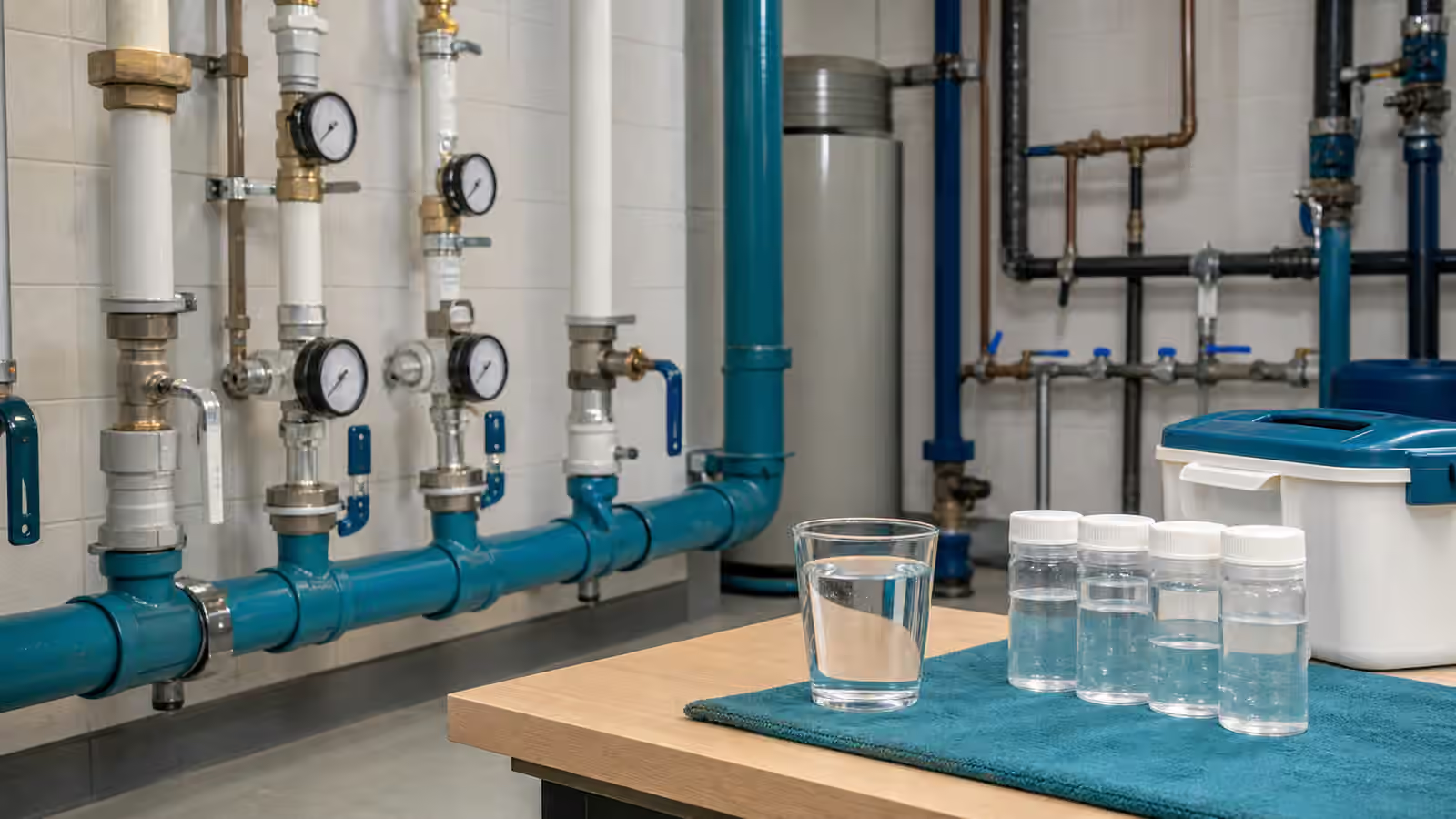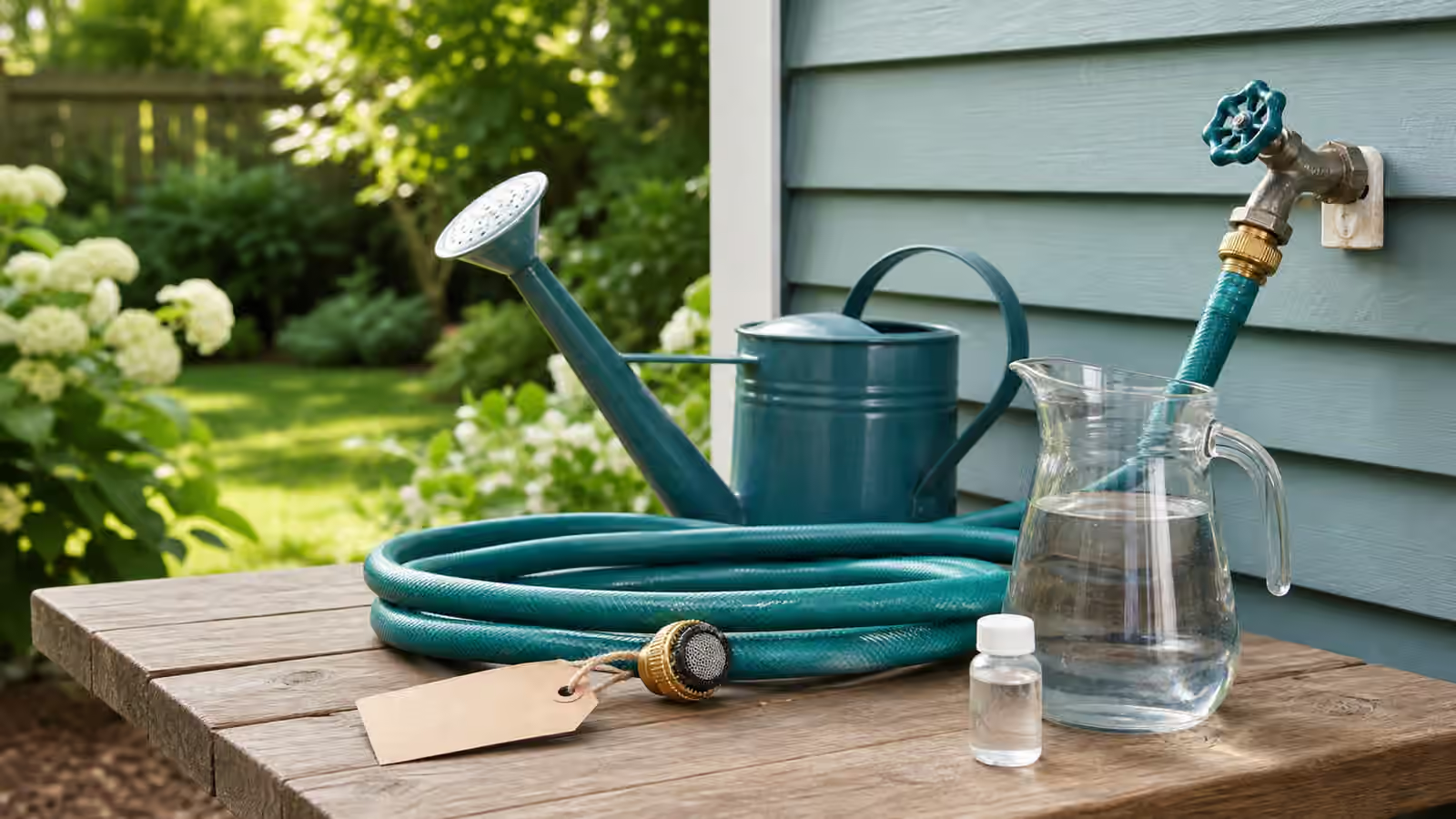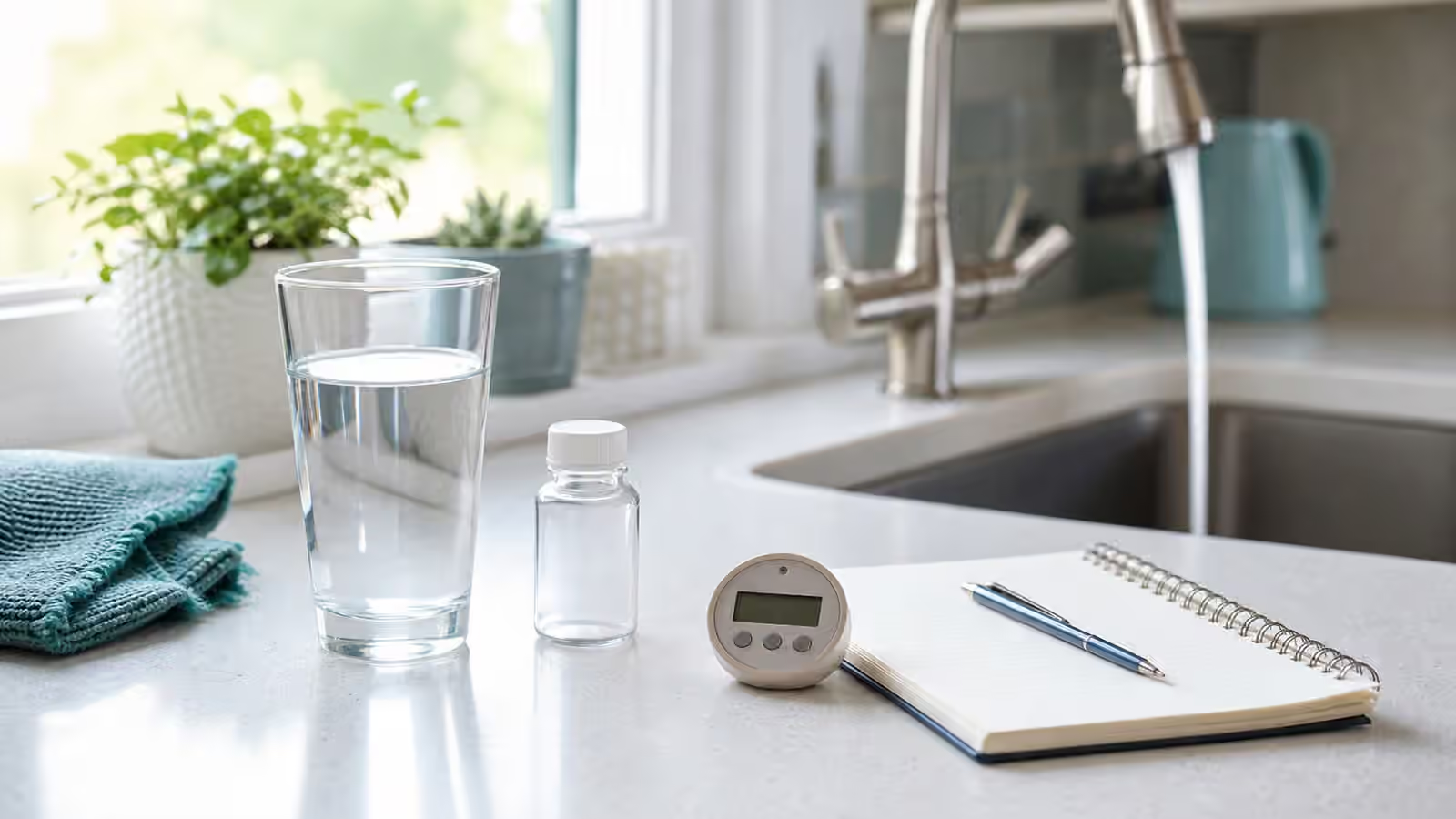
Tap water is not frozen in place between the treatment plant and the glass. It moves through mains, service lines, building pipes, valves, fixtures, filters, hoses, tanks, and aerators. Then it may sit. Overnight stagnation, a long weekend away, a vacant apartment, a school break, a seasonal cabin opening, or an unused guest bathroom can all change what the first water from a tap represents. For background, see EPA — Basic Information about Lead in Drinking Water .
Clear Water Lab helps with everyday water decisions, reports, testing, certification checks, and maintenance. It is not medical advice, legal advice, or a substitute for local boil-water notices, certified lab results, utility instructions, or health department guidance.
First water is a plumbing clue
The first water from a tap tells a different story than water after the line has been used for a while. First-draw water has spent time in contact with the fixture, branch line, shutoff valve, connector, filter housing, and sometimes older plumbing upstream. That contact time can matter for taste, temperature, particles, metals, disinfectant smell, and stale notes. It does not mean the first glass is automatically unsafe, and it does not mean flushing is a magic fix. It means the timing of the sample is part of the evidence.
A useful way to think about stagnation is to ask where the water was sitting. Water in a kitchen faucet body is not the same as water in a long branch line to a rarely used bathroom. Water in a refrigerator dispenser tube is not the same as water in the cold main entering a house. Water in a vacation cabin after months of vacancy is not the same as water after an ordinary workday. The first draw can exaggerate local plumbing effects, while flushed water can better represent the water arriving after that local volume is replaced.
This matters most when the question is about building plumbing rather than the public system as a whole. How to Read Your Water Quality Report is still the right starting map for public water, but that report cannot describe every faucet, old valve, solder joint, brass fixture, or flexible connector in a specific building. If the concern is lead, copper, nickel, sediment, stale taste, or a filter that sits unused, the tap itself becomes part of the story.
Flushing is context, not permission
Running water before drinking is a common household habit, especially after water has sat overnight or after a trip. It can be sensible, but it should be described carefully. Flushing may replace water that has been sitting in the fixture or branch line with fresher water from upstream. It may also clear visible particles after plumbing work when official guidance says flushing is appropriate. What it cannot do is cancel an active boil-water notice, prove a contaminant is absent, or make an uncertified filter claim true.
The practical question is how long to run the water. There is no universal time that fits every building because pipe length, plumbing layout, pressure, fixture flow, and the reason for flushing all vary. A small apartment kitchen tap may exchange its local volume quickly. A large house, dead-end branch, school wing, or seasonal property may behave differently. Official utility instructions after main work or a notice should take priority because they are written for the event at hand.
For everyday use, the clue-based habit is simple: pay attention to temperature, smell, clarity, and consistency. Water that has been sitting in a cold line may become cooler after the local volume clears. A stale note may fade. Fine debris from an aerator may stop after cleaning. If the first draw has a strong metallic taste, colored particles, or a sudden odor and flushed water does not, the pattern points toward a local plumbing question. If both first and flushed water show the same issue across the home, the question moves upstream.
First-draw testing has a purpose
Some water tests ask for first-draw water on purpose. Lead testing is the example many households hear about because lead can be released from service lines, solder, brass, or fixtures while water sits in contact with plumbing. If the lab or utility asks for a first-draw sample after a defined stagnation period, do not flush first unless the instructions say to. The sampling rule is not a nuisance. It is the test design.
Other tests may ask for a different sampling method. A private-well bacteria sample, a nitrate sample, a post-filter comparison, or a general chemistry panel may have different containers, timing, preservation, and tap preparation. Home Water Testing explains why the sample location and method are part of the answer. The mistake is to use one household habit for every test. Flushing before a lead first-draw test can hide the very condition the test is trying to measure, while failing to follow a lab’s clean-sample directions for bacteria can muddy the result in another way.
If you are keeping notes, label the sample honestly. Write first draw, flushed, hot side, cold side, post-filter, refrigerator dispenser, guest bath, outdoor hose, or well pressure tank outlet if that is what you sampled. A result without context can create false certainty. A result with context can help a utility, lab, plumber, landlord, or treatment professional understand the pattern quickly.
Vacant homes and rarely used taps deserve patience
Longer stagnation changes the feel of the problem. A home that sat empty for weeks, a rental unit between tenants, a classroom wing after vacation, a cabin opened for the season, or a guest bathroom used twice a year may need a more deliberate return-to-use routine. The first concern is not only taste. Stagnant water can interact with plumbing materials, lose some disinfectant residual, pick up stale odors, collect particles, and reveal fixtures that need cleaning or repair.
The safest habit is to look for official instructions first when the vacancy follows a known event such as flooding, pressure loss, utility work, or a notice. If a private well is involved, local health department or well professional guidance matters more than a casual flush. For ordinary vacancy without a known event, start with observation. Run cold water at appropriate fixtures, clean aerators that collect debris, check filters that may have sat unused, and avoid assuming that a refrigerator cartridge, pitcher, or under-sink system is ready just because the water looks clear.
Filters deserve special attention after stagnation. A cartridge has a rated capacity and replacement schedule, but it also has real household use conditions. A filter that sat for a long period, was installed long past its calendar guidance, or has unknown maintenance should not be trusted as though it were new. Filter Replacement Schedules is a better companion than guesswork here. If the filter is used for a health-effect claim, follow the manufacturer’s return-to-use and replacement guidance closely.
Buildings are not all the same
Stagnation is more noticeable in buildings with complex plumbing. Large homes, apartment buildings, schools, offices, and mixed-use buildings can have long runs, low-use branches, storage tanks, pressure zones, and fixtures that behave differently from one another. A single kitchen sink may not represent the whole building. A single bathroom complaint may not represent the source water.
That is why comparison is useful. Check whether the issue appears at one tap or many. Compare cold water with hot water while remembering that hot water brings the water heater into the story. Compare first draw with flushed water. Compare a filter tap with an unfiltered cold tap. Compare the refrigerator dispenser with the sink. The goal is not to run a complicated experiment. The goal is to prevent one glass from carrying more meaning than it deserves.
When the issue is hot-water only, Hot Tap Water and Water Heaters is the better guide. When the issue is visible grit or rust, Sediment, Rust, and Cloudy Water gives a clearer path. When the concern is lead from old plumbing, Lead in Drinking Water keeps the focus on testing and certified claims rather than taste alone.
Stagnant water is a reminder that the tap is a place, not just an endpoint. The same public system can reach different glasses through different materials and different histories of use. A calm water note should name the faucet, timing, first-draw or flushed condition, recent vacancy, filter status, and any official notice. That small amount of context can turn a vague worry into a useful next step: read the report, follow the notice, test with the right method, clean the aerator, replace the cartridge, or ask for local help before buying another device.