Shower filters sit in a difficult corner of home water decisions. The experience is real: water can smell like chlorine, leave scale, make soap feel strange, or dry quickly on fixtures. The marketing can be much less careful, especially when it drifts into broad skin, hair, or wellness promises that are not the same as a verified water-treatment claim. For background, see NSF — Standards for Water Treatment Systems .
Clear Water Lab helps with everyday water decisions, reports, testing, certification checks, and maintenance. It is not medical advice, legal advice, or a substitute for local boil-water notices, certified lab results, utility instructions, or health department guidance.
Start with the shower problem, not the product promise
A shower complaint can mean several different things. Chlorine smell is not the same as hard-water scale. Hard-water scale is not the same as sediment. Soap that refuses to lather is not the same as a contaminant report. Dry skin after a shower may involve water, soap, heat, season, humidity, bathing habits, and individual health factors. A filter can only be evaluated clearly when the household names the water clue without asking one device to explain the whole bathroom.
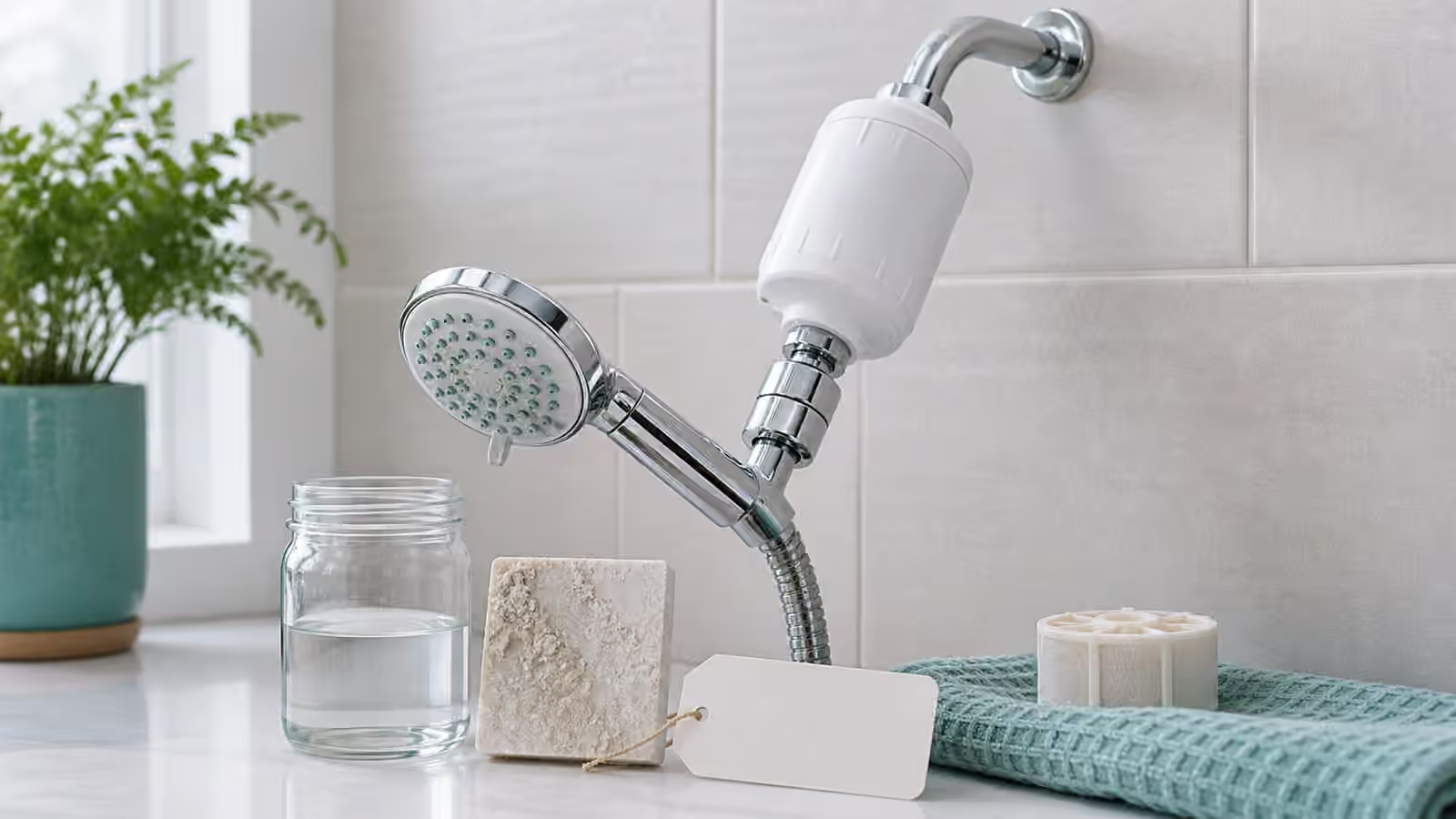
The most common shower-filter pitch is about chlorine. Public water systems often use disinfectants, and some people dislike the smell, especially in warm showers where odor is more noticeable. Certain shower filters may reduce some chlorine under their rated conditions, but the claim depends on flow, temperature, contact time, media type, and cartridge age. A small filter on a high-flow shower has less time to do work than a slow countertop drinking-water filter. That does not make it useless. It makes the rating and maintenance important.
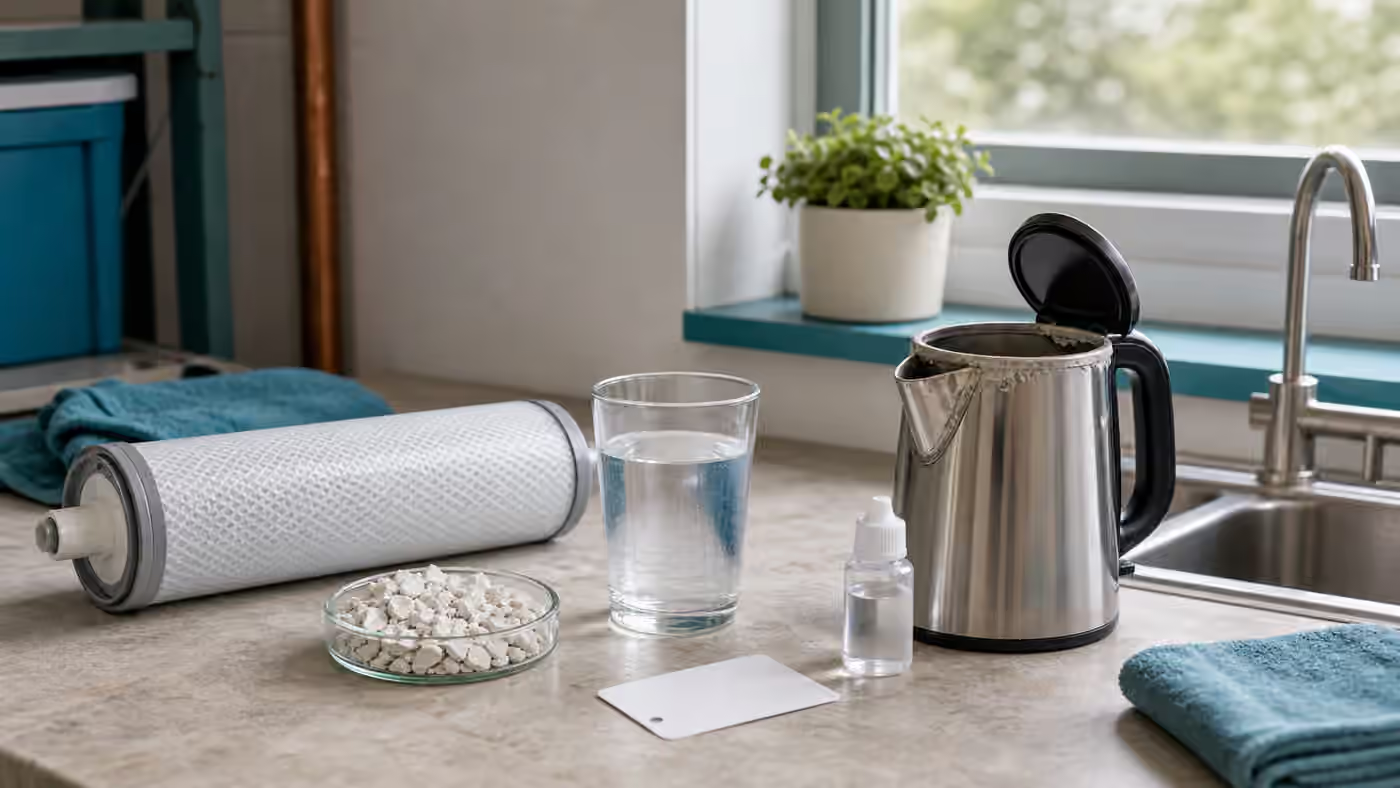
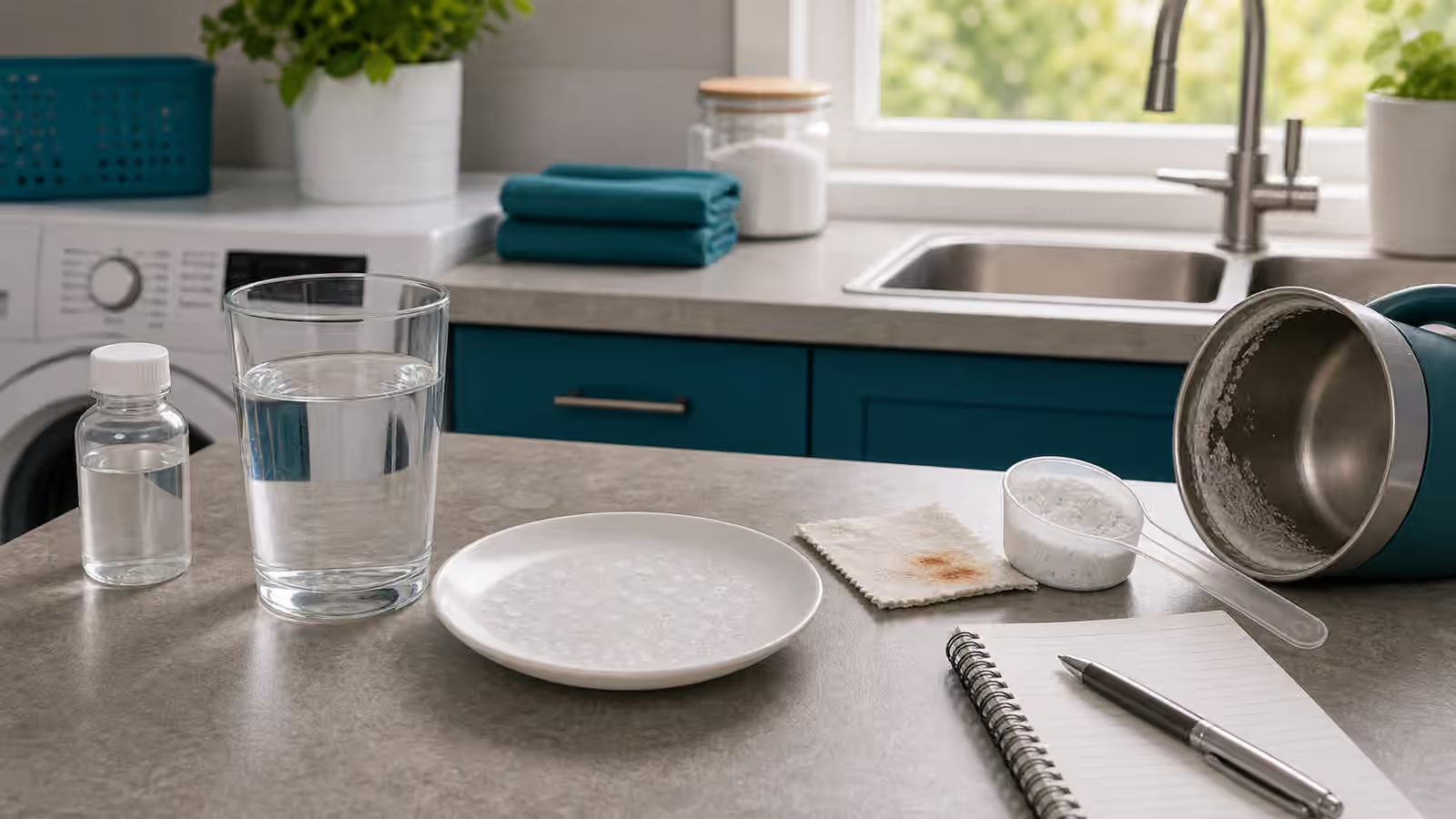
Scale is a different clue. If white crust builds on the shower head, glass door, kettle, faucet, or humidifier, the household is probably looking at minerals rather than chlorine smell. A small shower filter is not the same as a water softener, and many shower cartridges do not remove hardness minerals in a way that changes the whole bathroom. The distinction in Hard Water vs Bad Water matters because hard water can be annoying without meaning the water is unsafe, and because the devices used for scale control are not the same as taste-and-odor carbon filters.
Warm water changes the test
Drinking-water filters are usually discussed around cold water. Showers run warm or hot, at higher flow, with a different comfort goal. Media that performs one way in a cold pitcher may not behave the same way in a hot shower stream. Some products use carbon, some use KDF-style media, some use ceramic or sediment stages, and some combine several materials in a compact cartridge. The presence of media is not enough. The question is what claim the cartridge can support at shower conditions, how long it remains effective, and what happens when it is overdue.
This is why a shower filter should not be borrowed mentally from the drinking-water shelf. If the concern is lead at the kitchen tap, the shower filter is not the answer. If the concern is PFAS in a report, the shower filter is not the first evidence. If the concern is a private-well bacteria result, a shower filter should not replace lab testing, well repair, disinfection guidance, or properly designed treatment. The verification habit from NSF/ANSI 42 vs 53 vs 58 vs 401 still helps, even when shower claims sit outside the most familiar pitcher-filter aisle.
The shower also hides maintenance drift. Flow stays pleasant, the chrome still shines, and the cartridge housing remains in place, so it feels like the device is still working. But media capacity is finite. Sediment can clog the screen. Scale can build on fittings. A household can reset its belief every morning without ever replacing the cartridge. The same discipline used for drinking filters belongs here: date the install, know the rated interval, and keep the replacement model unambiguous.
Be careful with skin and hair language
Skin and hair claims are where caution matters most. A person may genuinely prefer showering with less chlorine smell, less visible scale, or a softer-feeling routine. That lived preference is allowed. It should not be stretched into medical certainty. Dryness, irritation, scalp issues, hair texture, eczema, and allergic reactions are personal and can involve many factors beyond water. Clear Water Lab should keep the boundary clean: water comfort and verified treatment claims are one topic; medical advice belongs with clinicians.
A good shower-filter decision therefore sounds modest. It might say, “The shower smells strongly of disinfectant, and I want to try a cartridge with a credible chlorine-reduction claim and a maintenance schedule.” It should not say, “This device will fix skin health.” It might say, “Scale is making the shower head clog, so I need to understand hardness and cleaning or softening options.” It should not say, “This small cartridge removes every mineral from the house.” Modesty is not weakness. It is how the decision stays true.
If the shower smells like rotten eggs, the pattern matters before the purchase. Is the odor hot water only, cold water too, one bathroom only, or every tap? Does it disappear after flushing? Does it come from the drain rather than the water? A shower cartridge can become a distraction when the real issue is a water heater, drain biofilm, well chemistry, or a broader source clue. The troubleshooting approach in Why Your Water Tastes Like Chlorine, Metal, Dirt, Eggs, or Plastic is useful even though the guide title starts at the drinking glass.
When a shower filter is reasonable
A shower filter can be reasonable when the problem is narrow, the claim is narrow, and the maintenance is realistic. It may be worth trying for an aesthetic chlorine smell complaint when the cartridge is matched to the shower flow and replaced on time. It may catch some sediment if the product is built for that and the sediment problem is minor. It may make the shower routine more pleasant for reasons that are partly sensory and partly practical. Those are fair goals when they are named honestly.
It is less reasonable when the device is being asked to solve a whole-home water source problem from the shower arm. Whole-home sediment, iron, sulfur, or hardness concerns usually need source evidence and point-of-entry thinking. Drinking-water contaminant concerns usually need a certified point-of-use system at the drinking tap. Private-well concerns need testing and local guidance. Emergency notices need official instructions. A shower cartridge cannot carry all of those jobs simply because it is easy to install.
The best bathroom water decision may be a filter, a shower-head cleaning routine, a water-heater check, a softener conversation, a utility call, a lab test, or no equipment at all. Let the clue choose the next step. Shower water is part of the home system, not a separate world with separate rules. When the claim is clear, the maintenance is visible, and the promise stays modest, a shower filter can be a useful comfort device. When the promise sounds like a cure-all, step back to the source, the evidence, and the actual plumbing route.