Tap water can change with the calendar. A glass may taste more earthy in warm months, smell more treated after utility adjustments, carry more sediment after storms, feel harder during a source shift, or seem stale after a building has been quiet during a holiday. Seasonal change does not automatically mean danger, and it does not automatically mean nothing matters. It is a reason to compare the water clue with source conditions, utility information, plumbing patterns, and any official notice. For background, see EPA — Home Drinking Water Testing .
Clear Water Lab helps with everyday water decisions, reports, testing, certification checks, and maintenance. It is not medical advice, legal advice, or a substitute for local boil-water notices, certified lab results, utility instructions, or health department guidance.
Source water has seasons
Public water systems and private wells are connected to real places. Surface-water supplies can be influenced by spring runoff, heavy rain, reservoir turnover, algae-related taste and odor compounds, drought concentration, wildfire impacts, treatment changes, and construction work. Groundwater and wells can respond to local geology, pumping patterns, flooding, septic influence, drought, and repairs. The water at the tap may still meet applicable standards, but the sensory experience can shift.
The first mistake is treating every seasonal taste as a filter failure. The second mistake is dismissing every seasonal taste as normal. A mild earthy note that appears during warm reservoir conditions is a different clue from sudden brown water after pressure loss. A chlorine note after utility work is different from a rotten-egg smell at one hot-water tap. A private well after flooding is different from a city apartment after a weekend away. The right next step depends on the pattern, not the month alone.
For public water, the annual report and utility notices are the first anchors. How to Read Your Water Quality Report explains why the report gives a system-level map, while current notices and utility updates explain events that may not fit neatly into last year’s data. If the water tastes different during a source change, the utility may already have a plain explanation. If there is a boil-water or do-not-drink notice, follow it rather than trying to reason from taste.
Rain and runoff can change the question
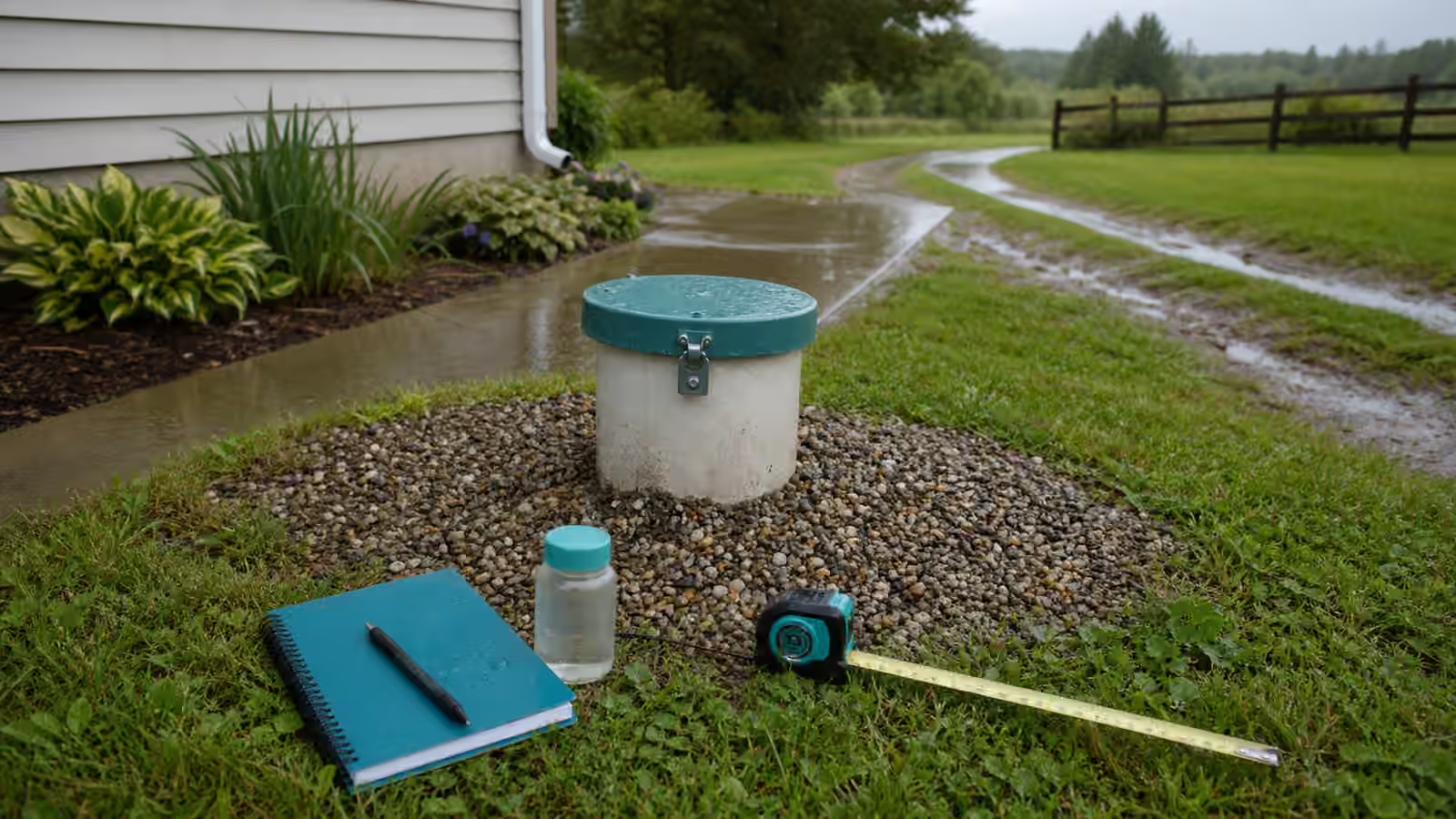
Rain can be reassuring when a region has been dry, but heavy rain and runoff can also make water decisions more complicated. For public systems, utilities monitor and treat source water according to their operations and regulations, and they may adjust treatment when raw water conditions change. For private wells, especially shallow or vulnerable wells, flooding or surface-water intrusion is a more direct household concern. A well that has been flooded, repaired, or suddenly changed should be handled through local health guidance and testing, not taste.
Runoff can also change what people notice at the sink. Earthy taste, more particles, cloudy water, or a treated smell may appear around the same time as storms or maintenance. That timing is useful, but it is not a home lab result. If the issue is widespread, sudden, or tied to pressure loss, contact the utility or follow official communications. If it is limited to a private well, a certified lab and local well guidance are better than a countertop strip.
The private-well frame from Nitrates, Arsenic, and Private Wells matters during seasonal swings because clear water can still need testing. Seasonal attention is not only for taste. It is also for checking records: when the well was last tested, whether flooding occurred, whether the cap and casing are intact, whether treatment equipment is maintained, and whether local agencies recommend specific panels for the area.
Warm weather can amplify taste and odor
Warm months can make taste and odor clues louder. Water sitting in building plumbing may warm slightly. Refrigerator lines, storage containers, hoses, and filter housings can reveal stale notes. Surface-water sources may have earthy or musty taste episodes. Utilities may adjust treatment to maintain distribution quality. A household may notice the change first in ice, tea, coffee, or a glass filled from a bathroom sink that is used less often.
This is where the taste language needs discipline. Earthy, musty, chlorine, plastic, sulfur, metallic, and stale are not interchangeable words. Why Your Water Tastes Like Chlorine, Metal, Dirt, Eggs, or Plastic is useful because it keeps the clue from turning into one vague complaint. An earthy taste after a reservoir episode is not the same as a sulfur smell from hot water. A chlorine smell after treatment adjustment is not the same as plastic taste from a new refrigerator line.
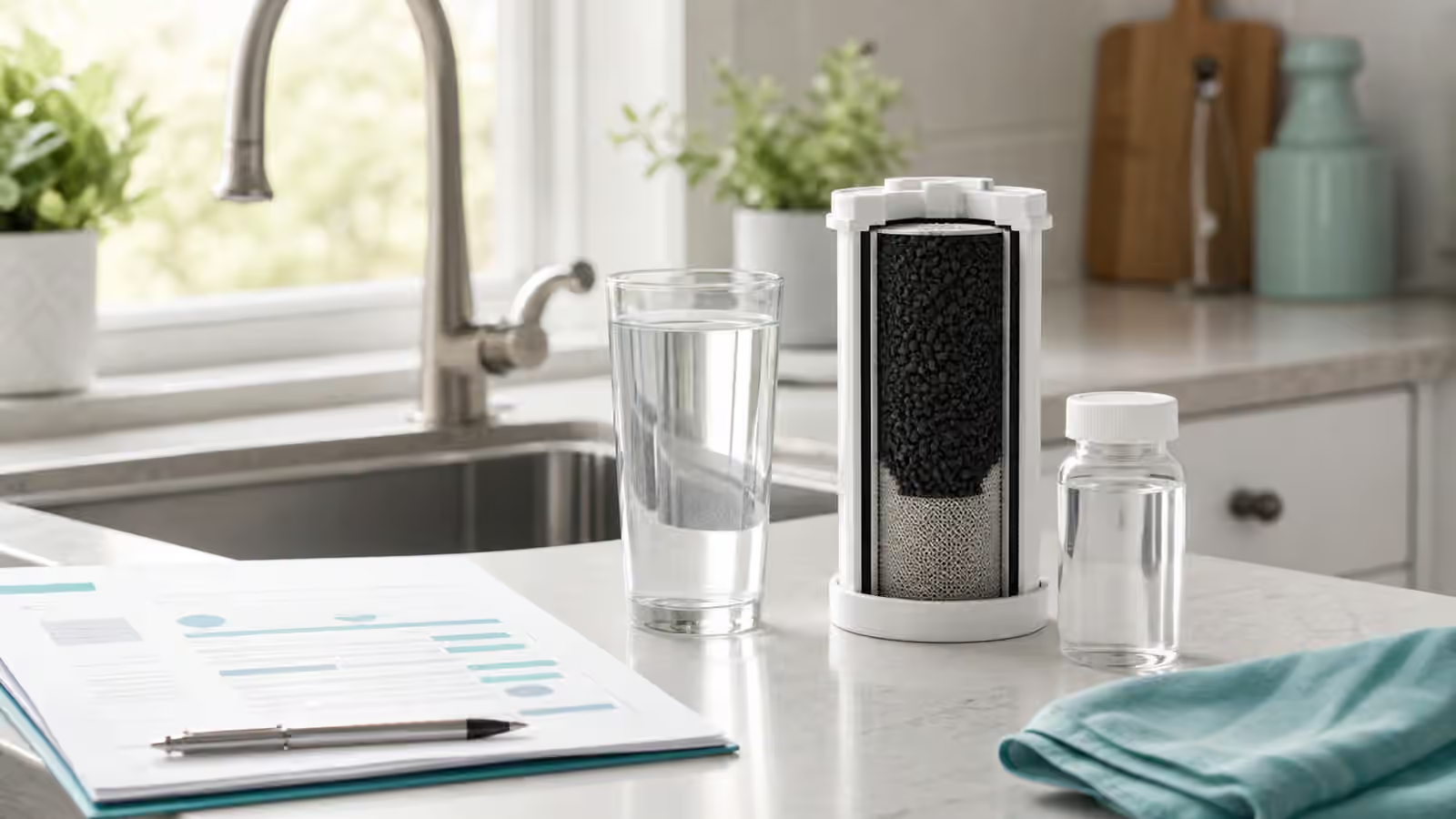
Filters may help some seasonal taste issues when the claim fits. Activated carbon can be useful for certain taste and odor concerns, especially when the product is sized, certified, and maintained for the job. It is not a universal seasonal shield. If the concern is a specific contaminant, the claim needs to be checked. Activated Carbon Filters and How to Verify a Water Filter Claim make that distinction clearer than a product box.
Drought and source shifts can show up quietly
Drought does not always announce itself at the tap, but it can change source conditions, utility operations, private-well behavior, and household expectations. A utility may blend sources differently, use stored water differently, or communicate conservation measures. A well may show pressure changes, pump stress, sediment, or changes in mineral character. A household may notice scale, taste, or flow changes and blame the newest filter even when the source story has changed.
Hardness and minerals are common places for confusion. Water can taste different or leave more scale without becoming a health-effect emergency. That does not make the clue useless. It points toward hardness, alkalinity, dissolved solids, or treatment changes rather than a vague idea of bad water. Hard Water vs Bad Water is the right companion when the seasonal complaint is white deposits, soap behavior, kettle scale, or appliance buildup.
For wells, drought can also make maintenance records more important. If the pump cycles differently, sediment appears, or water level concerns arise, a filter purchase should not replace well evaluation. Visible sediment belongs near Sediment, Rust, and Cloudy Water , while treatment equipment should be checked according to its manual and service history. A clogged sediment cartridge may be a symptom of changing source conditions rather than the whole problem.
Keep a seasonal water note
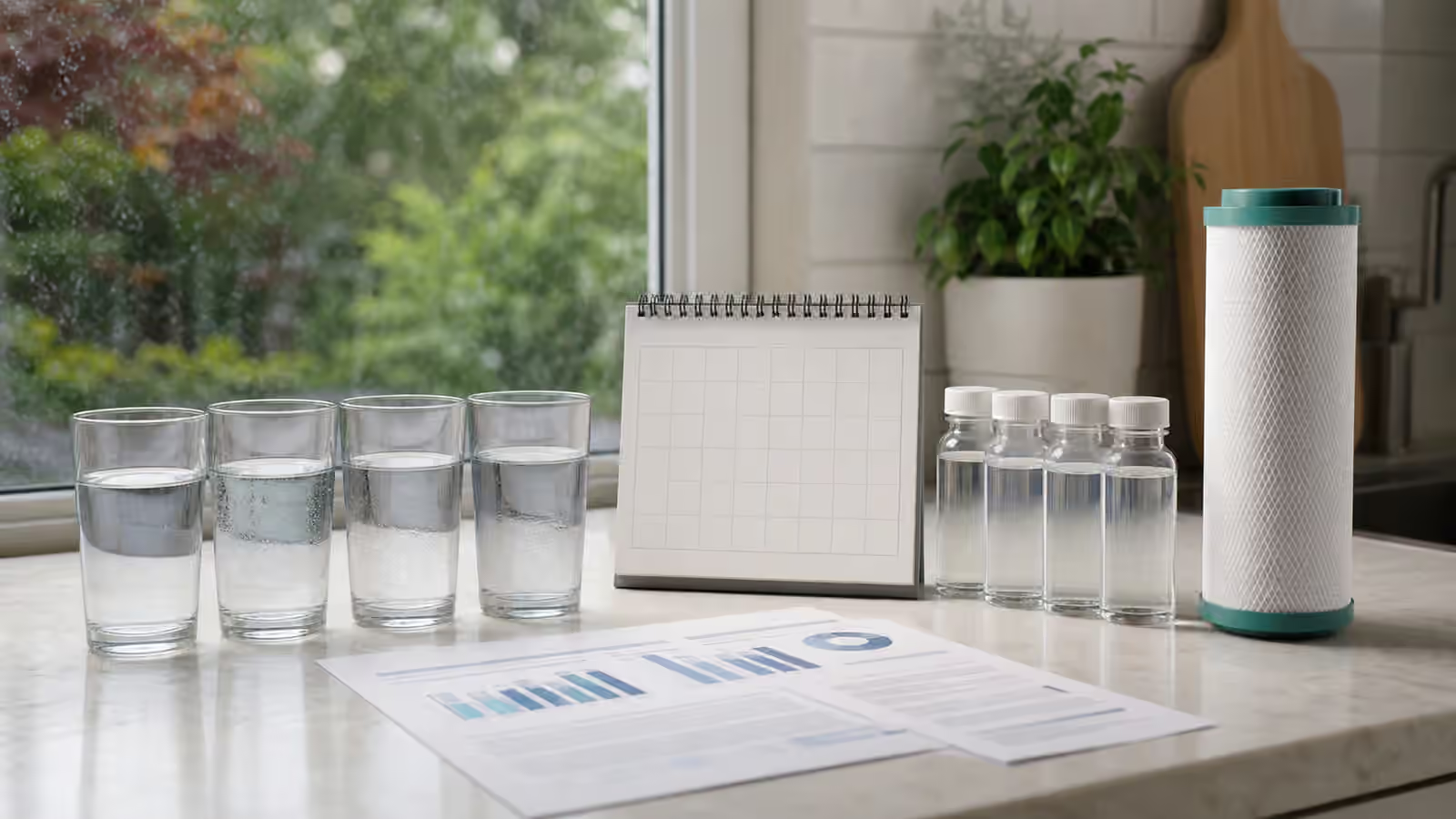
A water note does not need to be elaborate. The useful details are date, tap, first-draw or flushed condition, hot or cold side, weather or utility work if known, filter status, and the exact clue. Write earthy instead of weird, chlorine instead of chemical when that is what you mean, and brown particles instead of dirty when you can see material. Add whether neighbors or other taps show the same pattern. That small record makes the next call or test more precise.
If the pattern is mild and familiar, the next step may be as ordinary as replacing an overdue carbon cartridge, cleaning an aerator, flushing a refrigerator line according to instructions, or reading the utility’s seasonal note. If the pattern is sudden, strong, building-wide, tied to pressure loss, paired with discoloration, or connected to flooding or a notice, the next step should be official guidance, utility contact, or testing. Emergency Water Basics is the better place to think about notices and backup water before the stressful moment arrives.
Seasonal water changes reward patience because they sit between two bad instincts. One instinct turns every new taste into a shopping trip. The other treats every seasonal explanation as a reason to stop asking questions. The better habit is evidence first: name the source, read the report or notice, compare taps, check maintenance, test when the question needs it, and match any filter claim to the actual concern. The calendar can explain a clue, but it should not be asked to prove the answer by itself.