Opening a seasonal home turns ordinary tap water into a return-to-use question. The house may have sat through heat, cold, storms, power interruptions, pest activity, pressure changes, and months of stagnant plumbing. A clear first glass is pleasant, but it is not the whole story. The practical task is to bring the water route back into view before everyone starts filling bottles, making ice, brewing coffee, showering, and trusting old filters. For background, see EPA — Home Drinking Water Testing .
Start with the source, not the faucet
A seasonal house can be on municipal water, a private well, a shared well, hauled water, a cistern, or a small tank system. The source decides the first questions. A public-water home should check whether any utility notices, pressure events, main work, or seasonal service changes apply. A private-well home should think about wellhead condition, power, flooding, pump behavior, pressure tank clues, and testing history. A cistern or tank changes the question again because storage becomes part of the water source.
City Water vs Well Water is the reset because responsibility changes with the source. A municipal customer has a utility and annual report, but the utility report does not describe months of water sitting in the cottage plumbing. A private-well owner owns more of the evidence problem from the start. If the well has not been tested on the schedule local guidance recommends, reopening weekend is a reminder to fix that record gap, not a reason to rely on taste.
Walk the visible route before running every tap. Find the main shutoff, pressure equipment, water heater, filters, softener, UV unit if present, refrigerator line, outdoor hose connections, and any bypass valves. Look for obvious leaks, damp cabinets, cracked housings, loose tubing, rodent damage, disconnected drains, tripped outlets, or equipment that was left in a service position. The goal is not to become a plumber. It is to avoid turning on a system you have not looked at since last season.
Stagnation makes first water less representative
Water that has sat for weeks or months is not the same as water moving through the system during normal occupancy. It may have lost disinfectant residual in public-water plumbing, picked up stale taste from fixtures, interacted with metals or rubber parts, held sediment in low-use branches, or sat inside filters past their calendar life. Stagnant Tap Water explains why first-draw and flushed water answer different questions.
The startup habit should compare, not assume. Run cold water according to source and local guidance, watch clarity and odor, compare several fixtures, and keep hot water separate in your thinking. A bathroom used once all season may behave differently from the kitchen tap. A refrigerator dispenser line may hold old water long after the sink has cleared. An outdoor hose may have a different route and should not be treated as drinking-water evidence.
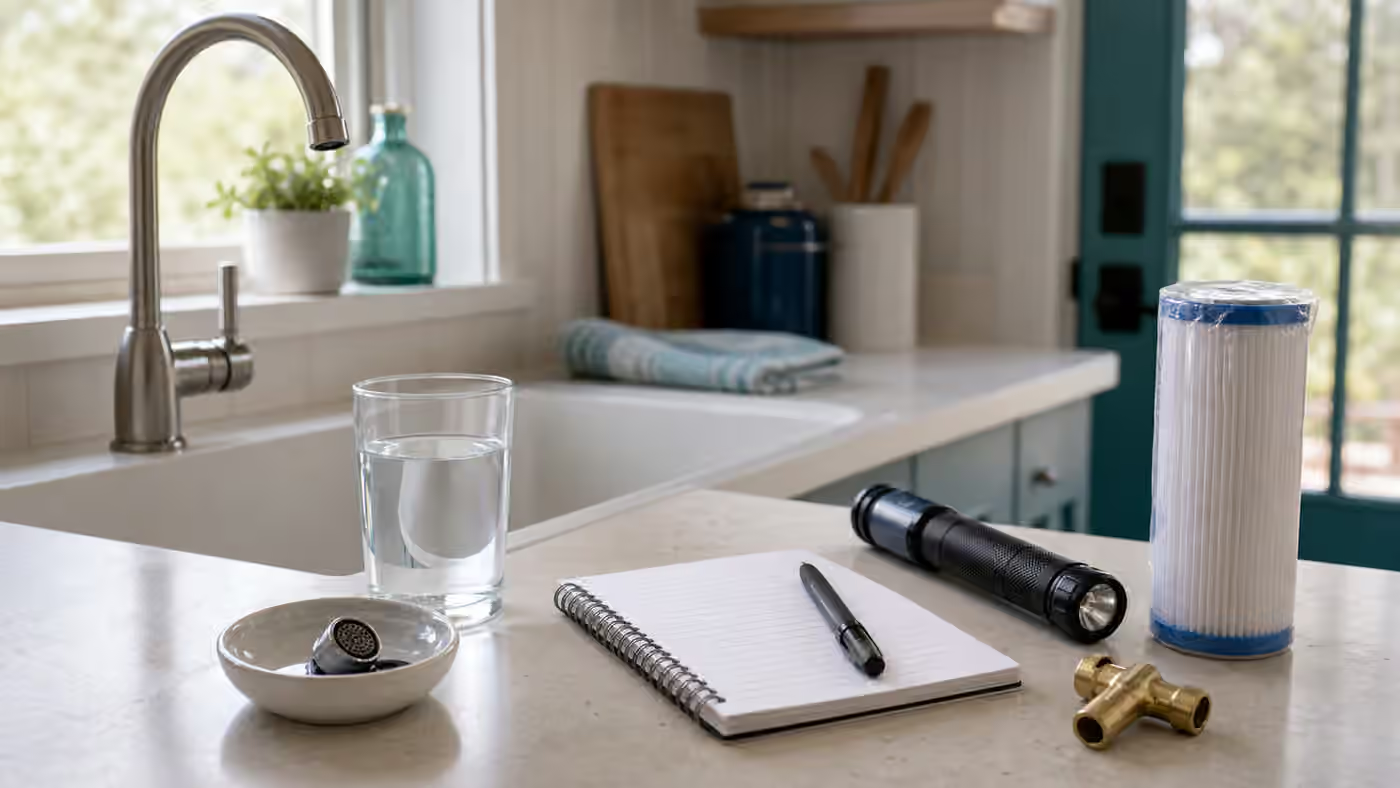
Aerators often tell the story of stagnation and return. Fine grit, black specks, white scale, or rubbery debris may collect in the screen after the first use. Cleaning a removable aerator can restore flow and show what was caught, but it does not name the source by itself. Faucet Aerators and Fixtures is useful when one tap looks worse than the rest.
Old filters should not inherit new trust
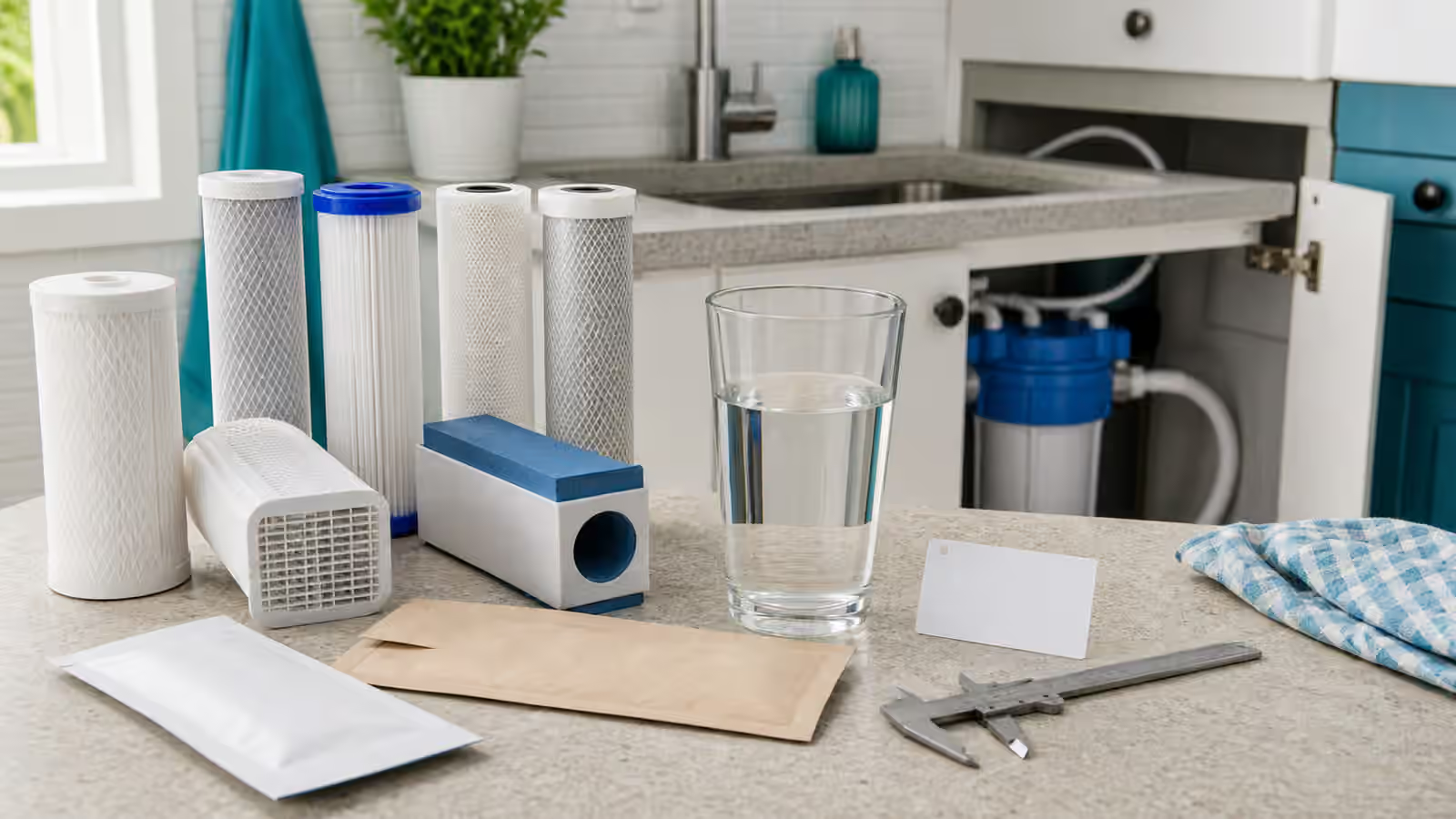
Filters age by time, use, and conditions. A cartridge that sat through a long vacancy may not be ready simply because its gallon capacity was not used up. A refrigerator cartridge, under-sink carbon block, pitcher, sediment prefilter, RO membrane, UV lamp, or softener setting can all drift away from the claim the household remembers. The return-to-use moment is the time to find model numbers, install dates, and instructions.
Filter Replacement Schedules gives the maintenance discipline. For a seasonal home, the calendar side of the schedule matters. If a filter is used for a health-effect claim, follow the manufacturer and certification conditions closely. If the filter is only for taste, replacing or flushing it properly still prevents stale water from defining the first week back.
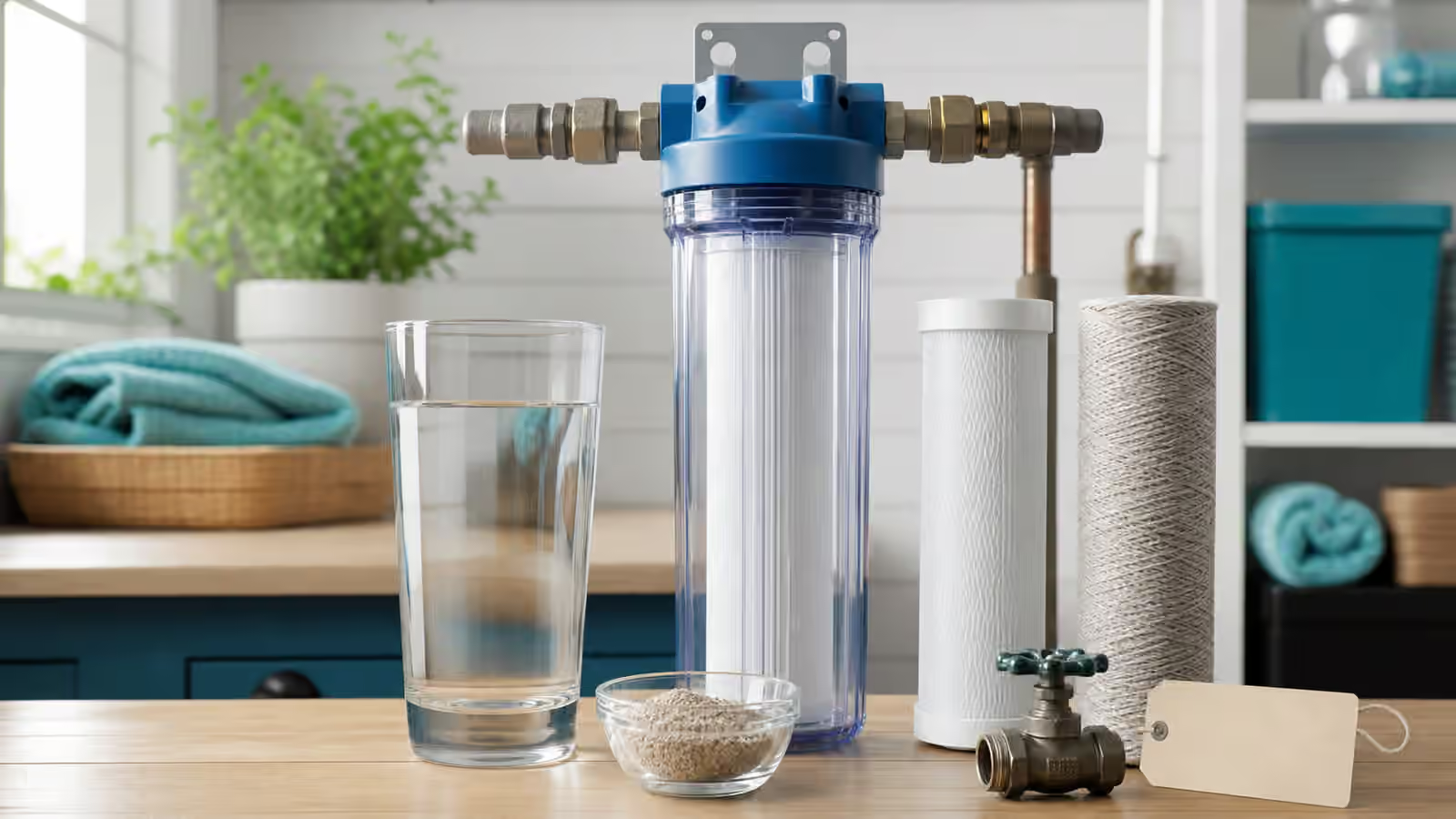
Do not push suspicious water through expensive filters just to make it look better. If municipal work, well disturbance, flooding, or visible sediment is involved, protect the equipment and follow official or professional guidance first. A whole-home sediment cartridge may be meant to catch particles, but a small refrigerator cartridge or RO prefilter can clog quickly when asked to handle a startup event. Municipal Flushing and Discolored Water is the right mindset when the source side has been disturbed.
Hot water and appliances need their own pass
The water heater is part of the startup route. Water that sat warm, cooled, or was left off for a season may carry odor, sediment, or service questions that cold water does not. Turning a heater back on, adjusting temperature, draining, flushing, or servicing it can involve scalding, gas, electric, pressure, and manufacturer concerns, so the household should use the appliance instructions or a qualified professional when needed. Hot Tap Water and Water Heaters keeps hot-side clues in their own lane.
Appliances hold water in small places. Refrigerator dispensers, ice makers, coffee machines, humidifiers, steam irons, washing machines, dishwashers, and outdoor shower lines can all preserve last season’s water or debris. Dumping old ice, flushing dispenser lines according to the manual, cleaning reservoirs, and replacing stale appliance filters may matter more than the first clear sink glass. Water for Humidifiers, Kettles, Steam Irons, and Small Appliances helps separate drinking-water decisions from appliance maintenance.
Small storage containers deserve attention too. Jugs left in a pantry, emergency containers, or bottles filled last season should be checked against the household rotation plan. Drinking Water Storage at Home is the better companion than guessing from smell or a faded label.
Keep a startup note for next season
A seasonal home becomes easier to reopen when last year’s observations are available. Write down the opening date, source status, utility notice check, well inspection notes, filter replacements, aerator debris, hot-water odor, appliance flushing, leaks found, and any lab samples collected. The note does not need to be formal. It needs to be findable next spring.
For private wells, that note should join the sampling history. Well Water Sampling Log explains why events such as long vacancy, flooding, pump service, shock chlorination, and treatment changes should travel with lab results. A bacteria result after reopening means more when the sample point, timing, and well condition are known. A normal result is more useful when it is clearly tied to a stable condition rather than a mystery sample.
Reopening water is not about fear. It is about returning a quiet system to ordinary use with enough attention to catch obvious problems. Source first, route second, stagnation third, filters fourth, appliances fifth, records last. Once those pieces are visible, the seasonal home stops being a guessing exercise and becomes a home water system with a memory.