A rotten-egg smell from water is memorable enough that it can make every tap feel suspect. The smell may involve sulfur compounds, a drain, a water heater, well conditions, plumbing stagnation, or treatment equipment. The practical first step is not perfume, panic, or a random filter. It is isolating where and when the odor appears. For background, see EPA — Secondary Drinking Water Standards: Guidance for Nuisance Chemicals .
Smell the pattern before naming the cause
Sulfur-like odor is one of the easiest water complaints to describe and one of the easiest to oversimplify. People often say the water smells like eggs, sulfur, a swamp, or a match. Those words are useful, but they do not prove the source. A smell at one sink may come from the drain rather than the water. A smell only from hot water may point toward the water heater or hot-side plumbing. A smell from every cold tap in a well home may deserve raw-water testing and well-system attention. A smell after a filter sits unused may involve stagnant water inside the device. The pattern is the evidence.
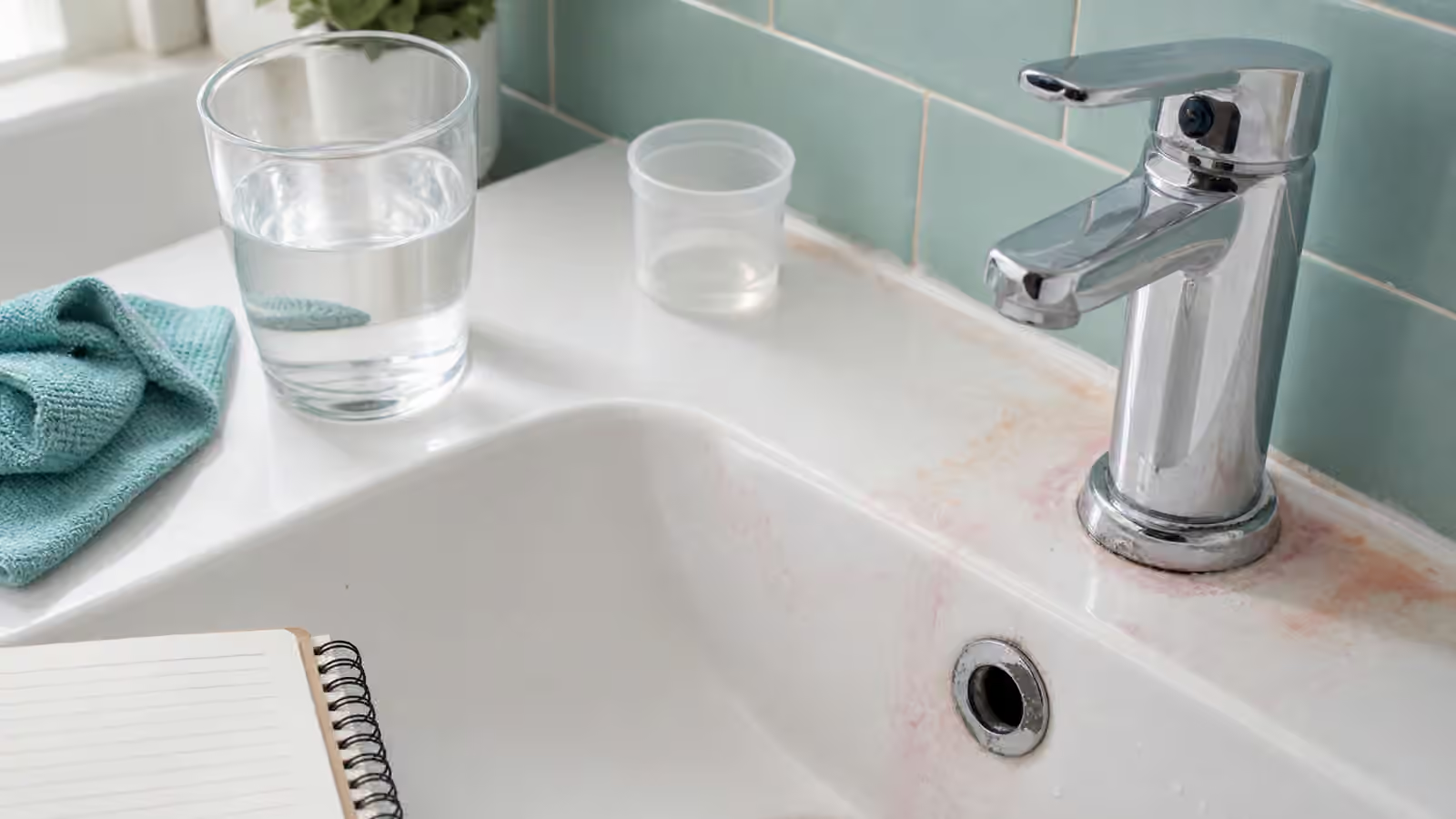
Begin without buying anything. Run cold water into a clean glass, step away from the sink, and smell the glass away from the drain. Then compare hot water, another tap, and a flushed sample if it is safe and ordinary to do so. This small separation matters because drains can produce odors that seem to come from the faucet. If the glass smells clean away from the sink but the sink area smells bad, the first problem may be drain maintenance rather than drinking-water treatment. If the glass itself smells, the water path deserves more attention.
Timing is the next clue. A smell after water sits overnight can point toward stagnation in plumbing, a heater, or a treatment device. A smell that grows during hot-water use belongs in a different category from a smell that appears at every cold tap. A smell that began after well service, flooding, filter replacement, water heater work, or seasonal change should be recorded with that event. The broader taste and odor troubleshooter uses the same method: compare taps, temperatures, first draw, flushed water, neighbors, and recent changes before choosing the fix.
Hot water deserves its own lane
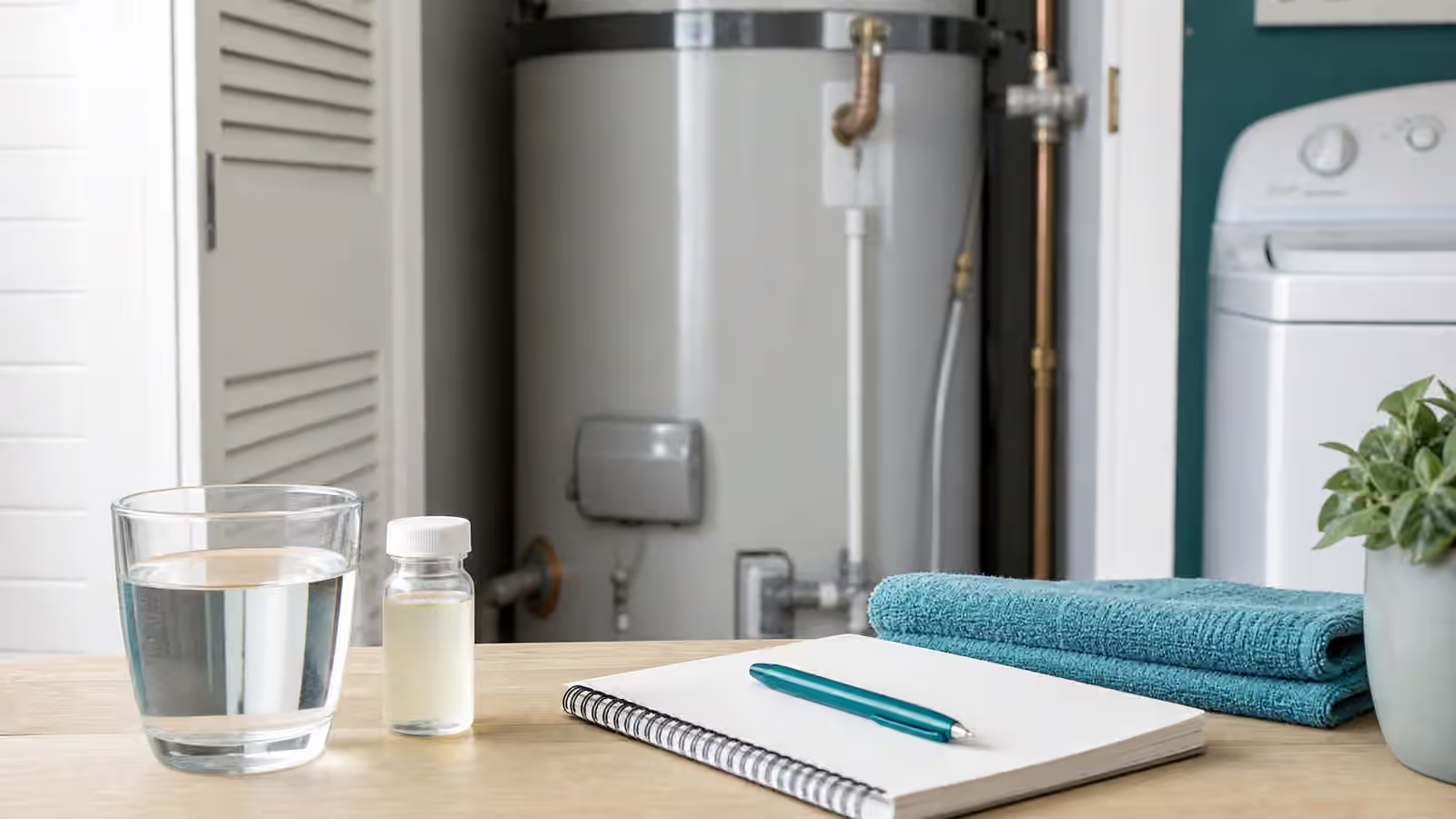
Hot water can create its own clues because it has a storage tank, temperature setting, anode rod, sediment, and different plumbing path. A rotten-egg smell only from hot water does not automatically mean the cold drinking source has the same issue. It may involve reactions inside the water heater, heater sediment, bacteria that can live in warm plumbing environments, or interactions with the anode rod and water chemistry. The right response depends on equipment, age, settings, local water conditions, and safety procedures. Water heater work can involve scald risk, gas, electricity, pressure, and manufacturer instructions, so the useful homeowner role is careful observation and qualified service, not improvisation.
The guide to Hot Tap Water and Water Heaters explains why hot water should not be treated as the normal drinking sample. For odor troubleshooting, it also explains why hot-side clues can mislead filter shopping. A drinking-water carbon filter at the kitchen cold tap may improve some cold-water taste issues, but it will not repair a water heater odor. A whole-home treatment device installed without understanding the hot-only pattern may miss the immediate cause or create maintenance work in the wrong place.
When hot water is the only source of odor, write down the heater type, age if known, recent service, whether the smell changes after extended use, and whether it appears at all hot taps. Do not raise temperatures, remove parts, or disinfect equipment from a casual article. Use the pattern to have a better conversation with a plumber, water heater professional, well professional, or local health office as appropriate.
Cold water and wells need testing discipline
A sulfur-like smell in cold water from a private well belongs in a more evidence-driven path. Some sulfur odors are aesthetic and persistent. Some occur with iron, manganese, sediment, low oxygen conditions, plumbing stagnation, or treatment changes. Some water quality questions cannot be settled by smell at all. If the source is a private well, a certified lab and local health department guidance are stronger than home guessing, especially when the well has not been tested recently or the odor arrives with color, sediment, pressure changes, flooding, or illness concerns.
Testing should match the question. A broad annual well screen may answer different concerns than a targeted odor investigation. Lab staff, local health departments, or well professionals can advise which sample points and analytes make sense. Sampling before and after existing treatment may be useful when done correctly because treatment devices can hide or transform clues. The record habits in Well Water Sampling Log: Records That Make Private Well Decisions Easier help keep those details attached to the result.
Iron and manganese can complicate odor complaints because stains, particles, metallic taste, and color changes often appear in the same household conversation. If orange, black, or brown staining is also present, read Iron and Manganese in Well Water before assuming one odor fix solves every symptom. Odor, staining, sediment, and pressure may share a source, but each still needs its own evidence.
Treatment equipment can become part of the smell
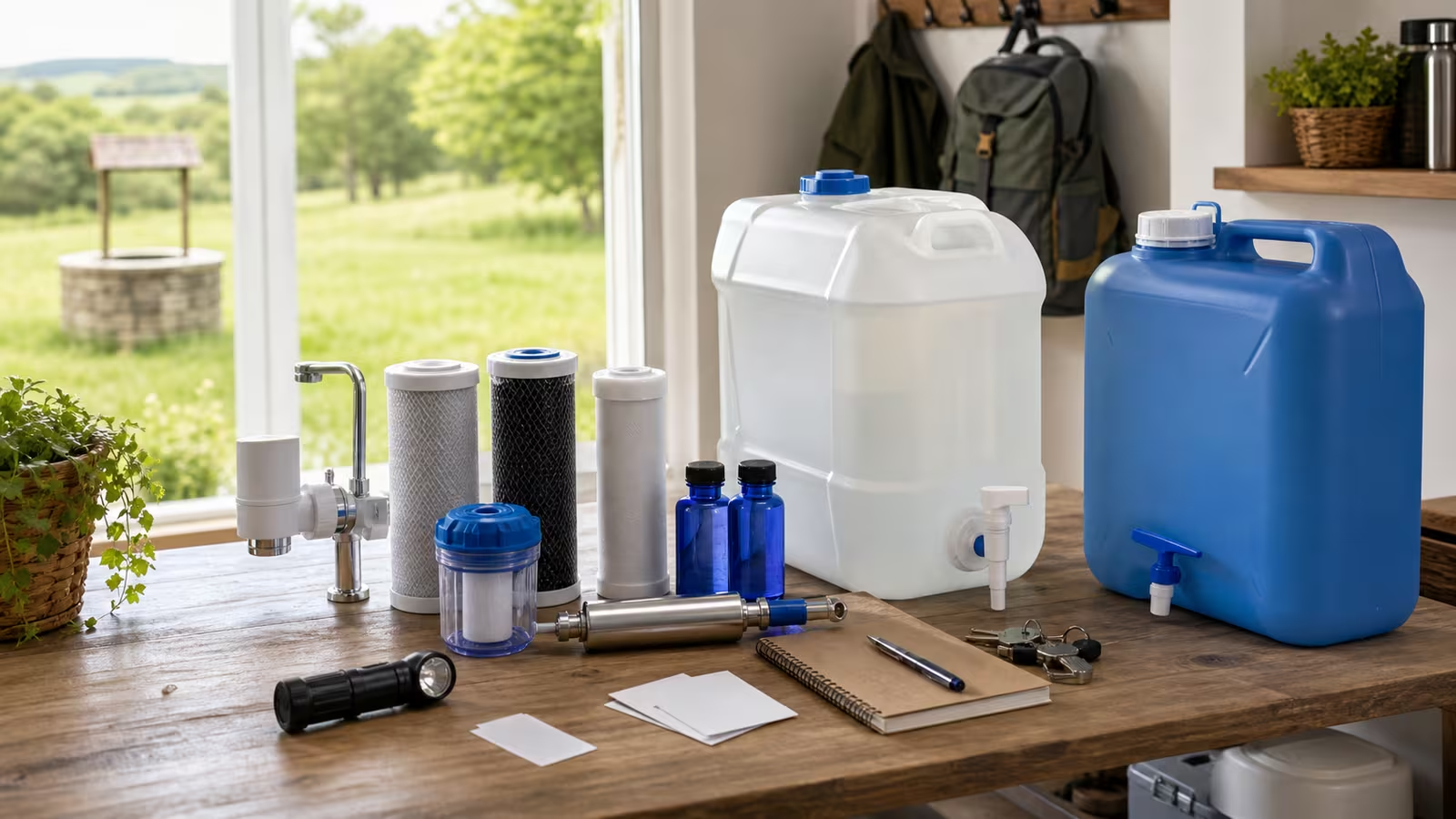
Filters and softeners are not neutral once installed. They hold media, cartridges, resin, tanks, housings, and water. If water sits in them, if maintenance is overdue, or if a bypass is set incorrectly, they can change taste and odor patterns. A sulfur smell that appears only after a particular filter or only after returning from a trip may not be a raw-source problem alone. It may be a maintenance, stagnation, or equipment-order question.
This is why treatment mapping matters. Identify whether the smell appears before a softener, after a softener, after carbon, after a storage tank, or only at one fixture. The articles on Water Treatment Stage Order and Filter Replacement Schedules are relevant because odor control can fail when an otherwise reasonable device is installed in the wrong place or left past its service life. Activated carbon may help some taste and odor issues, but a carbon claim should not be stretched into a fix for every sulfur complaint, private well result, or microbial concern.
Be careful with shock language. People often hear about disinfecting wells, sanitizing heaters, or adding oxidizing treatment, and those may be real professional tools in the right context. They are not casual kitchen experiments. The safe household contribution is to document the pattern, protect sample integrity, maintain existing equipment according to instructions, and bring the evidence to the right professional or local authority.
A calm odor note beats a rushed purchase
A good odor note is short and specific. Write the date, which taps smell, whether hot water is involved, whether the smell stays in a glass away from the drain, whether flushing changes it, whether neighbors or other fixtures share the issue, what treatment equipment is installed, and what changed recently. That note can prevent the classic mistake of buying a filter for the sink when the drain was the source, calling the utility for a private well equipment issue, or servicing the water heater when the cold source is the better question.
The smell itself deserves respect, but not theatrical certainty. A rotten-egg odor can be unpleasant and persistent. It can also be traceable when the household slows down enough to compare hot and cold, drain and glass, raw and treated, one tap and all taps. The right fix may be cleaning a drain, servicing a heater, testing a well, maintaining treatment equipment, or choosing a properly designed treatment stage. The useful path begins with isolation. Once you know where the odor lives, the next step becomes much less random.