Reverse osmosis can be a strong home treatment option, but it is not magic and it is not always the simplest answer. RO systems use pressure and a semi-permeable membrane, often with prefilters and postfilters, to reduce many dissolved substances when the system is certified for the relevant claims.
Clear Water Lab helps with everyday water decisions, reports, testing, certification checks, and maintenance. It is not medical advice, legal advice, or a substitute for local boil-water notices, certified lab results, utility instructions, or health department guidance.
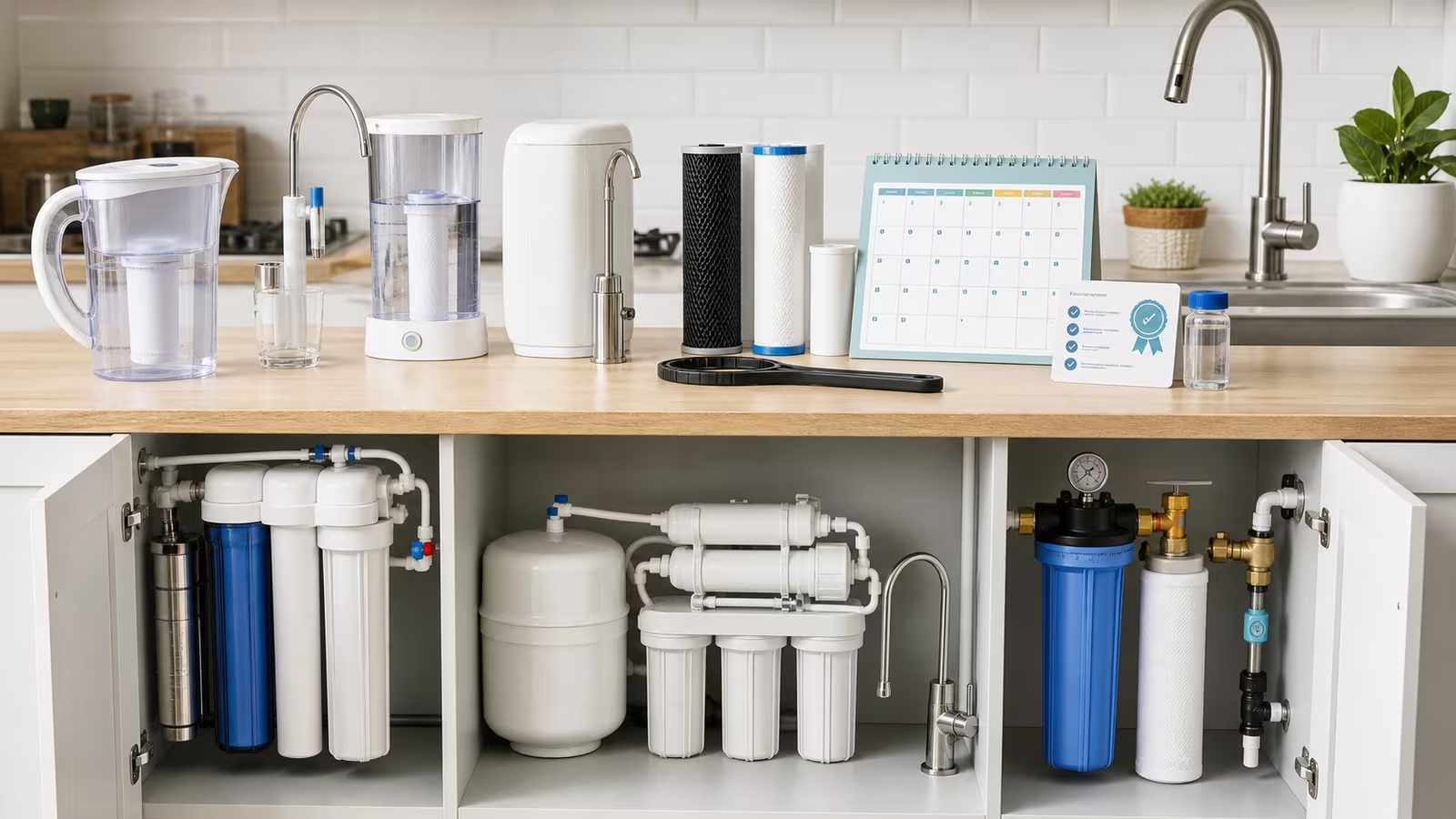
RO is a small water system
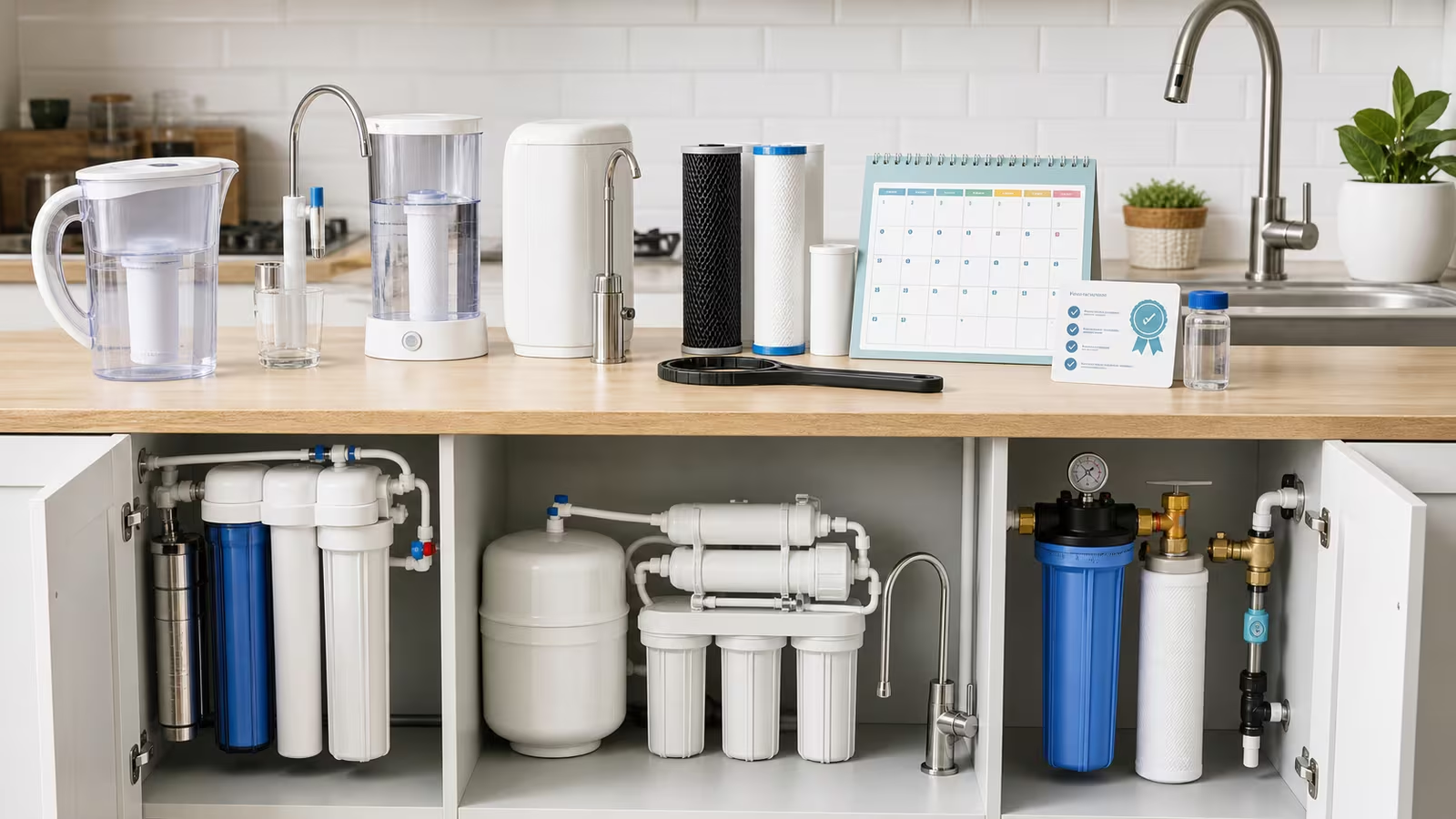
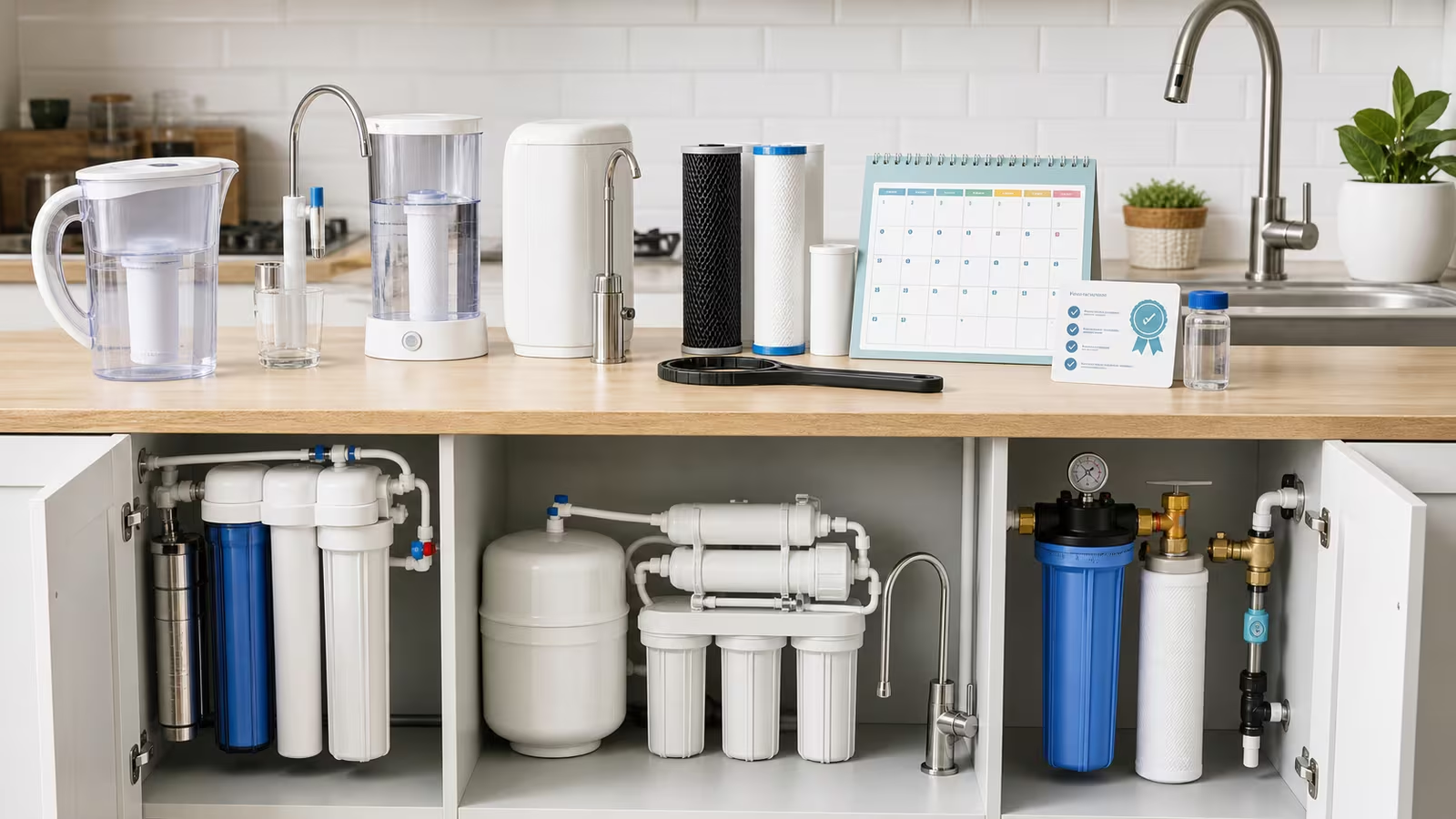
Reverse osmosis is easiest to understand when you stop thinking of it as one filter. A typical home RO setup is a small water system with prefilters, a membrane, postfilters, fittings, tubing, a faucet, sometimes a storage tank, and often a drain connection. Each part has a reason to exist. Each part also creates a maintenance point. That is why RO can be excellent and still be the wrong first answer for a household that only dislikes mild chlorine taste.
The membrane is the star, but it is not alone. Prefilters protect it from sediment and chlorine that can reduce performance or shorten life. The tank solves the fact that RO production can be slower than normal tap flow. The postfilter may shape taste before the water reaches the faucet. The drain line handles reject water. The faucet and tubing bring the system into daily use. If any one of those pieces is installed badly or forgotten, the system stops feeling elegant.
RO is often worth exploring when the concern involves dissolved substances and a certified model has the relevant claim. It can also be attractive for people who want one dedicated drinking and cooking tap. But the tradeoffs should be visible from the start: under-sink space, slower production, cartridge and membrane schedules, sanitation, wastewater, possible taste flatness, and the need to verify claims rather than assume all RO systems behave alike.
What this helps you decide
This helps you decide whether RO is worth the installation, maintenance, space, and taste tradeoffs for your actual water concern.
Plain definitions
| Term | Plain meaning |
|---|---|
| Membrane | The RO component that separates water from many dissolved substances under pressure. |
| Prefilter | A filter placed before the membrane, often to reduce sediment or chlorine that could damage or burden the membrane. |
| Storage tank | A small tank many under-sink RO systems use because RO production can be slower than normal tap flow. |
Decision criteria
| Question | Useful next move |
|---|---|
| Confirmed dissolved contaminant concern | RO may be worth checking if the exact model has a certified reduction claim. |
| Taste-only concern | A simpler carbon filter may solve the problem with less complexity. |
| Apartment or rental | Countertop RO can avoid plumbing work, but check space, refilling, wastewater, and landlord limits. |
| Coffee and tea | Very low mineral water can taste flat for brewing unless minerals are managed intentionally. |
Common mistakes
- Assuming all RO systems have the same certified claims.
- Forgetting membrane, prefilter, postfilter, sanitizer, tank, and faucet maintenance.
- Ignoring wastewater ratio, flow rate, and storage tank size.
- Using RO water in brewing or appliances without thinking about minerals and corrosion.
Try this next
- Check the exact RO model against NSF, WQA, or IAPMO listings.
- Confirm under-sink space, drain connection, faucet hole, pressure needs, and cartridge access.
- Write down every replacement interval before buying.
- Read Coffee and Tea Water if taste for coffee or tea is part of the decision.
Safety and source check
RO output is not automatically the right water for every use. Match the device to certified claims, use instructions, maintenance, and household goals.
Related Fondsites path
- NSF/ANSI 42 vs 53 vs 58 vs 401
- Pitcher, Faucet, Countertop, Under-Sink, RO, and Whole-Home Filters
- PFAS in Drinking Water
- Coffee and Tea Water
Taste, minerals, and the everyday glass
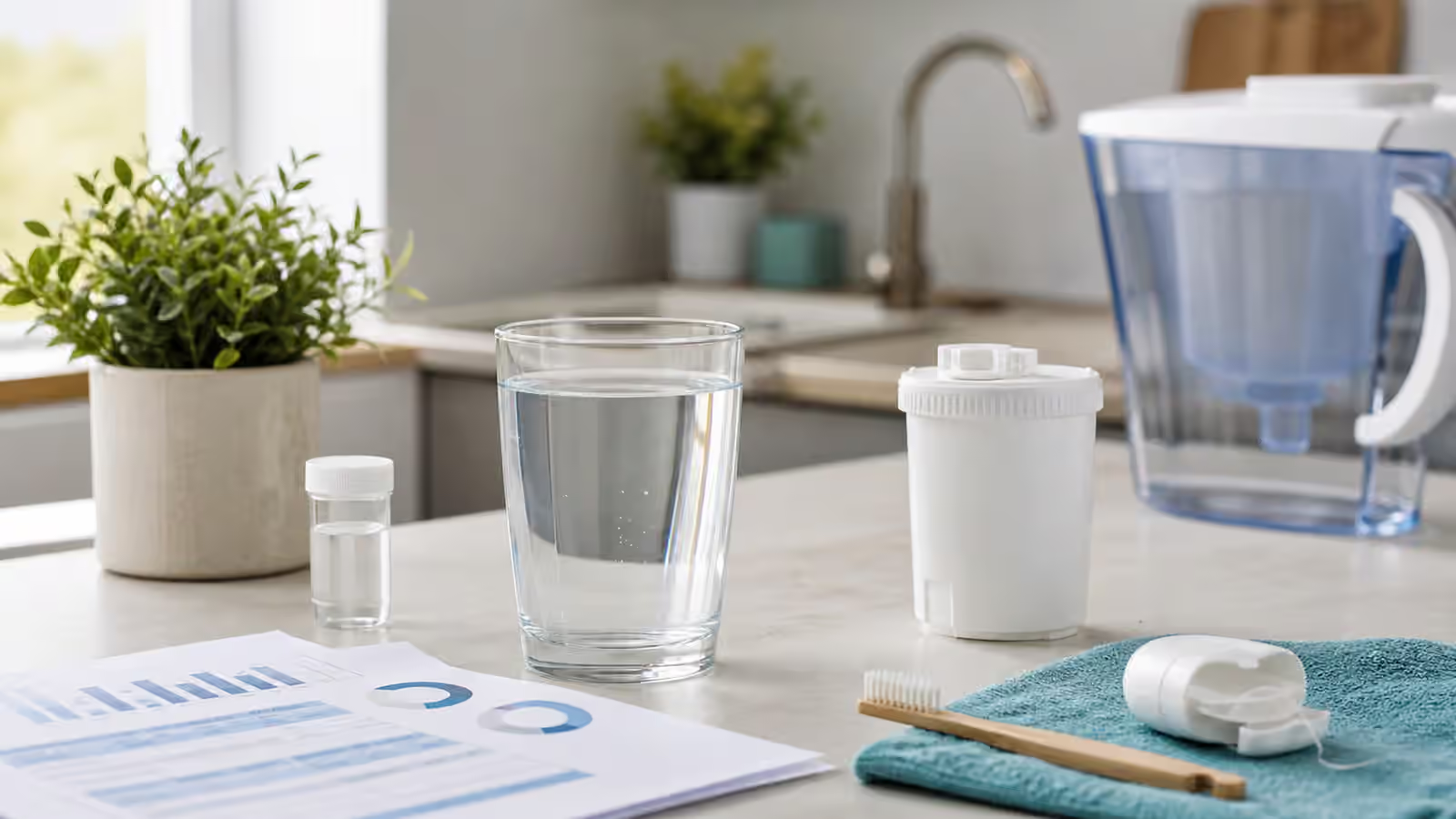
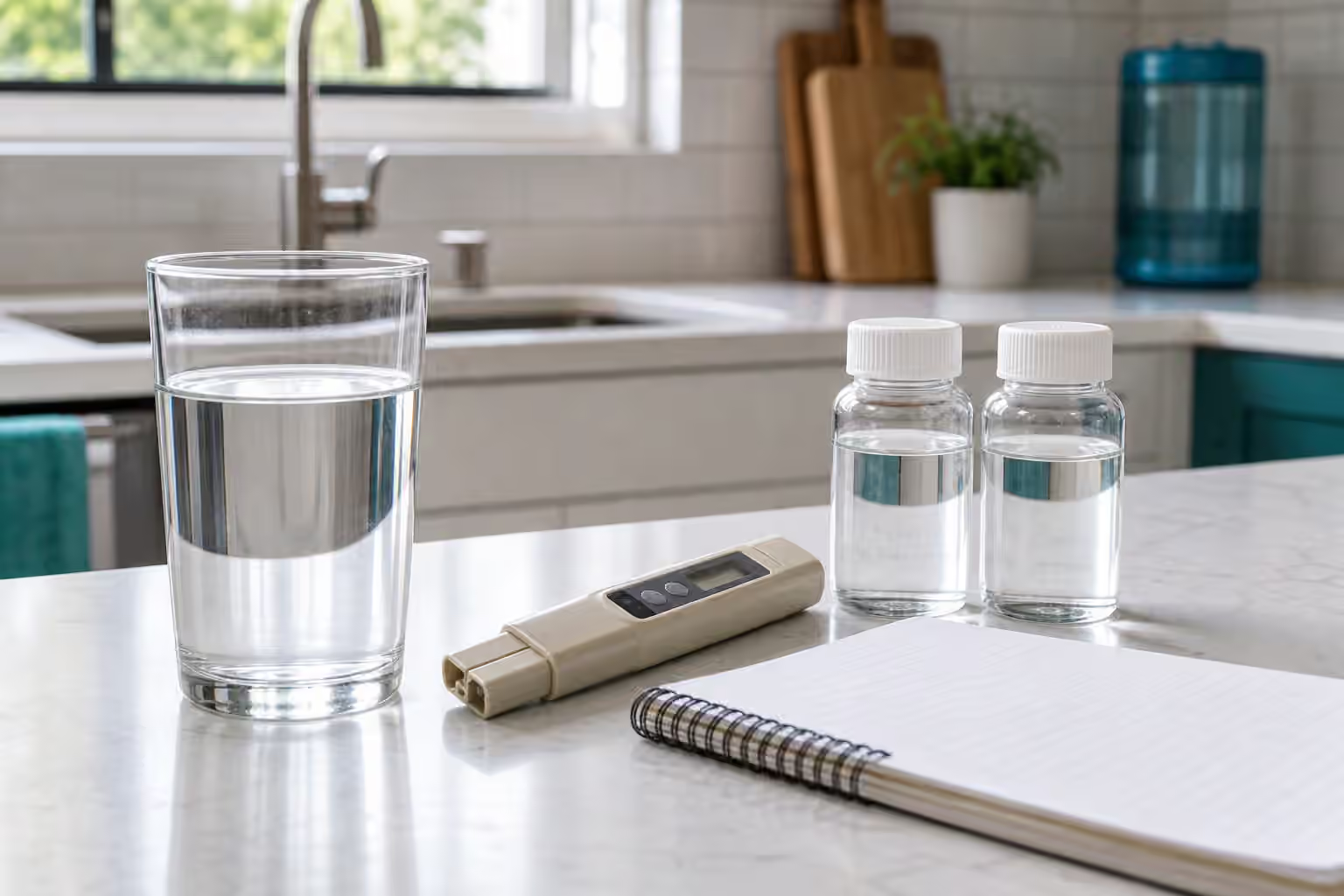
People sometimes install RO for contaminant reasons and then discover that the water tastes different in a second way. Very low mineral water can feel flat to some drinkers, and it can change coffee and tea extraction. That does not make RO bad. It means the system should be chosen with the actual household in mind. Some people like the taste. Some prefer remineralization. Some reserve RO water for drinking and use other water for certain appliances or brewing habits.
The maintenance story deserves equal attention. RO systems can have several replacement intervals: sediment prefilter, carbon prefilter, membrane, postfilter, tank sanitation, and sometimes remineralization media. A missed prefilter can burden the membrane. A forgotten postfilter can affect taste. A neglected system can sit under the sink looking reassuring while drifting away from its intended performance. Write the whole schedule before installation day, not after the first year.
Installation is the other quiet gate. Check pressure, drain access, faucet hole options, cabinet space, leak protection, cartridge access, and whether a landlord allows the work. Countertop RO can reduce plumbing commitment, but it brings its own daily routine. Under-sink RO can feel seamless once installed, but it is not a casual appliance. It is plumbing-adjacent equipment that deserves careful setup.
Choose RO when its strengths match the evidence and its chores match your life. It is not the “serious person” filter by default. It is a powerful option with real obligations. Used well, it can be a calm dedicated drinking-water system. Used casually, it can become an expensive reminder that better water decisions are never only about the device.