
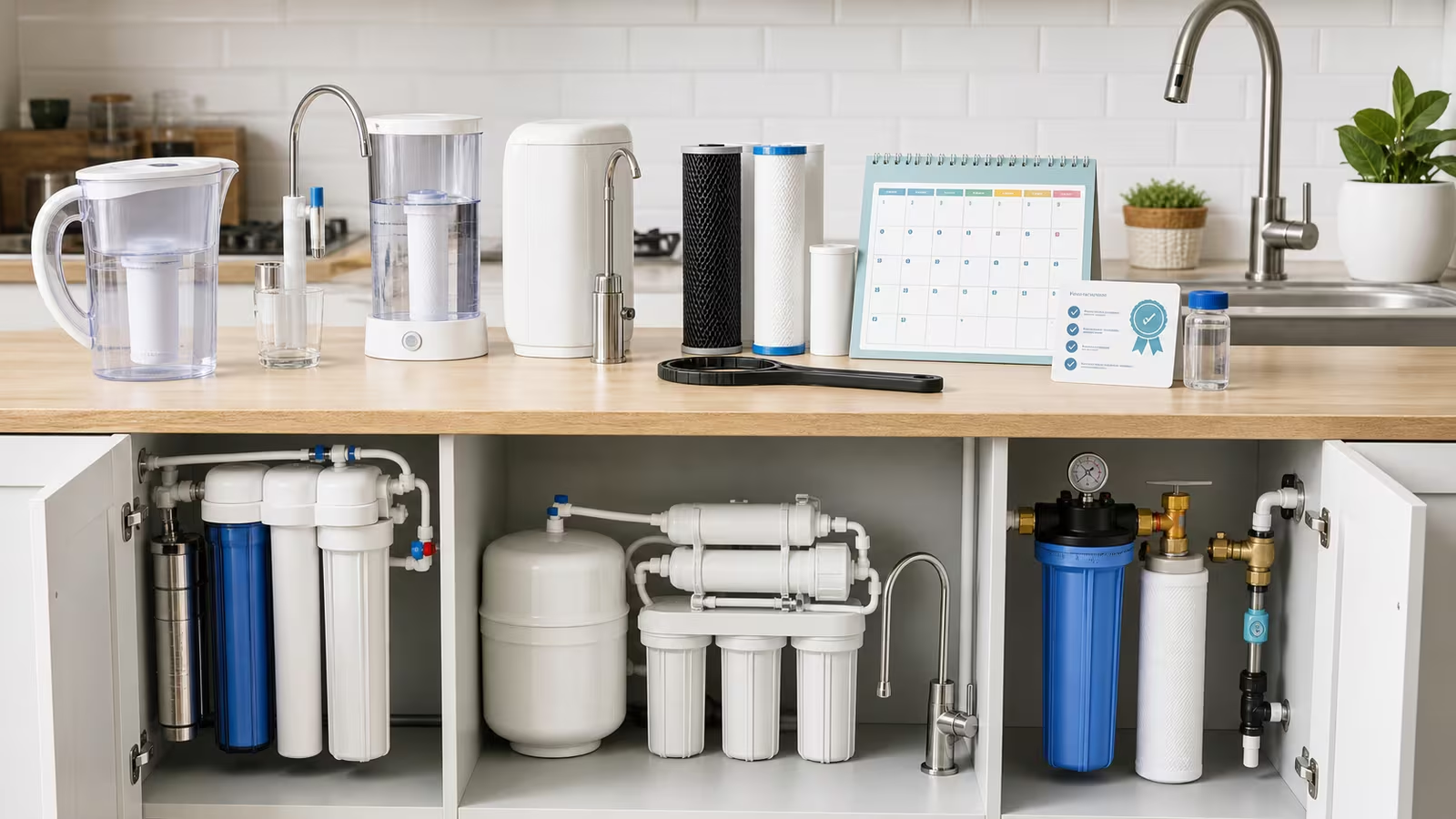
Renters usually need reversible setups. That does not mean helpless setups. A pitcher, countertop unit, faucet adapter, shower-filter claim, or portable RO can be useful if it matches the water problem and the lease. The first step is still the report or test, not the gadget. For background, see EPA — Home Drinking Water Testing .
Clear Water Lab helps with everyday water decisions, reports, testing, certification checks, and maintenance. It is not medical advice, legal advice, or a substitute for local boil-water notices, certified lab results, utility instructions, or health department guidance.
Renter-friendly does not mean evidence-free
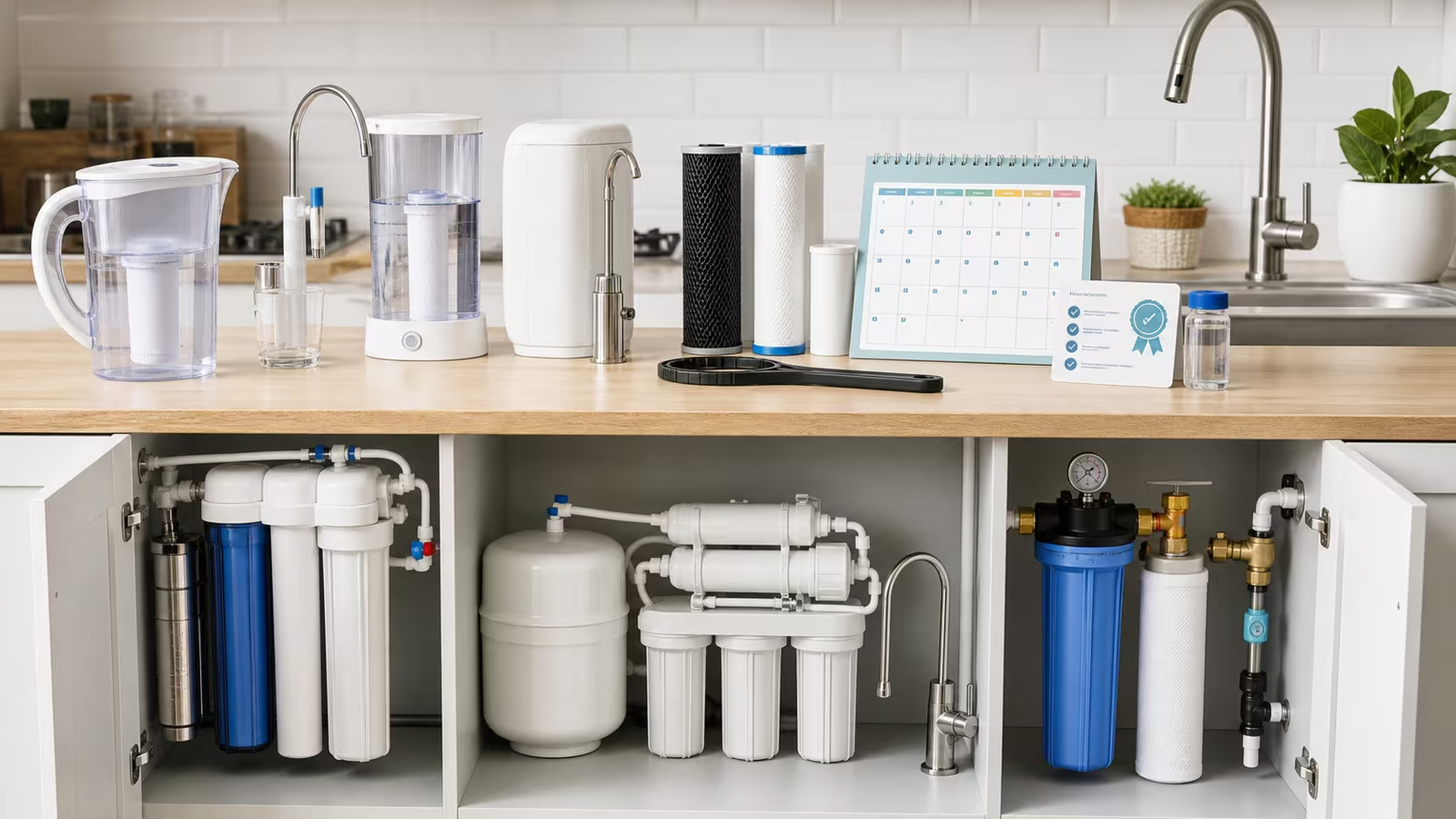
Renters often have to work around limits: no drilling, no permanent plumbing changes, limited storage, unusual faucets, shared buildings, and unclear maintenance history. Those limits are real, but they do not make the decision hopeless. They simply shift the focus toward reversible devices, better documentation, and clear communication with the landlord or utility when the issue is not inside your control.
Start with what you can know. Download the public water report if the apartment is on a public system. Ask the landlord or building manager about storage tanks, known service line material, recent plumbing work, and building-wide notices when relevant. Compare more than one tap. Notice whether the issue is cold water, hot water, first draw, flushed water, or a specific fixture. That pattern can keep you from blaming the entire water supply for a faucet, hose, refrigerator line, or old cartridge.
Then choose a format that fits the lease and the habit. A pitcher is easy to remove but easy to leave empty. A faucet mount is convenient if the faucet accepts it. A countertop unit can be a good compromise if there is space and the connection works. Portable RO can be useful for some households, but it adds refilling, wastewater, and maintenance. The right device is the one that solves a verified problem without creating a new rental problem.
What this helps you decide
This helps you decide what can improve a rental kitchen without drilling, violating a lease, or creating a maintenance burden you will ignore.
Plain definitions
| Term | Plain meaning |
|---|---|
| No-drill filter | A pitcher, faucet adapter, manual-fill countertop unit, or portable setup that does not permanently alter plumbing. |
| Building plumbing | The pipes, storage tanks, fixtures, and maintenance conditions between the utility supply and your apartment tap. |
| Renter-safe setup | A setup that can be removed cleanly and maintained without hidden plumbing changes. |
Decision criteria
| Question | Useful next move |
|---|---|
| Taste and odor | A pitcher, faucet, or countertop carbon filter with a verified claim may be enough. |
| Lead concern | Ask about building plumbing and test or use a certified lead-reduction product. |
| PFAS concern | Check the public report and certified product listing before choosing a format. |
| Odd faucet | Pull-down, sprayer, or unusual fixtures may rule out faucet mounts. |
Common mistakes
- Installing under-sink hardware without permission.
- Buying a faucet filter before checking faucet compatibility.
- Forgetting replacement cartridges during a move.
- Assuming bottled water is always the cheapest or cleanest long-term answer.
Try this next
- Read the local public water report and ask the landlord about building-specific issues if needed.
- Pick a reversible format that fits your faucet, counter, and storage habits.
- Photograph the model and cartridge number before moving.
- Use Filter Replacement Schedules so a renter-friendly filter stays functional.
Safety and source check
For suspected building contamination, repeated discoloration, pressure loss, or official notices, contact the landlord, utility, or local health department instead of trying to filter around the problem silently.
Related Fondsites path
- Pitcher, Faucet, Countertop, Under-Sink, RO, and Whole-Home Filters
- Lead in Drinking Water
- PFAS in Drinking Water
- How to Verify a Water Filter Claim
Keep a move-ready water folder
A rental setup benefits from portable documentation. Save the report, filter model, cartridge model, installation date, replacement dates, landlord messages, and any test results in one folder. If you move, that folder prevents the same research from starting over. It also helps you separate what belonged to the old building from what belongs to the new one. Many renter water frustrations repeat because the notes disappear with the lease.
For lead or serious building concerns, do not try to quietly filter your way around the whole issue. A certified point-of-use filter can be helpful at your drinking tap, but building plumbing records, official testing, landlord obligations, and utility programs may also matter. Repeated discoloration, pressure loss, sediment, odor, or an official notice deserves communication, not only a countertop purchase.
Budget should include cartridges and moving friction. A low-cost pitcher with frequent cartridges may cost more attention than expected. A larger countertop unit may be cheaper per gallon but awkward in a tiny kitchen. A faucet mount may be convenient until you move to a pull-down faucet. Before buying, imagine the device in the next apartment as well as the current one.
The calm renter strategy is reversible, documented, and specific. Read the report, identify the pattern, choose a claim you can verify, and keep maintenance visible. That is enough to make many rental kitchens feel more intentional without pretending you own the plumbing.
Before move-out, take five minutes to reset the water setup. Remove adapters cleanly, pack cartridge notes with the device, photograph any parts that belong with it, and leave landlord-owned plumbing as you found it. The next kitchen will be easier to evaluate when your filter history travels with you instead of disappearing in a moving box.