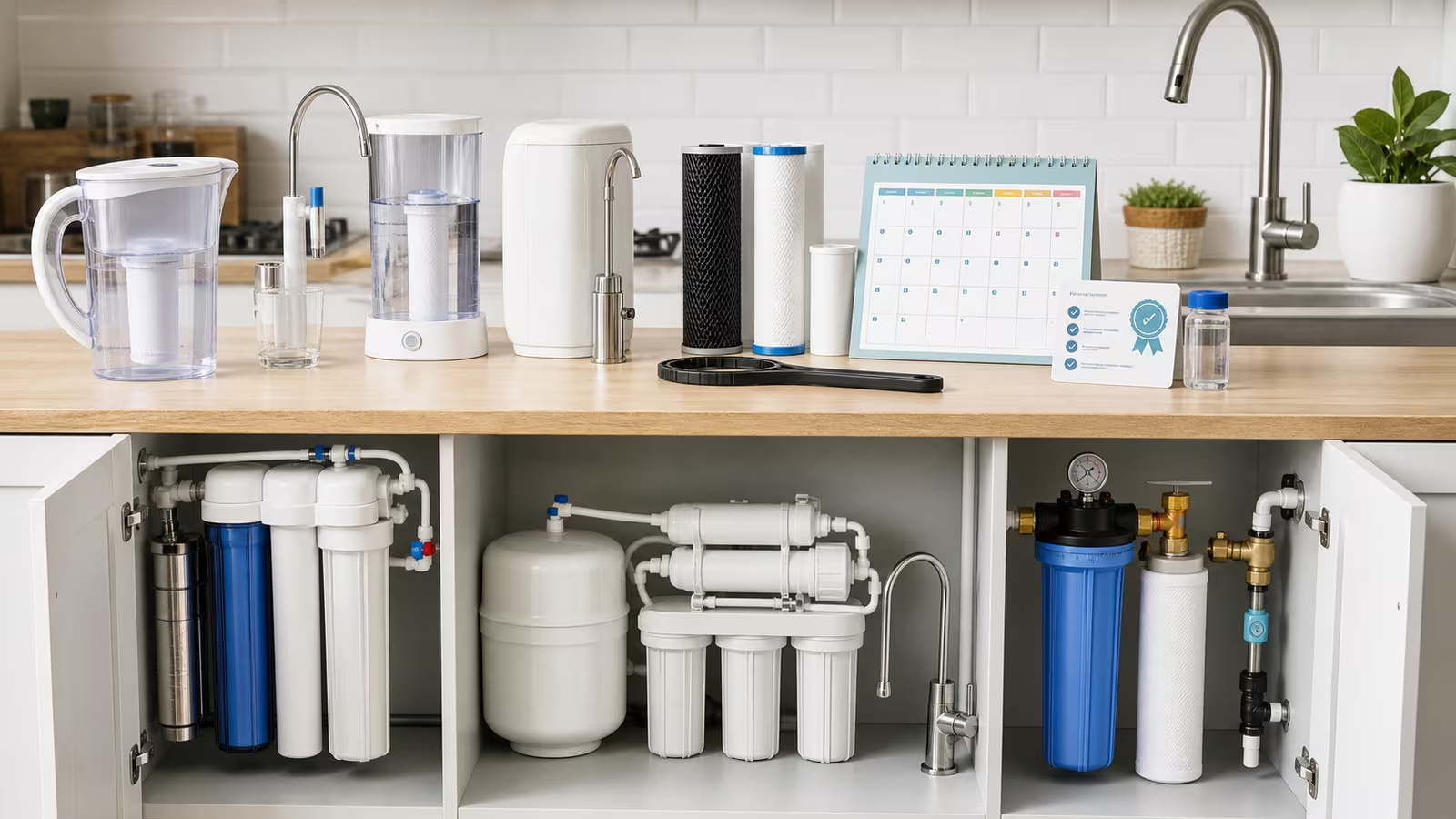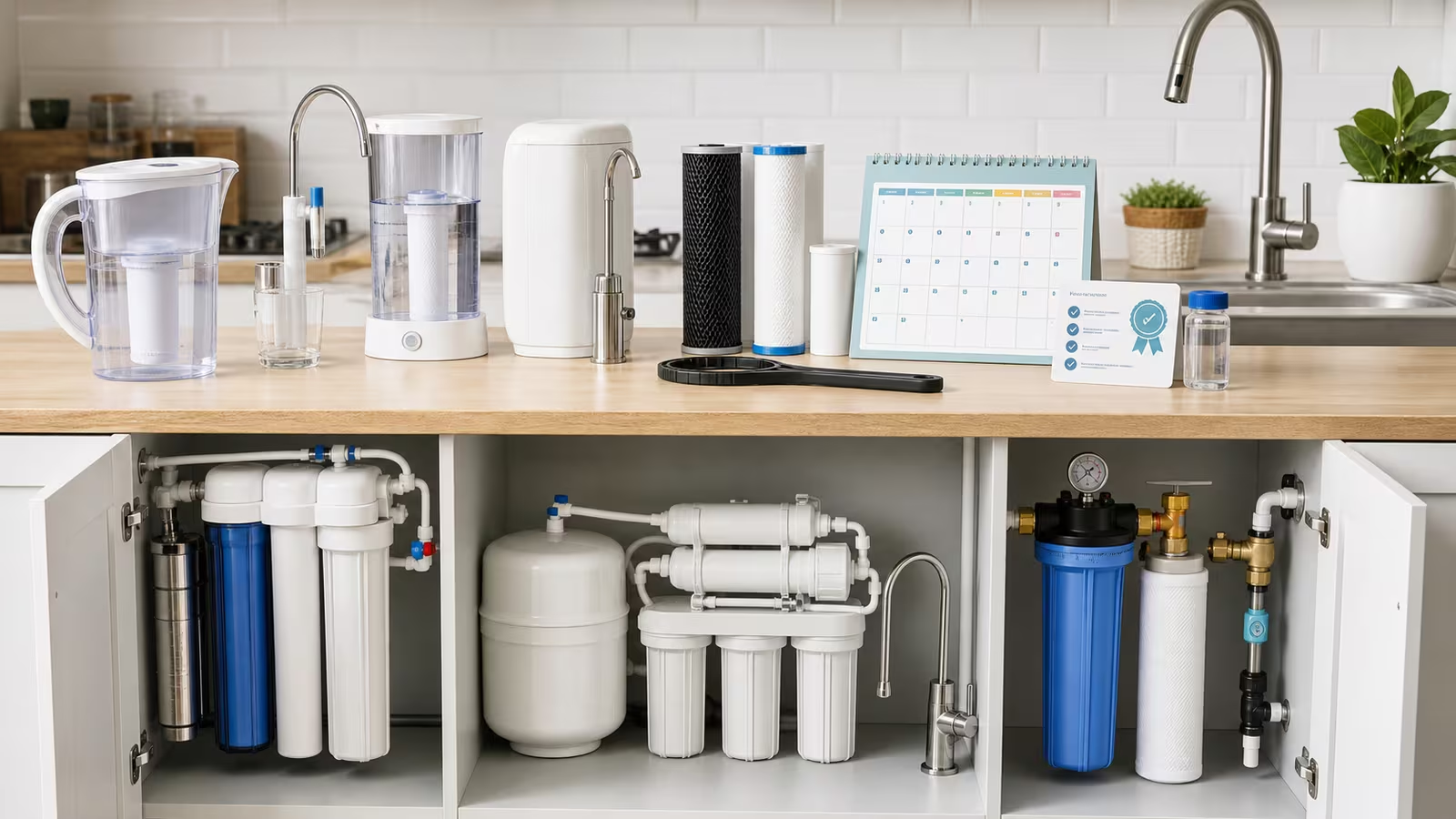
Refrigerator filters are easy to overestimate because they sit inside a polished appliance and produce cold water on demand. They can be useful for everyday taste and odor, and some models carry stronger certified claims, but the small cartridge behind the grille or inside the compartment is not a household treatment plan by itself. For background, see NSF — Standards for Water Treatment Systems .
Clear Water Lab helps with everyday water decisions, reports, testing, certification checks, and maintenance. It is not medical advice, legal advice, or a substitute for local boil-water notices, certified lab results, utility instructions, or health department guidance.
The dispenser is a point of use
A refrigerator dispenser treats water at one small place in the home route. Water has already passed through the public system or private source, building plumbing, shutoff valves, supply tubing, the appliance line, and finally the cartridge before it reaches the glass or ice tray. That location matters. A refrigerator filter may make the drinking routine more pleasant, but it does not treat shower water, bathroom taps, outdoor hose bibs, or the water heater. It also does not change what happened upstream before the water reached the appliance.
That is why the first question is the same question used in Tap Water Quickstart : what problem are you actually trying to solve? If the answer is mild chlorine taste in city water, a maintained refrigerator cartridge may be a reasonable convenience. If the answer is lead from old plumbing, PFAS in a report, nitrates in a private well, or bacteria after a boil notice, the appliance filter deserves much more scrutiny. The claim on the exact cartridge, not the presence of a dispenser, decides whether it belongs in the answer.
The word “compatible” can be misleading here. A cartridge can fit the refrigerator and still differ from the original certified listing. Some replacement cartridges are made by the appliance brand, some by filter manufacturers, and some by third-party sellers whose claims may be hard to verify. Physical fit is only plumbing compatibility. It is not proof of contaminant reduction. When the concern is anything beyond taste, the method from How to Verify a Water Filter Claim on NSF, WQA, or IAPMO belongs in the kitchen before the purchase.
Ice makes maintenance visible
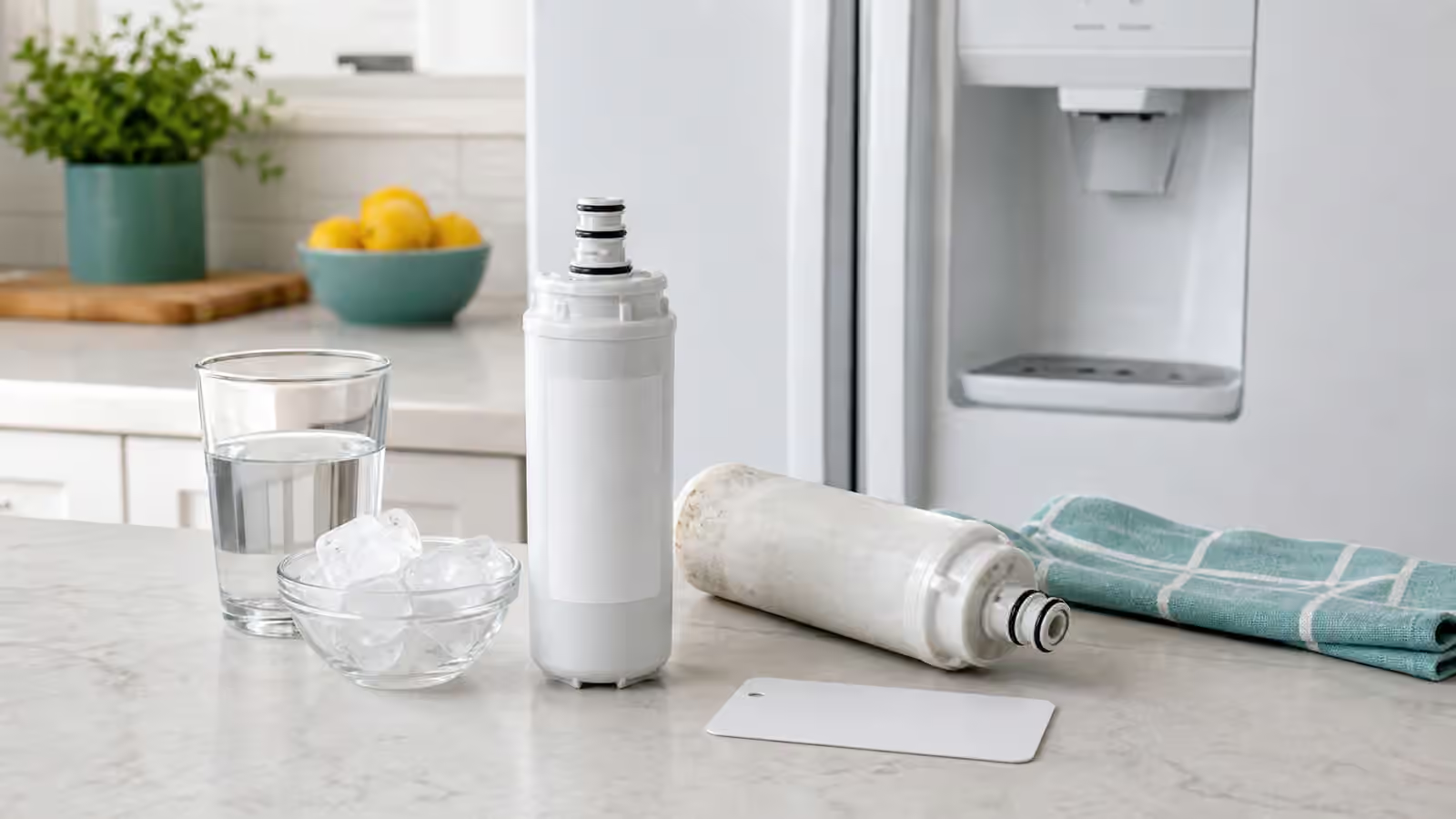
Ice is a surprisingly good witness. Cloudy cubes, stale freezer smell, hollow cubes, odd flecks, slow production, or a faint plastic taste can point to several different issues. The filter may be overdue, the supply line may have sat unused, the freezer may be carrying food odors, the ice bin may need cleaning, or the appliance may have a water-flow problem. Ice can reveal neglect, but it rarely names the cause by itself.
The water line feeding a refrigerator is often ignored because it is hidden behind a heavy appliance. A kinked tube, old saddle valve, unused bypass plug, or slow leak can make the dispenser feel like a mystery. If water flow drops after a new filter, the cartridge may need proper seating, flushing, or a model check. If flow drops slowly over months, the filter may be clogged or the household may be exceeding capacity faster than expected. The maintenance thinking from Filter Replacement Schedules applies directly, even though the cartridge is tucked inside an appliance instead of under a sink.
Replacement timing is not only a calendar habit. It also depends on use. A refrigerator that fills sports bottles all day and produces ice for guests can run through capacity faster than a dispenser used by one person at dinner. Some cartridges are rated by time, some by volume, and many households do not measure volume at all. In practice, the best setup combines the manual, a visible date label, a reminder, and a spare cartridge that is the verified model you intend to use.
Taste claims should stay modest
Many refrigerator filters are built around activated carbon. That can be useful for chlorine taste and odor when the cartridge is designed and maintained for that purpose. It can also reduce some other contaminants when the exact model is certified for the exact claim. The trap is assuming that every small carbon cartridge behaves like every other carbon cartridge. The deeper explanation in Activated Carbon Filters is worth reading because carbon is a material family, not a universal promise.
Cold water can hide taste in both directions. A chilled glass may taste cleaner simply because temperature mutes odors. Ice can also carry freezer smells, especially if the bin sits near uncovered food. If the water tastes fine from the cold tap but stale from the dispenser, compare the appliance line, filter age, and ice bin before buying a more ambitious system. If the water tastes metallic from several cold taps, or if the change is sudden and widespread, the refrigerator is probably not the center of the story. The pattern work in Why Your Water Tastes Like Chlorine, Metal, Dirt, Eggs, or Plastic helps keep the clue in context.
Flushing matters after replacement. New cartridges often require several gallons or cycles before normal use, and refrigerators may have their own instructions for discarding the first batches of ice. Skipping that step can create cloudy water, loose carbon fines, or off taste that looks like failure but is really unfinished installation. The manual is more useful than memory here, especially when the filter compartment design changes between appliance models.
Bypass is a real setting
Some refrigerators can run with a bypass plug or internal bypass when no filter is installed. That can be appropriate if the household uses a separate under-sink system or if the refrigerator cartridge is only being used for convenience. It can also create confusion. A dispenser that looks filtered may be passing unfiltered water because the bypass is in place, the cartridge is missing, or the cartridge is not seated. The person drinking from the glass may not know which state the appliance is in.
Treat the refrigerator like a small water station. Write down whether the cartridge is active, which model is installed, what claim you rely on, when it was changed, and how the first ice batches were handled. If the appliance has a filter indicator light, use it as a reminder, not as the only evidence. Indicator logic may be based on time, estimated flow, or a simple reset button. A reset without a replacement is only a reset.
Refrigerator filters are at their best when they are honest. They make cold water convenient, improve some taste problems, and may support specific certified claims when the model and maintenance match. They are at their worst when the appliance shine turns into false confidence. The calm version is simple: verify the cartridge, label the date, flush it correctly, clean the ice path, and keep larger water questions attached to reports, testing, and source evidence rather than to the dispenser door.