A private well after flooding is not an ordinary taste complaint. Floodwater, storm runoff, drainage changes, power loss, pressure changes, damaged caps, submerged vents, nearby septic disturbance, and hurried repairs can all change the meaning of the water coming from the tap. Clear water does not prove the well is fine, and bad taste is not the only warning sign worth respecting. For background, see CDC — Guidelines for Testing Well Water .
Stop treating the tap as a normal sample
The first mental shift is simple: after flooding, the water at the tap may not represent normal well conditions. It may represent an event. That event may have moved surface water, soil, microbes, fuel residues, agricultural runoff, septic material, or debris toward places they do not belong. It may also have damaged electrical equipment, pressure tanks, treatment devices, and plumbing. The correct response is not to diagnose by smell or to buy a filter quickly. It is to pause, follow official guidance, and document what happened.
City Water vs Well Water explains the core responsibility difference. A public water system has monitoring, operators, notices, and official response channels. A private well puts more responsibility at the property level. After a flood, that responsibility becomes more visible. The household may need local instructions about whether to use alternate water, how to inspect the well area, when sampling is appropriate, and whether a qualified professional should service or disinfect the system.
Taste and clarity can mislead. Water can look clear while microbiological risk remains. Water can smell earthy because sediment moved, or because the plumbing and treatment devices have been disturbed, or because the source itself changed. A countertop strip cannot resolve the serious questions. For bacteria, nitrate, arsenic, fuel-related concerns, pesticides, or other site-specific risks, the relevant path is official guidance and appropriate lab testing.
The wellhead and yard tell part of the story
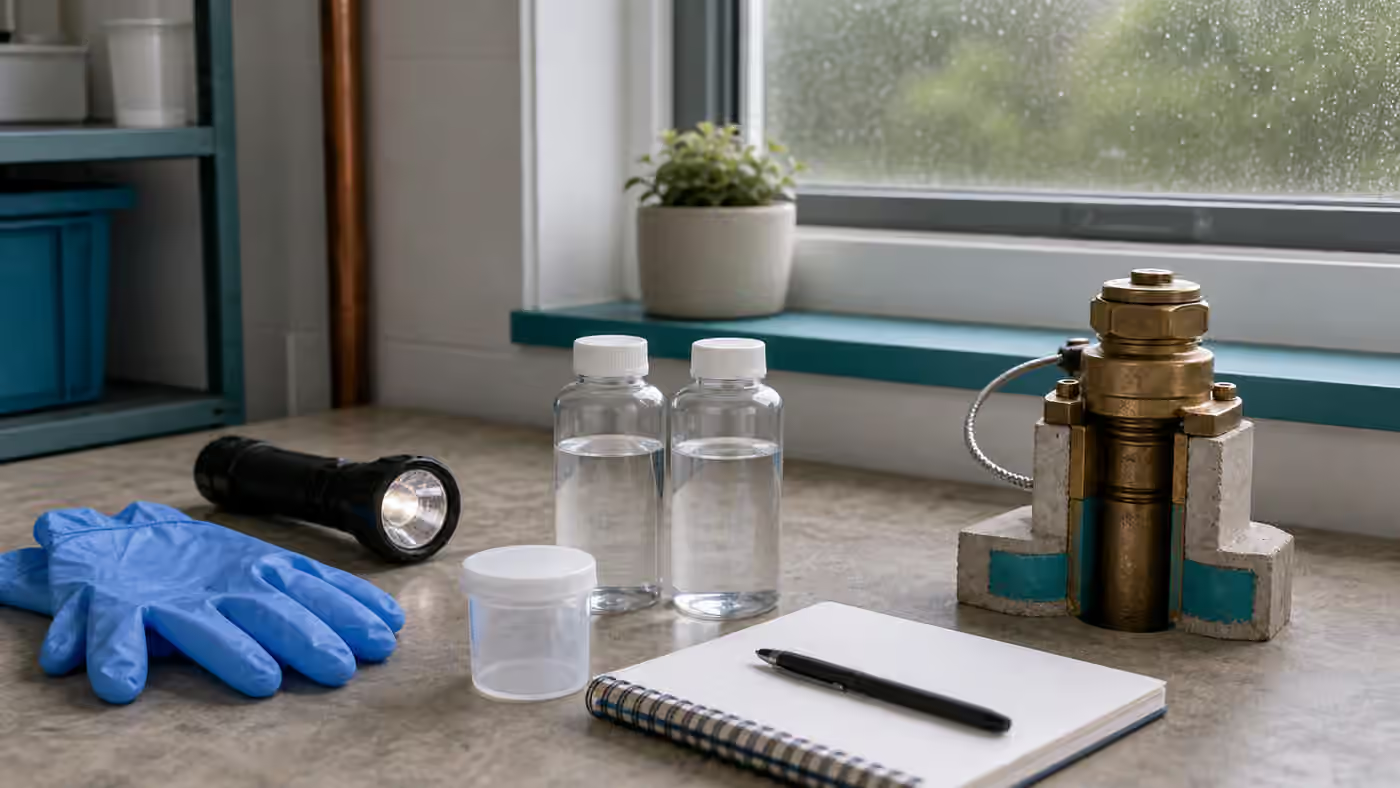
Before thinking about treatment, look at the physical setting if it is safe to do so. Was the wellhead submerged? Did water pool around it? Did soil wash away? Is the cap damaged, loose, missing, cracked, or buried in debris? Are electrical components wet or exposed? Did nearby drainage, septic, fuel storage, chemical storage, or animal waste areas flood? Those observations do not replace testing, but they help decide how seriously to treat the event and what to tell local health or well professionals.
Wellhead and Yard Water Protection is the natural companion here because the ground around the well is part of the water story. A well is not only a pipe. It is an opening in a landscape, with a cap, casing, grading, drainage, nearby activities, and maintenance history. Flooding tests that landscape. A well that has been protected by good grading and a sound cap may still need caution, but it begins from a different place than a low, damaged, poorly sealed well in pooled water.
Keep the inspection humble. Do not remove covers, open electrical equipment, or improvise repairs beyond your competence. Wet electrical equipment and pressurized systems deserve respect. The household note should record what was visible, not create a risky project. Photographs can help professionals see the situation later, but safety and official guidance come first.
Filters and softeners may become part of the problem
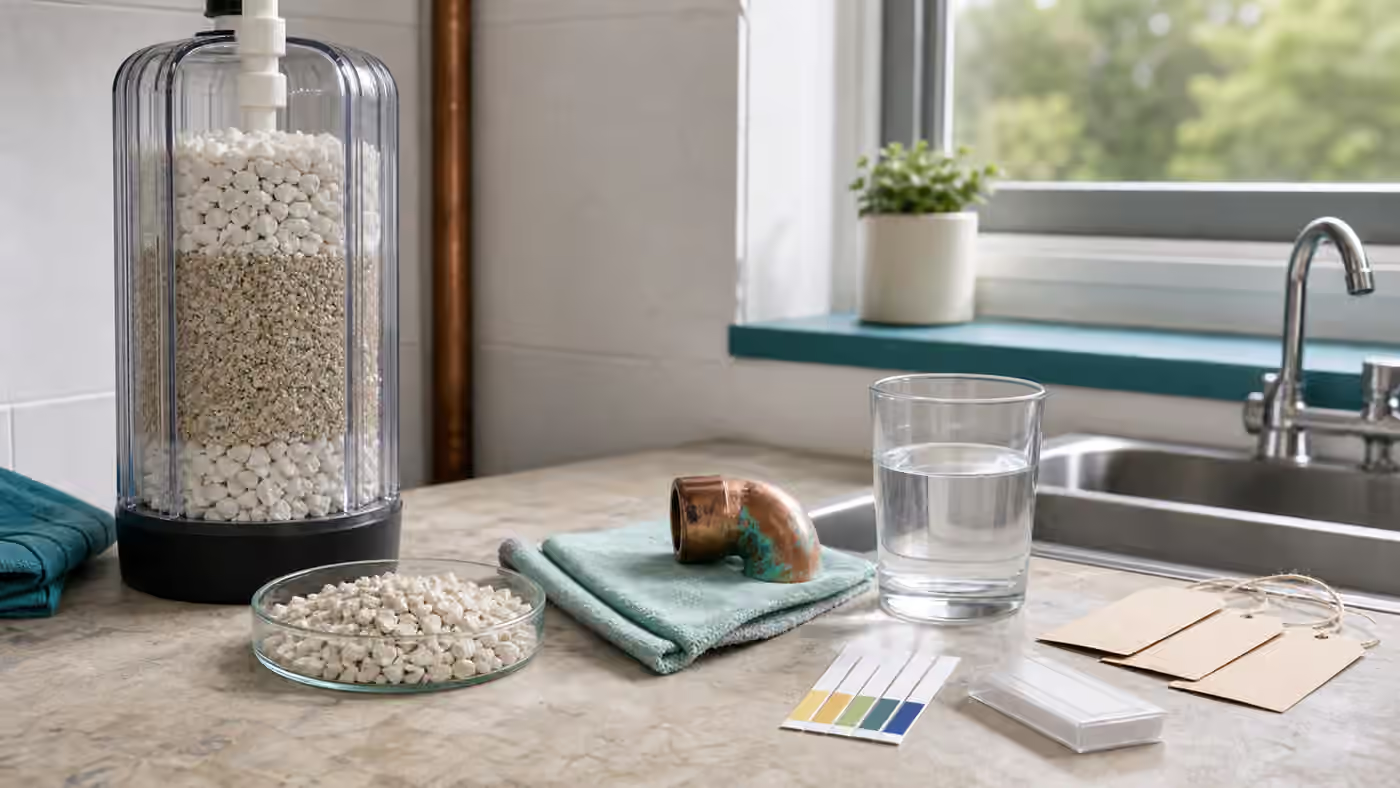
Treatment devices are not magic shields during a flood event. A sediment filter, softener, carbon tank, cartridge housing, UV unit, pressure tank, or reverse osmosis system may be affected by contaminated source water, pressure loss, power loss, bypass settings, standing water, or physical damage. A device that was useful yesterday may need inspection, servicing, replacement parts, flushing, disinfection, or temporary bypass according to professional guidance.
This is one reason a private well plan should not rely on a single point-of-use filter as the emergency answer. A refrigerator cartridge or pitcher may improve taste under ordinary conditions while being irrelevant to a post-flood microbiological question. A UV system may help with a specific disinfection role only when the water reaching the lamp meets the conditions required for the unit, the lamp is powered, the sleeve is clean, and flow is appropriate. UV Water Disinfection makes that narrowness clear.
If the well has a treatment sequence, write down the order before anyone starts changing parts. Water Treatment Stage Order is useful because sediment, carbon, softening, RO, and UV each have different boundaries. After flooding, the question is not only whether the final glass tastes acceptable. It is whether the source, equipment, plumbing, and maintenance state are known well enough to trust the route.
Testing needs the right timing and method
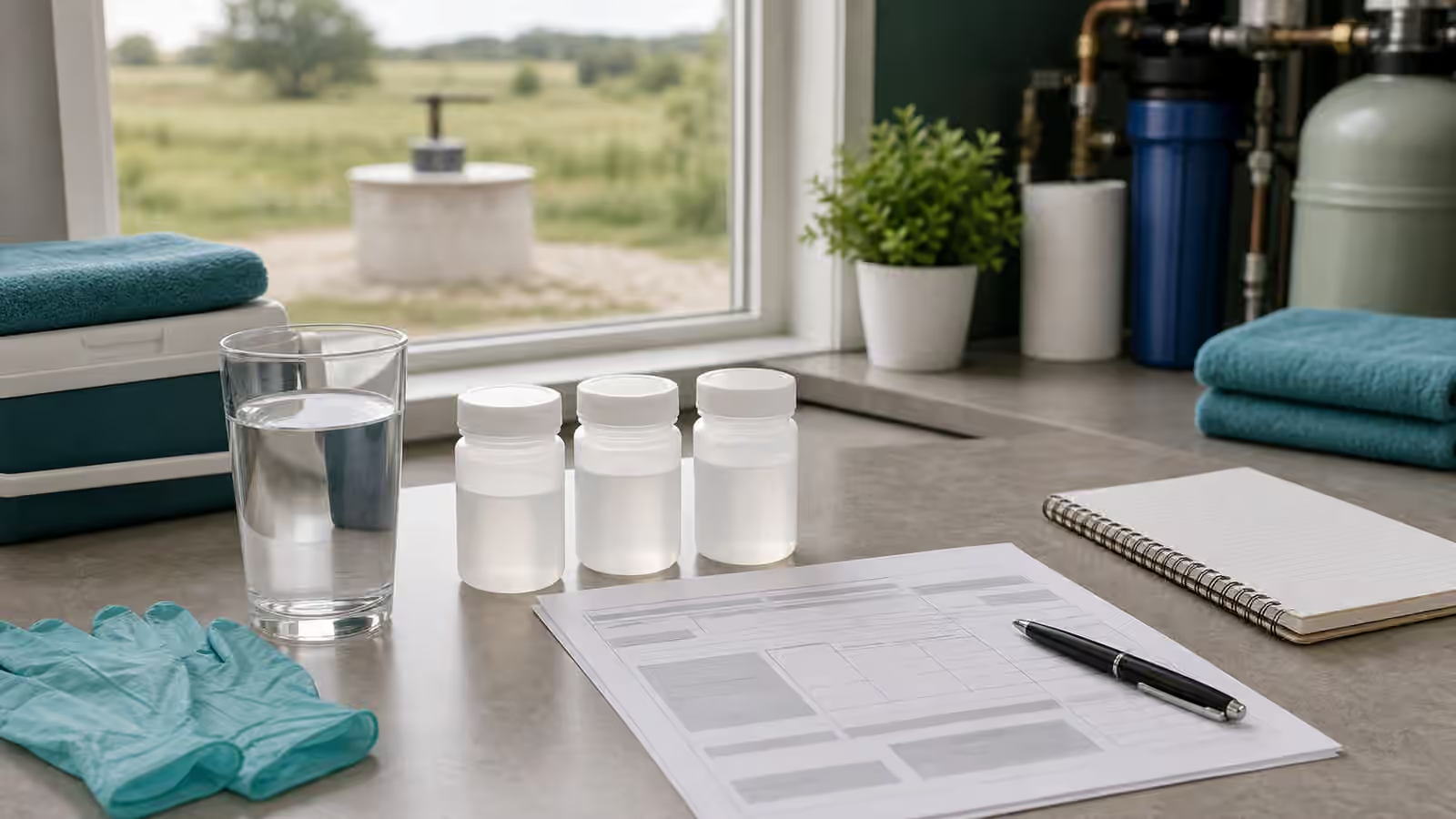
Sampling after a flood is not just filling a random bottle. The lab or local authority may specify when to sample, what bottle to use, whether to disinfect first, how long to wait, which tap to use, whether to remove aerators, whether to flush, how quickly to deliver the sample, and which analyses matter. A sample taken too early, from the wrong location, or in the wrong container can create false confidence or confusion.
How to Collect a Water Sample at Home Without Spoiling the Result explains why ordinary handling details matter. After flooding, those details matter more. If the question is bacteria, the bottle may contain preservative and should not be rinsed. If the question is a chemical contaminant, the bottle and holding time may differ. If the well was disinfected, the sampling timing may need to follow local instructions so the result means what people think it means.
The result should be kept with context. A lab number without the flood note is weaker evidence. Record the date of flooding, depth or proximity of water near the well if known, visible damage, power loss, repairs, disinfection, filter changes, sampling time, sampling tap, and any official instructions followed. Well Water Sampling Log exists for exactly this reason. Private well decisions become clearer when unusual events travel with the test result.
Disinfection is not a recipe to improvise
Many wells can be disinfected after certain contamination events, but shock chlorination and post-disinfection flushing are not casual kitchen steps. The right approach depends on well construction, water chemistry, plumbing, treatment equipment, local guidance, and the nature of the event. Too little can create false comfort. Too much or careless handling can damage equipment, create unsafe conditions, or send heavily chlorinated water where it should not go.
For that reason, this article does not provide dosing instructions. Local health departments, extension services, certified labs, and well professionals are better sources for the specific procedure in a specific place. The household role is to recognize when a flooded well is outside normal troubleshooting, keep alternate water available if instructed, and make sure any disinfection is followed by the required flushing and testing before returning to ordinary drinking use.
That conservative boundary is not meant to make the problem feel hopeless. It is meant to keep the response evidence-based. A flooded well can often be brought back into service, but the path should be documented and locally appropriate. Guessing from a clear glass is the fragile choice.
Return to normal only when the evidence supports it
The end of visible flooding is not automatically the end of the water event. The well area may dry before the system has been inspected, treated, tested, or cleared according to local guidance. Plumbing and treatment devices may still need flushing or service. Stored ice, refrigerator lines, humidifiers, and small appliance reservoirs may hold water from the uncertain period. Emergency Water Basics is useful because the return-to-normal phase often has its own instructions.
A calm post-flood well routine has a sequence. Follow official guidance first. Use alternate water when instructed. Record what happened. Inspect visible wellhead and yard conditions safely. Involve qualified professionals when damage, disinfection, electrical equipment, or system design is beyond ordinary household care. Test with the right method at the right time. Keep the result with the event record.
The point is not to fear private wells. The point is to treat flooding as a meaningful event in the well’s history. A private well is easier to manage when its records include storms, repairs, samples, and treatment changes. After the water recedes, that record is what keeps the next decision from becoming a guess.