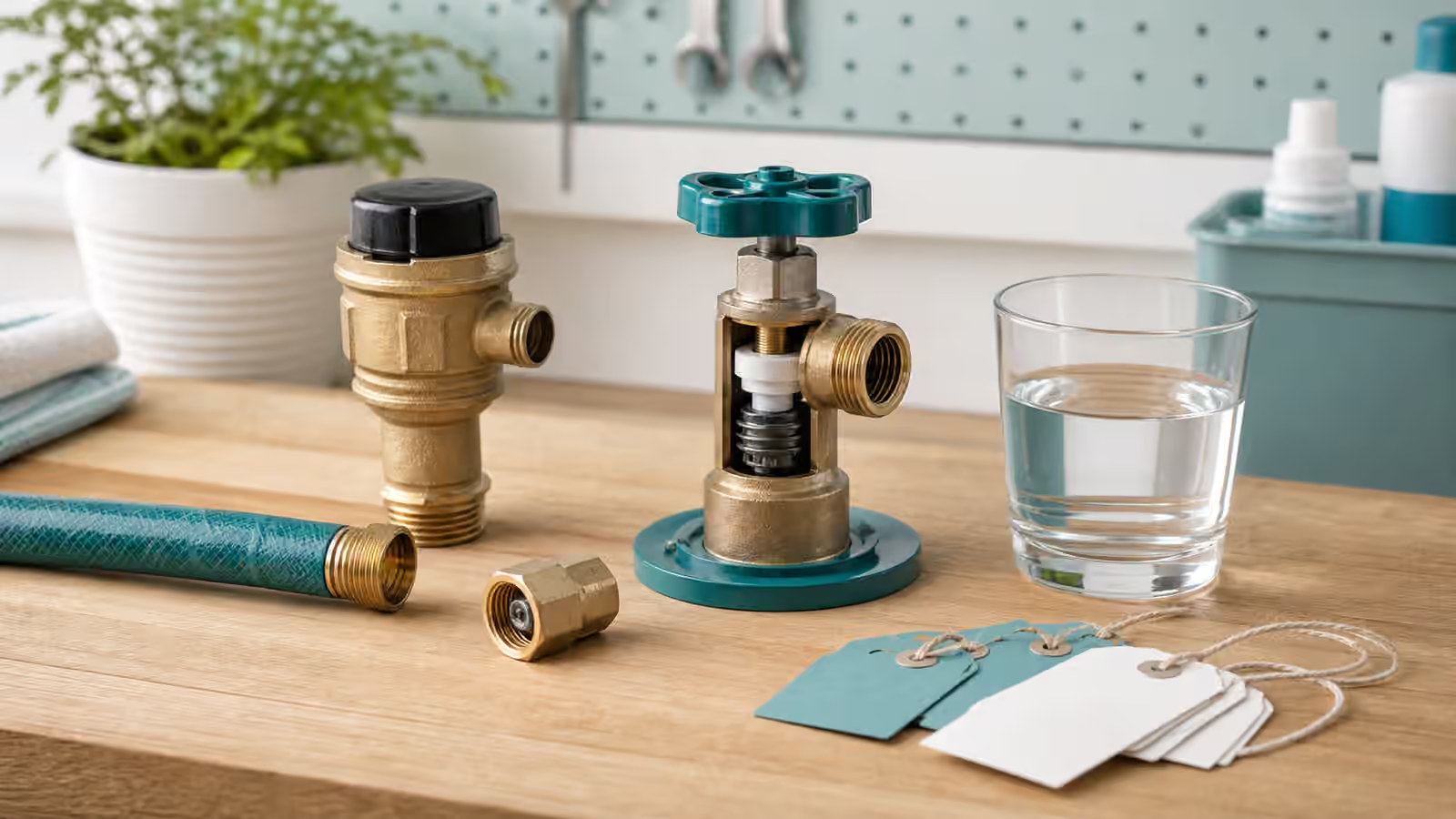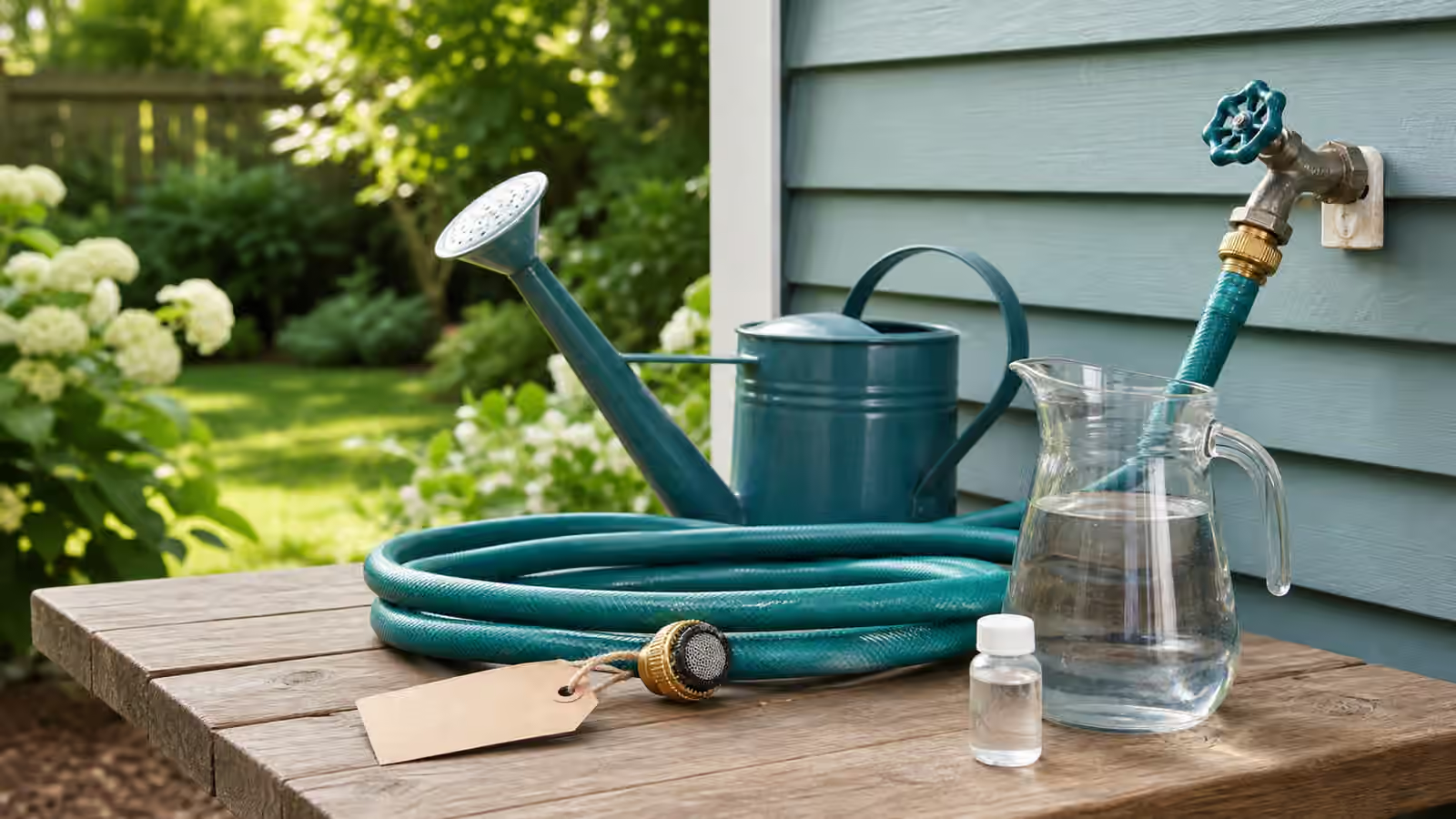
An outdoor faucet may be connected to the same building water supply, but it is not the same route as a kitchen drinking tap. It may sit downstream of different plumbing, skip point-of-use treatment, pass through a hose that was never meant for drinking, sit in sunlight, hold stagnant water, or share space with soil, fertilizers, animals, irrigation equipment, and backflow risks. The outside tap deserves its own habits because the conditions around it are different. For background, see EPA — Home Drinking Water Testing .
Clear Water Lab helps with everyday water decisions, reports, testing, certification checks, and maintenance. It is not medical advice, legal advice, or a substitute for local boil-water notices, certified lab results, utility instructions, or health department guidance.
The hose is part of the water path
People often judge outdoor water by its source and forget the hose. A garden hose can add taste, odor, heat, biofilm, debris, or material concerns that have little to do with the water report. A hose lying in the sun can warm the first water dramatically. A hose used for soil, compost tea, chemical sprayers, pet washing, or irrigation attachments is no longer a clean drinking route just because it connects to potable plumbing. If water will be used for drinking, cooking, or filling a clean container, the hose and attachment matter.
The practical habit is to separate uses. A hose for garden work should be treated as garden equipment. A container-filling setup, if needed, should be clean, clearly kept for that purpose, and compatible with potable-water use according to its product instructions. Even then, the outside route may bypass the filter or softener arrangement you rely on indoors. Whole-Home vs Point-of-Use Water Treatment is useful here because an outdoor tap may sit before, after, or outside a treatment branch depending on the plumbing.
Stagnation is more visible outside. The first water from a hose that sat for days in sun is not a fair sample of the home’s source water. It is hose water. Letting the line run before use can clear warmed stagnant water, but flushing is not a magic answer to every concern. It does not turn a non-potable hose into a tested drinking vessel, and it does not override official notices. Stagnant Tap Water gives the broader idea: contact time changes what a water sample represents.
Outdoor taps may bypass the indoor plan
A home with a refrigerator filter, under-sink carbon block, reverse osmosis faucet, or pitcher may still have untreated water at the hose bib. That is normal. Treatment is installed at a location, and the outside tap may not share it. A softener may serve the hose bib in one house and be bypassed for outdoor use in another. Some homeowners intentionally keep outdoor irrigation unsoftened to save salt and avoid unnecessary treatment. Others have hose bibs on a branch they have never mapped.
This is why a home water map helps. Mark outdoor taps along with the main shutoff, pressure regulator, softener, sediment filter, carbon system, UV unit, RO faucet, refrigerator line, and water heater. The map does not have to be polished. It only has to answer whether the hose bib is before or after treatment. New Home Water Walkthrough is the companion for building that first map.
Outdoor use can also reveal pressure and flow behavior. A sprinkler, pressure washer, or long hose may expose restrictions that are not obvious at the kitchen sink. A clogged hose screen, old vacuum breaker, kinked hose, or partially closed shutoff can mimic a water-supply problem. Before blaming a filter, compare indoor cold flow, another outdoor tap, and the hose without attachments if it is safe and appropriate to do so. Water Pressure and Flow explains why flow clues need a location.
Backflow deserves quiet respect
Backflow is not dramatic until it matters. A hose end dropped into a bucket, pond, pool, pesticide sprayer, animal trough, or dirty container can create a route for unwanted water to move backward if pressure conditions change and protection is missing or faulty. Many outdoor faucets use vacuum breakers or other backflow prevention devices, and irrigation systems may have their own requirements. The important household habit is not to remove protective devices casually because they drip, whistle, or make hose connections less convenient.
Rules vary by place and system, so this guide cannot replace local plumbing code, utility instructions, or professional service. The evergreen principle is simple: outdoor attachments can connect potable plumbing to messy environments. Treat that connection with care. If an irrigation system, pool fill, chemical sprayer, livestock waterer, or rain barrel is involved, use qualified local guidance instead of improvising from a product page.
The same respect applies after public notices or utility work. Outdoor taps may be part of flushing instructions, or they may be specifically excluded depending on the event. If a boil-water or do-not-use notice is active, the outside tap is not a loophole. Emergency Water Basics is the better frame for following official guidance.
Filling containers outside needs a clean routine
Sometimes the outdoor tap is convenient for filling a cooler, camp container, emergency storage vessel, or large jug. Convenience should not hide the route. Use a clean potable-rated container, avoid dirty hose ends, keep the container mouth off the ground, and store the filled water according to the purpose and product instructions. If the container will hold drinking water, the cleaning and rotation habits in Drinking Water Storage at Home matter more than the fact that the faucet is close to the driveway.
Private wells add another layer. Outdoor use may draw heavily on the well and pressure system, and yard conditions may reveal drainage, flooding, well-cap exposure, or irrigation choices that deserve attention. A hose bib is not a well test. If source quality is the concern, use certified lab testing and local guidance. Well Water Sampling Log is useful because outdoor events, repairs, flooding, and treatment status should be recorded beside results.
The outside tap is not bad water by default. It is just a different route. Treat hoses as equipment, map whether treatment applies, respect backflow protection, and keep container filling separate from yard work. That keeps outdoor water useful without pretending it is identical to the glass you pour at the kitchen sink.