Discolored water after utility work can look more alarming than it is, but it should still be handled carefully. Hydrant flushing, main repairs, pressure changes, valve operations, nearby construction, and disturbances in older pipes can move sediment that was sitting quietly in the distribution system or building plumbing. The right response is neither panic nor dismissal. It is to identify the event, compare locations, follow utility guidance, and protect filters and fixtures from avoidable loading. For background, see EPA — Home Drinking Water Testing .
Clear Water Lab helps with everyday water decisions, reports, testing, certification checks, and maintenance. It is not medical advice, legal advice, or a substitute for local boil-water notices, certified lab results, utility instructions, or health department guidance.
Street work can show up at the sink
Public water does not travel from treatment plant to glass in a single quiet jump. It moves through mains, valves, hydrants, service lines, building plumbing, fixtures, and sometimes treatment devices. When a utility flushes hydrants or repairs a main, water velocity and direction can change. Material in mains or building pipes can be stirred up. That material may appear as yellow, brown, reddish, gray, or cloudy water at taps, especially at first use after the disturbance.
Seasonal Tap Water Changes covers broader source and treatment shifts. Municipal flushing is more mechanical. It is often planned maintenance or a response to a repair. Many utilities post schedules or notices, and those notices are worth reading before assuming the change begins inside your house. If neighbors see the same discoloration at the same time, the clue points outward. If only one fixture shows it, the clue may be local.
The timing matters. Did the change begin after a hydrant was opened nearby, after a main break, after construction, after a pressure loss, or after the building water was shut off? Did it appear first thing in the morning after water sat overnight, or suddenly during the day? Did it affect hot water, cold water, or both? These details decide whether the next step is a utility call, a building maintenance question, an aerator check, or a wait-and-flush routine recommended by the utility.
Discoloration is a clue, not a diagnosis
Color can suggest sediment, rust, manganese, air, or disturbed particles, but it does not fully identify the water. A reddish or brown tint often leads people to say rust. Black specks may suggest rubber parts, manganese, carbon fines, or fixture debris depending on context. Cloudiness may be air or particles. A metallic taste may come from plumbing, source shifts, or stagnation. The glass gives a clue; it does not replace the utility, a lab, or a qualified professional when the concern is serious.
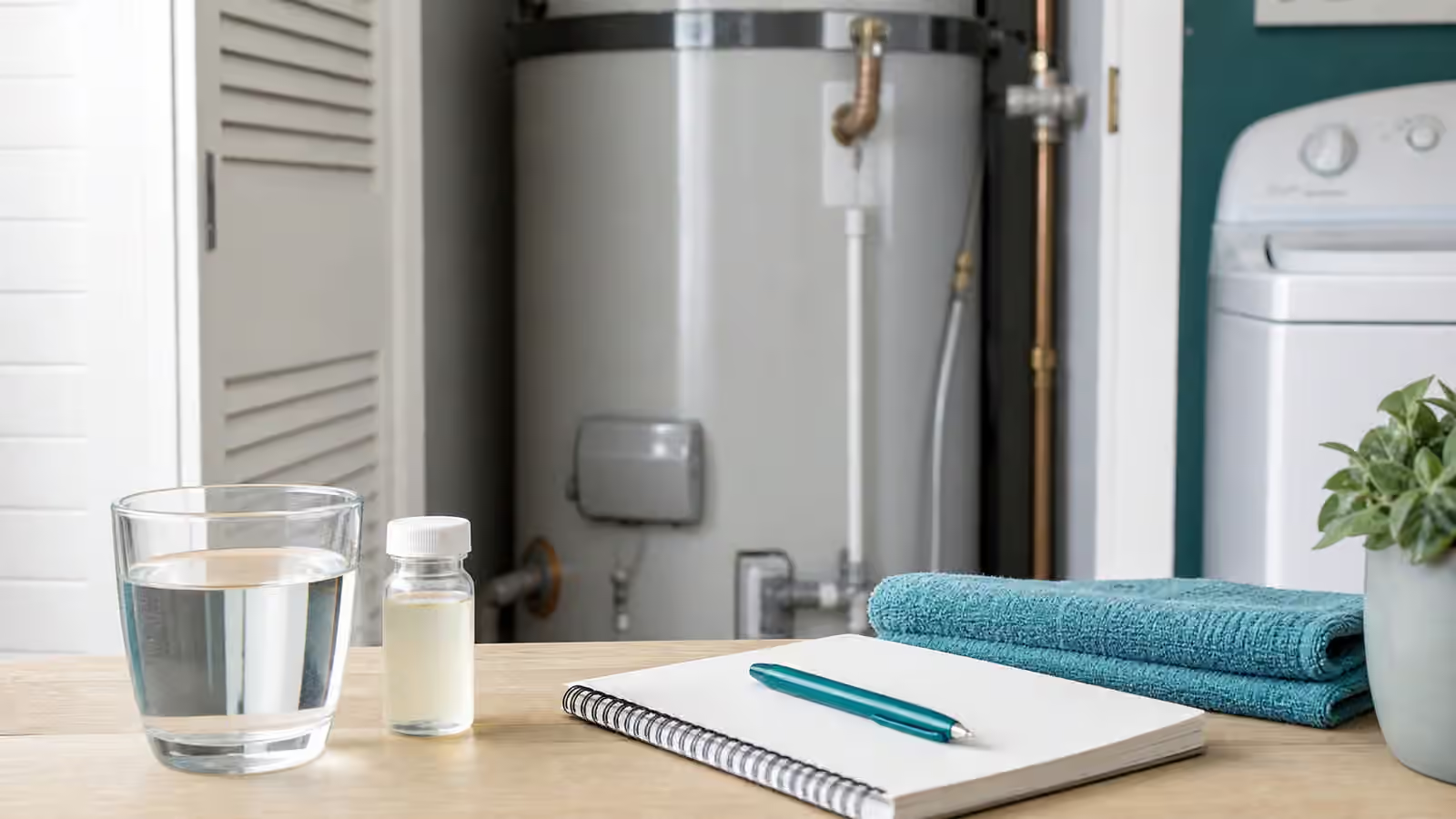
Sediment, Rust, and Cloudy Water is the companion for reading those clues. The same principle applies here: compare taps and timing before buying equipment. If every cold tap changes after nearby main work, the pattern is different from one bathroom faucet with a clogged aerator. If only hot water is discolored, the water heater may belong in the question. If a private well is involved, this is not municipal flushing at all; the well path should be handled separately.
Do not use taste as the safety test during an official event. If a boil-water notice, do-not-drink notice, or pressure-loss advisory is active, the notice controls the household response. A glass that clears after running the tap does not cancel public instructions. Emergency Water Basics is the better frame when a notice is involved.
Protect filters before loading them with sediment
When water is visibly discolored, it can be tempting to run it through every filter in the house until it looks clear. That may be the wrong first move. Sediment can clog pitcher cartridges, faucet filters, refrigerator cartridges, under-sink systems, and reverse osmosis prefilters. Some utilities recommend flushing unfiltered cold taps before using filtered routes after certain events. Product instructions may also tell users what to do after disruptions.
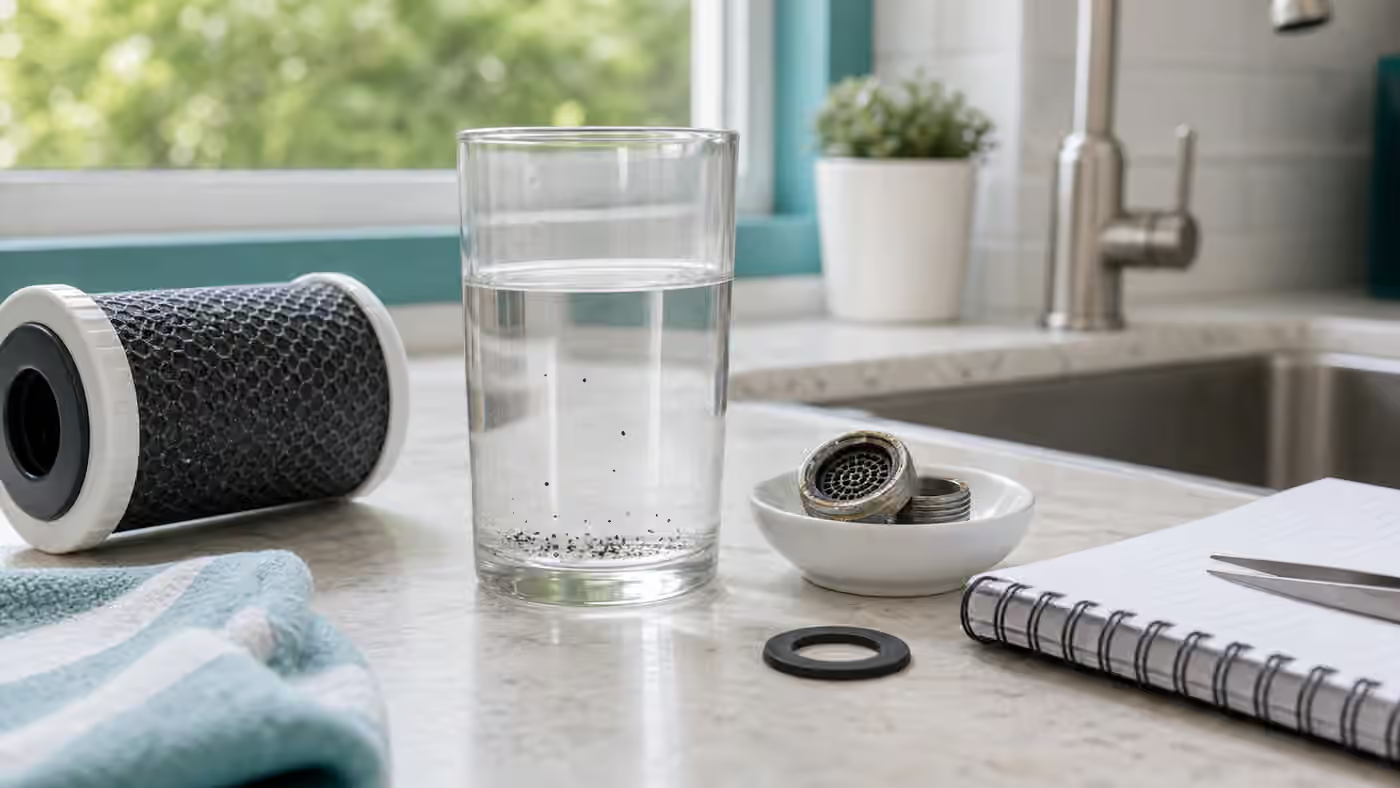
The household should know where the filtered paths are. A refrigerator dispenser may use a small cartridge that is easy to clog. An under-sink drinking faucet may have carbon or RO prefilters. A whole-home sediment cartridge may protect downstream fixtures but may need inspection after a dirty-water event. Filter Replacement Schedules explains why an overloaded cartridge should not be treated as if it still has its normal life.
If the home has a whole-home filter, softener, UV unit, or other treatment equipment, the response may be more specific. Some equipment should not be exposed to heavy sediment. Some may need bypassing, flushing, or service according to the installer or manufacturer. This is where Water Treatment Stage Order helps. The first stage affects everything downstream, and a disturbance can reveal whether the sequence is protected or fragile.
Aerators and fixtures often hold the evidence
After discolored water clears, a faucet may still spray oddly or release small particles because the aerator screen caught debris. Removing and rinsing an aerator can be a reasonable ordinary maintenance step when the household knows how to do it safely and the fixture instructions allow it. Faucet Aerators and Fixtures goes deeper on why that small screen can change the visible clue.
Do not jump immediately from a dirty aerator to a major treatment purchase. A single post-flushing debris event is different from chronic sediment. A temporary utility disturbance is different from recurring rust from building plumbing. A water heater issue is different from cold-water main sediment. The aerator can show that particles reached the fixture, but it does not by itself name the source.
Take a photo if the color is unusual or persistent. Write down the tap, time, whether hot or cold water was affected, whether neighbors saw the same thing, and any utility notice. Those details make a utility call more useful. They also prevent the memory problem where a one-day event becomes a vague household belief that the water is always bad.
Flushing should follow the event, not a rumor
Many utilities provide instructions for flushing after hydrant work, repairs, or restored pressure. The details can differ. They may suggest using a cold tap, avoiding hot water at first, removing aerators, running water until clear, or taking steps before using laundry or ice makers. The right instruction is local and event-specific. A generic online routine should not outrank the utility responsible for the system.
After Plumbing Work covers similar logic inside the home. Disturbance moves material. The response should keep location and timing straight. If the water changed after a plumber replaced a valve under your sink, the pattern is not the same as a neighborhood main repair. If the water changed after a hydrant on your block ran for an hour, the utility context matters more.
Laundry deserves a special pause. Discolored water can stain light fabrics. Ice makers and refrigerator dispensers can hold water from the event. Coffee makers, kettles, humidifiers, and other small appliances may preserve the taste or sediment of a bad timing choice. Once the utility says normal use can resume, check whether appliance flushing or fresh ice is part of the return.
When to escalate
Escalation is appropriate when official notices are active, discoloration persists beyond the utility’s expected window, pressure is low, water has a strong unusual odor, multiple neighbors report the same problem without a notice, vulnerable household members need specific guidance, or the home has treatment equipment that may have been loaded with sediment. Escalation can mean calling the utility, landlord, building manager, plumber, treatment professional, local health department, or certified lab depending on the pattern.
The calm habit is to separate an event from a chronic condition. Planned flushing may create temporary color and then resolve. Recurrent discoloration at one fixture may point to local plumbing. Hot-only discoloration may involve the water heater. First-draw color after stagnation may involve building pipes. A broad pressure-loss advisory belongs to official guidance. Each pattern has a different next step.
Municipal flushing is meant to maintain the system, but the maintenance can still make a glass look wrong for a while. Treat that glass as useful information. Read the notice, compare locations, avoid loading filters unnecessarily, clean fixture screens when appropriate, and keep a short record. The water may clear quickly, but the method you use to understand it should stay clear too.