Shared buildings add a second water system on top of the public one. The utility may deliver water that meets its system obligations at the service connection, but an apartment, condo, dormitory, or mixed-use building can still change the experience at a particular tap. Risers, branches, storage tanks, booster pumps, pressure zones, water heaters, old fixtures, maintenance work, and long periods of stagnation can all shape what a resident sees, smells, tastes, or measures. For background, see EPA — Home Drinking Water Testing .
Clear Water Lab helps with everyday water decisions, reports, testing, certification checks, and maintenance. It is not medical advice, legal advice, or a substitute for local boil-water notices, certified lab results, utility instructions, or health department guidance.
The utility report is the beginning, not the whole route
For public water customers, the annual water quality report is still the right first document. It can identify the water system, source water, disinfectant, detected regulated contaminants, and any reported violations or notices. How to Read Your Water Quality Report explains how to use that report as a map. In a shared building, the important habit is to add one more layer to the map: the building route from the service connection to your faucet.
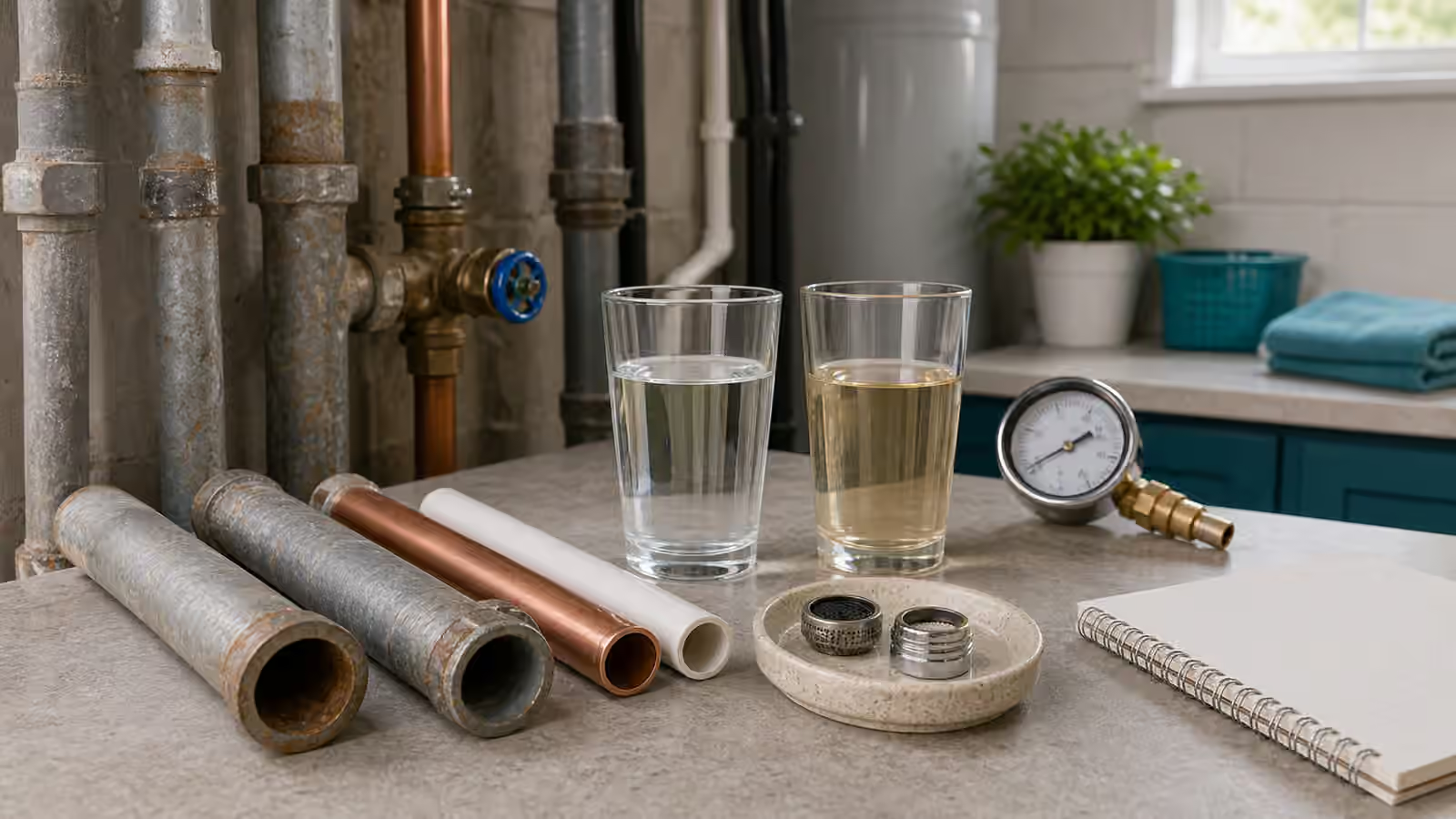
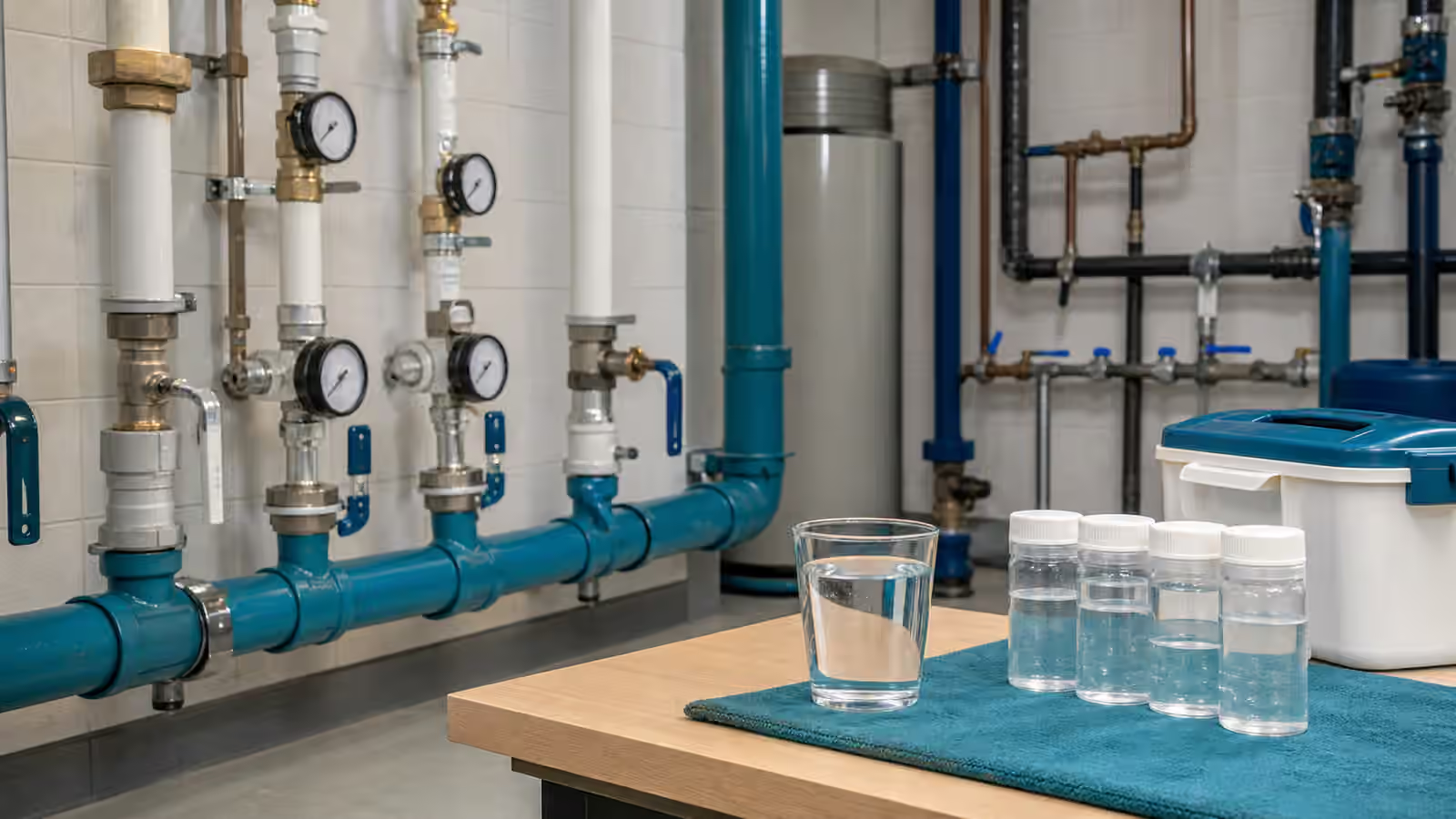
That route can be short and simple in a small building or surprisingly complex in a taller one. Water may travel through a main service line, backflow assembly, pressure reducing valve, storage tank, booster pump, riser, floor branch, unit shutoff, fixture supply line, aerator, refrigerator line, or point-of-use filter before it reaches a glass. Hot water has its own route through heaters, recirculation lines, mixing valves, and storage conditions. When a clue appears at one tap, the route matters as much as the water source.
This does not mean every apartment water complaint is a building-wide failure. It means the first observation should be local and calm. A metallic taste at one bathroom sink after a long weekend is a different clue from rusty water at every cold tap on several floors after plumbing work. A chlorine taste across the building may point back toward normal disinfectant conditions in public water, while black flecks from one fixture may involve a gasket, aerator, or local valve. The useful question is not “Is the water bad?” but “Where in the route does the clue appear?”
Compare taps before naming a cause
The fastest way to reduce guesswork is to compare nearby taps under similar conditions. Check the kitchen cold side, bathroom cold side, hot side, filtered faucet if present, and any refrigerator dispenser separately. Notice whether the clue appears immediately, after a few seconds, after hot water arrives, or only after the tap has sat unused. Do not taste water that looks, smells, or arrives under conditions that concern you; follow official guidance when a notice or acute concern exists. For ordinary troubleshooting, the pattern across taps is often more useful than one dramatic impression.
Cold water and hot water should be kept separate in your notes. Hot tap water has traveled through equipment and conditions that cold drinking water may not share. Hot Tap Water and Water Heaters explains why warm-side clues can involve the heater, anode behavior, sediment, recirculation, or temperature management rather than the public supply alone. If the smell or discoloration exists only on the hot side, the building route has already told you something.
Aerators deserve attention because they can collect debris from the building route. A small screen can hold rust flakes after pipe work, mineral particles from scale, tiny bits of gasket, or biofilm that changes what the first glass looks like. Faucet Aerators and Fixtures is useful for reading those clues without treating every speck as proof of a source-water contaminant. In a rental or condo setting, cleaning or removing parts may be limited by rules or maintenance responsibility, so the practical first step is often careful observation and documentation rather than taking hardware apart.
Stagnation is common in shared routes
Shared buildings can create pockets of low use. A vacant unit, guest bathroom, end-of-run branch, seasonal occupancy pattern, storage tank, or little-used fixture can leave water sitting longer than residents realize. Stagnation can change taste, odor, temperature, disinfectant residual, and metal pickup from plumbing materials. Stagnant Tap Water covers the household version, but shared buildings add more places where water can wait.
Pressure changes can add another clue. A booster pump cycling, a pressure zone transition, a valve repair, or a building shutoff can disturb settled material. Water may look cloudy from air after pressure work, rusty from disturbed iron sediment, or briefly different after a repair. A single short event does not prove the system is unsafe, but it does deserve context. If a building notice, utility notice, or local advisory is active, that official instruction outranks ordinary troubleshooting.
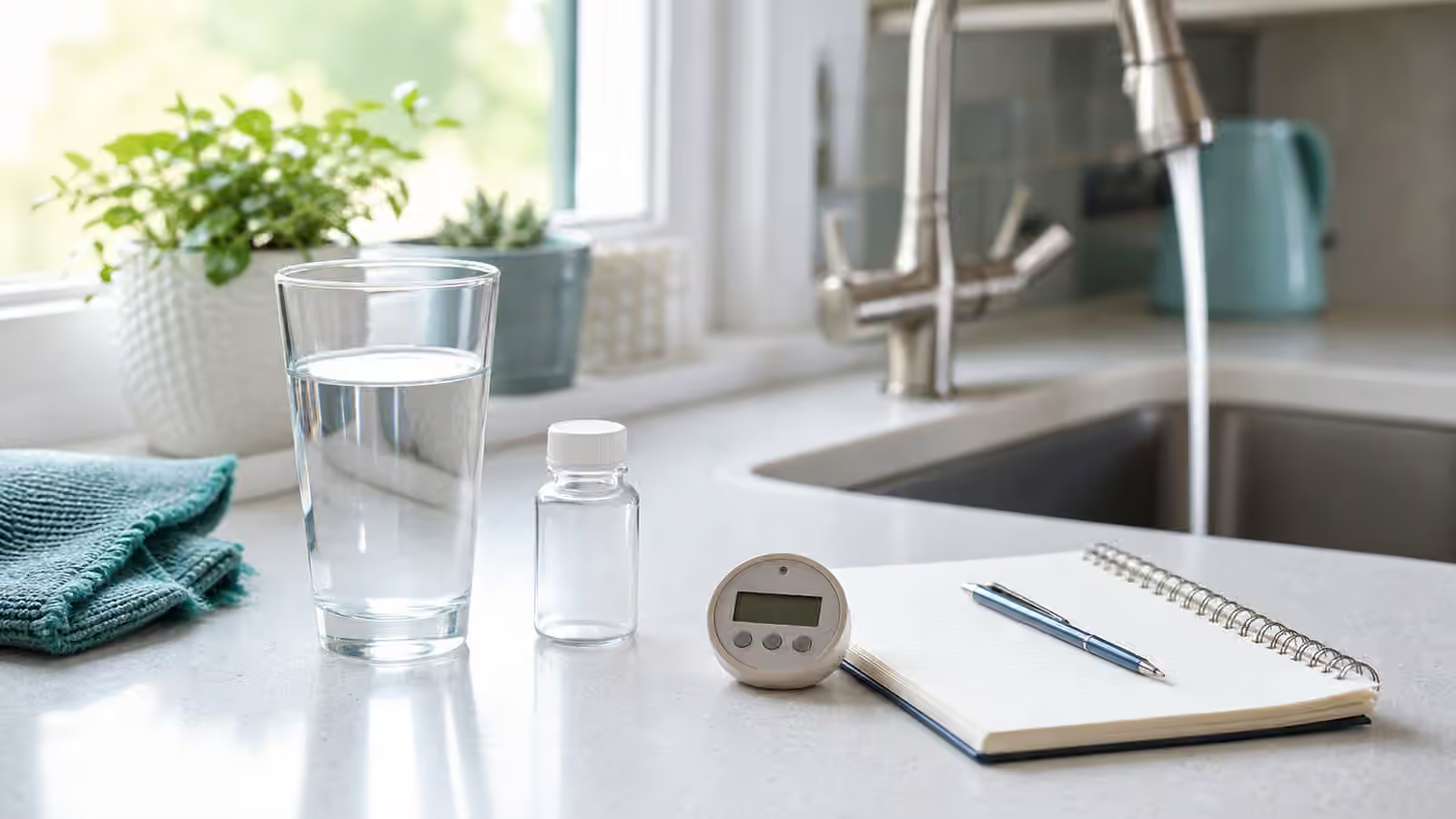
The timing of the first draw matters here. Water from a tap used every morning may behave differently from water from a spare bathroom after two weeks. If you are collecting information for a landlord, board, building engineer, utility, or lab, write down the time since last use as honestly as you can. A note that says “bathroom cold tap, first use after three days away, cleared after one minute” is much more useful than “water looked weird.”
Filters help only when they match the actual problem
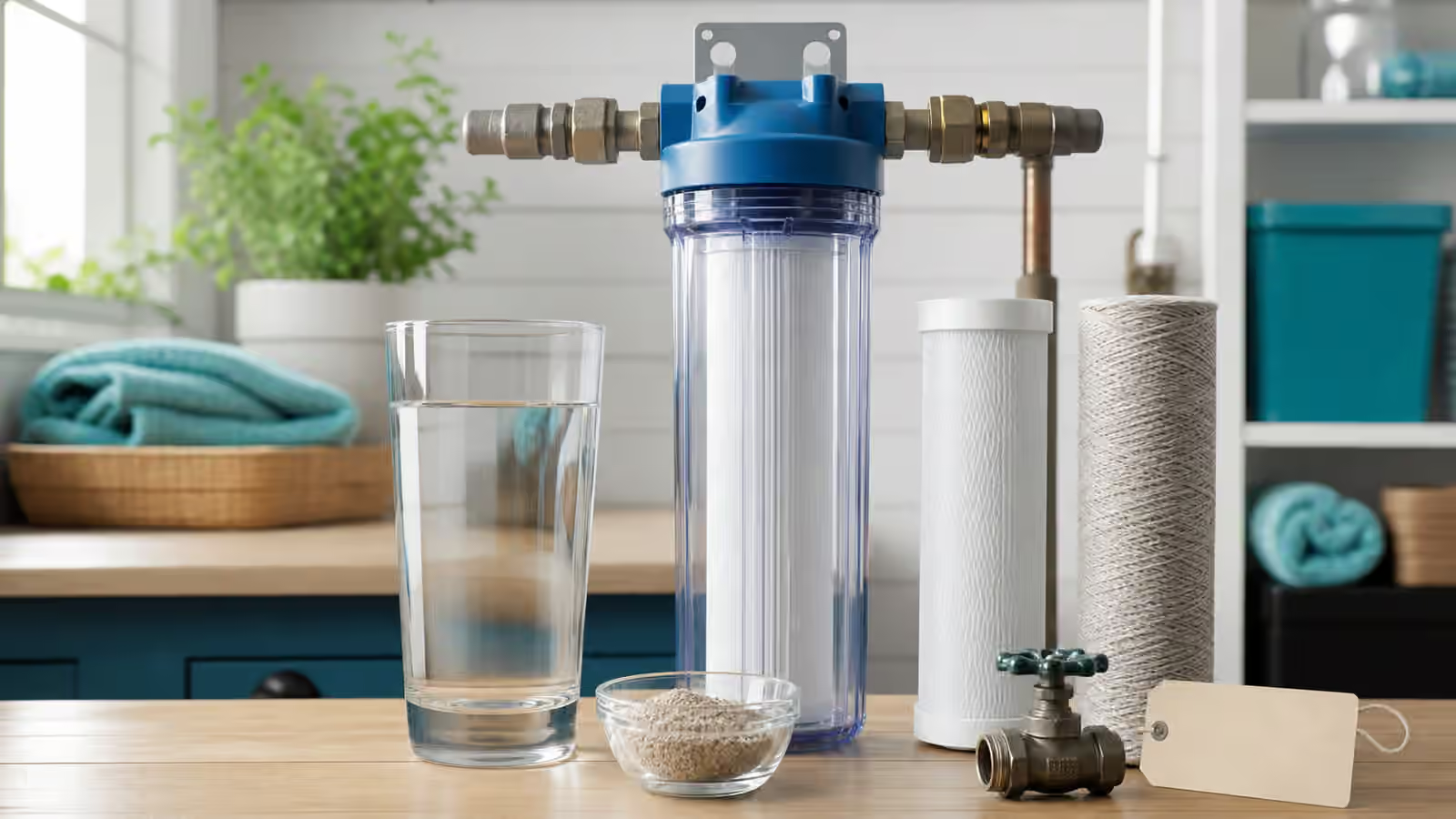
Many residents respond to uncertainty by buying a pitcher, faucet mount, countertop unit, refrigerator cartridge, or under-sink system. That may be reasonable for taste or for a named contaminant when the product has a verified claim, but a filter should not become a way to avoid understanding the route. If the issue is building-wide pressure disturbance, a neglected storage tank, hot-water odor, or repeated sediment after repairs, a point-of-use filter may improve one glass while leaving the building clue unresolved.
The guide to Rental Apartment Water Setup focuses on low-commitment options, and Pitcher, Faucet, Countertop, Under-Sink, RO, and Whole-Home Filters compares device types. In a shared building, the extra question is responsibility. A resident can often choose a drinking-water device for a tap, but the building route, shutoffs, risers, tanks, and heaters may belong to an owner, association, manager, or maintenance team. This guide cannot tell you what your lease or local rules require. It can help you keep the water evidence precise enough for the right conversation.
For health-effect contaminants, use named evidence. A carbon taste claim is not a lead claim. A refrigerator cartridge is not automatically a PFAS device. A sediment screen does not make a bacteria result. How to Verify a Water Filter Claim is the right next step when a product says it reduces a specific contaminant. Match the model, cartridge, certification, capacity, and replacement schedule before trusting the claim.
Make observations useful to someone else
Shared-building water questions often pass through several people before they reach the person who can inspect a valve, read a report, or schedule a test. Good notes keep the issue from becoming a vague complaint. Write the unit, tap, hot or cold side, date, time, whether the water had been sitting, what changed after flushing, whether neighbors see the same clue, whether recent work occurred, and whether any official notice exists. Photographs can help when they show color, sediment, or affected fixtures without exaggeration.
Testing should follow the same route discipline. A sample from a filtered refrigerator dispenser cannot answer the same question as a first-draw bathroom tap. A flushed kitchen sample cannot answer a stagnation question. How to Collect a Water Sample at Home Without Spoiling the Result is the companion guide for turning a building clue into a better sample plan. When the question is serious, the method should come from a certified lab, utility, health department, or other official source rather than from improvisation.
The calm approach is to separate layers. Use the utility report for the public system. Use tap comparisons for the unit. Use neighbor patterns for the building route. Use official notices when conditions change. Use certified lab methods when a result needs authority. Shared plumbing can make water clues feel confusing, but it also gives you more places to look before buying the wrong fix.