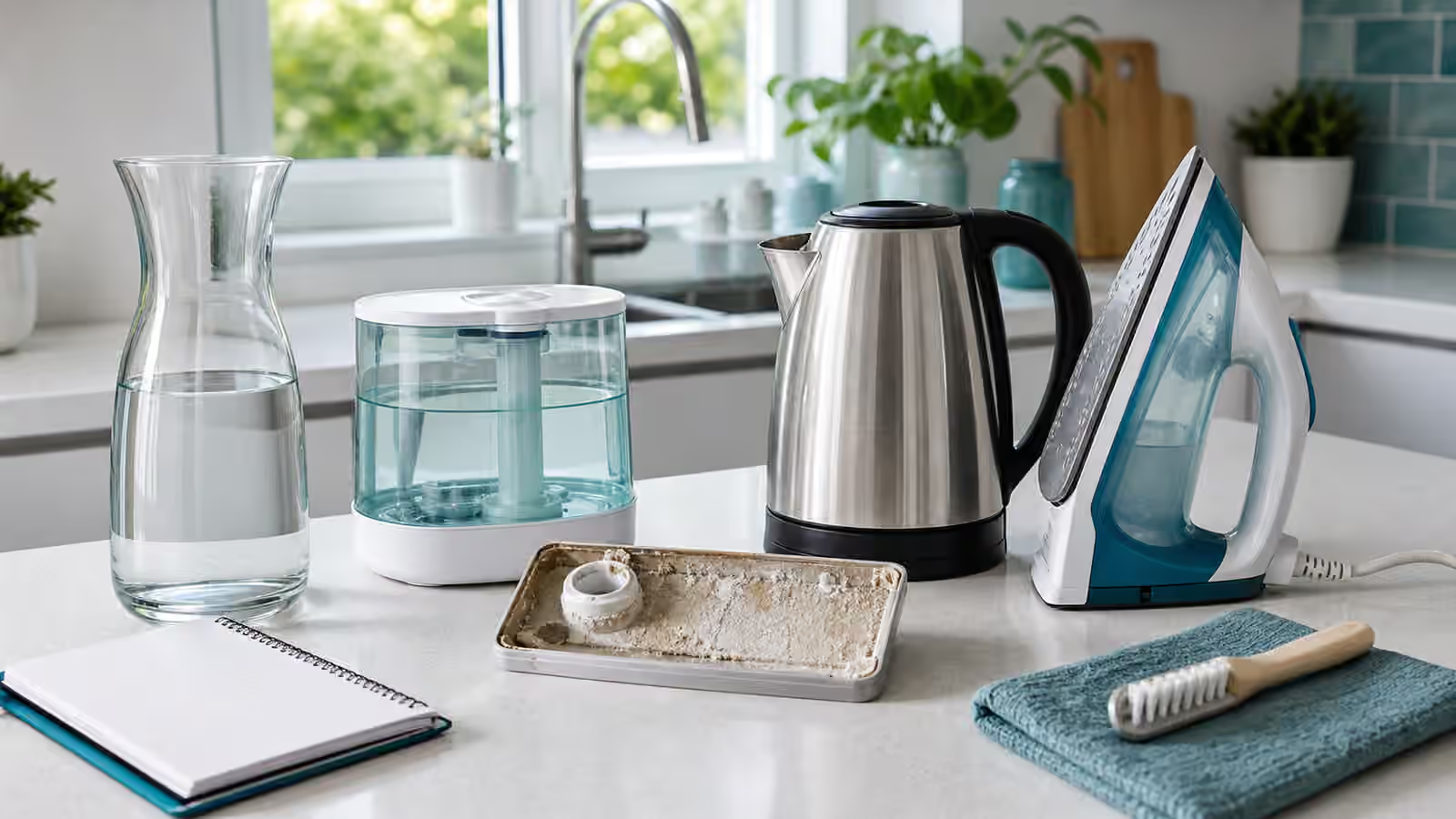
Household appliances make water questions practical very quickly. A kettle grows scale, a humidifier leaves white dust, a steam iron spits minerals, a coffee setup tastes flat after over-filtering, and a refrigerator dispenser slows when a cartridge is forgotten. These are water-quality clues, but they are not all drinking-water safety questions. Appliance water is mostly about minerals, maintenance, materials, and following the device instructions. For background, see EPA — Use and Care of Home Humidifiers .
Clear Water Lab helps with everyday water decisions, reports, testing, certification checks, and maintenance. It is not medical advice, legal advice, or a substitute for local boil-water notices, certified lab results, utility instructions, or health department guidance.
Appliance water is not one category
The water that makes sense for a kettle may not be the water a humidifier manufacturer recommends. The water that tastes good in tea may not be ideal for a steam iron reservoir. The water that protects an appliance from scale is not automatically better drinking water. Separating the purpose keeps the decision calm.
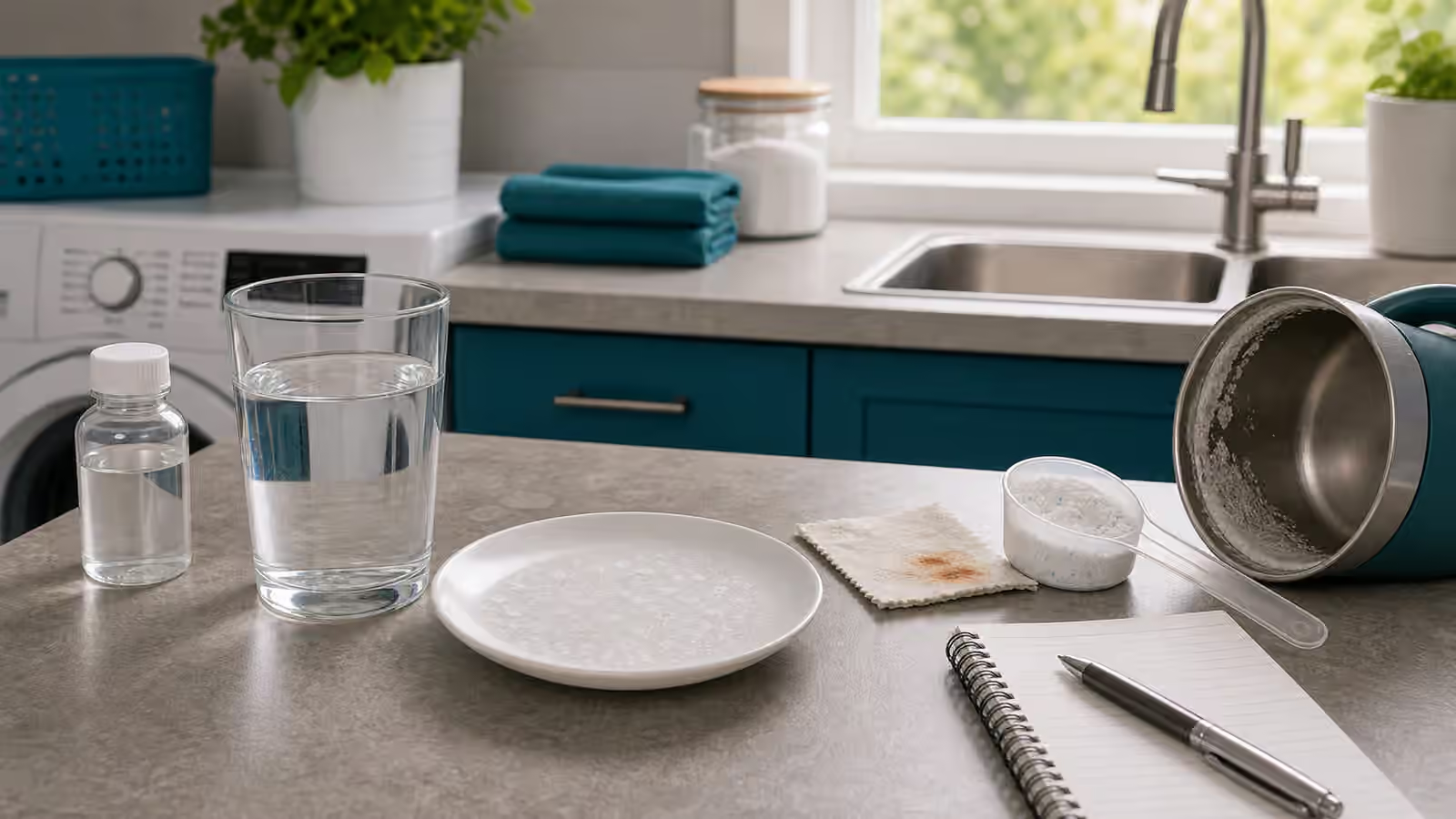
Minerals are the most common appliance issue. Hard water leaves scale in kettles, coffee equipment, steamers, humidifiers, and irons because heating or evaporation leaves dissolved minerals behind. The scale can look like white flakes, crust, chalky film, or cloudy residue. It can slow heating, clog small passages, change taste, and create more cleaning work. That is different from saying the water is unsafe. Hard Water vs Bad Water explains why scale is a maintenance and comfort clue, not a universal contamination verdict.
Manufacturers often give the most useful appliance-specific rule. Some humidifiers recommend distilled or demineralized water to reduce mineral dust. Some steam irons warn against fully demineralized water or certain additives because the appliance is designed around a particular reservoir and heating system. Some coffee equipment performs best with water that has enough mineral content for taste and extraction but not so much hardness that scale becomes constant. The manual may be boring, but it is usually more relevant than a generic water opinion.
Humidifiers concentrate the mineral question
Humidifiers turn water into room moisture, so dissolved minerals can become visible in ways that a drinking glass does not show. In some ultrasonic units, minerals may appear as white dust on nearby surfaces. In evaporative units, minerals can collect in wicks, tanks, and trays. That dust or buildup is often a maintenance and mineral issue, and reducing it usually starts with the water choice and cleaning routine recommended by the manufacturer.
Distilled or demineralized water is often used for humidifiers because it contains fewer minerals to leave behind. That does not mean it is the right drinking-water upgrade for the whole home, and it does not remove the need to clean the tank. A clean-looking tank can still develop residue or growth if water sits and the device is neglected. Follow the device instructions for emptying, drying, cleaning, and replacing wicks or cartridges. Do not add fragrances, disinfectants, or improvised treatments unless the manufacturer explicitly supports them.
Health claims around humidifiers can get sloppy, so keep the boundary clear. Humidity comfort, dust control, and appliance cleanliness are not medical advice. If a household has respiratory concerns, infants, pregnancy, immune vulnerability, or clinician instructions, follow qualified guidance rather than internet routines. Clear Water Lab can help distinguish mineral residue, maintenance, and water choice. It cannot turn a home appliance into a medical device.
Kettles and brewers care about taste and scale
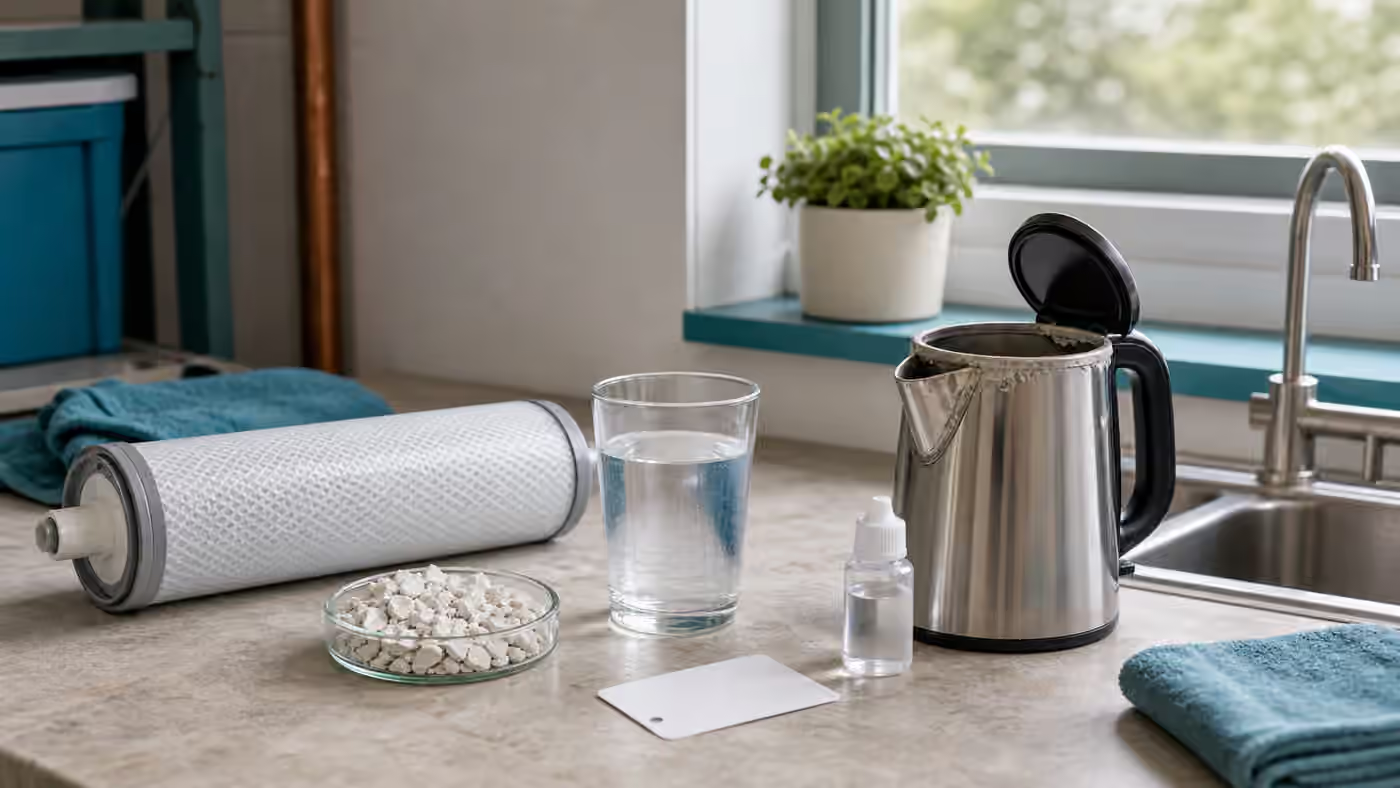
Kettles are honest witnesses because they show minerals quickly. White scale inside a kettle does not prove a harmful contaminant. It usually tells you that dissolved minerals are concentrating as water is heated and evaporated. Vinegar or manufacturer-approved descaling can remove much of the buildup, while softer or lower-mineral water may slow the return. The tradeoff is taste. Very low-mineral water can make tea and coffee taste thin, while hard water can mute flavors or add chalky notes.
The guide to Coffee and Tea Water goes deeper on brewing, but the appliance lesson is practical. If the goal is taste, think about mineral balance. If the goal is appliance life, think about scale control. If the goal is a specific contaminant reduction, think about certified filter claims. One water choice may not optimize all three goals.
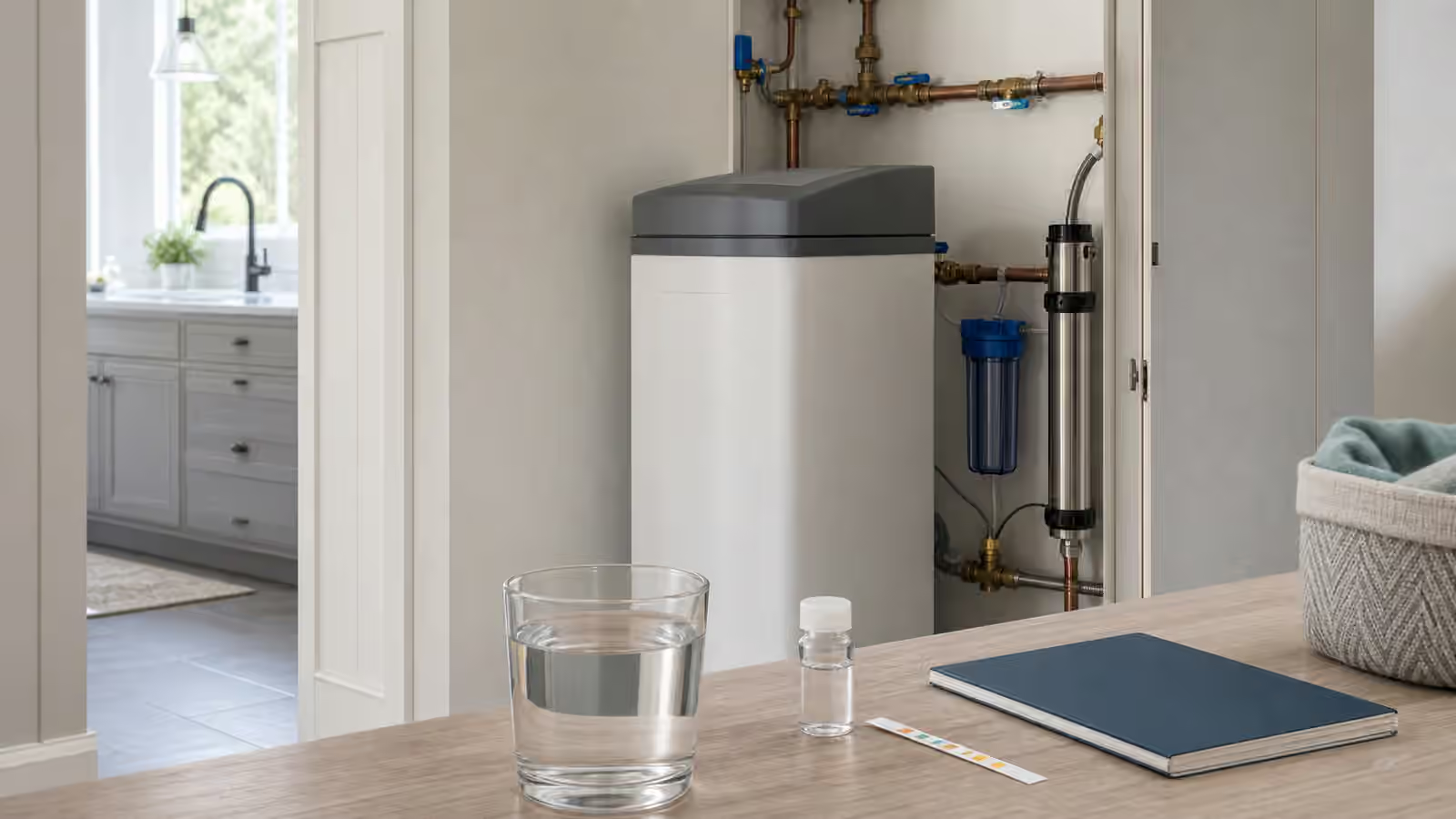
Pitcher filters, refrigerator filters, under-sink carbon filters, reverse osmosis systems, and softeners all change water in different ways. A carbon filter may improve chlorine taste without removing hardness. A softener may reduce scale behavior for some uses while adding sodium or potassium ions depending on setup, and softened water may not be what every appliance or plant wants. Reverse osmosis can lower dissolved minerals substantially, which may reduce scale but affect taste and require maintenance. Pitcher, Faucet, Countertop, Under-Sink, RO, and Whole-Home Filters is useful because location and treatment type matter.
Steam irons and small reservoirs need boring discipline
Small reservoirs are easy to neglect. A steam iron, garment steamer, countertop steam cleaner, or espresso steam system may sit with water inside, heat repeatedly, and run through narrow passages. Minerals can build up, and stale water can leave odors. The fix is rarely dramatic. Use the water type the manual recommends, empty the reservoir when instructed, avoid additives, descale with approved methods, and do not treat a clogged appliance as proof that the whole water supply is dangerous.
Appliance instructions can differ because materials differ. Some devices tolerate distilled water well. Some recommend tap water, filtered water, or a blend. Some warn that additives can damage seals or leave residues. Following the manual is not timid. It is the only guidance written for the device in front of you.
When an appliance has a replaceable cartridge, date it. A small anti-scale cartridge, refrigerator filter, humidifier wick, or coffee-machine filter can become invisible after the first week. Filter Replacement Schedules applies beyond drinking-water filters because capacity and calendar time still matter. If the cartridge is overdue, unknown, slimy, clogged, or no longer doing its job, testing the water is not the first repair. Maintenance is.
Do not turn appliance water into drinking-water proof
Appliance residue can point toward hardness, minerals, stale tanks, bad maintenance, or a treatment mismatch. It should not be used as proof that water is safe or unsafe to drink. A kettle can show scale even when the water meets drinking-water standards. A humidifier can leave white dust even when the main issue is minerals. A refrigerator dispenser can taste stale because the cartridge is old or the line sat unused. If the concern is lead, PFAS, nitrates, arsenic, bacteria, or another named contaminant, choose evidence that fits that concern.
That means reports, lab tests, and verified filter claims. Home Water Testing explains when a strip, meter, report, or certified lab belongs in the decision. How to Verify a Water Filter Claim explains why a product model needs an exact certified claim before it should be trusted for a contaminant. Appliance performance is a clue about use and maintenance. It is not a substitute for those steps.
The simplest household routine is to split the shelf mentally. Drinking water decisions start with source, reports, testing, and certified claims. Appliance water decisions start with the manual, mineral behavior, cleaning schedule, and replacement parts. Sometimes those paths overlap, especially around taste and scale. They still deserve separate reasoning. A well-maintained appliance should make daily life easier, not turn every bit of mineral residue into a water panic.