Hot tap water feels like the same water with a temperature change, but the warm side of the plumbing has its own route. It sits in a water heater, moves through different pipes, contacts different materials, and can collect clues that are not present at the cold tap. When taste, odor, color, or sediment appears only on the hot side, the water heater belongs in the investigation before a drinking-water filter does. For background, see EPA — Home Drinking Water Testing .
Clear Water Lab helps with everyday water decisions, reports, testing, certification checks, and maintenance. It is not medical advice, legal advice, or a substitute for local boil-water notices, certified lab results, utility instructions, or health department guidance.
The hot side is a different route
A useful first distinction is cold-only, hot-only, or both. If cold water at the kitchen sink looks and tastes normal while hot water smells odd or shows particles, the source may not be the main story. The water heater, hot-water lines, mixing valve, fixture cartridge, or tankless unit may be shaping the clue. If both hot and cold taps changed at the same time throughout the home, the question moves back toward source water, building plumbing, recent utility work, well behavior, or a shared treatment device.
This distinction matters because many drinking-water decisions should start from the cold tap. Cold water is generally the better route for drinking, cooking, and ordinary water-quality sampling unless official instructions say otherwise. Hot water has been heated and stored or passed through heating equipment, which can change chemistry, loosen scale, concentrate some clues, and interact with plumbing materials. That does not mean every hot-water clue is dangerous. It means hot water should not be treated as a clean substitute for cold-water evidence.
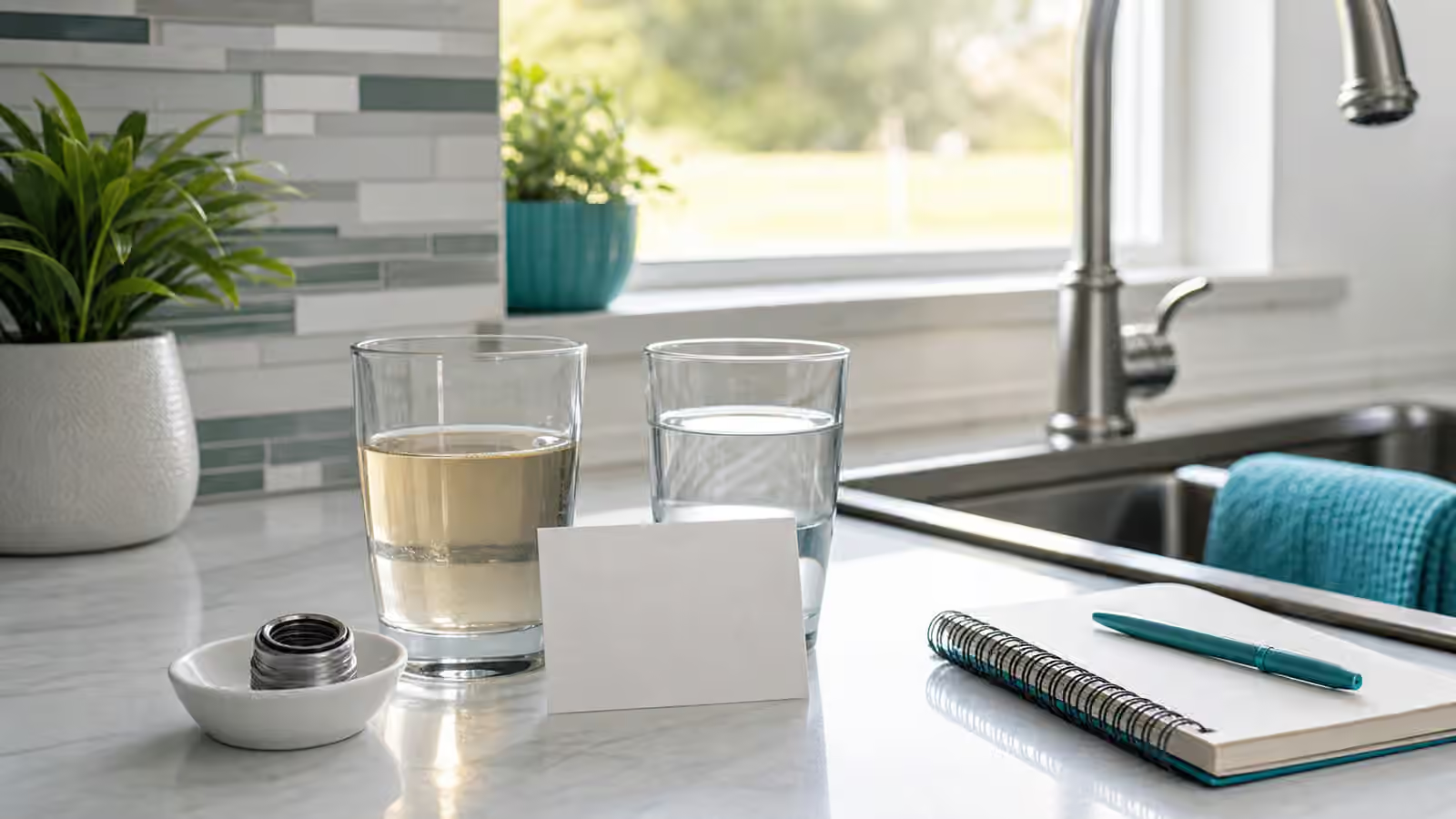
The habit is practical. If a glass from the cold tap is clear but the hot tap releases tan particles, white chips, or cloudy bursts, do not jump straight to a countertop filter. Compare taps, note the temperature, and look at the water heater route. Sediment, Rust, and Cloudy Water gives the broader clue language, but the hot-cold split often tells you where to start.
Water heaters collect history
A tank water heater is a storage vessel. Minerals can precipitate, sediment can settle, anode rods can age, heat can change how scale forms, and long periods of low use can affect odor. The tank is not just a pass-through pipe. It is a small environment with temperature, surfaces, time, and maintenance history. That is why a hot-water complaint can appear even when the cold-water source is steady.
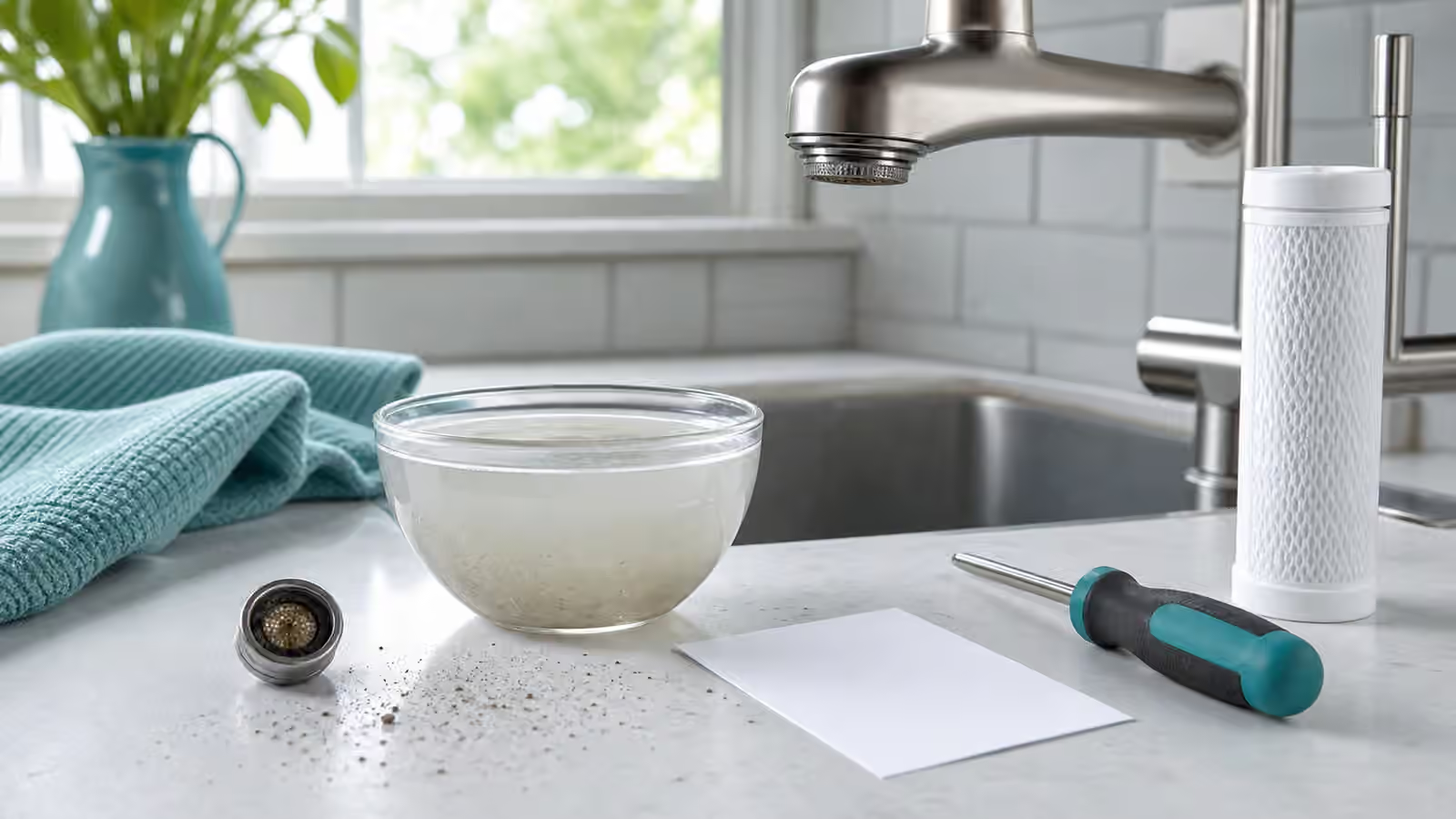
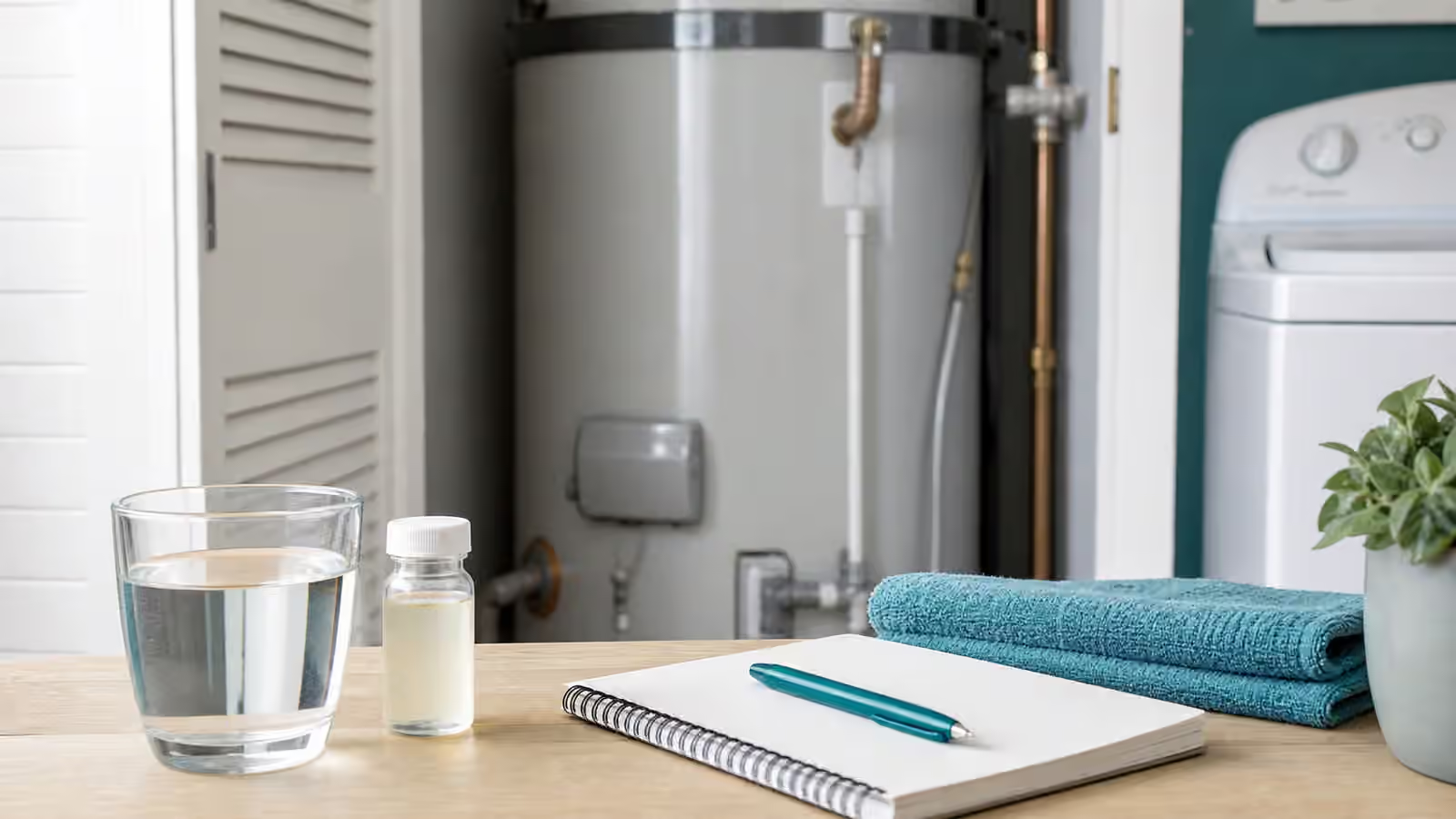
Sediment from a water heater often shows up as small gritty particles, white mineral chips, tan flakes, or cloudy bursts that clear after a short run. The exact material cannot be identified by appearance alone, but the pattern is useful. Hot-only particles point toward the heater and hot plumbing. Particles at every tap, including cold taps, point more broadly. Particles after water-main work or well disturbance may have a different explanation again. A notebook entry with tap, temperature, color, timing, and recent maintenance can prevent an expensive guess.
Odor can also be hot-side specific. Some households notice sulfur-like smells mainly from hot water. Others notice stale or metallic notes after the heater has sat unused. Those clues may involve heater temperature, anode rods, bacteria in plumbing, source water chemistry, or other factors that deserve qualified service or testing depending on the situation. The taste and odor guide, Why Your Water Tastes Like Chlorine, Metal, Dirt, Eggs, or Plastic , is useful because odor words overlap. What one person calls eggs another calls sulfur, sewer, stale, or metallic.
Filters do not fix heater maintenance
A drinking-water filter can be useful at a cold tap, but it should not be used to hide a water heater problem. If the heater is shedding sediment, producing odor, leaking, overheating, or behaving differently after service, the equipment needs attention on its own terms. A filter downstream may reduce some particles at one faucet, but it will not clean the tank, inspect the anode, confirm temperature settings, or solve a plumbing fault.
This is where maintenance discipline from Filter Replacement Schedules applies in a wider way. Water equipment has calendars, access needs, and service clues. A heater that has not been inspected in years may become mysterious because nobody knows its age, settings, drain history, or recent behavior. The same household that writes filter dates on cartridges should also keep basic notes for water equipment. The note does not need to be elaborate. Installation date, service date, observed odor, unusual sediment, and professional recommendations are enough to make the next conversation clearer.
Tankless heaters have their own maintenance route. Scale, flushing needs, temperature settings, flow sensors, and error conditions can affect performance. They do not store water like a tank, but they still put water through heated equipment that can change the clue pattern. If the complaint appears only when hot water runs through that device, the filter aisle is still not the first stop.
Lead and metals need careful sampling, not guesses
Hot water can interact differently with plumbing materials than cold water. For that reason, lead and metals concerns should not be evaluated casually from a hot tap glass. Follow official sampling instructions, utility guidance, or certified lab directions. Lead in Drinking Water: Pipes, Fixtures, Testing, and Filters explains why stagnation time, tap choice, fixture parts, service lines, and certified claims all matter. A hot-water observation may be useful as a clue, but it is not a proper testing plan.
The same caution applies to treatment claims. A filter certified for a cold-water drinking tap may not be intended for hot water. Many household filters are designed for cold water only. Running hot water through a device that is not built for it can damage media, shorten life, affect materials, or violate the conditions behind the claim. If a product manual says cold water only, the household should not reinterpret that because the hot tap is the one that tastes worse.
Refrigerator filters and ice makers add another twist. They usually sit on the cold-water side, but people often compare ice taste with hot drinks, sink water, and filtered dispensers. If tea tastes flat, ice smells stale, and hot water has sediment, these may be different problems. Refrigerator Water Filters and Ice Makers is the better guide for appliance taste, while the water heater should stay in the hot-water lane.
A calm hot-water check
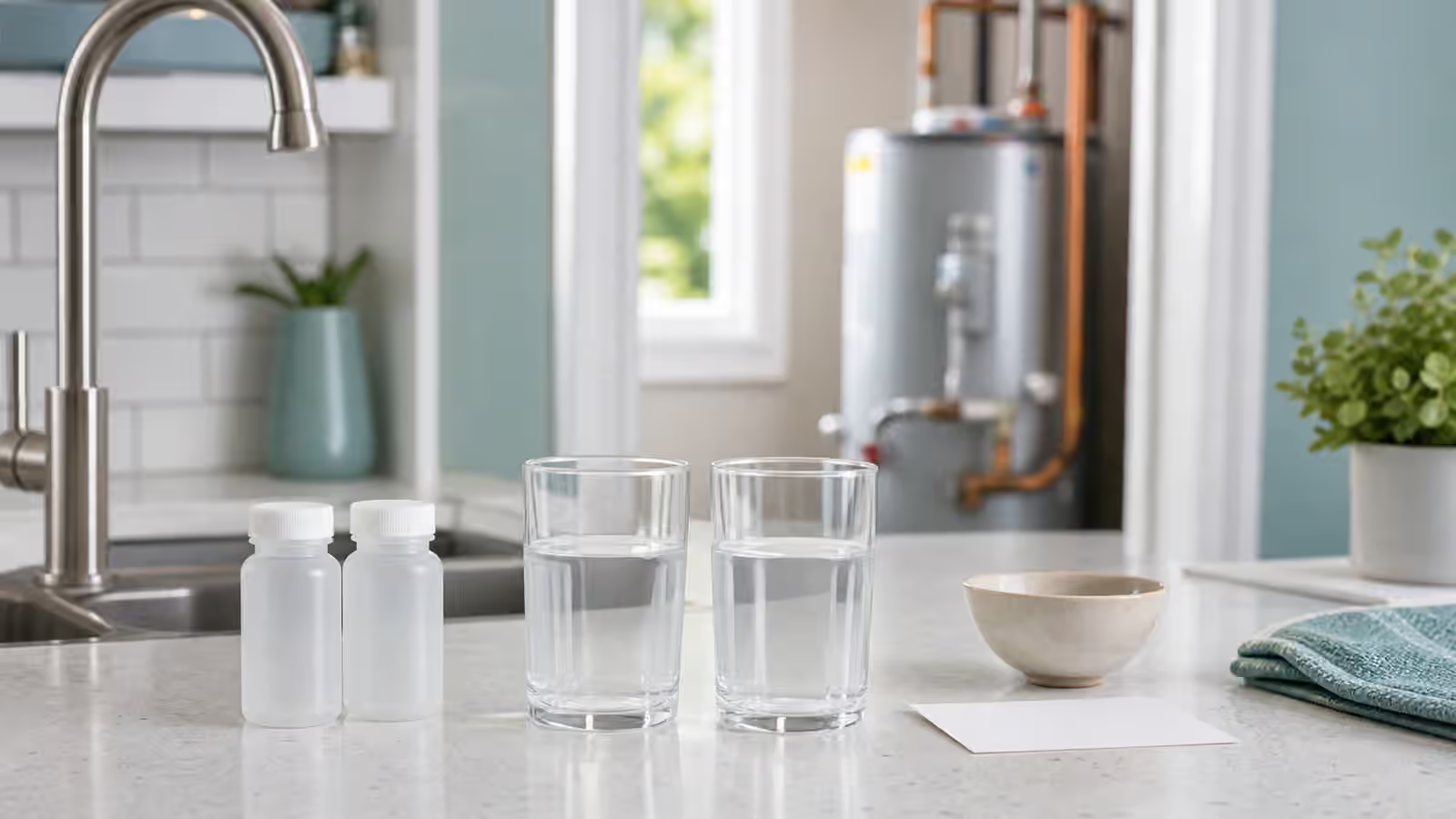
A good hot-water check begins with comparison. Fill a cold glass and a hot glass from the same faucet, then compare only what is reasonable to observe: color, particles, odor after cooling slightly, and whether the issue appears at other taps. Do not taste water that has an unusual odor, color, official warning, or unknown contamination concern. The goal is not to perform a lab test at the counter. The goal is to decide which route deserves attention.
If the issue is hot-only, look at the heater route. Note the heater type, age if known, recent service, temperature changes, long vacancy, new plumbing, or unusual sounds. If the issue appears throughout the home on cold and hot taps, move back to source, report, well, or treatment questions. If the issue is one fixture only, check the aerator and fixture before naming the whole system. The fixture guide and sediment guide can keep those branches separate.
Hot tap water is useful because it can reveal equipment conditions that cold water hides. It is risky only when it is treated as the same evidence as cold drinking water. Keep the routes separate, follow sampling instructions, and let heater clues point to heater decisions. A good drinking-water plan starts with the cold tap and the source. A good hot-water plan respects the equipment that warmed it.