Hard water is not the same as bad water. Hardness usually refers to calcium and magnesium minerals that can leave scale, affect soap, and change appliance maintenance. That is a different problem from lead, nitrates, arsenic, PFAS, bacteria, or a boil-water advisory. For background, see EPA — Home Drinking Water Testing .
Clear Water Lab helps with everyday water decisions, reports, testing, certification checks, and maintenance. It is not medical advice, legal advice, or a substitute for local boil-water notices, certified lab results, utility instructions, or health department guidance.
Scale is a maintenance clue, not a verdict
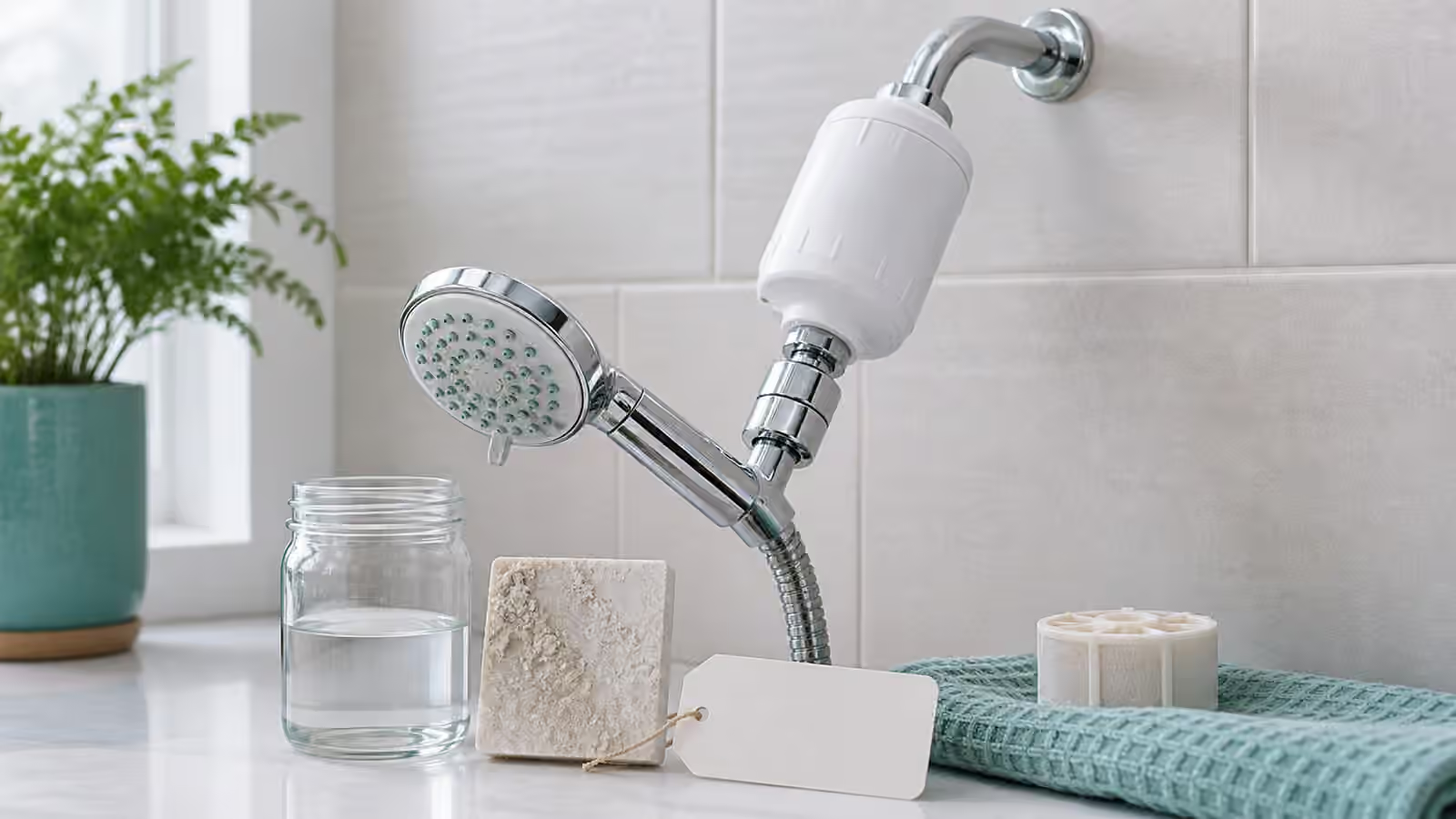
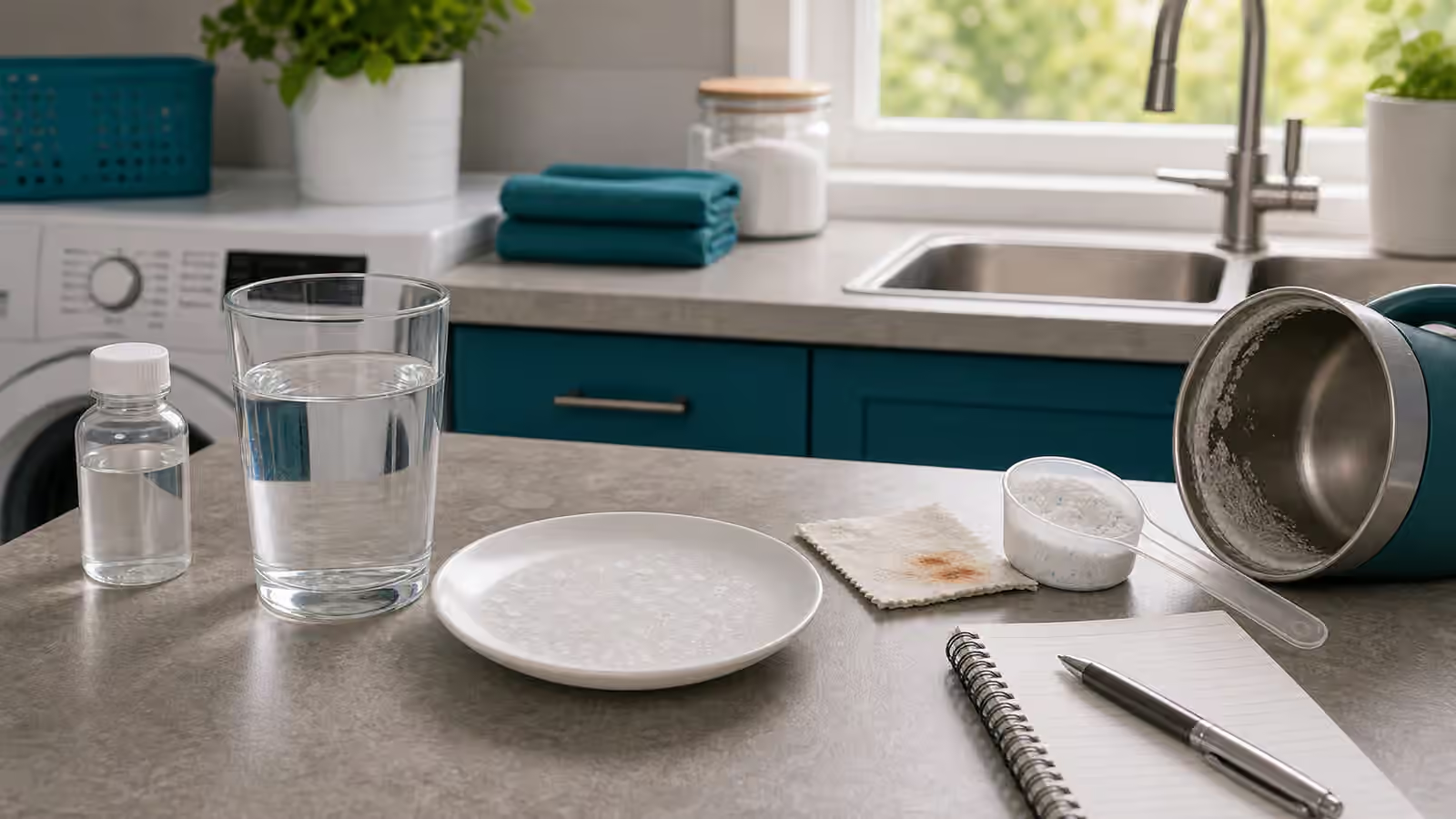
Hard water announces itself in ordinary places: a cloudy kettle, crust around a faucet, soap that feels reluctant, spots on glassware, a water heater that needs more attention, or coffee that tastes chalky and muted. Those signs can be frustrating, but they do not automatically mean the water is a health threat. Hardness is usually about minerals, comfort, appliances, and taste. That is a different conversation from lead, PFAS, bacteria, nitrates, arsenic, or a public advisory.
Separating those categories makes the decision kinder and cheaper. If the issue is scale, test hardness or read local hardness information before buying treatment. If the issue is taste, compare filtered and unfiltered water while keeping everything else constant. If the issue is appliance life, read the manual and maintenance recommendations. If the issue is a named contaminant, do not let a softener become a substitute for a certified reduction claim.
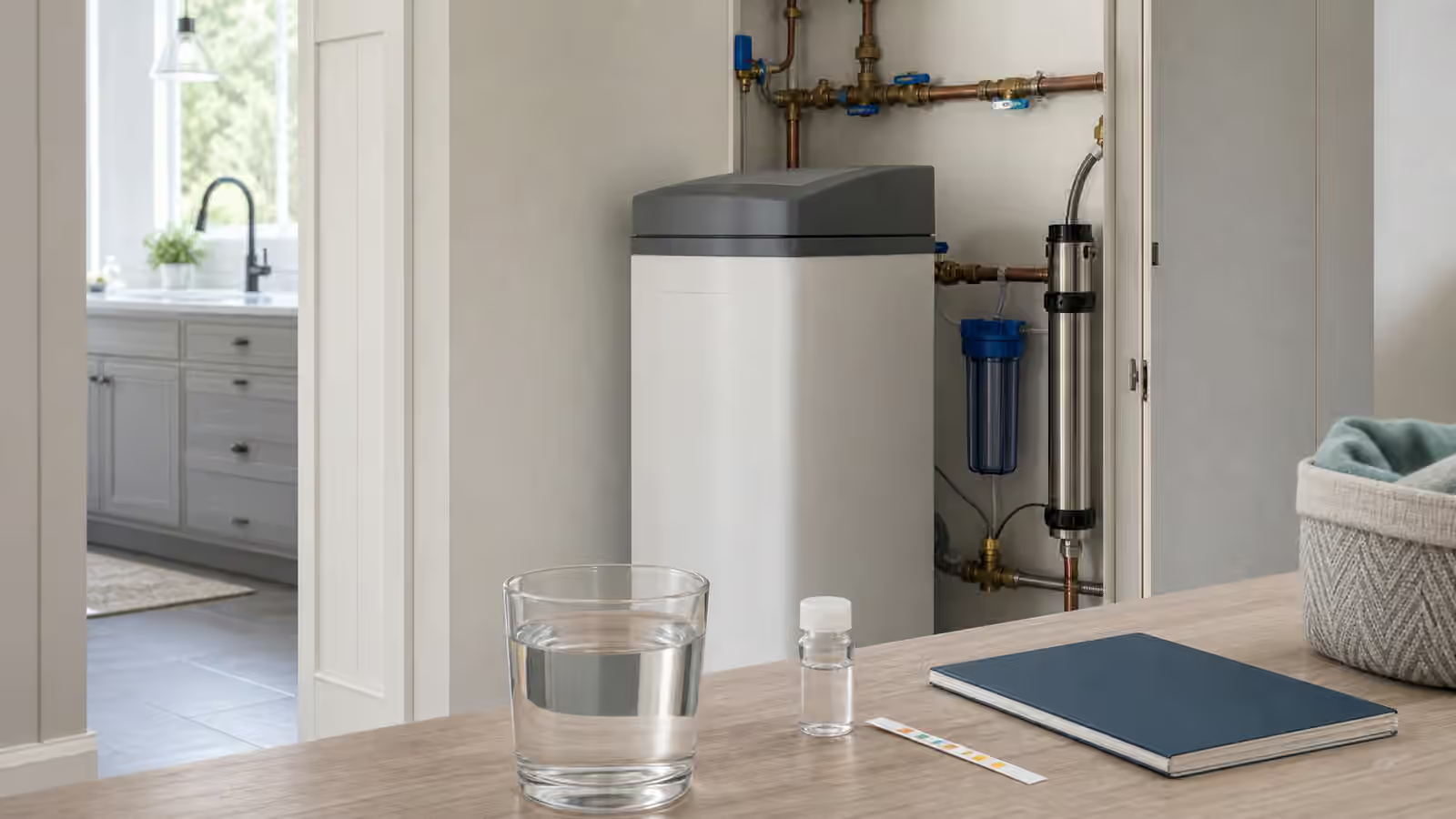
Softening can be useful, but it changes the water rather than proving it is better for every use. Traditional ion-exchange softeners replace hardness minerals with sodium or potassium. That may help fixtures, laundry, and scale, but it may affect taste, sodium considerations, plants, aquariums, brewing, or plumbing choices. Some households keep a separate unsoftened tap for drinking or outdoor use. The right arrangement depends on the home.
What this helps you decide
This helps you decide whether the problem is scale control, taste improvement, appliance care, or a contaminant-specific treatment question.
Plain definitions
| Term | Plain meaning |
|---|---|
| Hardness | Mostly calcium and magnesium mineral content that can form scale. |
| Softener | A device that exchanges hardness minerals for sodium or potassium ions. |
| Scale | Mineral buildup on fixtures, kettles, heaters, and appliances. |
Decision criteria
| Question | Useful next move |
|---|---|
| White crust on fixtures | Likely a hardness or mineral issue. Test hardness before buying treatment. |
| Soap feels ineffective | Hardness can reduce lather and leave residue. |
| Coffee or tea tastes flat or chalky | Minerals may matter for flavor, but this is separate from safety. |
| Health-effect contaminant concern | Use a contaminant-specific test and certified reduction claim. |
Common mistakes
- Calling hard water unsafe without evidence.
- Using a softener as a lead, PFAS, nitrate, arsenic, or bacteria treatment plan.
- Forgetting that softened water may taste different and may not be ideal for every use.
- Ignoring appliance manuals and warranty requirements.
Try this next
- Test hardness or read utility hardness information if available.
- Decide whether the goal is fixtures, laundry, appliance life, taste, or a specific contaminant.
- Consider point-of-use drinking water separately from whole-home hardness treatment.
- Use Coffee and Tea Water for coffee and tea taste decisions.
Safety and source check
Hardness treatment changes minerals. If anyone in the home has sodium-restricted medical guidance or a treatment system interacts with plumbing, ask a qualified professional.
Related Fondsites path
- Coffee and Tea Water
- Pitcher, Faucet, Countertop, Under-Sink, RO, and Whole-Home Filters
- Home Energy heat pump water heater planning
Choose the smallest honest fix
A hard-water plan can start with very simple evidence. Look at where scale appears, how fast it returns, whether hot water is worse than cold, and whether neighbors or the utility report similar hardness. Test strips or a basic hardness test can give useful orientation, but interpret them as maintenance clues, not a full contaminant screen. The goal is to know whether the problem is whole-home scale, drinking-water taste, appliance care, or something else.
For a kettle and coffee routine, descaling and a maintained point-of-use filter may be enough. For a water heater or whole-home scale problem, a softener or other treatment may be worth professional discussion. For a drinking-water taste issue after softening, a separate tap or remineralization strategy may be more pleasant. For a health-effect contaminant, return to reports, lab results, and certified claims. The smallest honest fix is the one that matches the category.
Hard water is also a good reminder that water quality is not one axis from good to bad. Minerals can be annoying in a shower and useful in a cup. Low-mineral water can reduce scale and taste flat. Softened water can protect appliances and raise other preferences. A mature water setup allows those tradeoffs to exist without turning every choice into a crisis.
When the language stays precise, the home gets easier to manage. “Hard” tells you to think about minerals and scale. “Contaminant” tells you to think about testing and certified claims. “Advisory” tells you to follow local instructions. Those words are tools. Using the right one keeps the next purchase from carrying the weight of every possible concern.
If you live with hard water, build maintenance into the objects that suffer first. Descale the kettle before flavor turns dull, check showerheads before spray patterns clog, and follow appliance manuals before efficiency drops. Those small routines often deliver more comfort than a rushed treatment purchase, and they buy time to choose whole-home equipment carefully.