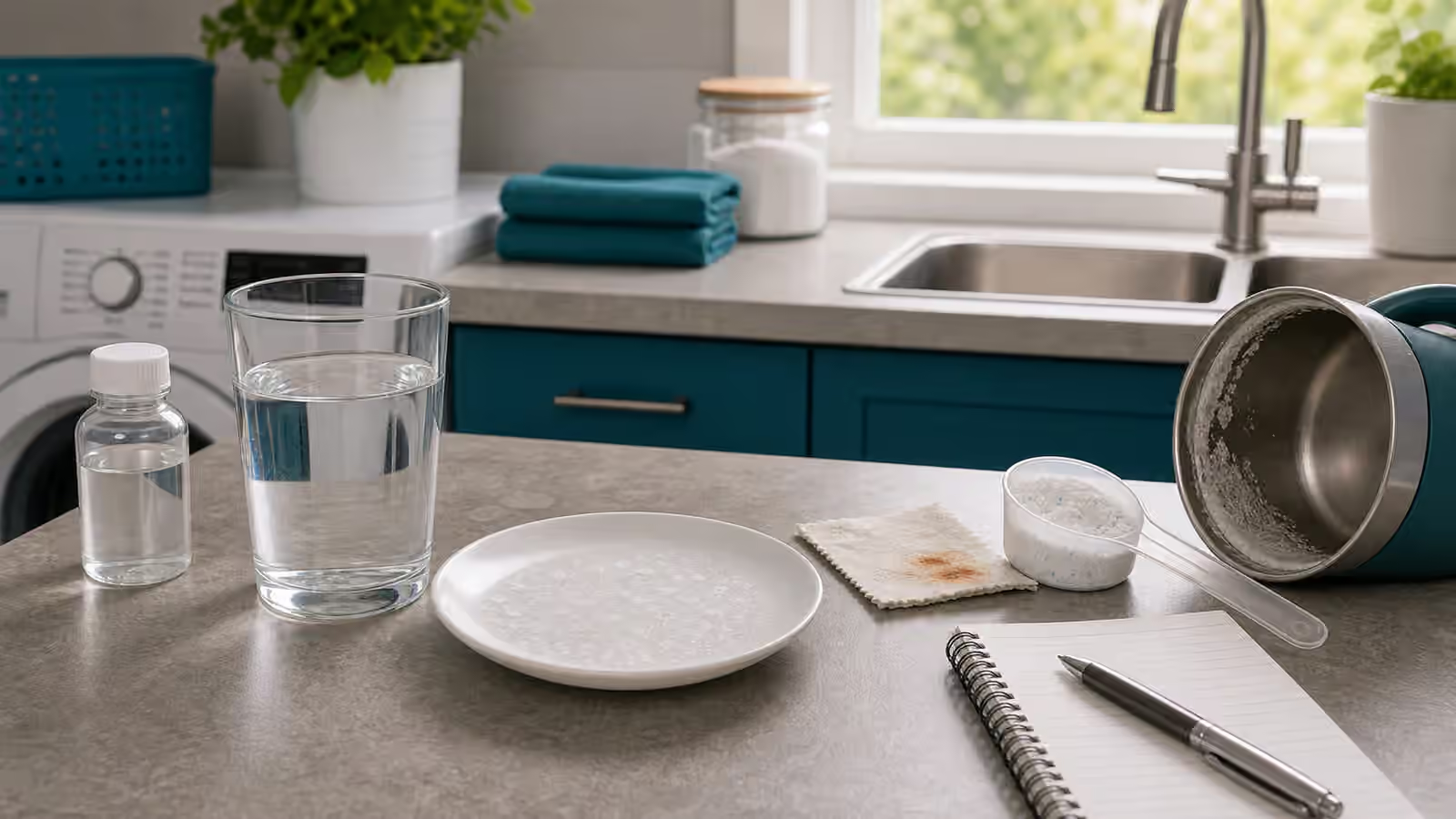
Fixture stains are visible, annoying, and easy to misread. Pink film, black smudges, orange streaks, white crust, and cloudy spots can come from minerals, biofilm, metal staining, humidity, cleaning residue, fixture materials, or source water. The stain is a clue, not a verdict. Read its color, location, timing, and repeat pattern before deciding whether the next step is cleaning, testing, maintenance, or treatment. For background, see EPA — Secondary Drinking Water Standards: Guidance for Nuisance Chemicals .
Stains need a location, not just a color
The same color can mean different things depending on where it appears. A faint pink film around a shower drain is not the same clue as orange streaks below a tub spout, black specks from a faucet aerator, blue-green marks near copper plumbing, or white crust on a kettle. Location tells you whether the issue follows standing water, evaporation, warm humid surfaces, metal contact, fixture debris, or the incoming water itself. Before naming the stain, name the surface.
A useful first note describes the fixture and the pattern. Does the stain appear where water sits, where droplets dry, where soap collects, where hot water is used, or where a rubber gasket meets the fixture? Does it return quickly after cleaning, or only after weeks of evaporation? Is it present at every sink, only in the bathroom, only in the shower, or only on a rarely used tap? A stain that follows wet surfaces and humid corners may point toward cleaning and ventilation as much as water chemistry. A stain that appears in every toilet tank, filter housing, and cold-water fixture deserves a different look.
Color is still helpful, but it should not be read like a label on a lab bottle. White scale often follows hardness and evaporation. Orange or brown staining can involve iron, rust, sediment, or plumbing. Black marks can involve manganese, rubber parts, drain grime, or surface growth depending on where they appear. Pink film is often discussed as a biofilm or surface-growth issue in damp places, not as proof that the water itself is pink. Blue-green staining has its own corrosion path, which is why Copper Pipes and Blue-Green Stains deserves a separate read when that color appears.
Evaporation makes minerals visible
Many fixture stains are not suspended in a glass of water. They appear after water dries. A hard-water droplet can look clear at the tap and still leave white scale on a faucet, shower door, humidifier, or kettle because dissolved minerals remain after evaporation. That is why a glass test and a fixture stain can feel contradictory. The water can look clear while the surfaces slowly build a mineral record.
The guide to Hard Water vs Bad Water is the best starting point for white scale, soap behavior, and appliance deposits. The practical point here is that scale is a surface clue with a maintenance cost. It can make fixtures look neglected, shorten appliance life, reduce flow through aerators, and make cleaning harder. It is not the same claim as lead, PFAS, nitrates, bacteria, or arsenic. A softener or scale-control device may be relevant for hardness and appliances, but it should not be sold to the household as a cure for unrelated drinking-water concerns.
Evaporation also explains why stain intensity can change with use. A guest bathroom sink that gets occasional splashes may show rings differently from a kitchen faucet used all day. A shower in a bathroom with poor ventilation may develop surface film faster than a dry powder room using the same water. A kettle can concentrate scale because it heats and evaporates water repeatedly. When the stain follows drying and heat, the treatment conversation should include cleaning routine, ventilation, appliance instructions, and hardness evidence rather than only a dramatic filter purchase.
Orange and black need source and surface separation
Orange, reddish, brown, and black stains often send people straight to the most alarming explanation. Slow down. Orange stains can come from iron in well water, rust from old plumbing, sediment after pipe work, or particles that settle from a fixture. Black marks can come from manganese, rubber gasket breakdown, drain material, surface growth, or debris from a water heater or plumbing component. The color gets you into the right neighborhood, but it does not identify the house.
Compare the stain with water appearance. Does a clear glass show particles after it sits? Does the toilet tank collect sediment? Does the aerator trap black flecks? Do stains appear only on hot-water fixtures? Does an upstream sediment filter load quickly? Sediment, Rust, and Cloudy Water helps with the visual water side, while Iron and Manganese in Well Water helps when well chemistry and staining travel together. A stain on porcelain is useful evidence, but a sample point and a lab result are stronger when treatment decisions get expensive.
For public water, sudden widespread discoloration, hydrant flushing, main work, or pressure changes may warrant a utility call. For private wells, recurring iron, manganese, sediment, or odor issues belong with appropriate testing and well-system records. For one fixture, clean the aerator, inspect the fixture, and compare another tap before blaming the entire source. The article on Faucet Aerators and Fixtures is a good companion because small screens can collect particles that make the water look worse or reveal upstream debris.
Pink film is usually a surface story first
Pink or salmon-colored film around drains, shower corners, toilet rims, and damp grout is often discussed by homeowners as though the water is depositing a pink contaminant. Often the better first frame is damp-surface growth and residue. Warmth, soap film, standing droplets, and humidity can make surfaces friendly to biofilm even when the incoming water is not visibly colored. That does not make the stain pleasant or irrelevant. It means the first response may be cleaning, drying, ventilation, and surface maintenance rather than a drinking-water filter.
The location test helps. If pink film appears where water sits or dries but not in a clean glass, not in the toilet tank supply, and not across cold-water fixtures, the stain may be telling you about the bathroom environment. If a color appears in the water itself, across multiple taps, or with odor, sediment, illness concerns, or official notices, then the problem has moved beyond ordinary surface housekeeping and deserves appropriate guidance. Keep the two lanes separate so the response fits the evidence.
Avoid harsh certainty in either direction. A surface film is not a reason to declare the home’s water unsafe from a glance. It is also not a reason to ignore cleaning, ventilation, or recurring moisture. The useful response is proportionate. Clean according to surface and product instructions, reduce standing moisture where practical, check whether the stain returns quickly, and document whether it appears in the water path or only on damp surfaces.
A stain record can save money
Before buying treatment, take a week of observations. Note which fixtures show the stain, whether hot or cold water is involved, how quickly it returns after cleaning, whether particles appear in a glass, whether aerators collect debris, whether appliances show scale, and whether neighbors or other units see the same pattern. If the home has a private well, attach the observation to the well sampling log. If the home has filters or a softener, note whether the stain appears before or after treatment.
This record protects against mismatched fixes. A shower filter may not solve hard-water scale across the house. A softener may reduce scale but not answer a lead concern. A sediment filter may catch particles but not remove dissolved contaminants. A carbon filter may improve some taste and odor issues while doing little for mineral scale. The broader article on Whole-Home vs Point-of-Use Water Treatment can help decide whether a fixture clue belongs at one tap, the hot side, the whole home, or the source.
Fixture stains are not glamorous evidence, but they are honest about daily use. They show where water dries, where surfaces stay damp, where minerals collect, where fixtures shed material, and where a source or plumbing clue may deserve testing. Treat them as a notebook prompt. Color, location, timing, and recurrence can turn an annoying mark into a cleaner decision about maintenance, testing, and treatment.