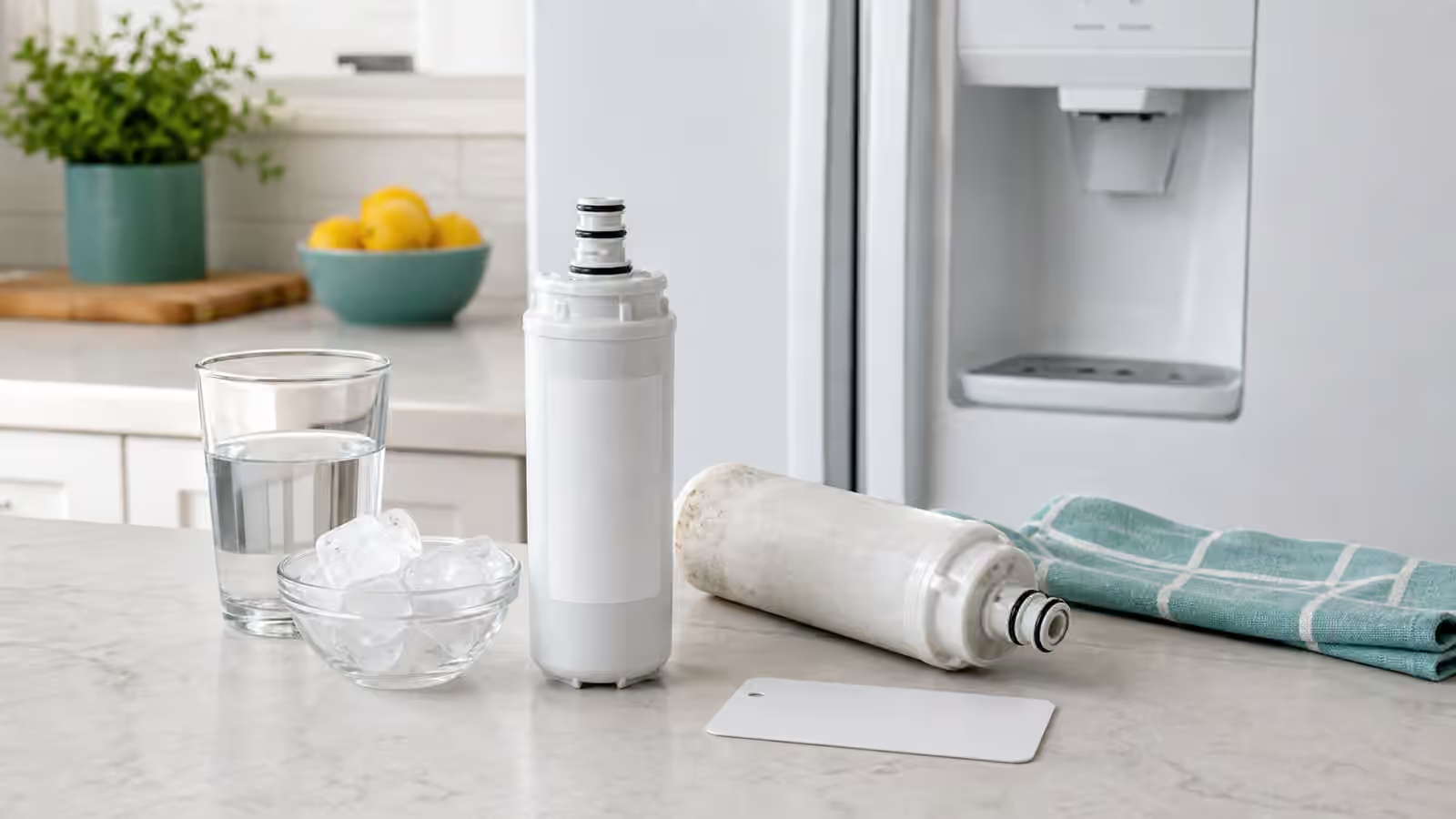
A filter is not a one-time purchase. It is a maintenance routine with a housing, cartridge, rated capacity, installation instructions, and replacement interval. When the cartridge is overdue, the original claim may no longer be a good assumption.
Clear Water Lab helps with everyday water decisions, reports, testing, certification checks, and maintenance. It is not medical advice, legal advice, or a substitute for local boil-water notices, certified lab results, utility instructions, or health department guidance.
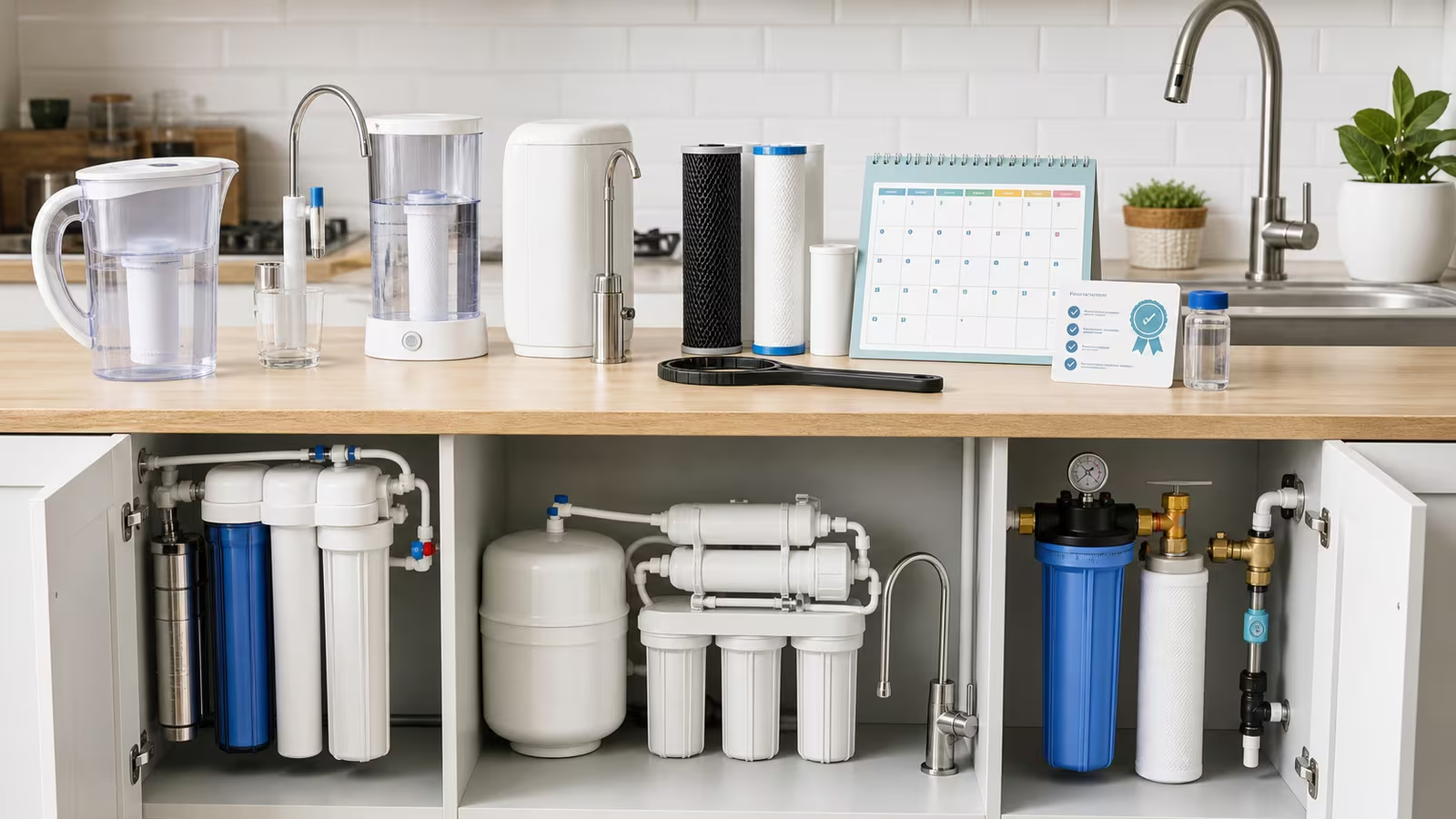
The promise expires quietly
A new filter feels like a completed task. The box is gone, the water flows, and the household stops thinking about it. But a filter claim is not a permanent decoration under the sink. It is tied to capacity, cartridge condition, flow, installation, and time. The promise expires quietly, often without a dramatic taste change or visible warning.
That is why replacement schedules deserve a more serious place in the setup. If a filter is being used only for mild taste improvement, late replacement may be annoying. If it is being used for lead, PFAS, VOCs, cysts, or another health-related claim, late replacement is a bigger problem. The invisible nature of many contaminants means taste cannot be the maintenance trigger. The calendar, rated capacity, and product instructions have to do that job.
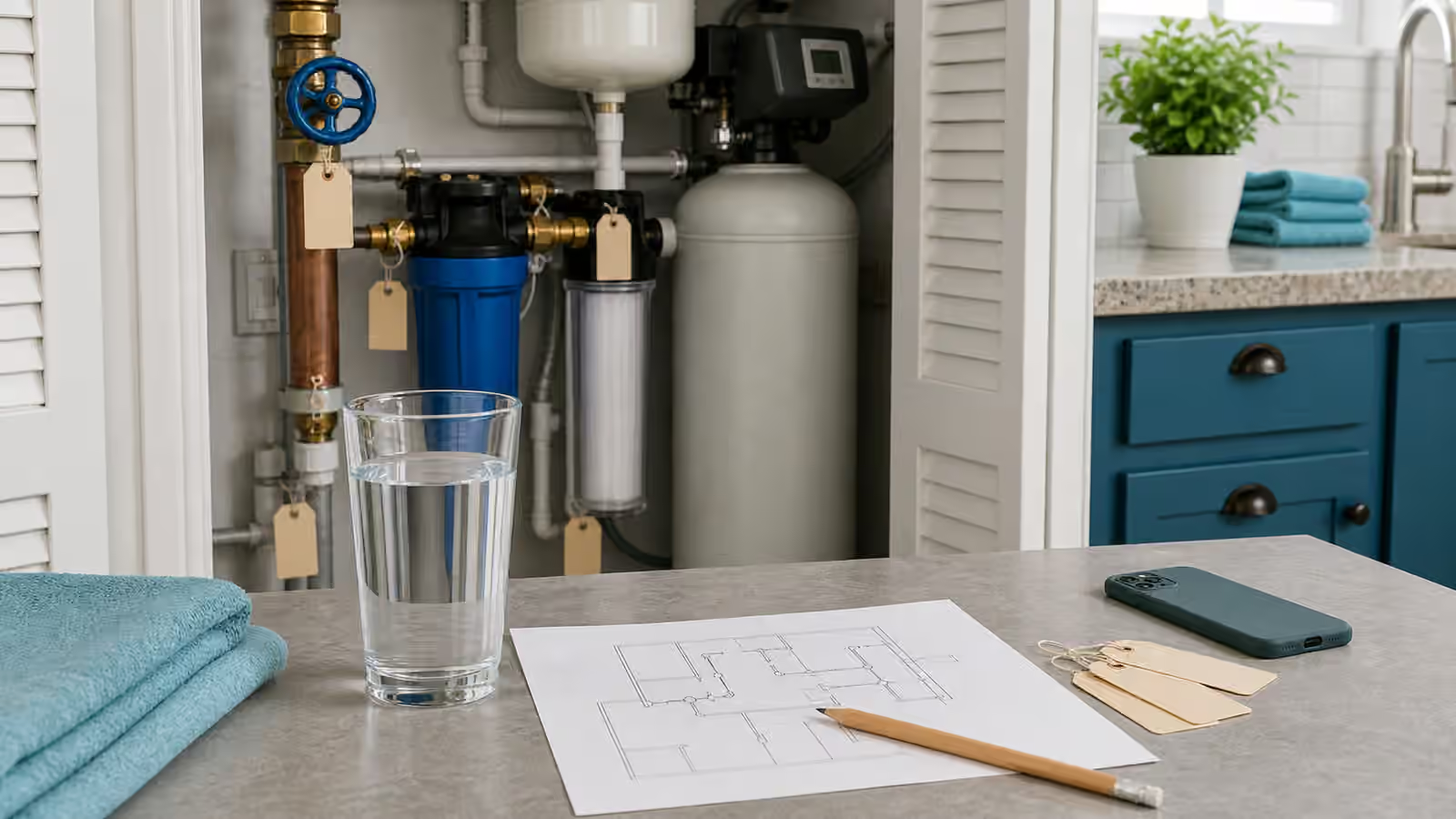
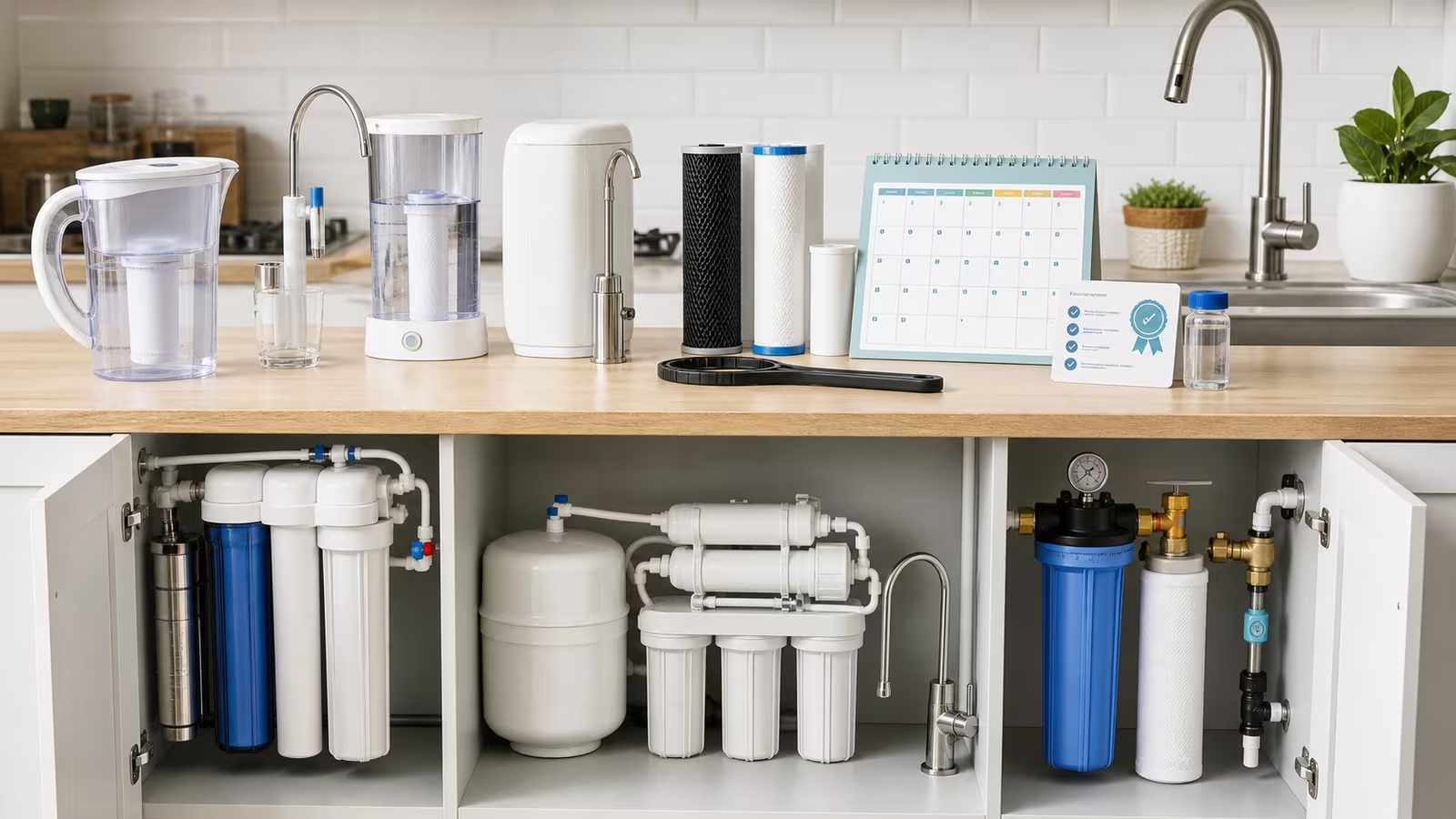
Make the schedule visible at the moment of installation. Write the model, cartridge, date, capacity, and next action on a card near the filter or in a shared household note. If the system has several cartridges, each one needs its own line. A reverse osmosis prefilter, membrane, and postfilter may not share the same interval. A UV lamp, softener, sediment filter, or whole-home cartridge may have a different maintenance logic entirely.
What this helps you decide
This helps you decide how to turn a filter into a repeatable setup instead of an object you forget under the sink.
Plain definitions
| Term | Plain meaning |
|---|---|
| Rated capacity | The volume or time period for which a product claim applies under its instructions. |
| Service interval | The replacement timing recommended by the manufacturer or required by a certification listing. |
| Flow decline | Reduced water flow that can signal clogging, sediment load, or maintenance needs. |
Decision criteria
| Question | Useful next move |
|---|---|
| Small pitcher | Track date and gallons. Frequent filling can exceed capacity faster than expected. |
| Under-sink system | Label prefilter, postfilter, membrane, and any specialty cartridges separately. |
| RO system | Membrane and cartridge schedules may differ. Do not replace only the easy one. |
| Whole-home treatment | Pressure drop, sediment load, regeneration, salt, UV lamp hours, or media life may matter. |
Common mistakes
- Replacing by taste only when the claim is about an invisible contaminant.
- Buying third-party cartridges that do not match the certified listing.
- Forgetting to flush or prime new cartridges.
- Losing the model number and buying a lookalike.
Try this next
- Write the model, cartridge, install date, and next replacement date on a visible card.
- Set a reminder before the rated life ends.
- Keep the manual or product listing link with the cartridge supply.
- Recheck How to Verify a Water Filter Claim whenever you switch cartridge brands or model numbers.
Safety and source check
A maintenance schedule is part of risk control. If water is being treated for lead, PFAS, arsenic, nitrate, bacteria, or another health concern, do not treat overdue maintenance as a small housekeeping issue.
Related Fondsites path
- Pitcher, Faucet, Countertop, Under-Sink, RO, and Whole-Home Filters
- Activated Carbon Filters
- Reverse Osmosis for Beginners
- How to Verify a Water Filter Claim
Design the reminder around real life
The best reminder is the one the household will actually see. A phone calendar helps, but it can disappear into digital noise. A small label on the housing helps the person standing under the sink. A spare cartridge on the shelf helps when the reminder arrives. A saved product listing helps when the old model number is hard to read. Redundancy is not overkill when the whole performance claim depends on a mundane chore.
Capacity can be trickier than time. A pitcher used by one person may last differently from the same pitcher used by a family. A cartridge in a rental kitchen may work harder during summer guests. Sediment can shorten life by clogging media. Slow flow can be a maintenance clue, but it should not be the only clue. If the manual gives gallons, time, and flow conditions, honor the most conservative practical limit.
Be careful with replacement cartridges from third-party sellers. A cartridge can fit physically without carrying the same certification claim. Marketplace listings can blur models, reviews, and compatible parts. If the original purchase was made for a health-effect claim, verify replacements with the same discipline as the first device. The ongoing claim lives in the cartridge, not only in the housing.
Maintenance is not glamorous, but it is where home water decisions become real. A modest filter replaced on time is more trustworthy than an ambitious system maintained by wishful thinking. The quiet work of dates, labels, and cartridges keeps the glass connected to the evidence.
For shared households, make one person responsible and one person able to check the work. That prevents the common drift where everyone assumes someone else changed the cartridge. A dated photo of the installed replacement, stored with the product listing, is often enough to keep the routine clear without creating a complicated logbook.