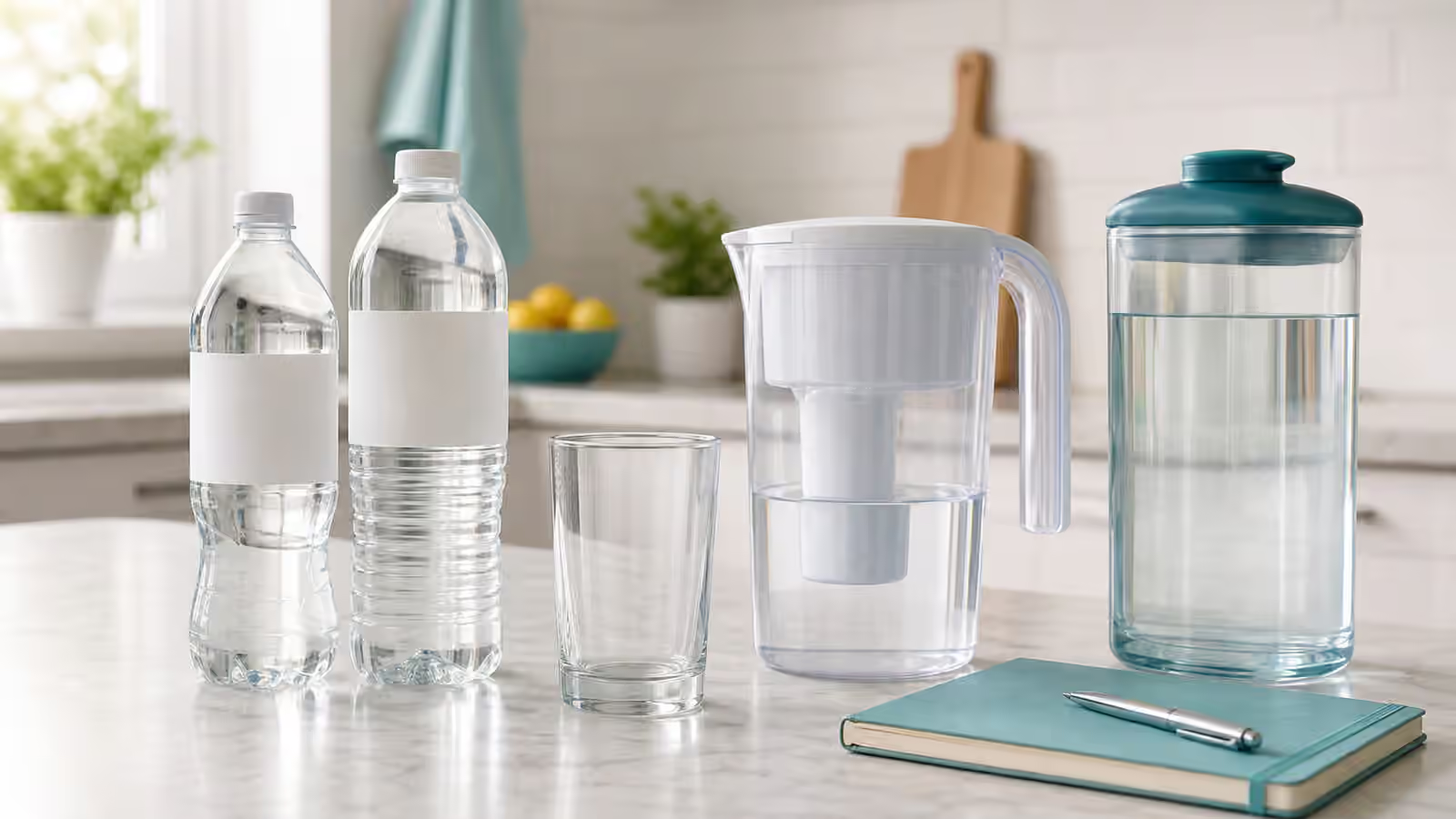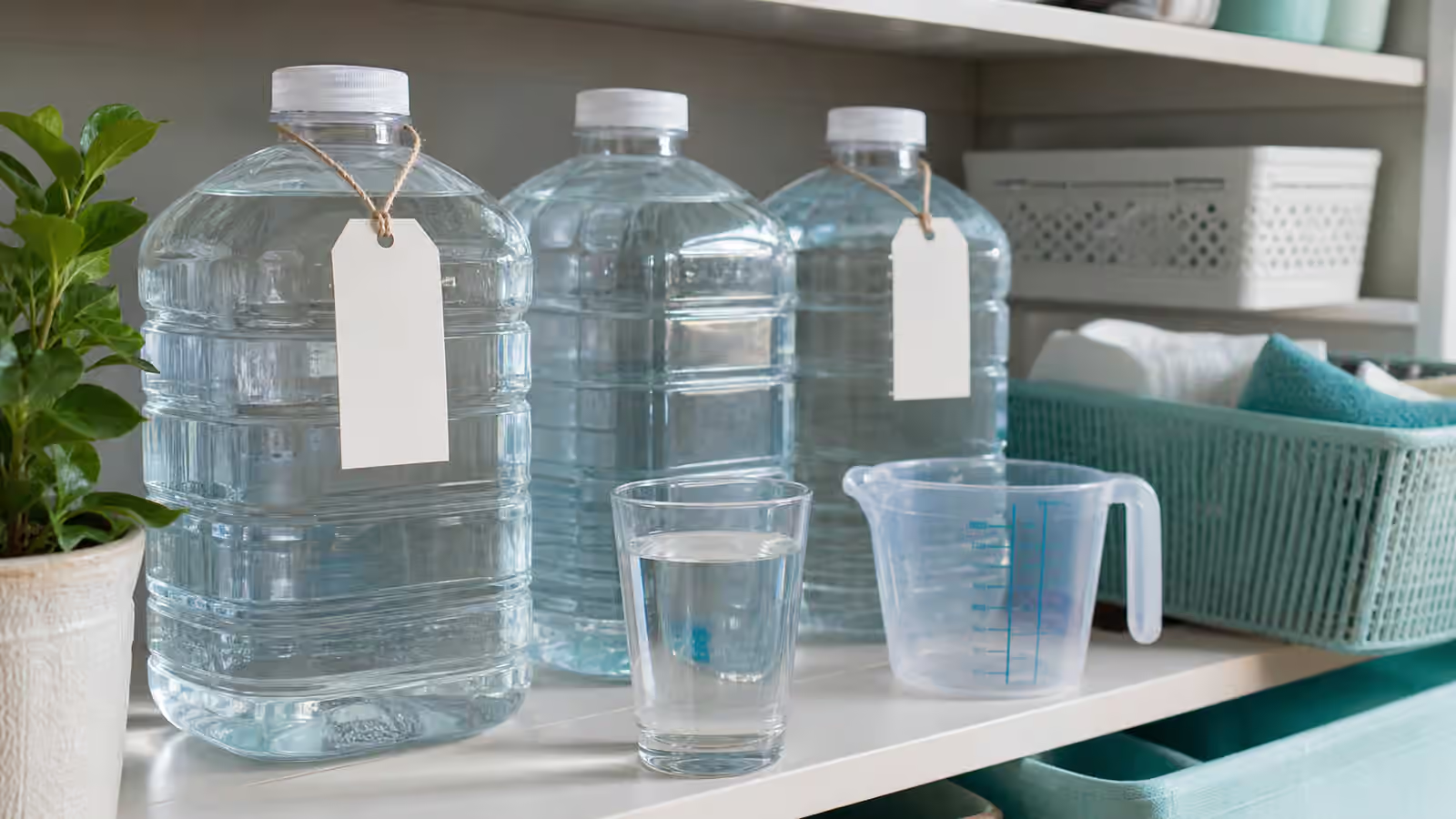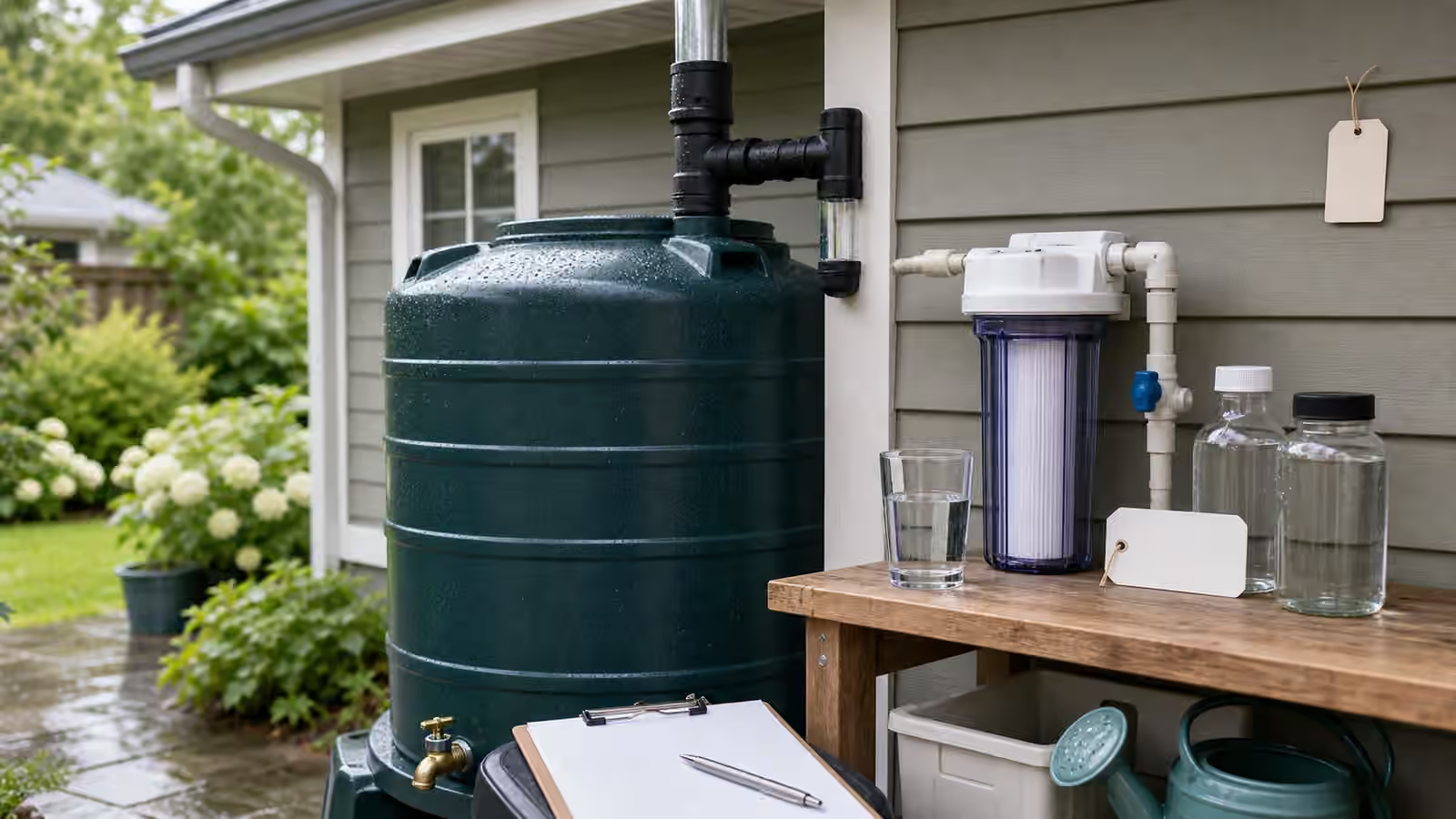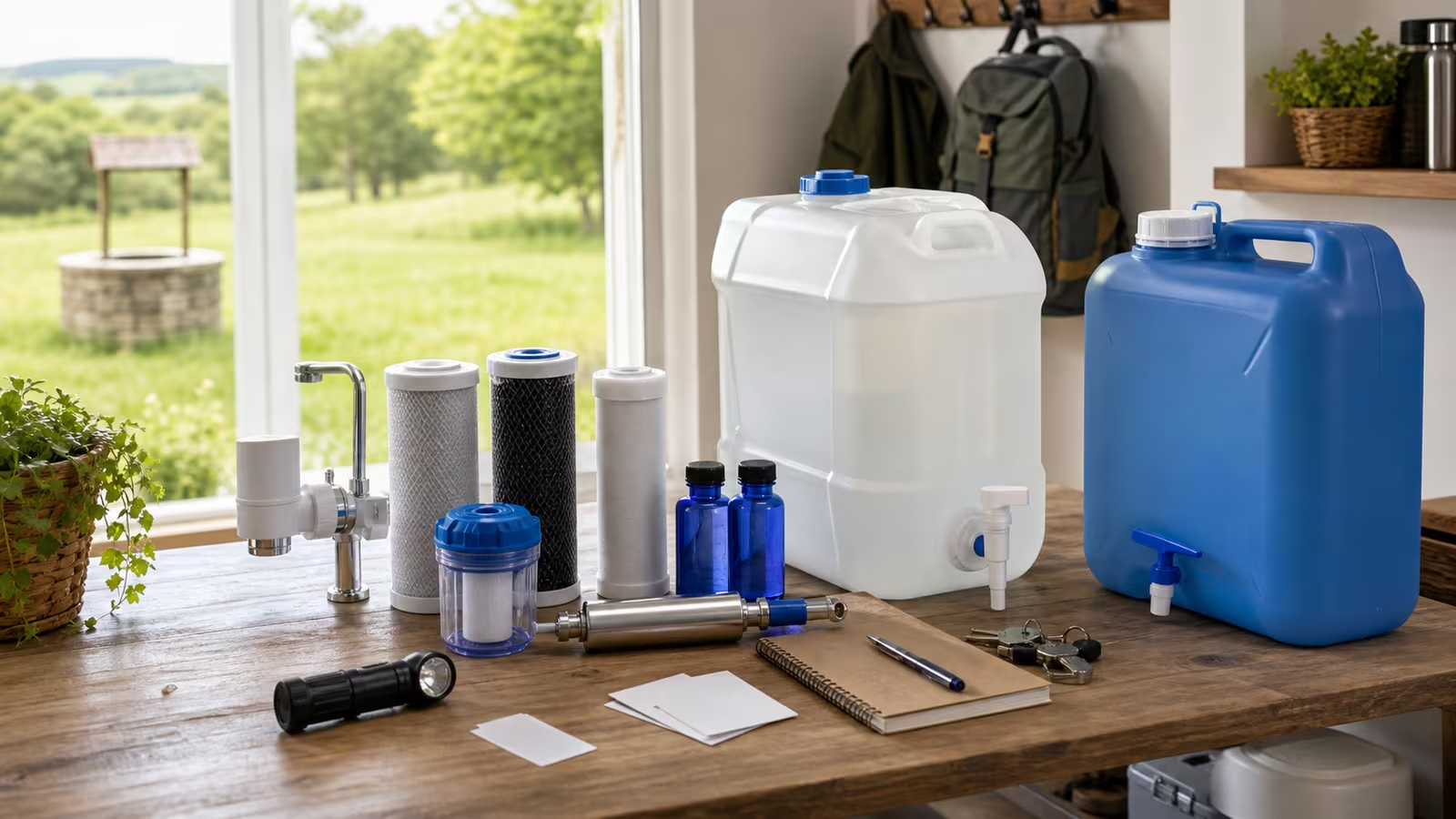
Emergency water planning is not about fear. It is about reducing improvisation when the utility, weather, plumbing, or power situation changes. The right plan separates drinking, cooking, hygiene, pets, appliances, and flushing instructions instead of treating all water use as the same. For background, see CDC — Drinking Water Advisories: An Overview .
Clear Water Lab helps with everyday water decisions, reports, testing, certification checks, and maintenance. It is not medical advice, legal advice, or a substitute for local boil-water notices, certified lab results, utility instructions, or health department guidance.
Make the plan ordinary before it is urgent
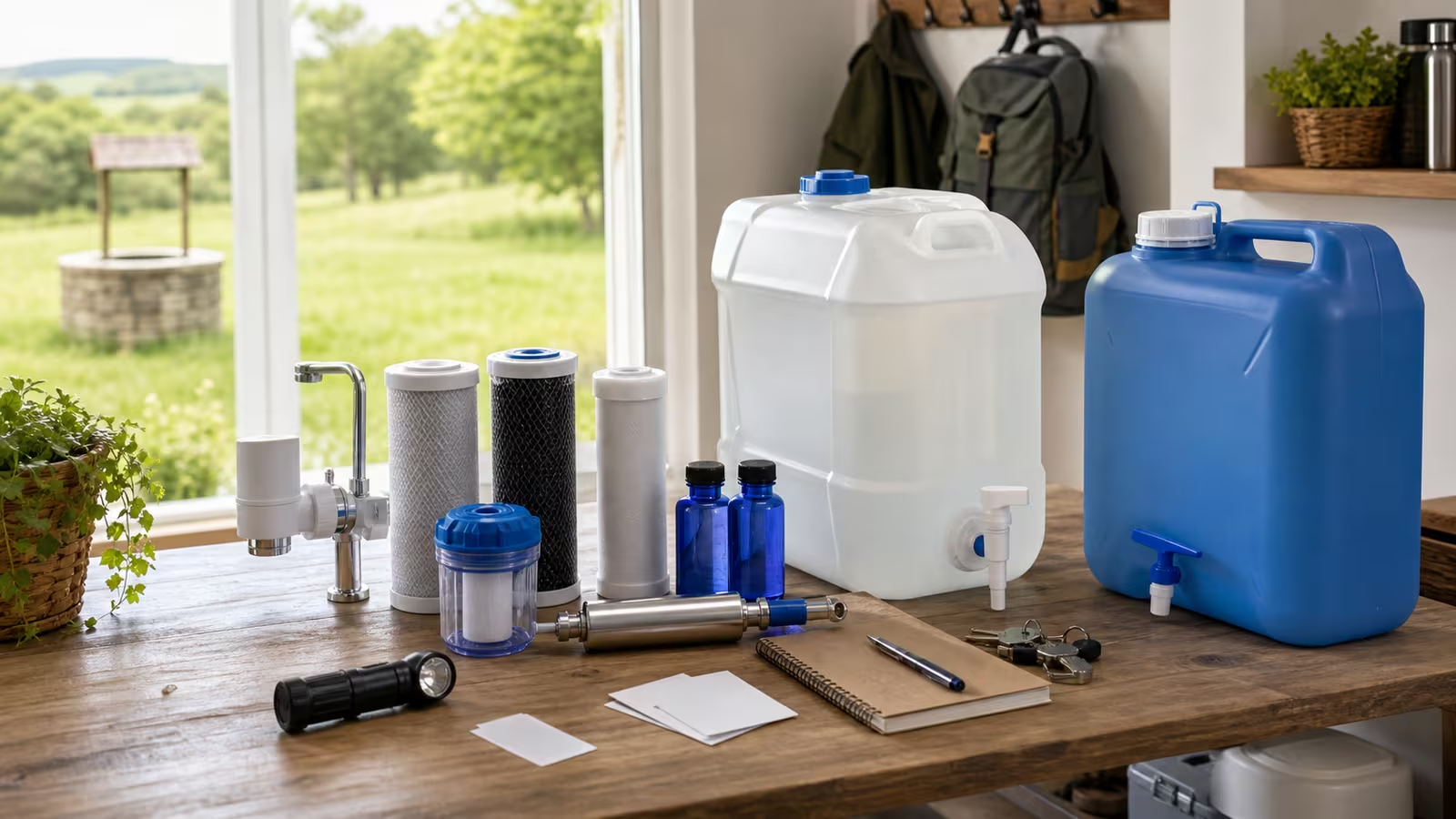
Emergency water planning works best when it feels like housekeeping, not disaster theater. The useful questions are simple: where will alerts come from, what water is already stored, who needs special care, which appliances quietly use water, and what instructions apply when a notice changes? If those answers are written down before a problem, the household has less to invent when the faucet becomes uncertain.
Different emergencies ask for different behavior. A boil-water advisory is not the same as a do-not-drink notice. A pressure loss is not the same as a chemical spill. A private well after flooding is not the same as a public utility flushing event. The plan should preserve those distinctions. Boiling can be important when officials tell you to boil for biological risk, but it is not a way around every warning.
Stored water is part of the plan, but so is rotation and use. Drinking, cooking, brushing teeth, pets, formula, medication, medical devices, humidifiers, coffee makers, ice makers, and refrigerator dispensers may not all have the same instructions. A calm emergency page in a kitchen drawer can list those uses without making the home feel alarmist.
What this helps you decide
This helps you decide what to store, when to boil, when to use bottled or alternate water, and why household filters do not automatically override public guidance.
Plain definitions
| Term | Plain meaning |
|---|---|
| Boil-water advisory | A notice that gives instructions for boiling water because microbial contamination may be a concern. |
| Do-not-drink advisory | A stricter instruction that may involve chemicals or other concerns where boiling is not the fix. |
| Stored water | Water kept for interruptions, with containers and rotation handled according to official preparedness guidance. |
Decision criteria
| Question | Useful next move |
|---|---|
| Boil notice | Follow boil time, elevation, cooling, and use instructions from local authorities. |
| Chemical or do-not-use warning | Do not boil your way around it. Use the alternate source officials recommend. |
| Power outage with well pump | Plan water separately from electricity. The pump may be the first failure. |
| Household filter | Use only within its instructions and certified scope. It is not a universal emergency purifier. |
Common mistakes
- Waiting for a notice before finding the utility alert channel.
- Using a camping filter for city chemical contamination without a matching claim.
- Forgetting infants, formula, medication, pets, and medical equipment needs.
- Skipping post-advisory flushing instructions for ice makers, refrigerators, and fixtures.
Try this next
- Save utility, city, county, and health department alert links.
- Keep enough clean containers and a rotation plan for household needs.
- Write down what water is for drinking, cooking, hygiene, pets, and appliances.
- Read Does Boiling Water Remove PFAS, Lead, Chlorine, or Bacteria? before the next notice so the limits are already clear.
Safety and source check
During an emergency, follow official local guidance and product instructions. This guide is for preparation and orientation.
Related Fondsites path
- Does Boiling Water Remove PFAS, Lead, Chlorine, or Bacteria?
- City Water vs Well Water
- Home Energy Lab outage food, water, and communications
Filters do not cancel instructions
A household filter can be useful inside its design limits, but it should not become a private override for public guidance. A taste-and-odor carbon filter is not a microbiological purifier. A camping filter may not address the chemical named in a notice. A refrigerator cartridge may improve normal tap water and still be irrelevant during a do-not-use event. The label, certification, and advisory all need to point in the same direction before you rely on a device.
Private wells add another layer. If power fails, the pump may stop before the water itself is contaminated. If flooding reaches the well, the concern may shift to testing, disinfection, and local health guidance. If a small system has tanks, hoses, or seasonal use, stagnant water and maintenance history matter. The plan should name the weak point rather than hiding every scenario under “filter water.”
After an advisory ends, the work may not be finished. Utilities may give flushing instructions for taps, refrigerator lines, ice makers, filters, water heaters, softeners, or other equipment. That cleanup phase is easy to miss because the headline says the notice is over. Build it into the plan now: when instructions end, check for flushing and appliance steps before returning to normal habits.
Preparedness is not a mood. It is a few saved links, clean containers, a rotation date, and a clear understanding of what each instruction means. When the next notice appears, the household should be able to read it carefully and act without guessing.
Review the plan once or twice a year, especially before storm season, wildfire season, deep winter, or a long trip. Replace stored water if your chosen containers or local guidance call for rotation, check that links still work, and make sure new appliances or household needs are reflected. The exercise should take minutes, not an anxious afternoon.