Stored drinking water is useful because it is boring. It sits quietly on a shelf until a main break, storm, power outage, well repair, apartment plumbing issue, or short supply interruption makes it valuable. The risk is that storage can start to feel like treatment. A clean container and a rotation habit can preserve water for a purpose, but they do not turn an unknown source into a tested one or replace official instructions during a contamination event. For background, see EPA — Home Drinking Water Testing .
Clear Water Lab helps with everyday water decisions, reports, testing, certification checks, and maintenance. It is not medical advice, legal advice, or a substitute for local boil-water notices, certified lab results, utility instructions, or health department guidance.
Storage starts with the source
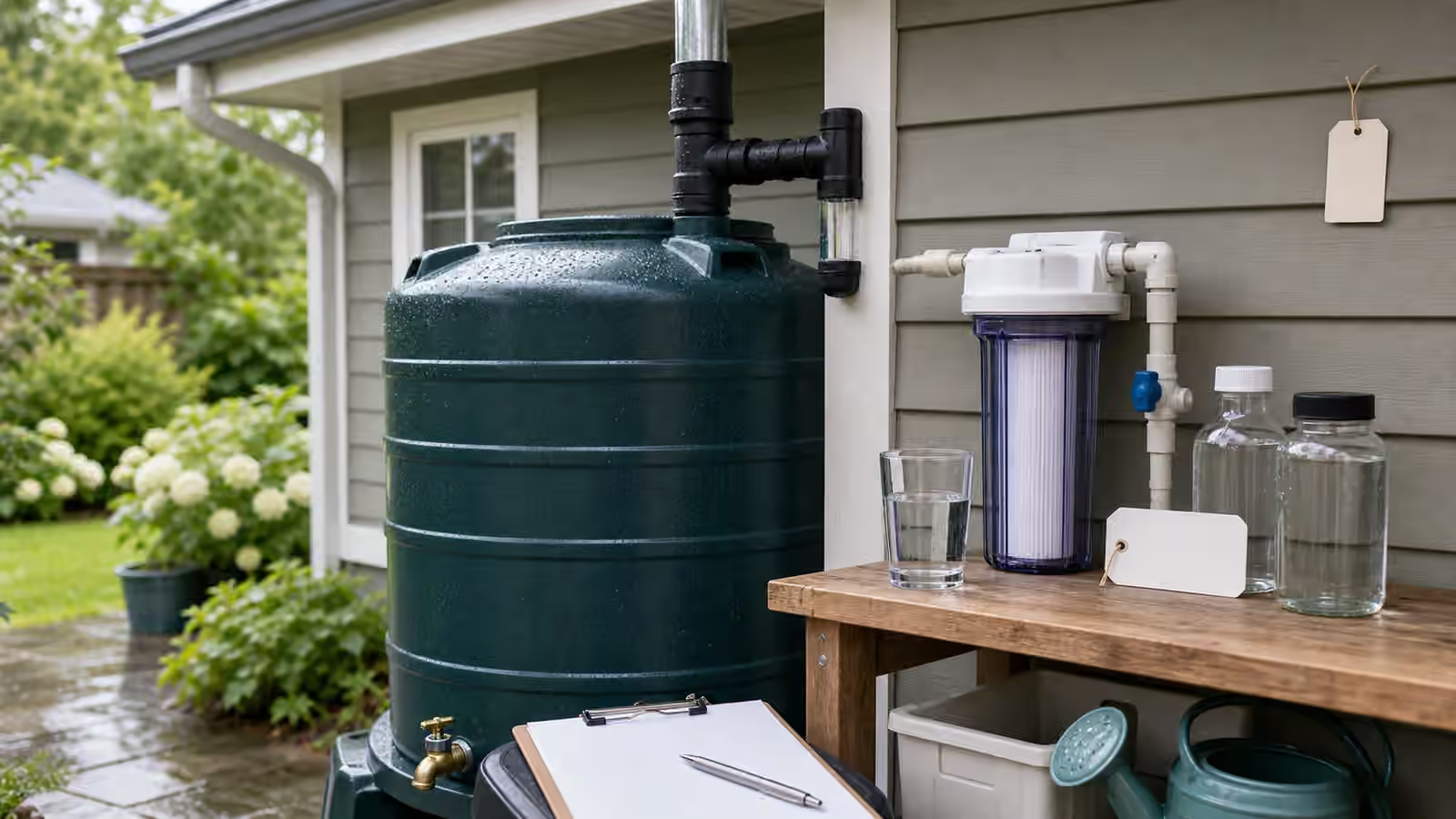
The first question is what water is going into the container. Public tap water, private well water, filtered water, bottled water, rainwater, and hauled water do not carry the same evidence. A household on a public system may store cold tap water for short-term interruption planning. A private well household may need current testing and local guidance before treating stored water as drinking water. A rainwater or cistern household has a collection and treatment chain to consider before storage. The container is not the source.
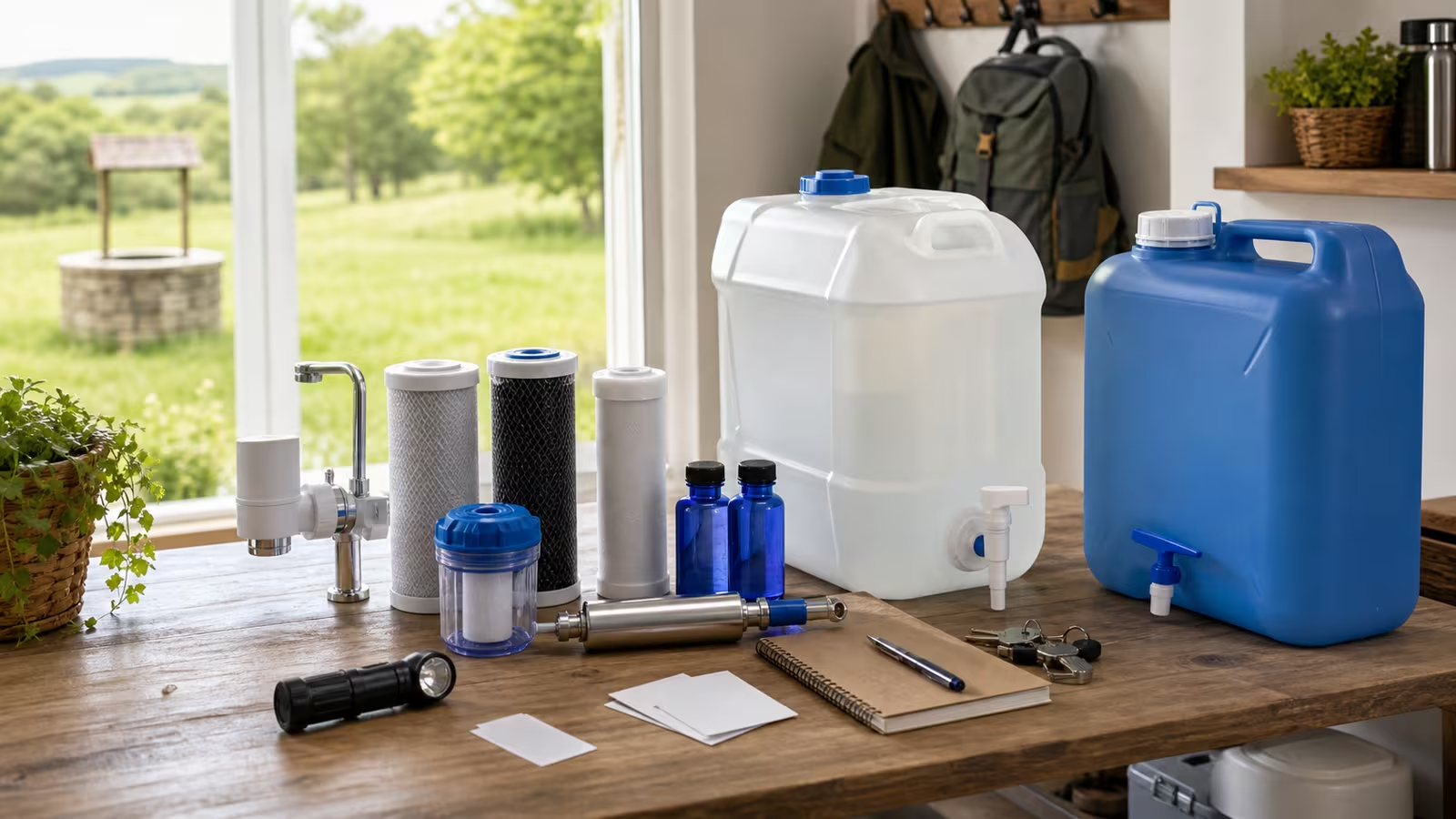
This is why Emergency Water Basics and Rainwater and Cistern Water Basics are natural companions. Emergency storage is a reserve for defined uses, not a way to ignore boil-water notices or do-not-drink instructions. Rainwater storage is a system with roof surfaces, debris, tanks, treatment, testing, and local rules. In both cases, the storage vessel is only one part of the route.
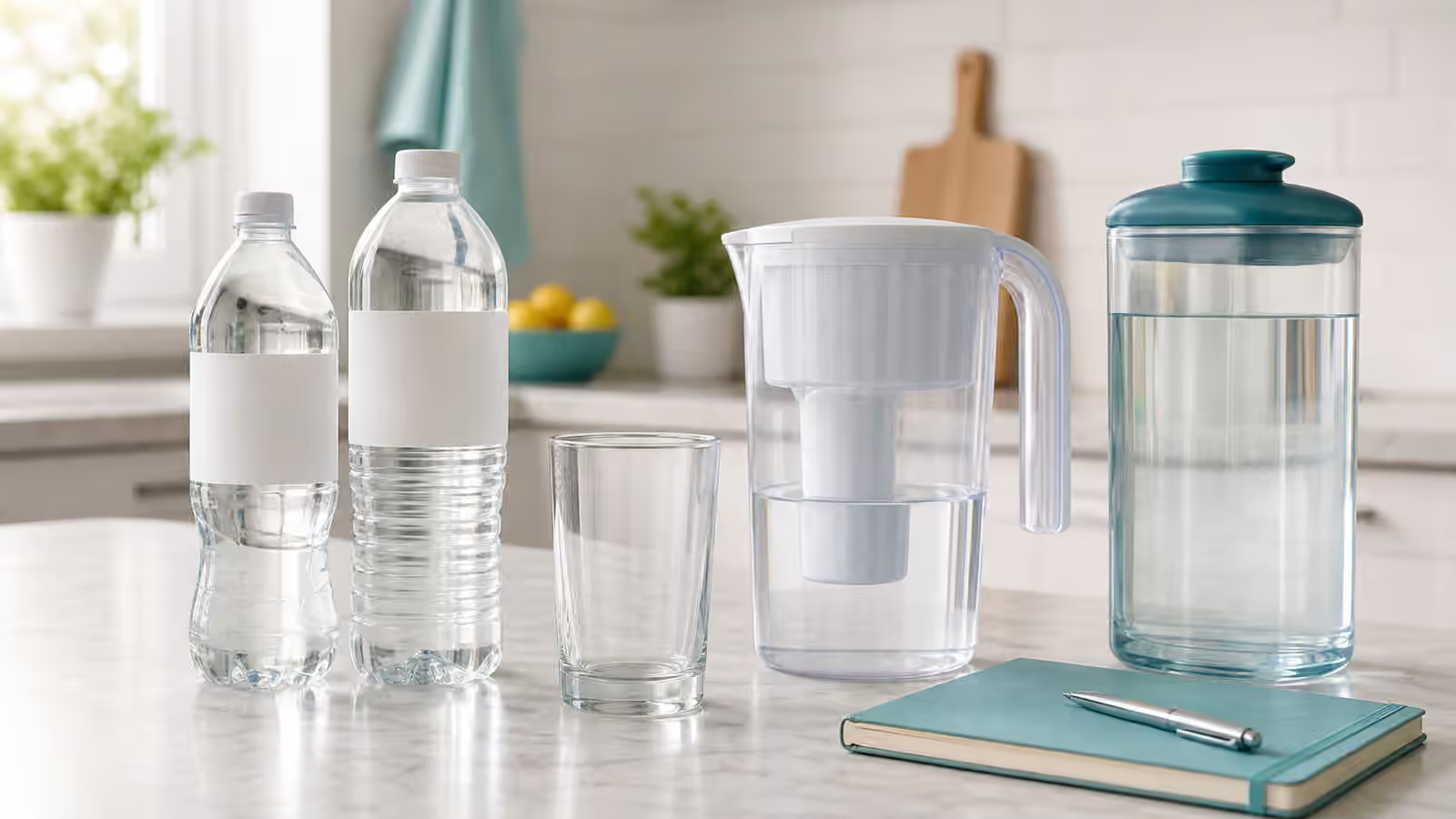
For everyday households, the most practical stored water often comes from a known cold-water tap at a time when no advisory is active. If a filter is used before storage, the filter should be maintained and appropriate for the reason it is being used. If the household stores commercially bottled water, the same basic rotation and heat-avoidance habits still apply. The label may make it feel finished, but bottles still live in a pantry, garage, or car where temperature and time matter.
Containers need to be food-safe, clean, and boring
A good water container should be meant for food or water use, close securely, be easy to clean if reused, and be stored away from chemicals, fuel, strong odors, pests, and heat. The container should not be a mystery jug that once held soap, juice concentrate, garden chemicals, or something nobody remembers. Plastic can hold odors. Threads and caps can hide residue. A beautiful container that is hard to clean may be worse than a plain one that is designed for the job.
Size is part of usability. Very large containers are efficient until someone has to lift them, pour from them, clean them, or move them during an outage. Small containers are easier to handle but take more shelf space and create more caps to track. A household may use a mix: larger sealed containers for reserve volume and smaller bottles for easy drinking. The best size is the one that can be handled safely by the people who will actually use it.
Transparency has tradeoffs. Clear containers make water level and visible debris easy to see, but light can encourage growth if water and conditions allow it. Opaque containers protect from light but hide changes. Either way, storage location matters. A cool, dark, clean shelf is better than a hot trunk or a utility corner beside solvents. Stored water should not smell like the garage it sat in.
Rotation is a habit, not a superstition
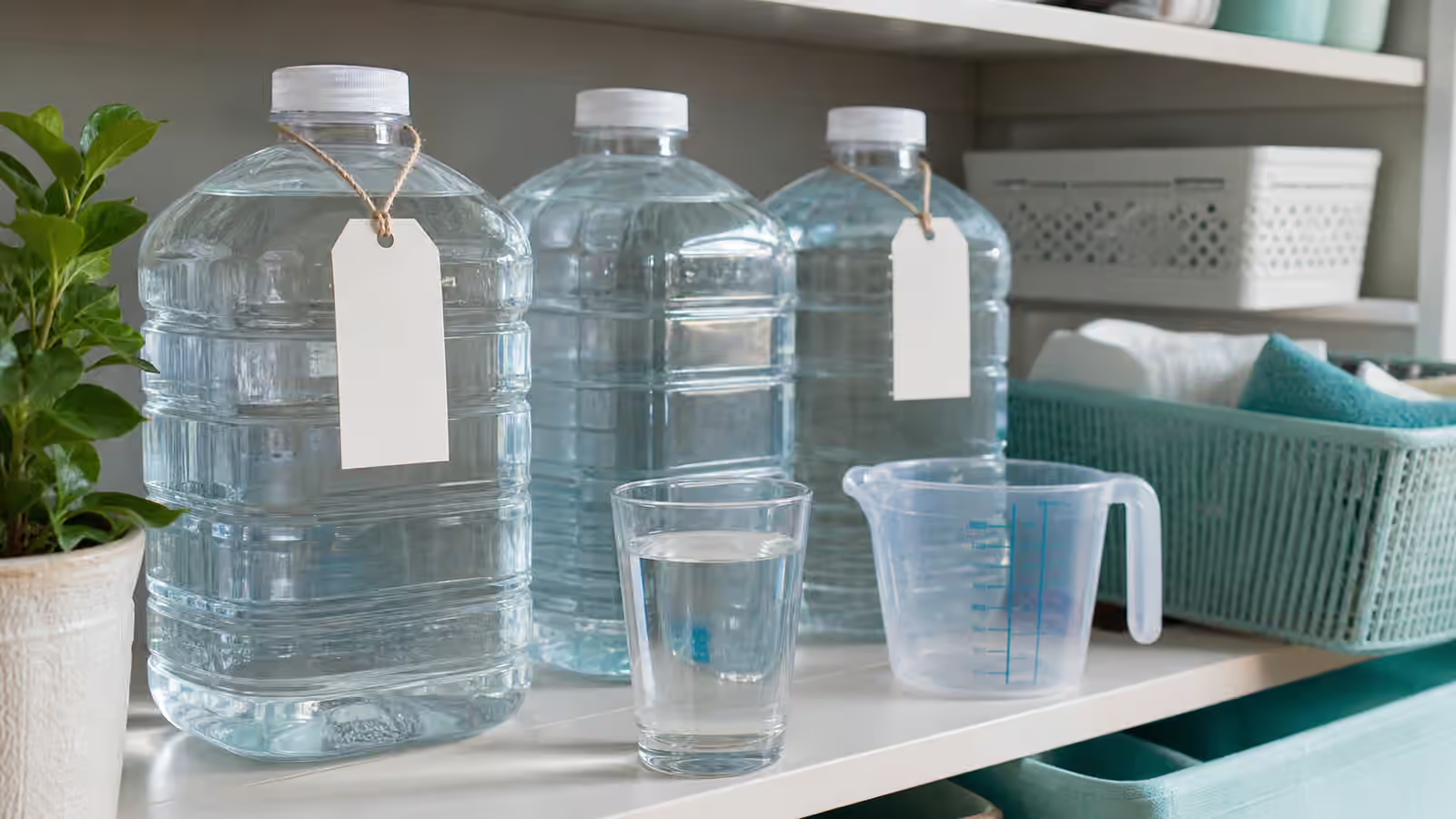
Water does not become useful because a date tag exists. The date tag works only if it belongs to a rotation habit. Write the fill date or purchase date in a way that does not introduce readable ink into the water path. Put the containers somewhere visible enough to remember and protected enough to stay clean. Check caps, leaks, bulging, cloudiness, odor, and storage conditions on a schedule that fits the household.
Taste can change during storage. Water may taste flat because dissolved gases equilibrate, or it may pick up container odors, warm-storage notes, or stale impressions. A taste change does not automatically identify danger, and normal taste does not prove safety. If water smells unusual, looks cloudy, contains visible material, has been stored in poor conditions, or was filled from an uncertain source, do not rely on taste as the decision-maker. Move back to source evidence and official guidance.
Filtered water storage has its own problem. A pitcher or countertop filter may improve taste, but the filtered water then sits in a reservoir that needs cleaning and refrigeration if the product instructions require it. A refrigerator dispenser may fill bottles from a cartridge that nobody remembers replacing. Filter Replacement Schedules applies here because stored filtered water is only as reliable as the filter and container habits behind it.
Storage is not treatment
The most important boundary is simple: storing water does not remove lead, PFAS, nitrates, arsenic, pesticides, salt, microbes, or any other named concern by itself. Some disinfectant taste may dissipate in an open container, but an open container also invites contamination and is not a treatment plan. Letting water sit is not the same as certified filtration, lab testing, boiling under an advisory, or following health department instructions.
If the concern is a known contaminant, use the relevant evidence path. PFAS in Drinking Water points toward verified treatment claims and reports. Nitrates, Arsenic, and Private Wells points toward certified lab testing and well-specific decisions. Lead in Drinking Water points toward sampling instructions, plumbing context, and certified treatment. Storage can support a household plan, but it does not answer those questions.
Boil-water events deserve special caution. A household reserve can be useful when official instructions say to use alternate water, but the stored water still needs to be from a reliable source and protected from contamination. If instructions say to boil, flush, discard ice, avoid appliances, or use bottled water for certain uses, follow those instructions. A pantry shelf should make compliance easier, not create private exceptions.
Everyday storage can be modest and effective
A sensible home storage plan can be quiet. Keep enough water for likely short interruptions according to the household’s own needs and local emergency guidance. Use containers meant for water. Store them away from heat, sunlight, chemicals, and pests. Rotate them before they become forgotten objects. Keep a small note about source and date. Do not mix potable and non-potable containers in a way that future you will misunderstand.
Tiny homes, RVs, cabins, and boats make storage more visible because tanks are part of daily life. The Tiny Home and RV Water Basics guide covers tanks, hoses, sediment, carbon, UV, and taste in more detail. The same principle applies in a pantry: water quality is a route, not a container. Source, storage, plumbing, treatment, and maintenance all matter.
Stored water is best when it remains humble. It is there so a household can avoid scrambling during a short disruption, make tea when the sink is temporarily out of service, or follow an advisory without panic. It is not proof that the household has solved every water question. The calmer view is more useful: know the source, use clean containers, rotate visibly, and let official guidance outrank shelf confidence whenever a real water event occurs.