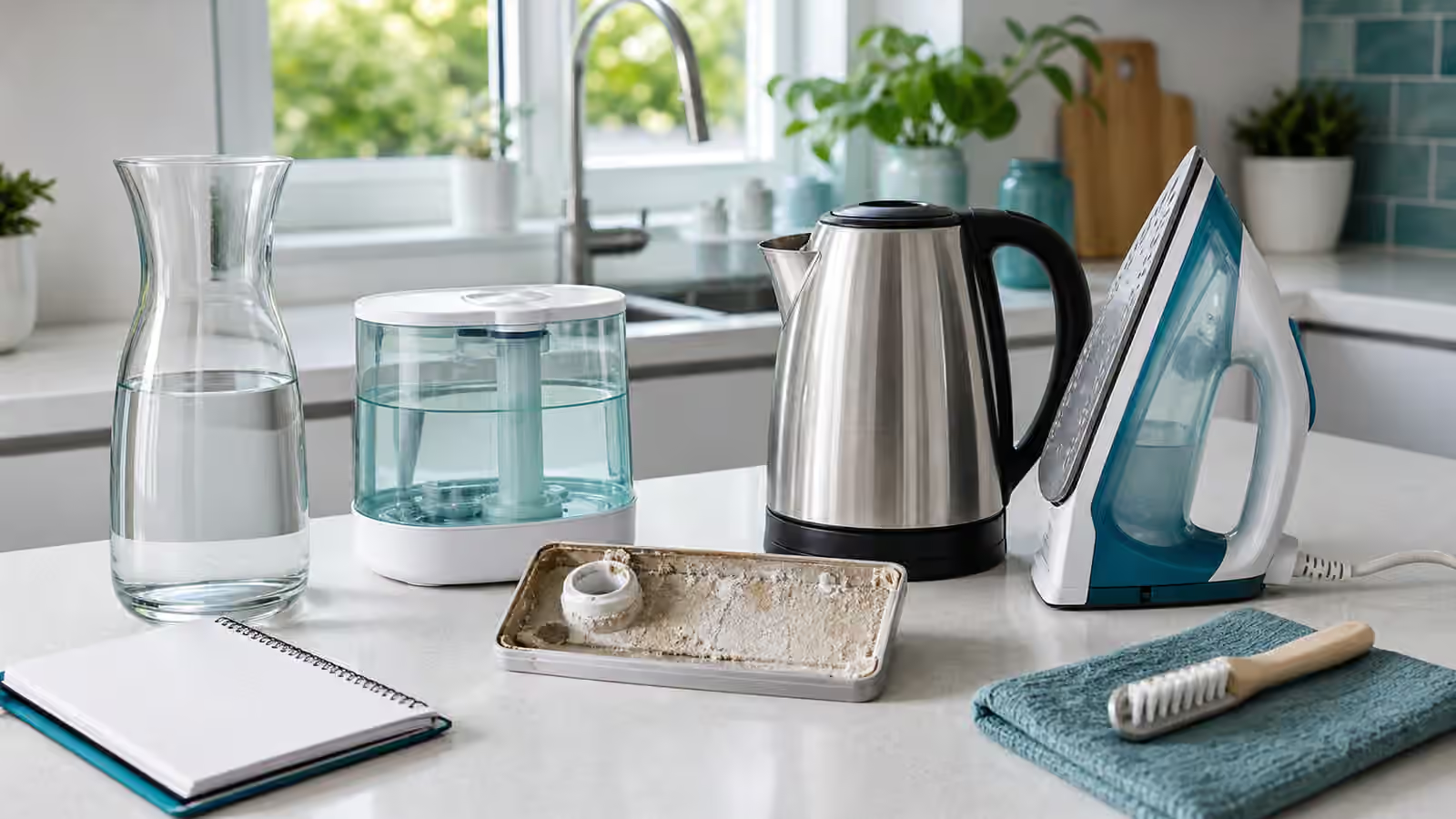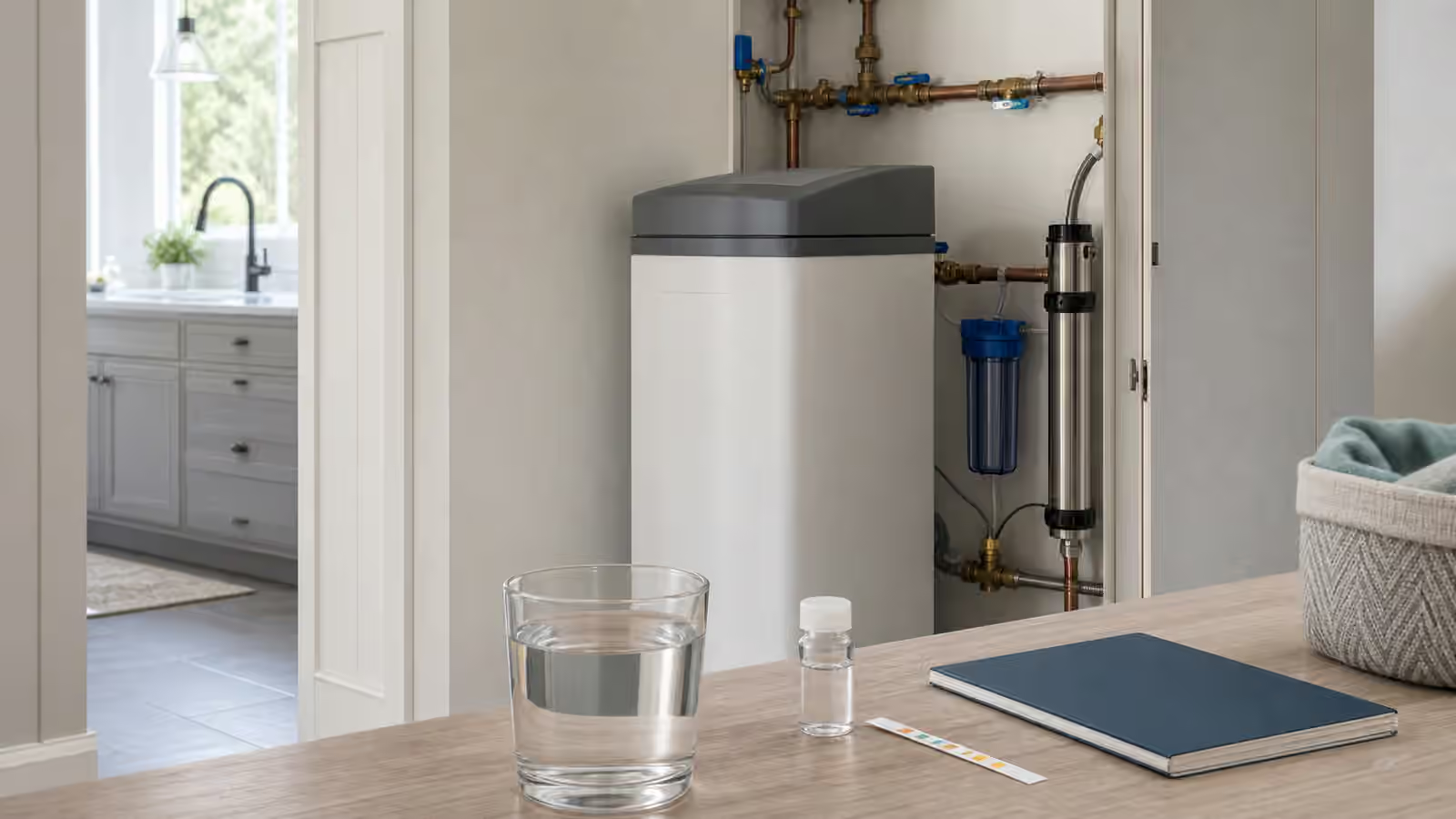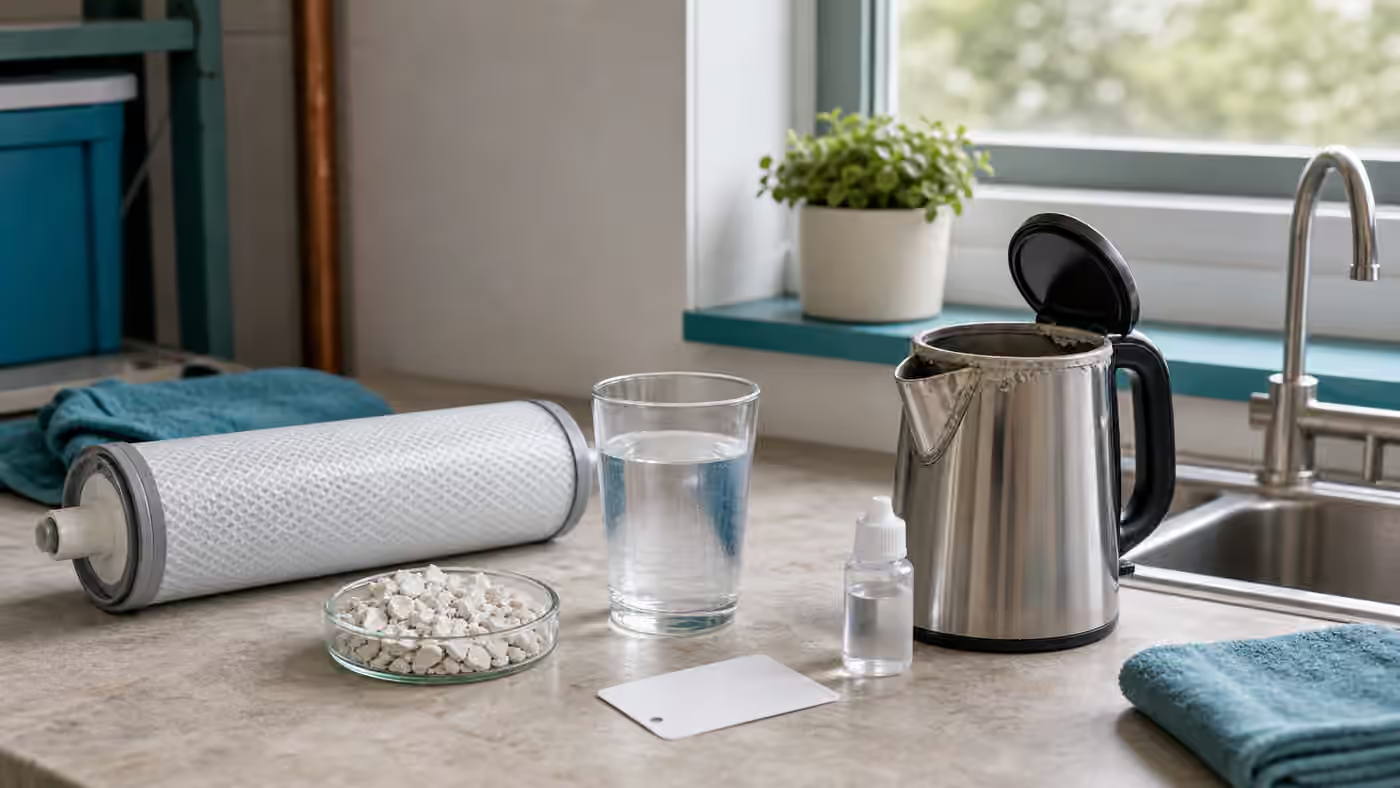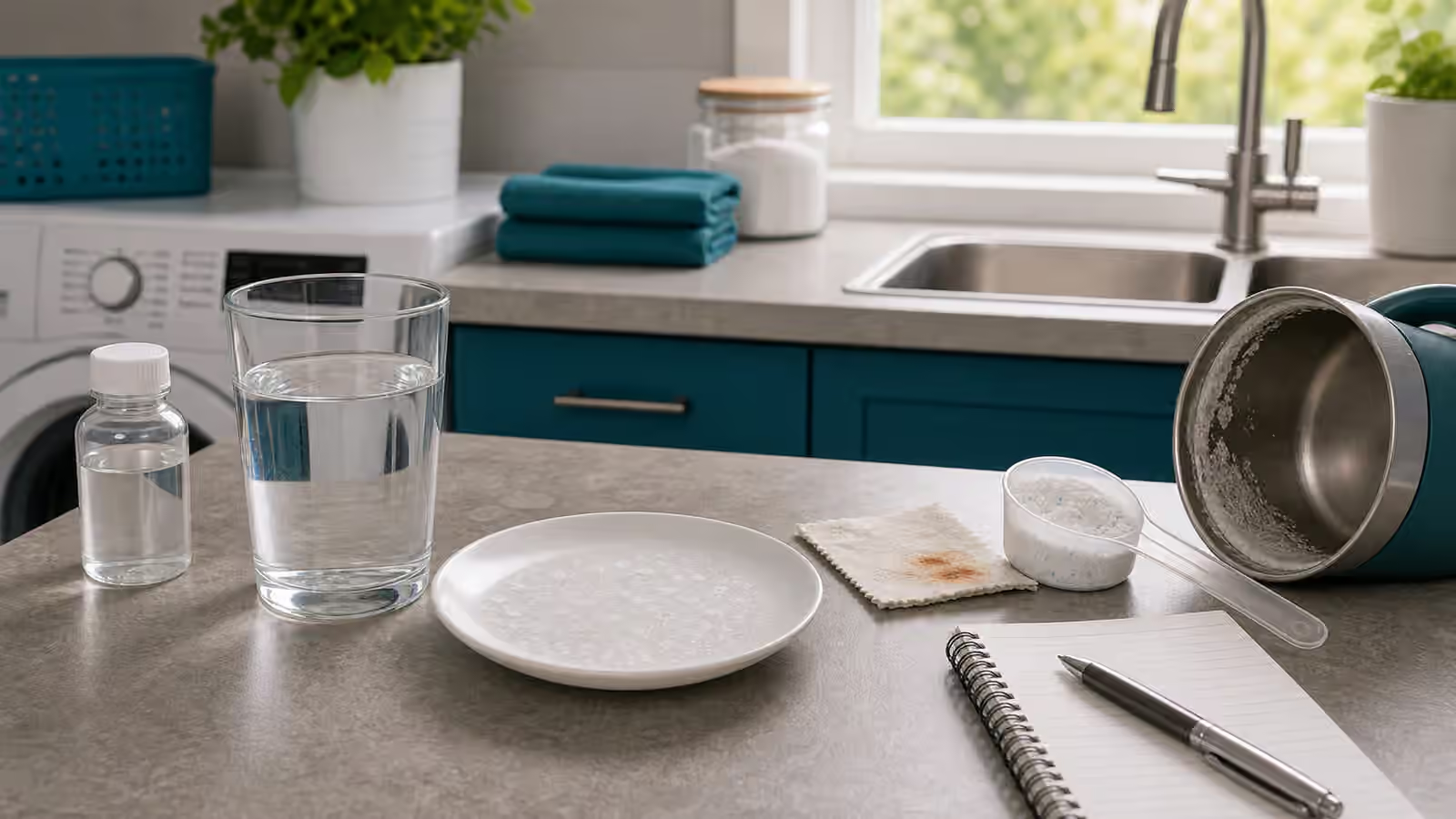
Dishwashers and washing machines are not water labs, but they are useful witnesses. They show scale, film, soap behavior, iron staining, hot-water quirks, and maintenance neglect in ways a clear drinking glass may not. The trick is to read those clues modestly. A spotted glass does not prove the water is unsafe. A rust mark on fabric does not identify the source by itself. A detergent change can mimic a water change. Chore clues are starting points, not final answers. For background, see EPA — Home Drinking Water Testing .
Clear Water Lab helps with everyday water decisions, reports, testing, certification checks, and maintenance. It is not medical advice, legal advice, or a substitute for local boil-water notices, certified lab results, utility instructions, or health department guidance.
Spots usually start with minerals and drying
White spots, cloudy glassware, crust near spray arms, and scale on heating surfaces often point toward hardness, evaporation, and detergent chemistry. Hard water can leave mineral residue as water dries. High heat can make the clue more visible. Rinse aid, detergent dose, wash temperature, machine condition, and drying habits can all change the result without any dramatic shift in source water.
Hard Water vs Bad Water is the natural first stop because hardness is not the same as contamination. Hardness can be annoying, expensive for appliances, and visible on fixtures, but it is a mineral behavior category, not proof of a health problem. A dishwasher full of spots may justify hardness testing, softener maintenance, detergent adjustment, or appliance cleaning. It does not replace a certified lab panel when the concern is nitrate, arsenic, lead, bacteria, or PFAS.
Compare locations before deciding. If the dishwasher, kettle, shower glass, and faucets all show scale, the clue is probably broader than one appliance. If only the dishwasher changed after a new detergent, a repaired machine, or a different cycle, the appliance deserves attention first. If spots appear after a softener runs out of salt or a bypass is left open, the water route may have changed. A good note should include the date, appliance, detergent, water treatment state, and any filter or softener work.
The same comparison helps with rental kitchens and shared homes. One person may notice spots only after a new dishwasher cycle, while another notices scale at the kettle and shower. Those observations sound like separate complaints until they are placed on the same route. A small water note can show whether the pattern belongs to source hardness, hot-water scale, detergent choice, or one appliance that needs ordinary cleaning.
Laundry can reveal iron, manganese, and hot-water problems
Laundry clues are often emotional because fabric feels personal. Orange or brown marks, gray dinginess, stiff towels, and odd odor can make water seem guilty immediately. Sometimes water is part of the story. Iron and manganese in private well water can create staining under certain conditions. Rust from old plumbing or a water heater can mark a wash load. Hard water can interfere with soap performance. But laundry products, machine residue, fabric treatments, body oils, and washer maintenance can create clues that look like water problems.
For private wells, Iron and Manganese in Well Water gives the better path than guessing from fabric color alone. A lab result, stain pattern, fixture clues, and treatment record belong together. If stains appear mainly in hot washes, the hot-water route should join the question. Hot Tap Water and Water Heaters explains why the warm side can show sediment, odor, or corrosion clues that do not appear in the same way at the cold tap.
The washer’s water temperature matters because it changes both chemistry and appliance behavior. Hot water can dissolve and move material from a water heater. Cold water can leave some detergents less effective. Warm water may reveal odor from the machine itself rather than from the supply. When a clue appears, compare a cold tap glass, a hot tap glass after normal use, the washer fill if safely observable, and another fixture. Do not collect appliance water for a drinking-water test unless the lab specifically instructs that route.
Soaps and softeners can confuse the evidence
Soap behavior is a classic hard-water clue. Poor lather, sticky residue, and more detergent than expected can point toward hardness. But modern detergents are not simple soap, and appliance settings can change the feel of the result. A detergent pod, powder, liquid, rinse aid, fabric softener, washer cleaner, or dishwasher cleaner may alter film and scent in ways that have little to do with the source water.
Water softeners add another layer. A properly working softener can reduce hardness scale and improve some cleaning behavior, but it does not make water universally treated for every purpose. Water Softeners and Scale Control explains that softening is a scale-control and ion-exchange tool, not a broad contaminant filter. A dishwasher connected to softened hot water may behave differently from an outdoor tap or a dedicated unsoftened drinking branch. The route matters.
If a softener is in the home, appliance clues should be read beside maintenance records. Was the brine tank empty? Was the bypass open? Was a regeneration cycle interrupted? Did a service visit change settings? Did the household switch from sodium chloride to potassium chloride? Those details can change scale and soap behavior. They also prevent the common mistake of blaming a filter or source water when the real issue is an ordinary maintenance state.
Keep appliance clues in their lane
Appliance clues are useful because they are repeated. A dishwasher runs many cycles. Laundry happens weekly. Kettles boil water in visible ways. Over time, those surfaces can show whether scale, staining, odor, or film is stable, seasonal, or tied to equipment changes. That pattern is valuable. It just needs the right lane.
For small appliances, Water for Humidifiers, Kettles, Steam Irons, and Small Appliances explains why white dust, scale, and distilled-water choices are maintenance questions before they are safety conclusions. Dishwashers and laundry deserve the same restraint. Use the clues to decide what to compare next: hardness, iron, hot versus cold water, detergent changes, softener status, appliance cleaning, or lab testing for a named concern.
The practical record can be simple. Note the appliance, the clue, the date, recent water treatment changes, recent detergent changes, and whether other fixtures show the same pattern. Photograph scale or staining if it is recurring. If the concern becomes a drinking-water question, move back to reports, certified labs, proper sample points, and verified filter claims. A spotted dish may be the first clue that the home water route deserves attention. It should not be asked to answer questions it was never designed to measure.