Blue-green stains around a drain, a turquoise crust near a faucet, a metallic note in the first glass, or a history of pinhole leaks can make copper plumbing feel mysterious. The clues are real, but they do not all mean the same thing. Copper can enter water from plumbing, stains can come from corrosion conditions, and low-pH water can be part of the story. The useful path is to separate appearance, plumbing history, water chemistry, and testing before choosing treatment. For background, see EPA — Basic Information about Lead in Drinking Water .
Clear Water Lab helps with everyday water decisions, reports, testing, certification checks, and maintenance. It is not medical advice, legal advice, or a substitute for local boil-water notices, certified lab results, utility instructions, or health department guidance.
Stains are evidence, not a diagnosis
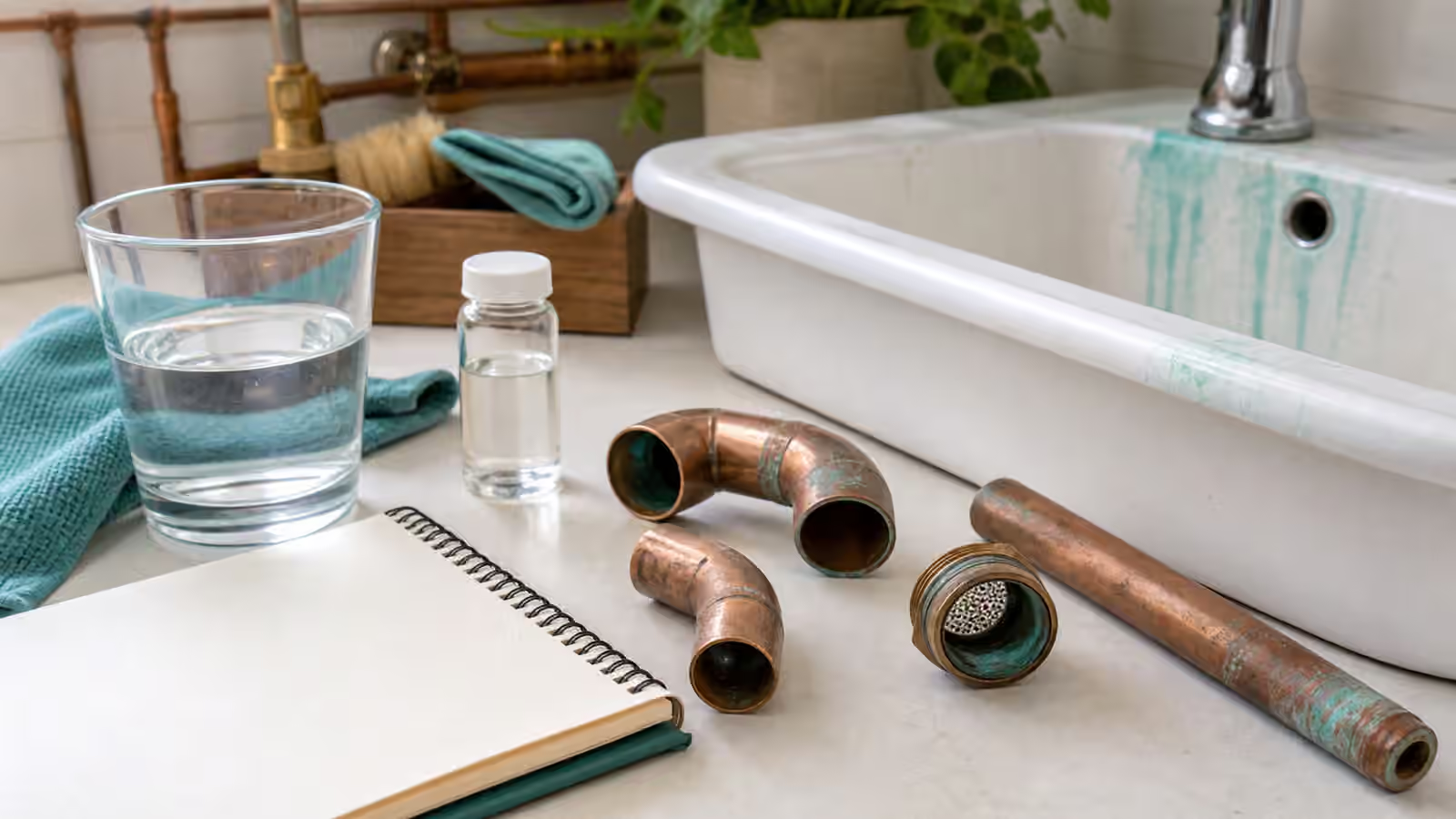
Blue-green staining often points people toward copper, and that suspicion can be reasonable. Copper pipes, brass fixtures, bronze components, and some corrosion conditions can leave colored residue on porcelain, tile, or drain areas. The color is a clue worth taking seriously. It is not a complete diagnosis by itself. Cleaning products, fixture materials, dripping patterns, and local water chemistry can all affect what you see.
Start by locating the stain. A stain only at one sink may tell a local fixture story. A stain at many sinks, tubs, or laundry areas may point toward building-wide water chemistry or plumbing materials. A stain that appears strongest after water sits overnight may differ from one that appears after hot-water use. A stain paired with pinhole leaks, green crust on pipe joints, or a metallic first-draw taste deserves more attention than a faint mark that has not changed for years.
The first split is source. Public water customers can begin with the water quality report and utility information, but the report usually describes system water, not every home’s plumbing. How to Read Your Water Quality Report helps with that distinction. Private wells need a more local approach because pH, alkalinity, minerals, and corrosivity can be shaped by local geology and treatment equipment. City Water vs Well Water is useful here because responsibility shifts with the source.
Corrosive conditions are a water-and-plumbing interaction
People often talk about corrosive water as if it were one contaminant. It is better to think of it as a set of conditions that can make water more likely to interact with plumbing materials. pH matters, but pH alone is not the whole story. Alkalinity, hardness, dissolved solids, temperature, flow, disinfectant chemistry, stagnation time, pipe age, solder, grounding, and treatment devices can all affect how plumbing behaves.
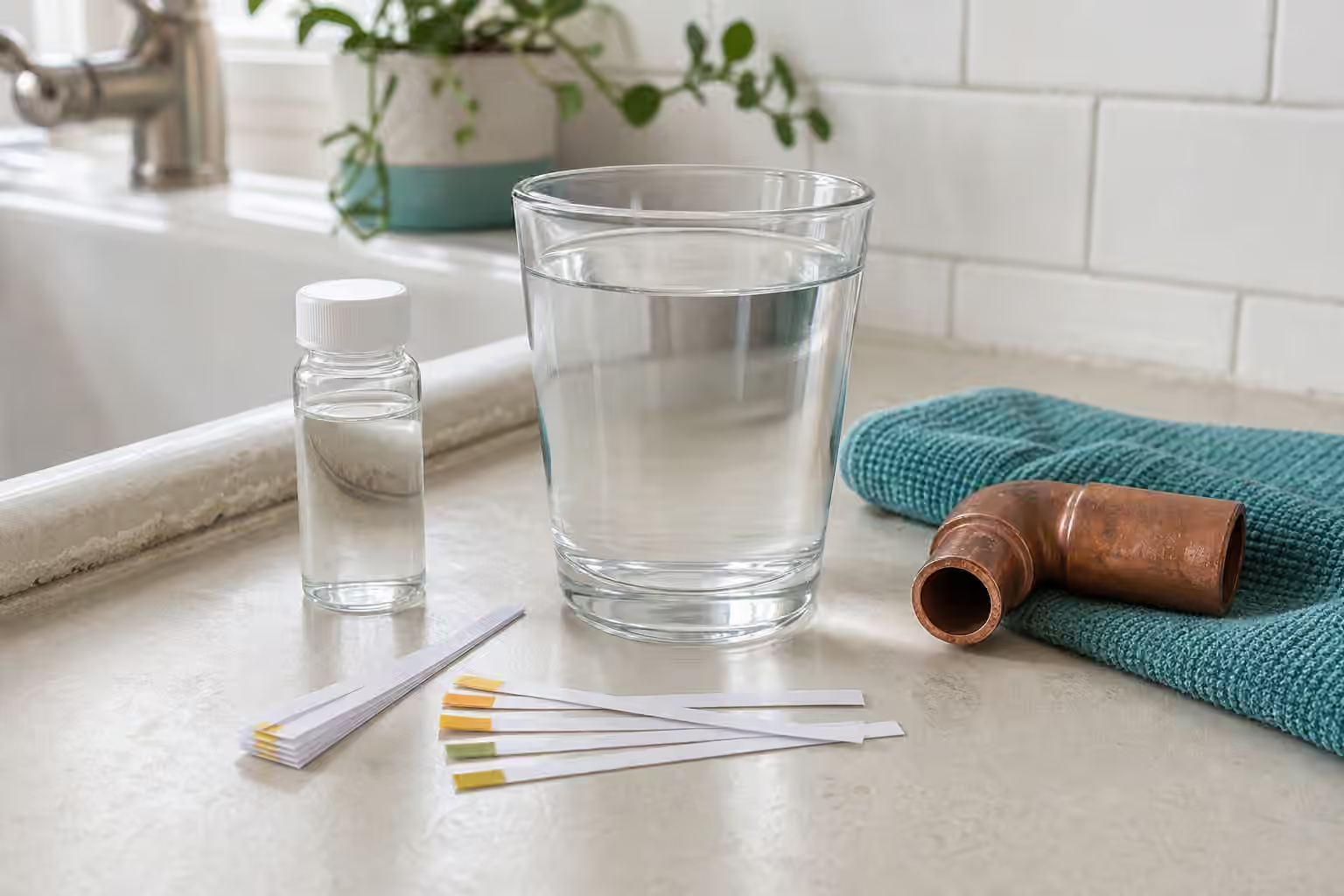
This is why a simple pH strip can be helpful without being final. If the pH reading is very different from what you expect, it can justify better testing or a call to the utility, lab, or qualified local professional. It cannot tell you the whole corrosion story. A pH meter that has not been calibrated is not more convincing because it has a digital screen. Home Water Testing covers that difference between kitchen-counter orientation and lab evidence.
Hard water and corrosive water can be confused because both leave visible traces. Hard water usually shows up as white scale, soap trouble, and mineral deposits. Corrosion clues may show up as blue-green stains, metallic taste, leaks, or metal results in first-draw samples. The two can overlap, but they are not the same problem. Hard Water vs Bad Water keeps scale from becoming a catch-all explanation.
First-draw patterns matter
Copper and other plumbing-related metals are often most interesting after water has been sitting. If the first glass from a cold tap tastes metallic, then the taste fades after water runs, the pattern points toward local plumbing contact time. That does not prove copper is the only issue, but it makes the first-draw condition important. If a lab or utility gives sampling instructions, follow them exactly. Do not flush first if the test is designed to measure water after stagnation.
The new habit from Stagnant Tap Water applies directly. Write down whether the water was first draw or flushed, which tap was used, whether the issue is hot or cold, how long the home sat unused, and whether any filter, softener, heater, or plumbing repair changed recently. That context keeps a lab result from floating without a story.
Hot water can complicate the pattern. Heat can change taste, odor, scale, and corrosion behavior, and the water heater can add its own sediment and metal clues. If the stain, taste, or particles appear mostly on the warm side, read Hot Tap Water and Water Heaters before treating the issue as a drinking-water filter problem. Many households use cold water for drinking and cooking because hot water has had extra contact with heater materials and plumbing.
Treatment follows the result
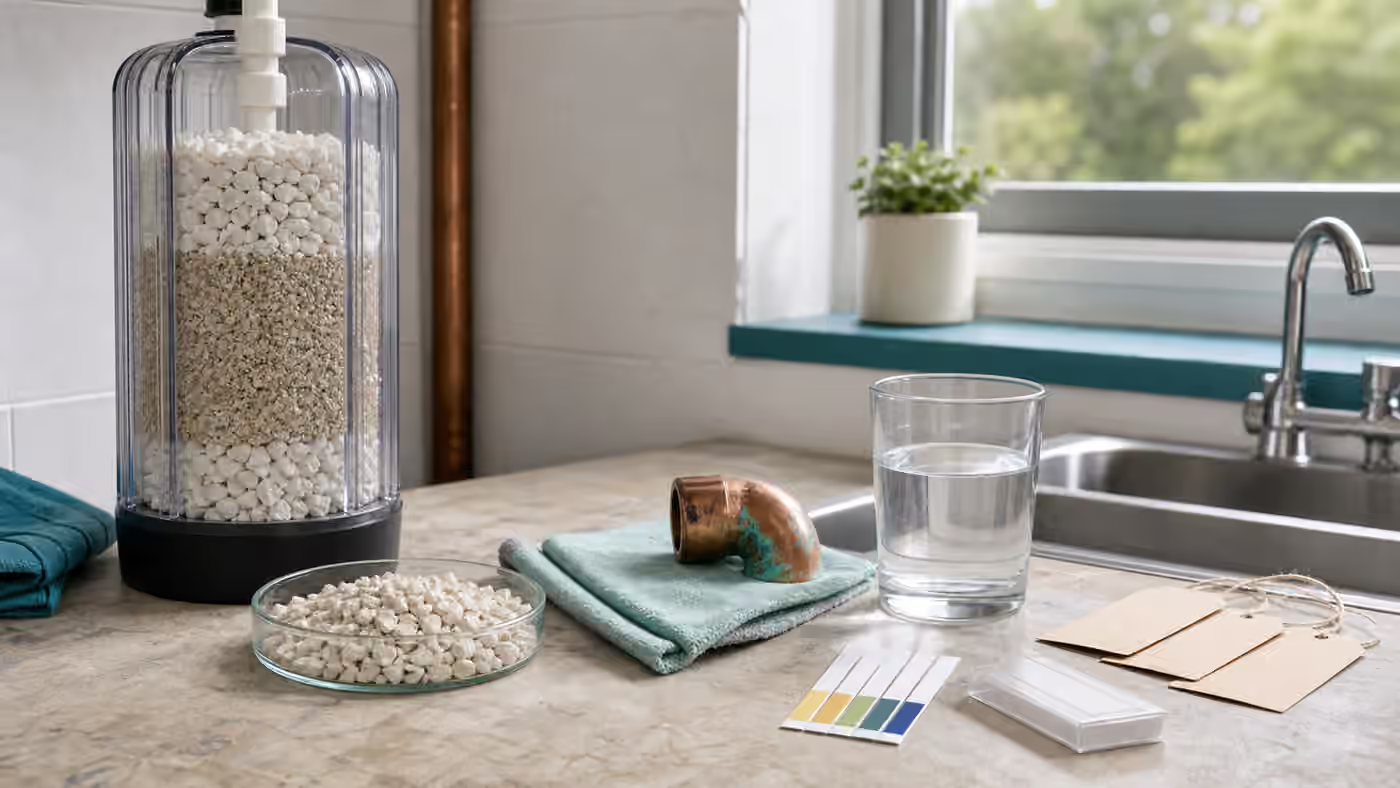
The wrong response to blue-green stains is buying the first cartridge that says clean water. A carbon taste filter may improve chlorine smell while doing little for copper corrosion conditions. A softener may reduce hardness while changing other water chemistry considerations. Reverse osmosis may be relevant for some dissolved contaminants at a drinking tap when properly certified and maintained, but it does not solve every whole-house corrosion issue. Acid neutralizing filters, pH adjustment, plumbing repair, or professional treatment design may be considered in some settings, especially wells, but the choice should come after testing and local evaluation.
Certification language matters when the concern is copper reduction at a drinking tap. A product claim should be checked for the exact model, standard, contaminant, cartridge, capacity, and installation conditions. How to Verify a Water Filter Claim on NSF, WQA, or IAPMO is the right habit because broad marketing language can make many different filter jobs sound the same. A claim for chlorine taste and odor is not a claim for copper. A claim for lead is not automatically a claim for every metal.
If the problem is building-wide corrosion, point-of-use treatment at one sink may not protect pipes, valves, heaters, or fixtures elsewhere. If the problem is a drinking-water result at one tap, whole-house treatment may be unnecessary or incorrectly targeted. Whole-Home vs Point-of-Use Water Treatment helps place the fix where the problem actually lives.
Fixtures and maintenance can make the clue louder
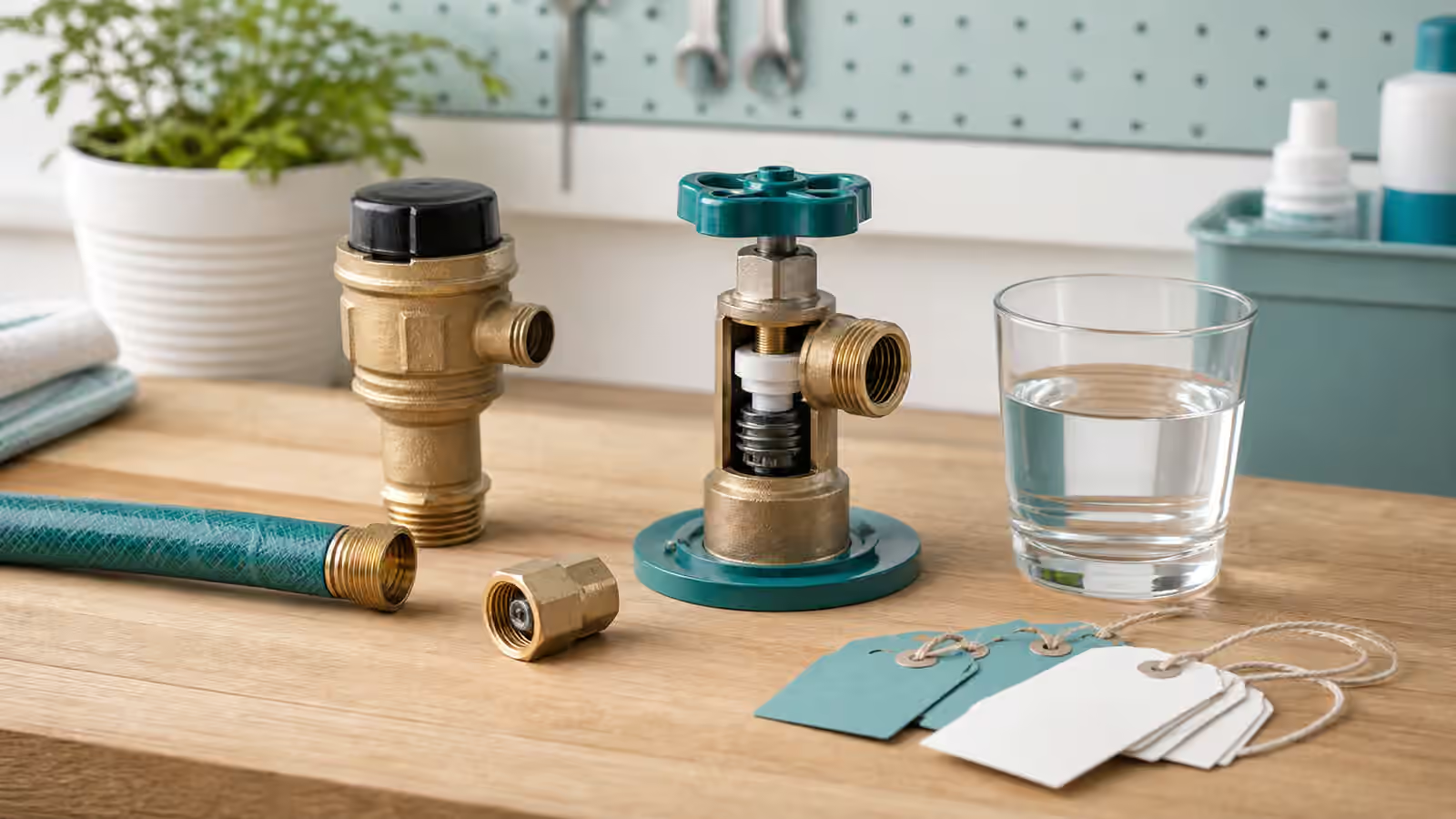
Before assuming the whole source is wrong, inspect the ordinary parts. Faucet aerators can collect colored debris, scale, rubber fragments, or small particles from plumbing work. Flexible connectors, shutoff valves, and old fixtures may add local clues. A slow drip can concentrate minerals and metal staining at one spot, making the stain look more dramatic than the water itself. Cleaning the aerator, noting whether the stain returns, and comparing another cold tap can prevent an overreaction.
Filters can also confuse the story. A neglected cartridge, new carbon fines, a recently installed under-sink system, or a bypassed treatment device can change taste and appearance. If the home already has treatment equipment, record the model, installation date, service history, and whether the stain appeared before or after it was installed. Treatment that changes pH, alkalinity, or hardness can have side effects in real plumbing, especially if installed without a good water analysis.
The calm end point is not a guess. It is a smaller question. Are the stains local or widespread? Does first-draw water differ from flushed water? Is the issue hot side, cold side, or both? Is the source public water or a private well? Are there pinhole leaks or only cosmetic staining? Has a lab measured copper, pH, alkalinity, or other relevant chemistry using the right sampling method? Once those questions are answered, the next step can be modest and specific rather than expensive and vague.
Copper plumbing can last a long time, and blue-green staining does not automatically mean a crisis. It does mean the household should stop treating color as decoration and start treating it as evidence. A clear note, a correct sample, a report or lab result, and a treatment claim matched to the actual issue will do more than a shelf of generic filter promises.