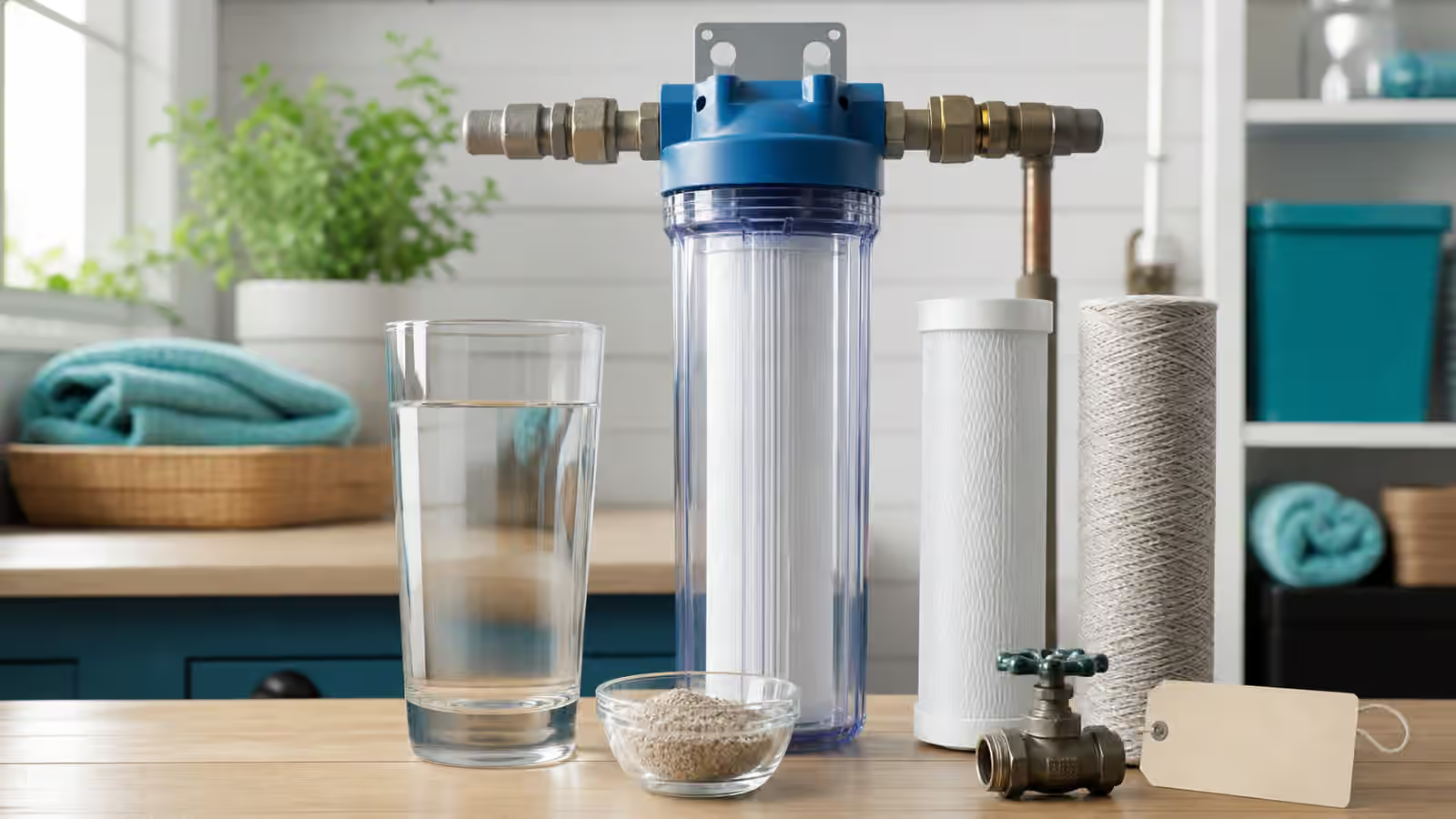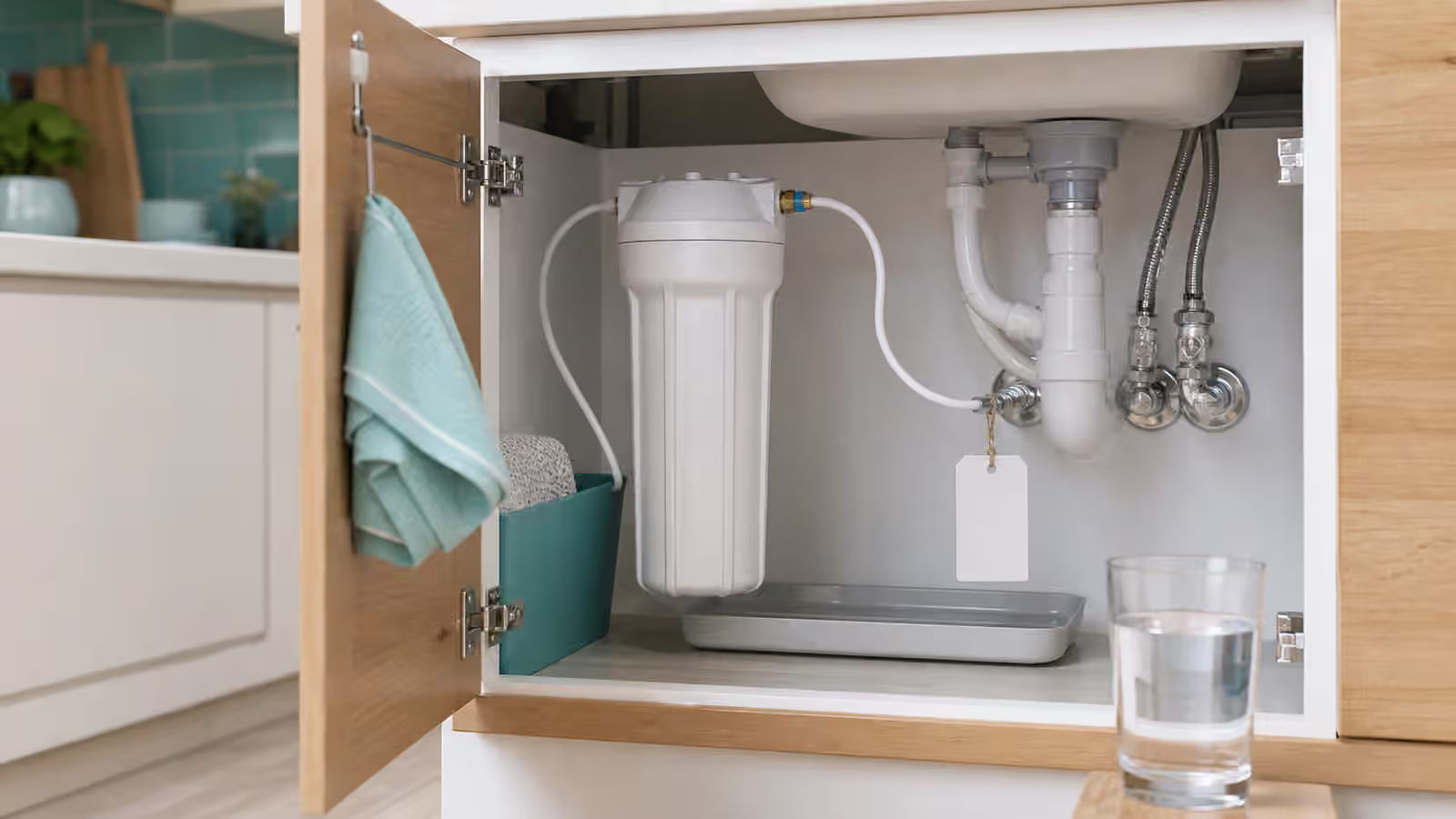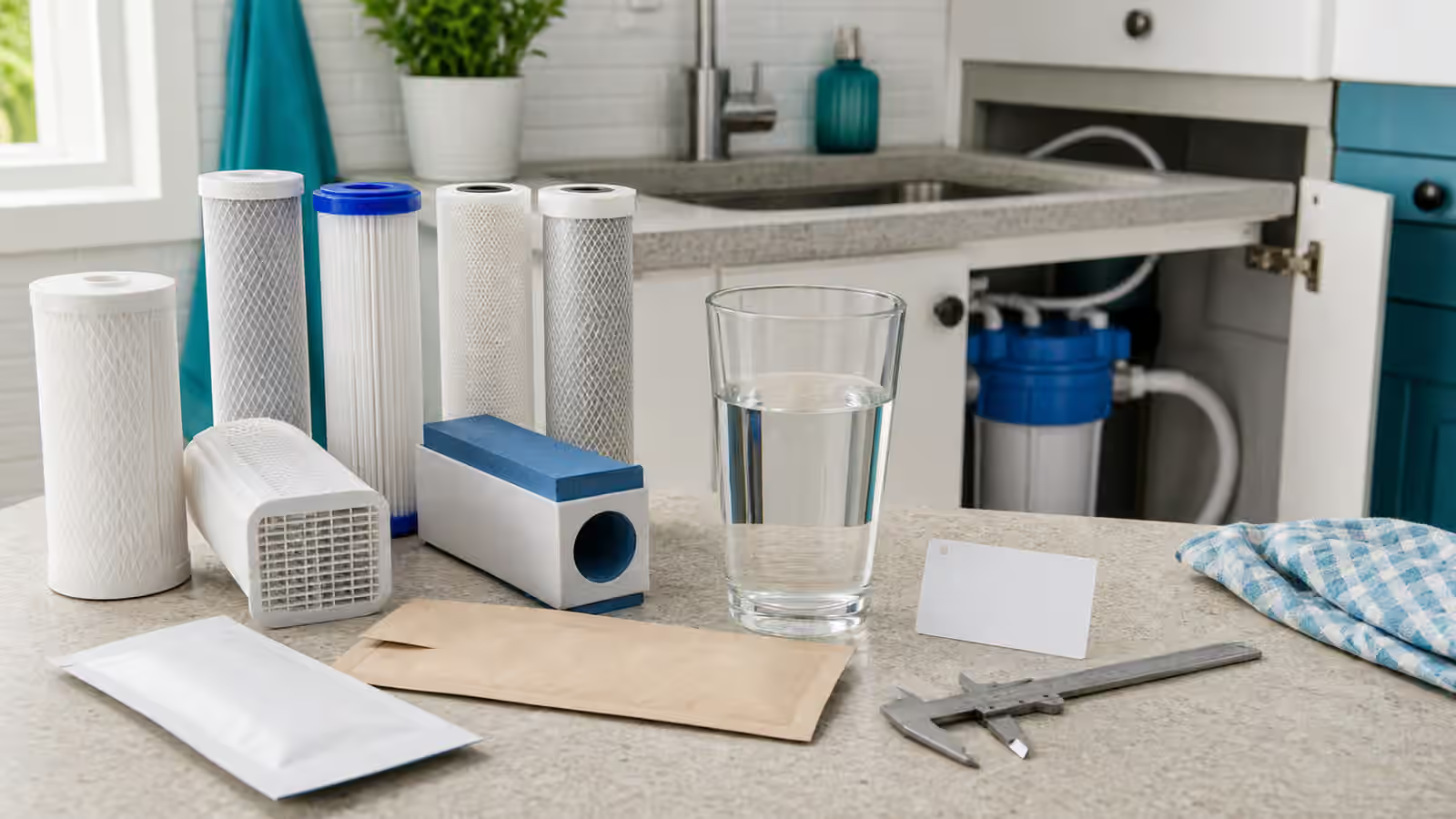
A replacement water filter can fit perfectly and still be the wrong evidence for the job. That is the uncomfortable truth behind the word “compatible.” In ordinary shopping language, compatible often means the cartridge twists into the refrigerator, slides into the pitcher, seals inside the housing, or connects to the under-sink head without leaking. In water treatment language, fit is only one requirement. The certified claim, cartridge material, capacity, flow rate, and installation conditions still have to match what the household is relying on. For background, see NSF — Standards for Water Treatment Systems .
Clear Water Lab helps with everyday water decisions, reports, testing, certification checks, and maintenance. It is not medical advice, legal advice, or a substitute for local boil-water notices, certified lab results, utility instructions, or health department guidance.
Fit is a plumbing fact, not a treatment claim
The simplest way to keep this straight is to separate the connector from the claim. A cartridge connector answers a mechanical question. Will it attach? Will it seal? Will water pass through the intended path? A certified reduction claim answers a different question. Was this exact product evaluated for this exact contaminant under a named standard and under stated conditions? Those questions can overlap, but they are not the same.
This distinction matters most when the household has chosen a filter for something more serious than taste. A refrigerator cartridge used mainly for chlorine taste may have a modest job, though it still deserves maintenance. A cartridge relied on for lead, PFAS, cyst reduction, VOC claims, or another health-related concern should not be replaced by a look-alike simply because the shape is familiar. The existing guide to NSF/ANSI filter certifications explains why standards are not rankings. This guide adds the replacement question: is the cartridge in your hand the same cartridge attached to the claim?
Look-alikes are common because filter housings create repeat purchases. The market rewards cartridges that appear familiar. Packaging can say it is made for a model family, designed as a replacement, or compatible with a long list of appliances. That may be enough for a purely mechanical spare part. It is not enough for a contaminant claim. When a product description says “compatible with” a certified system, ask whether the replacement itself is certified for the claim or only sized to fit equipment that once used a certified cartridge.
The model number is the anchor
The model number is not decorative. It is the anchor that lets you compare the manual, the certifier listing, the cartridge label, and the item being sold. A refrigerator may have one appliance model, one original cartridge model, several superseded cartridge numbers, and many third-party replacements. An under-sink system may have a filter head, a housing, and a cartridge with separate identifiers. A reverse osmosis system may have sediment prefilters, carbon prefilters, a membrane, a postfilter, and sometimes a remineralization cartridge. Each stage can carry a different job.
How to Verify a Water Filter Claim gives the stronger habit: match the exact product, standard, contaminant, cartridge, and capacity before treating a claim as evidence. For replacements, add one more check. Confirm that the replacement cartridge is named in the listing or in the manufacturer’s current documentation for the claim you care about. If a third-party cartridge publishes its own certification, verify that listing directly rather than borrowing confidence from the appliance brand.
Capacity is part of the same question. A replacement that fits may have a different rated life, flow, media amount, or preflush instruction. If the household keeps the old reminder interval while using a different cartridge, maintenance can drift away from the claim. Filter Replacement Schedules is the companion because a certified cartridge used beyond capacity is no longer living inside the conditions that made the claim useful.
Compatible cartridges can change taste and flow
Even when the stakes are mostly aesthetic, compatible cartridges can behave differently. A carbon cartridge with less media, different media, faster flow, or weaker sealing can change chlorine taste performance. A cartridge with poor flushing can release fines. A cartridge that restricts flow more than the original can make a refrigerator dispenser or under-sink faucet feel broken. A cartridge that restricts flow less may feel better at the tap while providing less contact time than the user expects.
None of this means every non-original cartridge is bad. It means the decision should be made with the same calm evidence used for any other water device. For taste and odor, Activated Carbon Filters explains why carbon is a material family rather than a universal promise. For refrigerator dispensers, Refrigerator Water Filters and Ice Makers explains why the appliance shine can hide ordinary maintenance problems. For under-sink systems, the cartridge also belongs inside a cabinet that needs leak checks, shutoff access, and enough space for replacement.
Flow changes deserve a plain comparison. If a new cartridge makes water trickle, confirm seating, bypass position, preflush steps, and model fit before blaming source water. If a different cartridge suddenly flows much faster than the original, ask whether that is a design difference or an indicator that water is not being forced through the intended media path. The tap experience is a clue, not a certification.
Keep the replacement record with the water record
A household water folder should include replacement details, not just the first system purchase. Save the product manual, exact cartridge model, certification evidence, installation date, expected replacement date, and any preflush instructions. If you choose a compatible cartridge, write down why it was acceptable. The reason might be verified certification, manufacturer documentation, a taste-only role, or a temporary convenience decision while waiting for the correct cartridge. The important part is that future you can tell the difference.
This is especially helpful in shared households and rental situations. One person may buy the original system, another may order refills, and a third may reset an indicator light. Without a visible record, the system can look maintained while the cartridge identity changes silently. A small label inside the cabinet or on the fridge filter page of the household notebook can prevent that drift.
The safe shopping habit is slower than the one-click replacement habit, but it is still simple. Treat shape as the first screen, not the final answer. Match the exact cartridge to the exact job. Verify any health-related claim through a listing or documentation you can trace. Keep capacity and replacement timing attached to the cartridge you actually installed. A filter that fits is convenient. A filter that fits the evidence is the one that belongs in the water plan.