Coffee and tea make water obvious. Chlorine, hardness, alkalinity, stale storage, and old filters can flatten aroma or change extraction. But brewing water is mostly a taste and repeatability question. Do not confuse better flavor with proof that a contaminant concern has been handled. For background, see EPA — Home Drinking Water Testing .
Clear Water Lab helps with everyday water decisions, reports, testing, certification checks, and maintenance. It is not medical advice, legal advice, or a substitute for local boil-water notices, certified lab results, utility instructions, or health department guidance.
Brewing makes invisible water habits visible
Coffee and tea are sensitive enough to turn water into flavor. A small amount of chlorine can flatten aroma. Very hard water can make a kettle crust over and pull extraction in a dull, chalky direction. Very low-mineral water can feel thin, especially with some coffees and teas that need structure to taste complete. None of those observations prove a health concern, but they do make the water routine easier to notice.
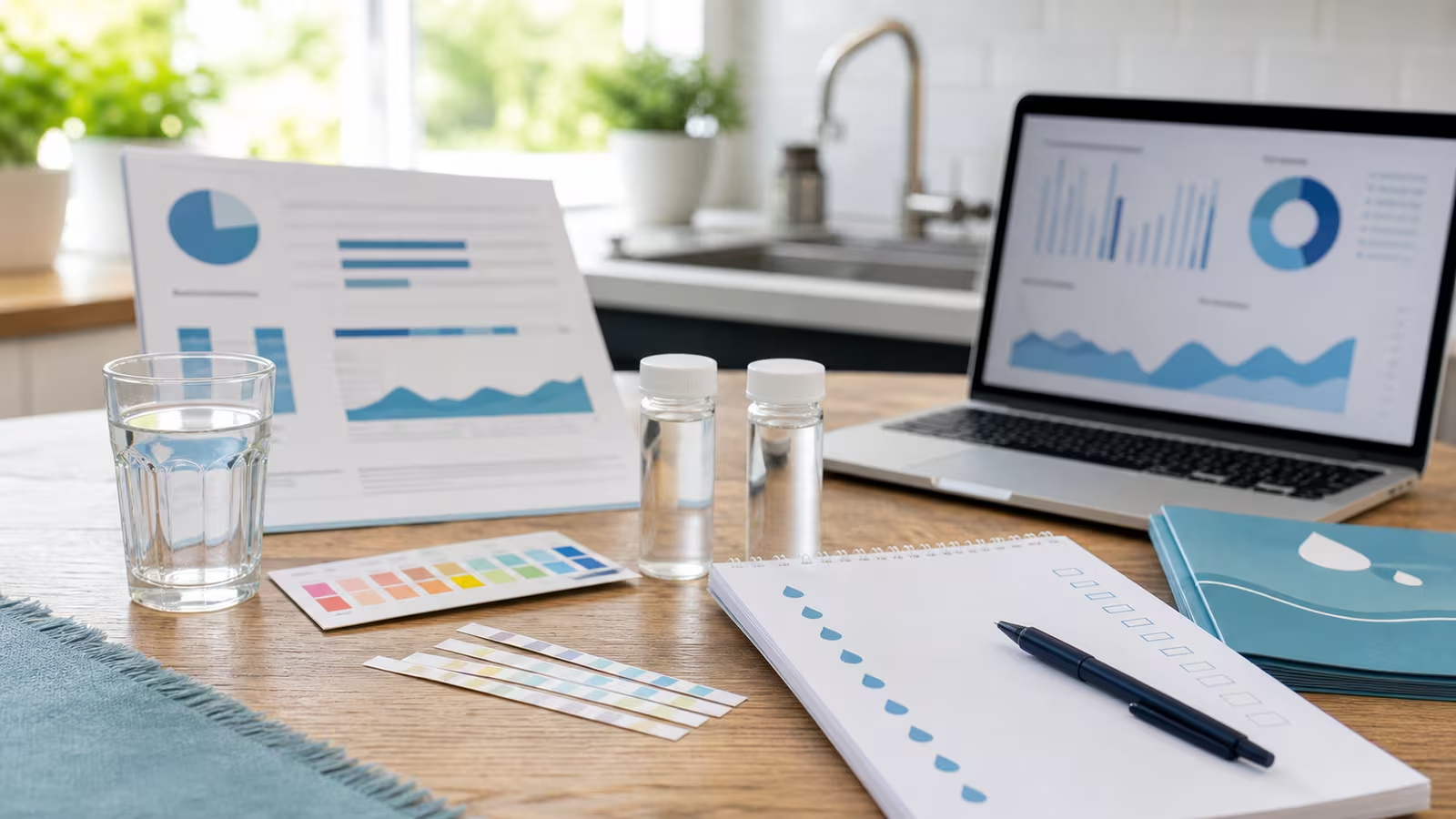
The best brewing-water experiment is humble. Do not change beans, tea leaves, grind, dose, temperature, and water on the same day. Brew one familiar cup with your usual water and one with a controlled change, such as a maintained carbon filter or a known bottled water. Write down aroma, bitterness, brightness, sweetness, scale, and mouthfeel. You are not trying to build a laboratory profile in one morning. You are trying to hear what the water is doing.
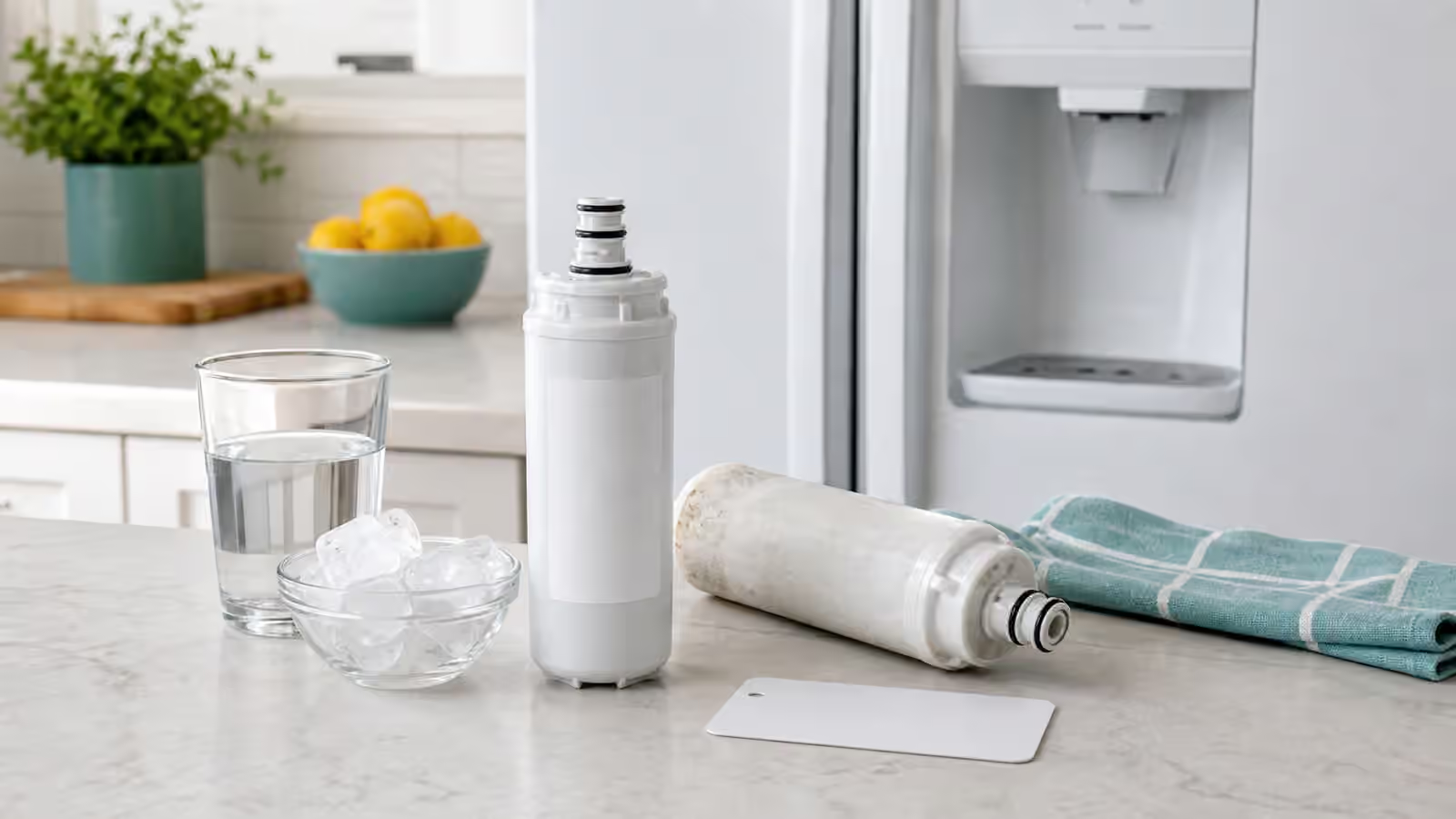
This is also where maintenance shows up in the cup. A carbon cartridge near the end of its life may let chlorine taste creep back in. A kettle with scale may heat less evenly and distract from taste. A refrigerator filter may be old enough that the water tastes stale even if the tap itself is not the problem. Brewing gives fast feedback, but the response should still be organized.
What this helps you decide
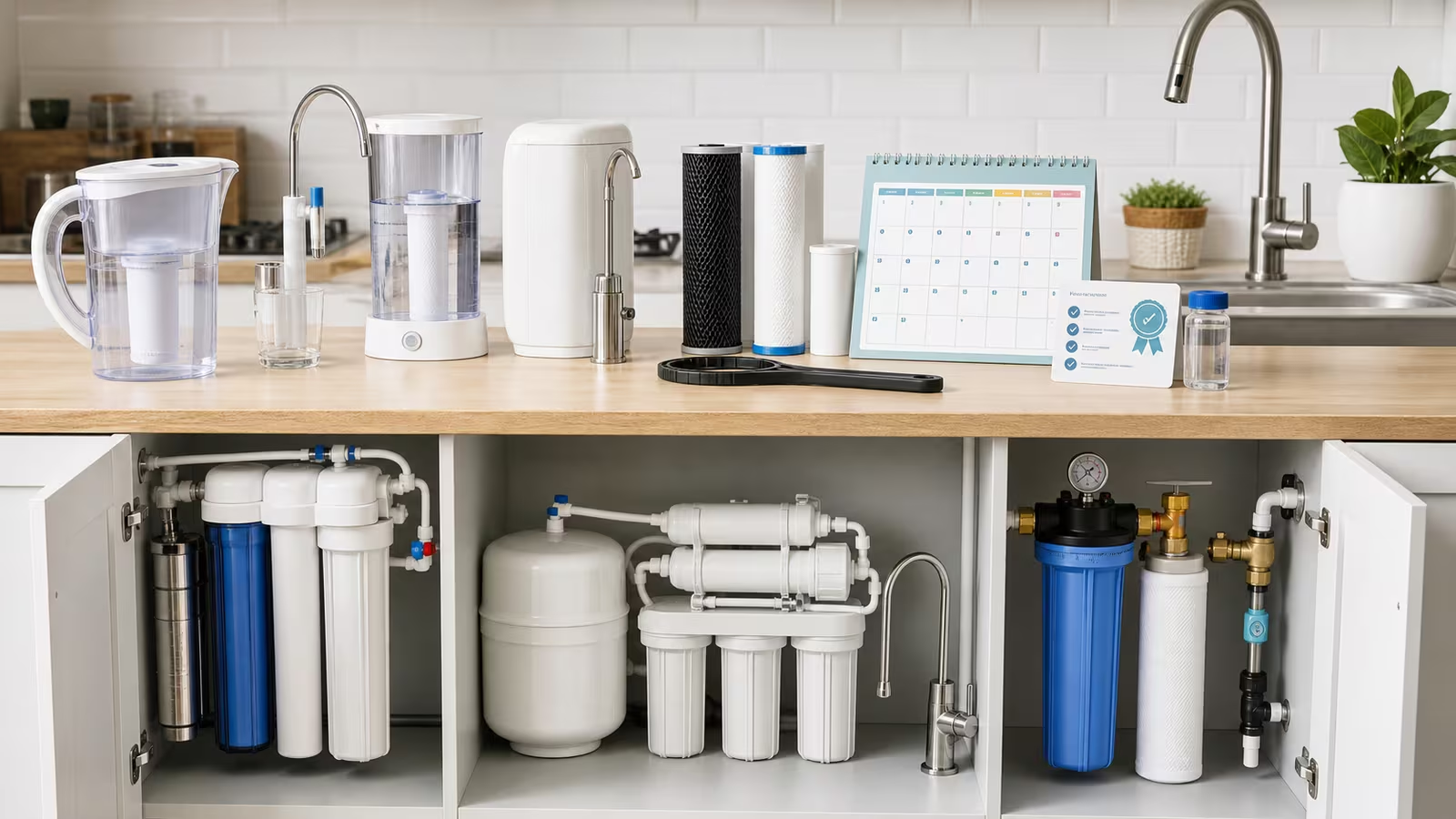
This helps you decide when to use carbon, RO plus remineralization, bottled water, or simple record-keeping for brewing quality.
Plain definitions
| Term | Plain meaning |
|---|---|
| Hardness | Calcium and magnesium minerals that can affect scale and extraction. |
| Alkalinity | Water buffering capacity that can soften or mute acidity in coffee and tea. |
| Remineralization | Adding minerals back to very low-mineral water for flavor or equipment reasons. |
Decision criteria
| Question | Useful next move |
|---|---|
| Chlorine taste | A carbon filter may improve flavor if maintained and certified for taste and odor. |
| Hard scale in kettle | Hardness is likely part of the story. Descale and test before buying complex gear. |
| RO water tastes flat | Very low mineral water may need minerals for better brewing flavor. |
| Health concern | Move from taste optimization to report, lab, and certified reduction claims. |
Common mistakes
- Using coffee flavor rules as drinking-water safety rules.
- Chasing mineral recipes before replacing an exhausted cartridge.
- Using very hard water in appliances without descaling or maintenance.
- Changing water, grind, temperature, and recipe all at once.
Try this next
- Brew one cup with current tap water and one with filtered water, changing nothing else.
- Write down taste, scale, smell, and filter age.
- For RO, decide whether minerals need to be added back for brewing.
- Read the companion guides at Coffee Mastery and Tea House .
Safety and source check
Flavor improvement is not contaminant verification. If the concern is lead, PFAS, nitrate, arsenic, bacteria, or a public advisory, use the relevant Clear Water Lab guides.
Related Fondsites path
Keep flavor separate from safety
It is tempting to treat a better cup as proof that the water has been made better in every sense. Resist that shortcut. A filter that improves chlorine taste may not be certified for lead. A mineral recipe that makes espresso vivid does not answer a PFAS concern. A kettle that stops scaling after softening does not mean every drinking-water question is settled. Brewing water and contaminant treatment overlap in equipment, but not always in purpose.
For taste-only work, a maintained carbon filter, a different source, or careful remineralization can be reasonable. For equipment protection, hardness testing and descaling routines matter. For health-effect concerns, move back to reports, lab tests, and verified reduction claims. The same glass of water can sit in more than one category, so name the category before choosing the tool.
RO deserves special care in brewing conversations. It can be useful when a certified RO system matches a contaminant concern, and it can provide a blanker starting point for mineral control. But straight RO water may taste flat in coffee or tea, and very low-mineral water may not be ideal for every appliance or recipe. If you use RO for brewing, decide whether remineralization is part of the system rather than treating it as a small aesthetic afterthought.
The goal is repeatable pleasure without false confidence. Good brewing water should make the morning clearer, not muddier. Keep a small log, maintain the filters you use, descale the gear that needs it, and let official water-quality questions stay official. A beautiful cup is a reward, not a lab result.
If you keep only one habit, keep a water note beside your coffee or tea recipe. The same beans or leaves can taste different after a cartridge change, a seasonal source shift, a descaling cycle, or a move to a harder apartment supply. A few dated words make those changes easier to understand without turning breakfast into a chemistry project.