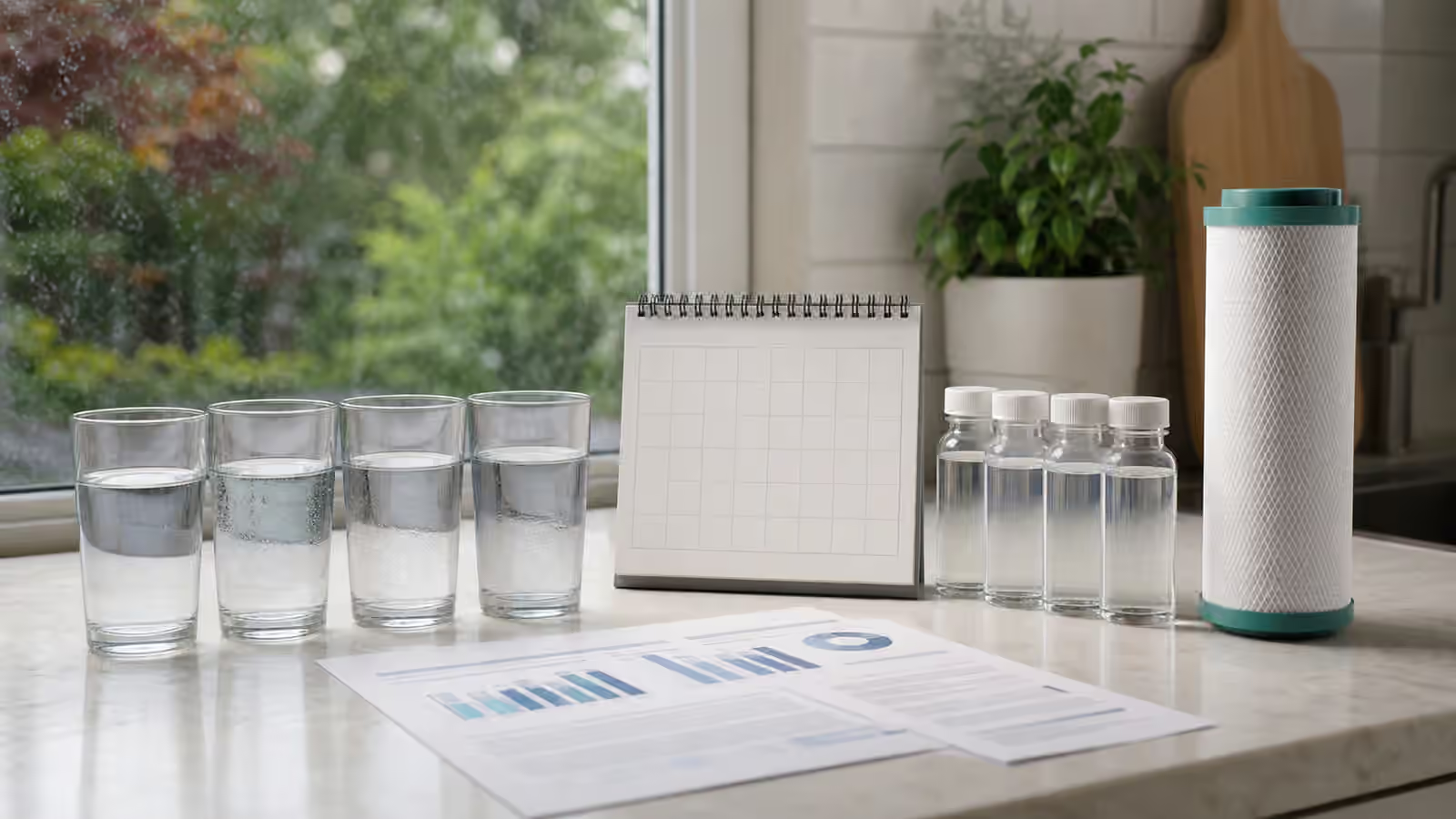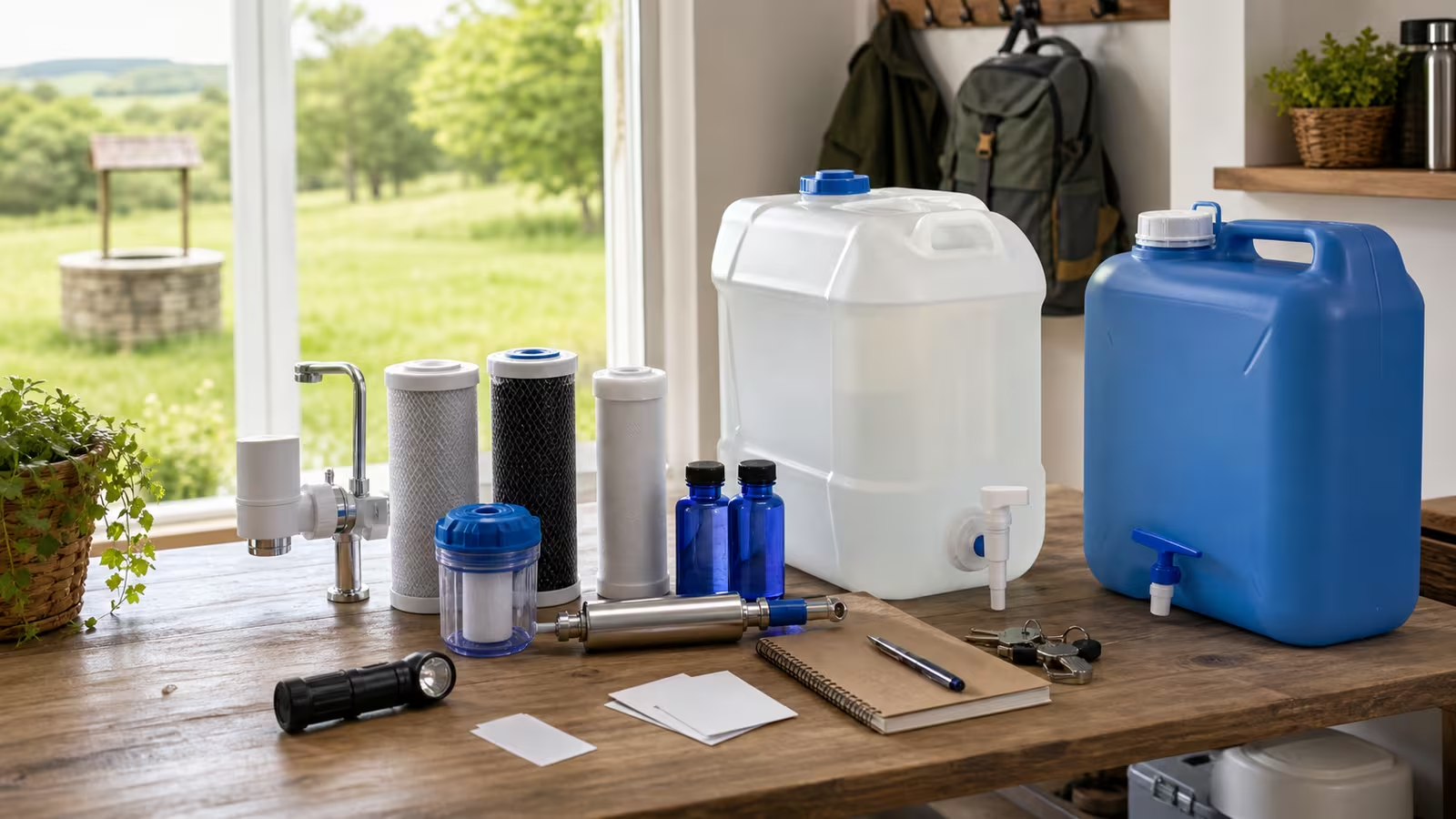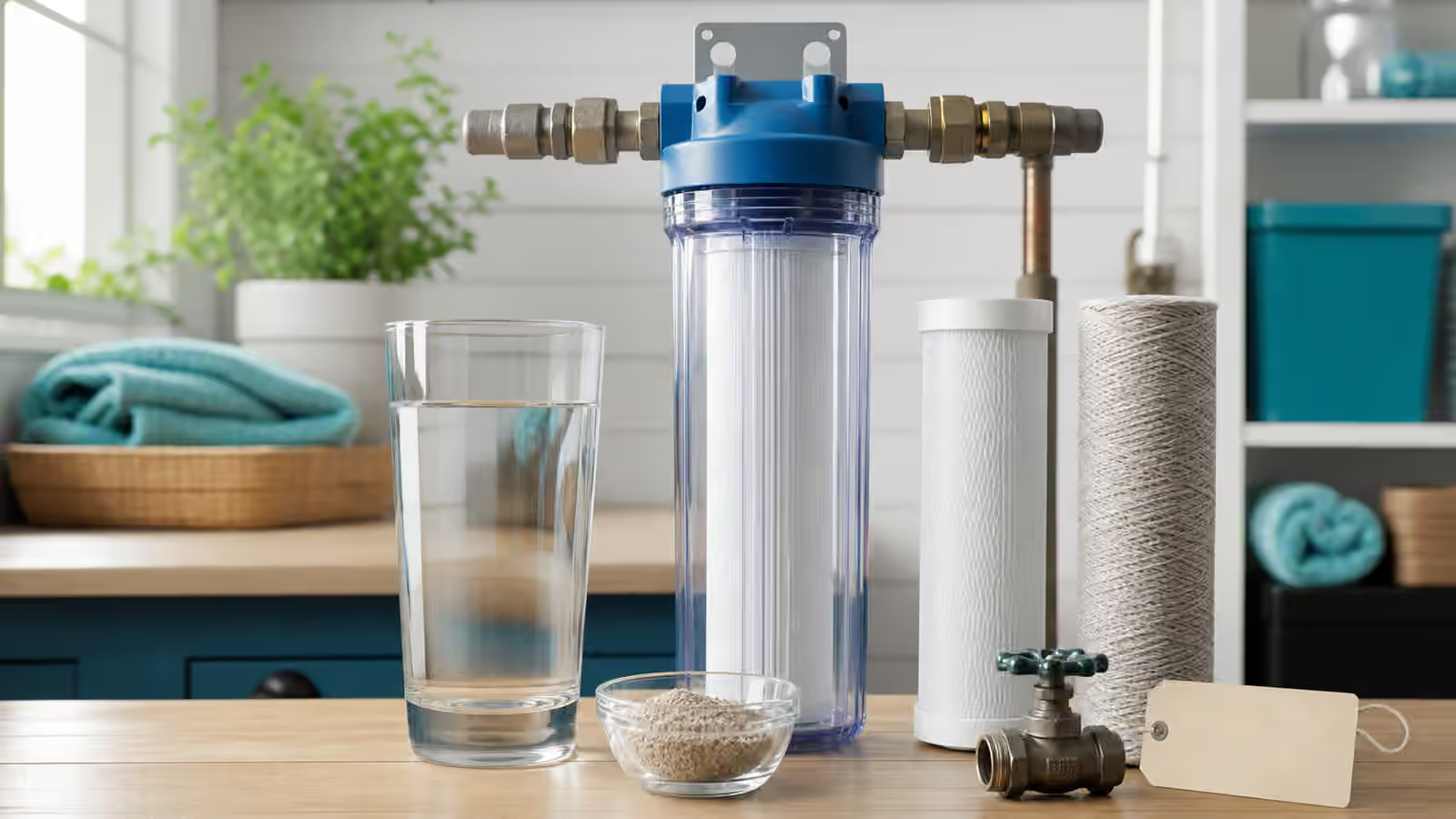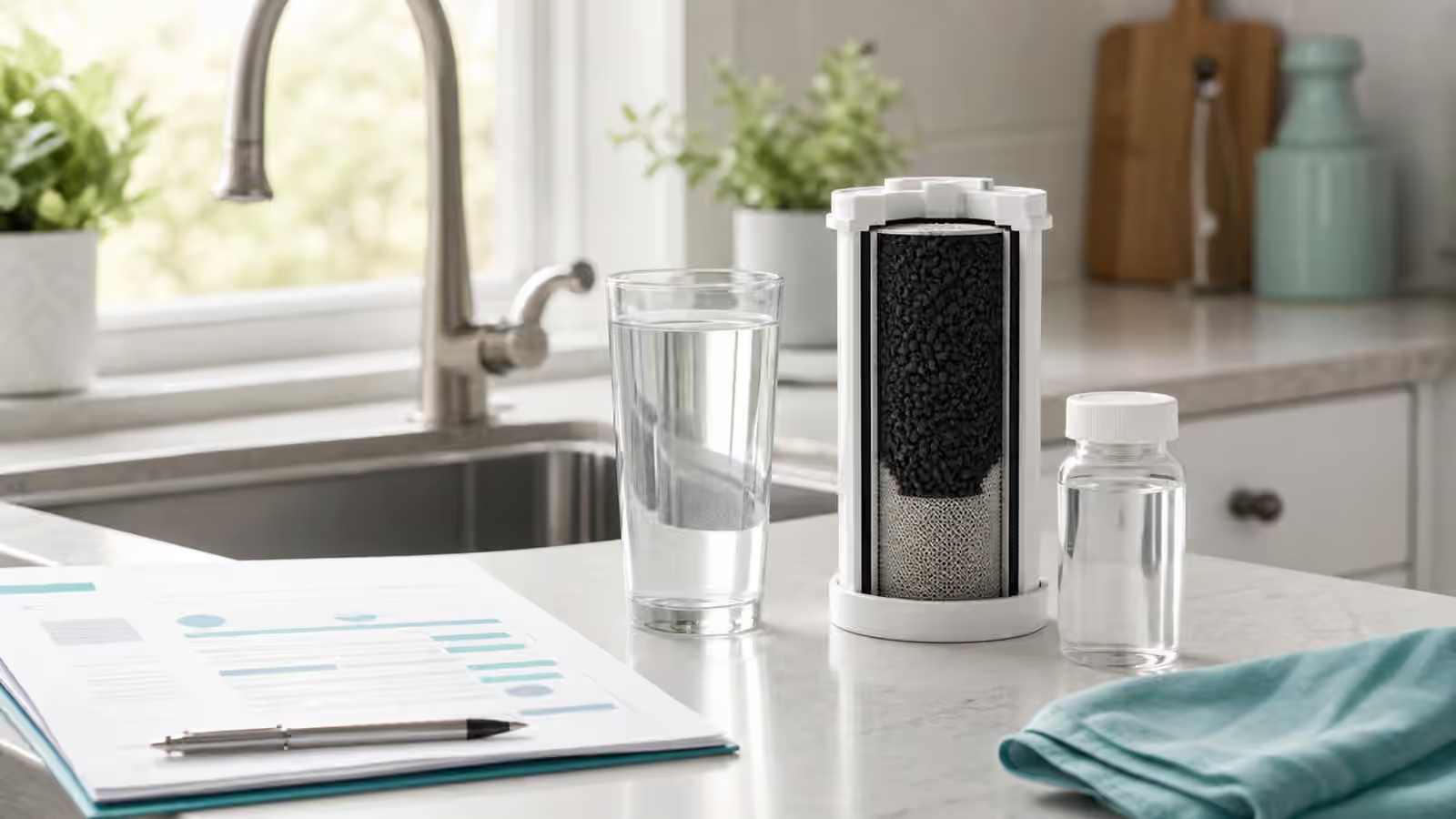
Chlorine and chloramine are easy to notice because they announce themselves at the sink. A treated smell can make water feel less fresh, even when the issue is mostly taste. The better question is not whether the water smells like a pool. The better question is what disinfectant your system uses, whether the smell changed, and whether the filter you are considering has the right claim for that specific job. For background, see EPA — Secondary Drinking Water Standards: Guidance for Nuisance Chemicals .
Clear Water Lab helps with everyday water decisions, reports, testing, certification checks, and maintenance. It is not medical advice, legal advice, or a substitute for local boil-water notices, certified lab results, utility instructions, or health department guidance.
Treated smell is a clue, not a verdict
A chlorine note in tap water is often strongest when water first leaves the faucet, when a utility adjusts treatment, or when water has been sitting in building plumbing. Some households notice it most in a bathroom sink. Others notice it in ice, tea, coffee, or a glass filled from a refrigerator dispenser. The smell can be annoying without proving that the water is unsafe, and the absence of smell does not prove that every other concern is solved. Treated taste belongs in the same evidence path as any other water clue.
That evidence path starts with source and context. If you use a public water system, the utility report and public notices are the right first documents. How to Read Your Water Quality Report Without Getting Lost explains how those reports name the system, sampling period, detected substances, and violations. They can also tell you which disinfectant practice is being used or point you to utility material that does. If the taste suddenly changes across the home, a utility call may be more useful than a filter purchase because distribution work, flushing, seasonal changes, or a local incident can all change what reaches the tap.
Private wells are different. A private well is not normally disinfected by a public utility before it reaches the house, so a chlorine smell may come from a shock chlorination, a treatment device, a storage tank, or another household action. That makes the question more local and more mechanical. The well owner has to know what equipment is installed, when it was serviced, and what the latest test results say. The private-well frame from City Water vs Well Water matters here because responsibility shifts as the source changes.
Chlorine and chloramine are not the same filter problem
Free chlorine tends to dissipate more readily than chloramine. That is why a pitcher, open container, or short standing time may reduce some chlorine smell in certain circumstances, while chloramine often behaves more stubbornly. This is one reason households get frustrated after buying a simple taste filter. The water may still taste treated because the product was not designed, certified, sized, or maintained for the disinfectant actually present.
Activated carbon is the everyday treatment media most people associate with chlorine taste. It can be very useful when the product has the right aesthetic claim, enough contact time, and a cartridge that is replaced before its rated capacity is exceeded. The detailed carbon guide, Activated Carbon Filters: Taste, Odor, Chlorine, VOCs, and Limits , is the natural companion because carbon is not one universal material doing one universal job. Carbon type, block density, flow rate, cartridge size, and certification all matter.
Chloramine reduction can require more careful matching. Some filters are marketed with treated-water language that sounds broad but only covers chlorine taste and odor under a specific standard. A household that knows its utility uses chloramine should not assume any carbon cartridge will perform the same way. The model listing needs to be checked, not guessed from the front of the box. How to Verify a Water Filter Claim on NSF, WQA, or IAPMO shows the habit: find the exact model, exact standard, exact claim, cartridge identity, and capacity.
Reports, notices, and taste notes belong together
A useful treated-water note is short. Write the date, faucet, whether the taste is strongest hot or cold, whether it appears throughout the home, and whether any filter or softener was recently changed. Add the name of the public water system if you know it. Then compare that note with the water report, utility notices, and any household maintenance. This is slower than blaming the glass, but it keeps the decision grounded.
Taste alone can be misleading. A person may describe the same water as chlorine, chemical, plastic, medicinal, pool-like, or flat. Those words are useful starting points, but they do not identify a contaminant by themselves. Why Your Water Tastes Like Chlorine, Metal, Dirt, Eggs, or Plastic keeps those clues separated. A chlorine-like note might come from disinfectant residual, a filter that is past its useful life, new plumbing materials, refrigerator tubing, a stale container, or a tap that has not been used in a while.
Sudden changes deserve more attention than familiar background taste. If the water has a new strong odor, unusual color, sediment, pressure change, or official notice, do not treat a carbon filter as the whole answer. Follow local instructions first. Filters are selected after the situation is understood. This is especially important when a notice says to boil water, avoid drinking, flush plumbing, or use alternate water for certain purposes. A household filter should not be used as private permission to ignore public guidance.
What a filter can reasonably promise
For ordinary taste improvement, a certified carbon filter can make water more pleasant. That is a real benefit. Better-tasting water is easier to drink, easier to brew with, and less likely to push a household toward wasteful bottled-water habits. The claim still has boundaries. A filter that reduces chlorine taste and odor is not automatically a lead filter, PFAS filter, nitrate filter, arsenic filter, microplastics filter, or microbiological treatment system.
Maintenance is part of the promise. A small faucet or pitcher cartridge may perform well at first and then lose usefulness as capacity is used up. A larger under-sink cartridge may last longer but still needs a date, replacement plan, and leak check. If the household chooses a filter mainly for disinfectant taste, it should still follow the same maintenance discipline described in Filter Replacement Schedules . Taste returning before the scheduled date can be a clue that actual use, flow, or water chemistry does not match the assumption.
Flow matters too. Water that moves too quickly through media may not receive the contact time the product expects. That is one reason refrigerator dispensers, faucet mounts, pitchers, and under-sink systems feel different in daily use. The best product on paper may be wrong for a household that needs to fill large bottles quickly, or for a sink where slow flow will make people bypass the filter. A modest filter used correctly is better than a more impressive one everyone avoids.
The calm decision is to name the disinfectant, verify the claim, and keep expectations narrow. If the issue is treated taste, buy for treated taste. If the concern is lead, PFAS, nitrates, microbes, or private-well contamination, follow the evidence for that concern instead. Chlorine and chloramine are noticeable, but they should not pull every water decision into the same bucket. They are one clue in a larger water route.