Water can look different after plumbing work even when nothing mysterious has happened. A shutoff closes, a valve opens, a faucet is replaced, a cartridge housing is disturbed, a water heater is serviced, or a utility repair changes pressure in the street. Material that was sitting quietly in a line can move. Air can enter. A new fixture can contribute a taste for a short time. The right response is not to panic or ignore it. The right response is to compare, flush thoughtfully, clean the small parts, and know when official or professional guidance has priority. For background, see EPA — Home Drinking Water Testing .
Clear Water Lab helps with everyday water decisions, reports, testing, certification checks, and maintenance. It is not medical advice, legal advice, or a substitute for local boil-water notices, certified lab results, utility instructions, or health department guidance.
Disturbance changes the clues
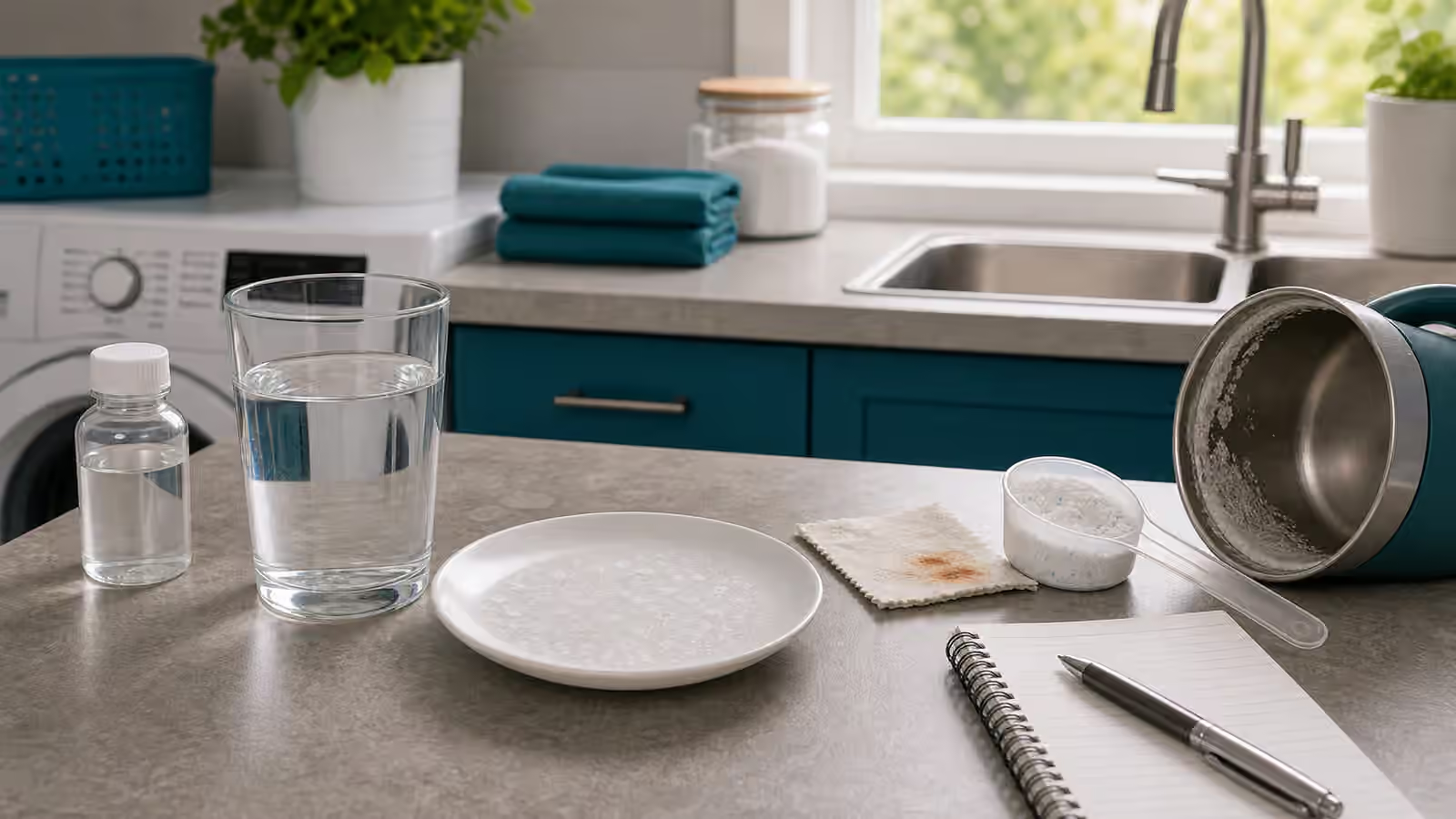
Most household water observations are interpreted against a normal baseline. After plumbing work, that baseline is temporarily interrupted. A new faucet, shutoff valve, supply line, filter cartridge, pressure change, or drained heater can create short-lived clues that would mean something different on an ordinary day. Cloudiness may be air. Fine dark specks may come from a worn washer or carbon fines after a cartridge change. Rust-colored water may come from disturbed pipe scale. A plastic note may come from new tubing. The clue matters, but the timing matters just as much.
Start by naming the work. Was the cold line shut off under one sink, or was water off to the whole home? Did the plumber work only on the hot side? Did the utility repair a main nearby? Did you replace a refrigerator cartridge, under-sink carbon block, reverse osmosis membrane, showerhead, or aerator? A precise note prevents overreaction. It also helps if you need to call a plumber, utility, landlord, or product support line later.
If an official notice is involved, household troubleshooting moves to the background. A boil-water advisory, do-not-drink notice, pressure-loss notice, or post-repair flushing instruction from a utility should be followed as written. Emergency Water Basics explains why filters do not privately cancel public instructions. The home routine resumes only after the official path says it can.
Compare taps before blaming the source
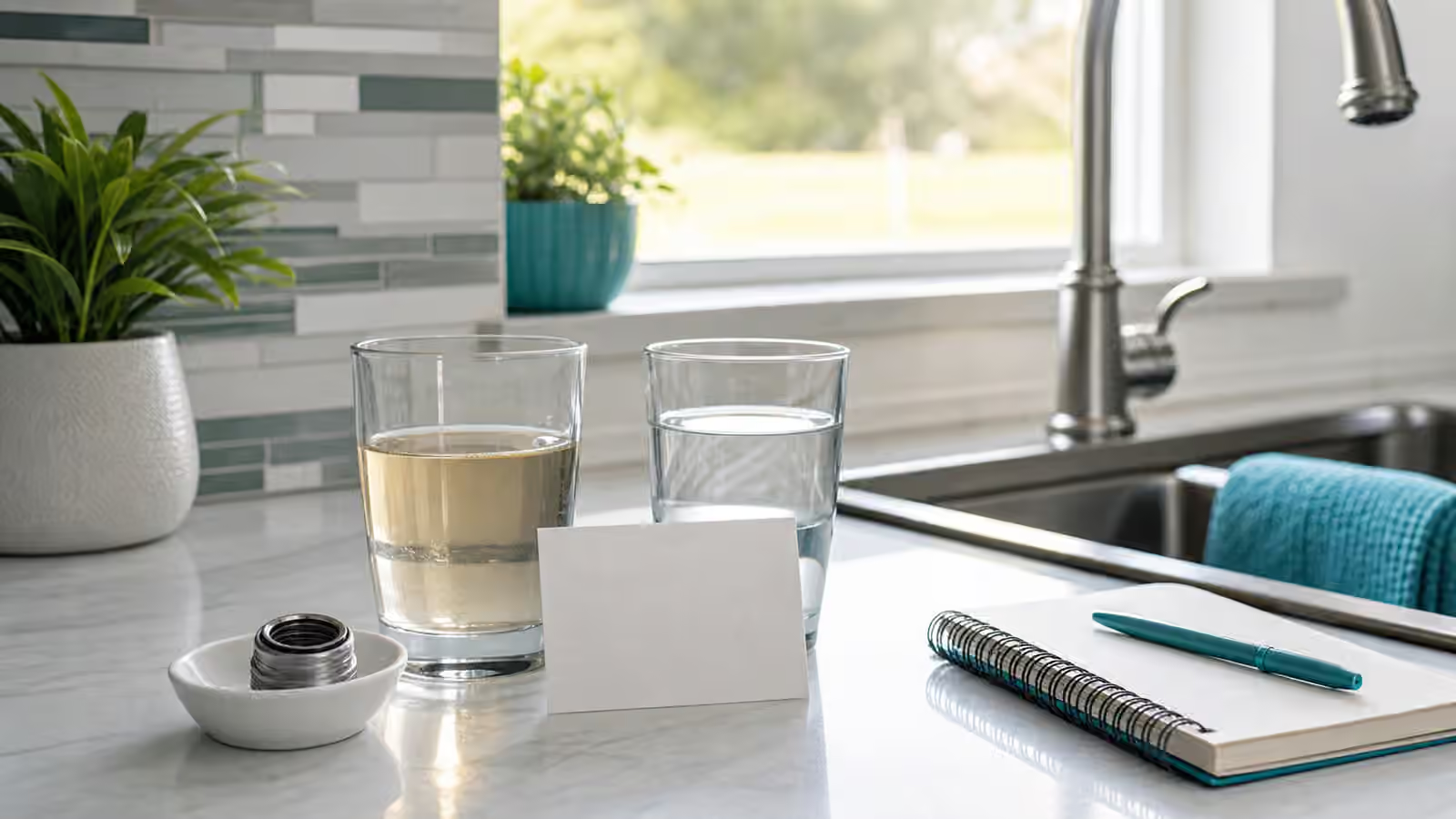
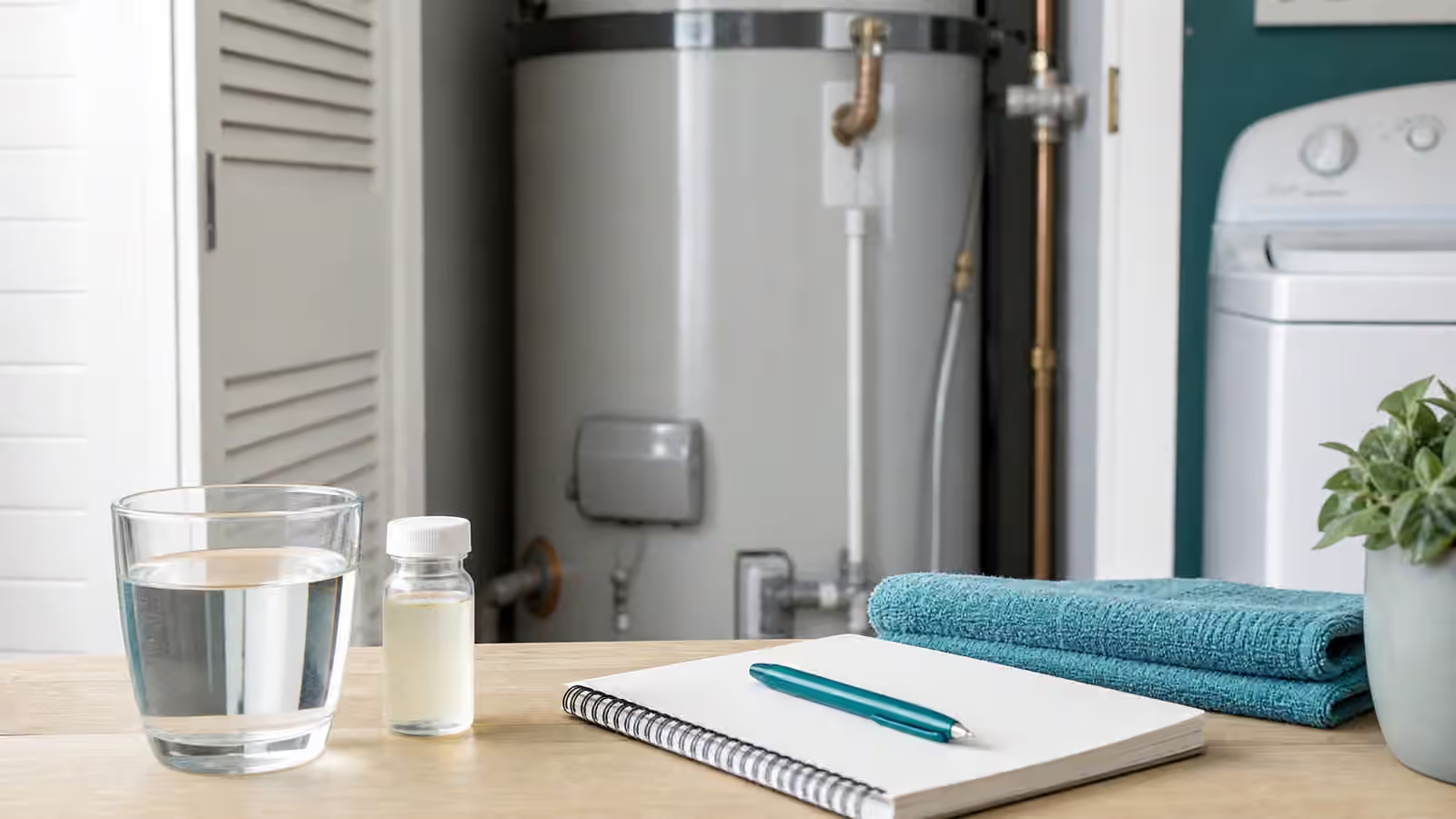
The simplest check is a cold-water comparison. Use a clear glass and compare the worked-on faucet with another cold tap that was not disturbed. If only one sink shows particles, odor, or odd flow, the local fixture, aerator, supply line, or branch may be the starting point. If every cold tap shows the same change, the event may be upstream of one fixture. If only hot water looks or smells different, the water heater route deserves its own attention through Hot Tap Water and Water Heaters .
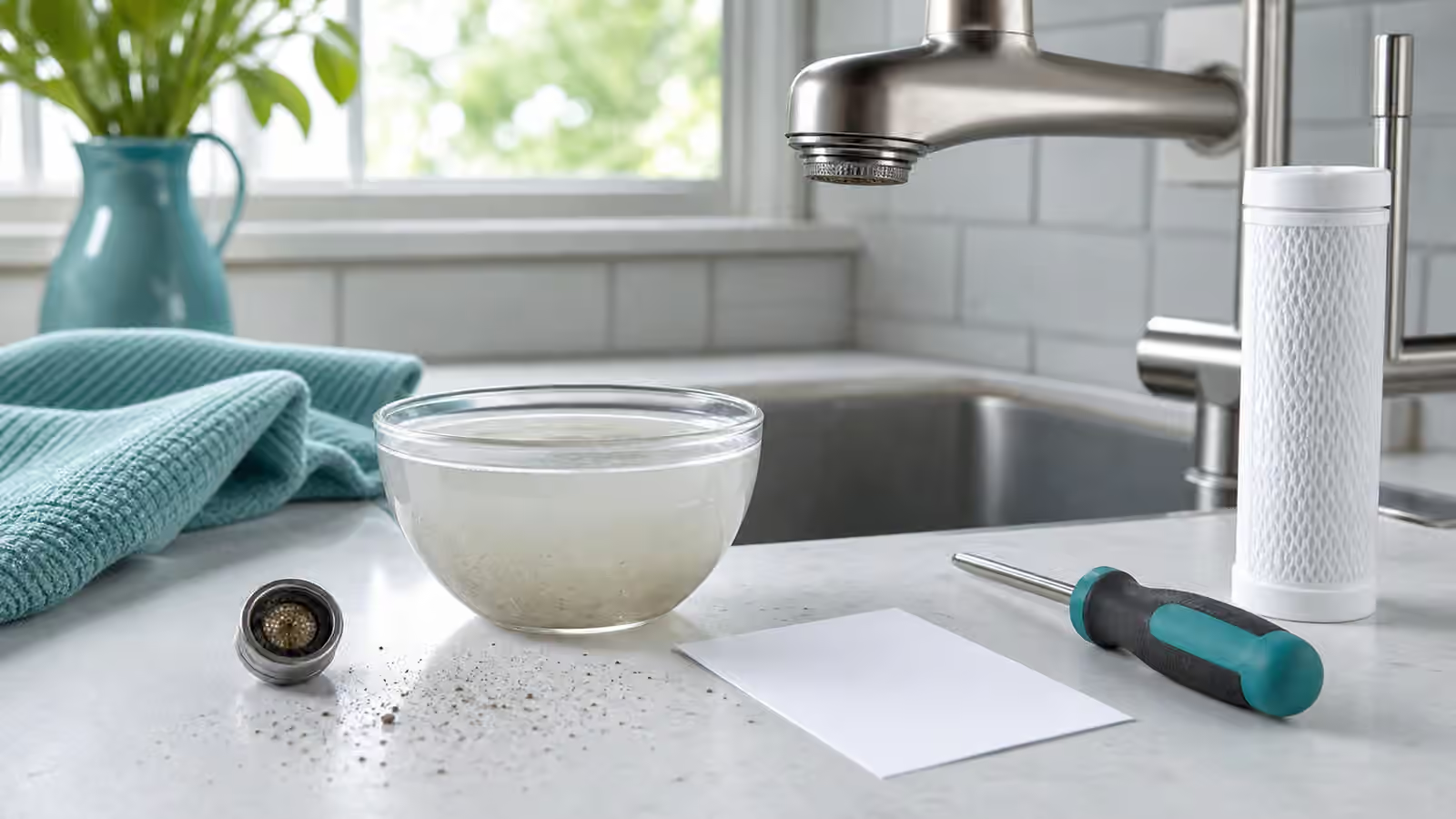
Aerators deserve a look after many repairs. A faucet screen can trap grains of pipe scale, solder crumbs, rubber fragments, carbon fines, or mineral chips. Cleaning the aerator does not diagnose the whole home, but it often explains poor flow or visible grit at one fixture. Faucet Aerators and Fixtures gives a fuller path for interpreting what a small screen catches.
Compare timing too. A cloudy burst that clears from the bottom upward may be air. Grit that appears only in the first few seconds may be local disturbance. Particles that continue for a long time, return repeatedly, or appear throughout the home deserve more care. The guide to Sediment, Rust, and Cloudy Water helps separate air, minerals, rust, sediment, and pressure-related clues without turning every glass into a lab result.
Flush with a reason
Flushing is not one universal ritual. The right tap, order, duration, and device bypass depend on the work. A new faucet may need the aerator removed before flushing so trapped debris does not clog it immediately. A new cartridge may need priming or flushing exactly as the manufacturer describes. A water heater repair may involve hot-side instructions from the technician. A utility main repair may come with public instructions that name which taps to run and whether to clean aerators afterward.
Do not invent aggressive flushing around a test that requires a specific sampling method. A first-draw lead sample, for example, is designed around stagnation and contact time. If you flush first, you may erase the condition the test is meant to measure. Stagnant Tap Water explains why first draws and flushing are different tools. After plumbing work, it is especially important to know which tool you are using.
Filters also need care after disturbance. A cartridge change can release harmless-looking fines that still need the specified flush. A housing that was opened can leak later if the O-ring is pinched or the sump is not seated correctly. An under-sink system may seem fine at first and drip after the cabinet door is closed. Check again after the first hour and the next day. Under-Sink Water Filter Planning is written for installation planning, but its leak and access lessons apply after maintenance too.
Know when the observation is not enough
Some post-work clues should move beyond household interpretation. A strong fuel, solvent, sewage, or chemical odor is not a taste-filter problem. Persistent discolored water after a utility event should be handled through the utility or local instructions. A private well after flooding, repair, disinfection, or pressure loss may need local health guidance and lab testing before normal use. For well owners, Nitrates, Arsenic, and Private Wells keeps the emphasis on certified lab evidence rather than kitchen-counter guesses.
Lead-aware households should be cautious after work that disturbs old plumbing. Replacing a faucet, disturbing a service line, changing valves, or altering pipe sections can change what reaches the tap for a while. That does not mean every repair creates a crisis, but it does mean sampling instructions, local service-line records, and certified treatment claims matter more than reassurance from taste. Lead in Drinking Water is the better guide when the concern is old plumbing, not general clarity.
The useful closeout is plain. Write down the date, work performed, taps affected, initial clues, flushing performed, filters changed, leaks checked, and whether the condition resolved. Keep photos of model numbers and cartridge packaging. If the same symptom returns weeks later, that small note will save time. Plumbing work can make water temporarily unfamiliar. A careful check turns it back into evidence instead of a story built from one surprising glass.