Low-pH water can make a private well feel like a chemistry problem hiding inside the plumbing. The number on a strip or lab report may look simple, but the household signs are usually more concrete: blue-green stains near copper, metallic taste after water sits, pinhole leak concerns, fixture marks that return after cleaning, or treatment equipment that behaves differently than expected. An acid-neutralizer filter can be part of the answer in some homes, but it should not be treated as a magic tank that makes every water question disappear. For background, see NSF — Standards for Water Treatment Systems .
Clear Water Lab helps with everyday water decisions, reports, testing, certification checks, and maintenance. It is not medical advice, legal advice, or a substitute for local boil-water notices, certified lab results, utility instructions, or health department guidance.
Low pH is a system clue
pH describes one condition of the water, not the whole water. That distinction matters because a low reading does not identify every contaminant, explain every stain, or tell you which tank to buy. It does, however, suggest that the water may interact with plumbing differently from more buffered water. In a private well home, that can make pH an important part of the corrosion conversation.
Tap Water pH explains why pH belongs beside alkalinity, hardness, dissolved minerals, plumbing materials, stagnation, and temperature. Acid-neutralizer filters sit inside that broader picture. They are not usually chosen because a single kitchen strip looked a little low one afternoon. They are considered when repeated testing and physical clues point toward water that needs pH adjustment before it keeps moving through the building.
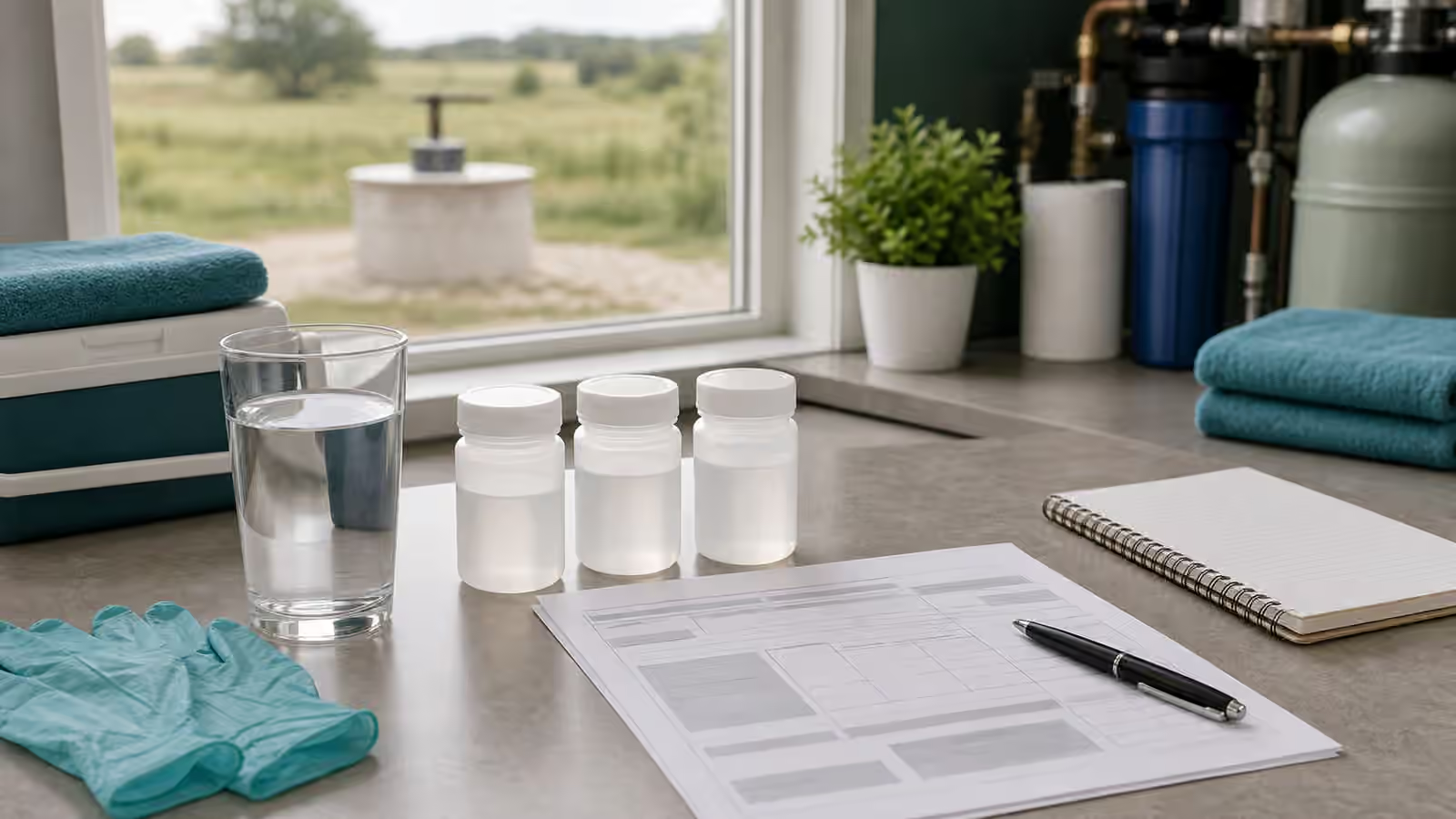
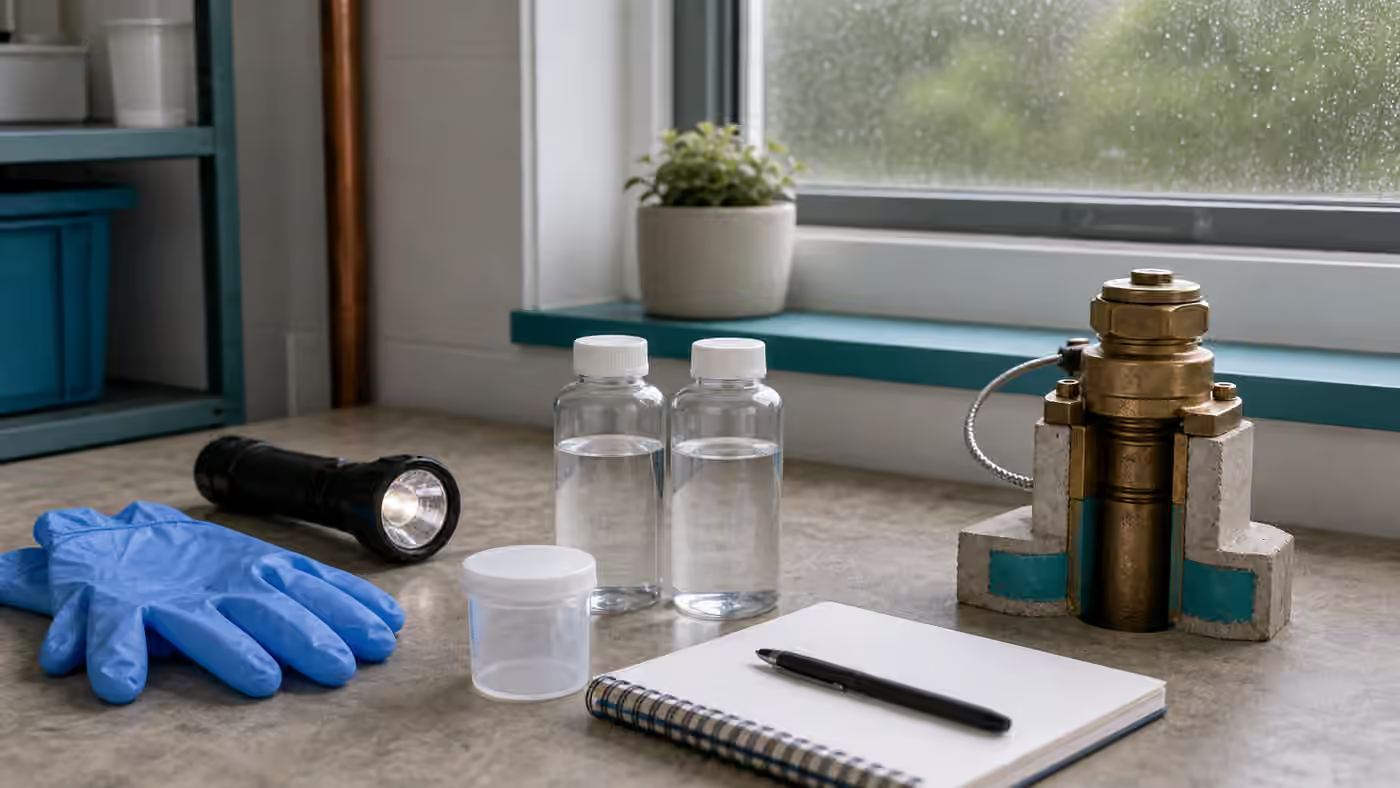
The sample point is important. Raw well water before treatment is not the same as water after a softener, sediment filter, pressure tank, neutralizer, or under-sink device. Hot water is not the same as cold water. First-draw water after sitting in copper plumbing is not the same as flushed water from the well line. If the household mixes those samples together in memory, the neutralizer decision becomes guesswork.
What a neutralizer is trying to do
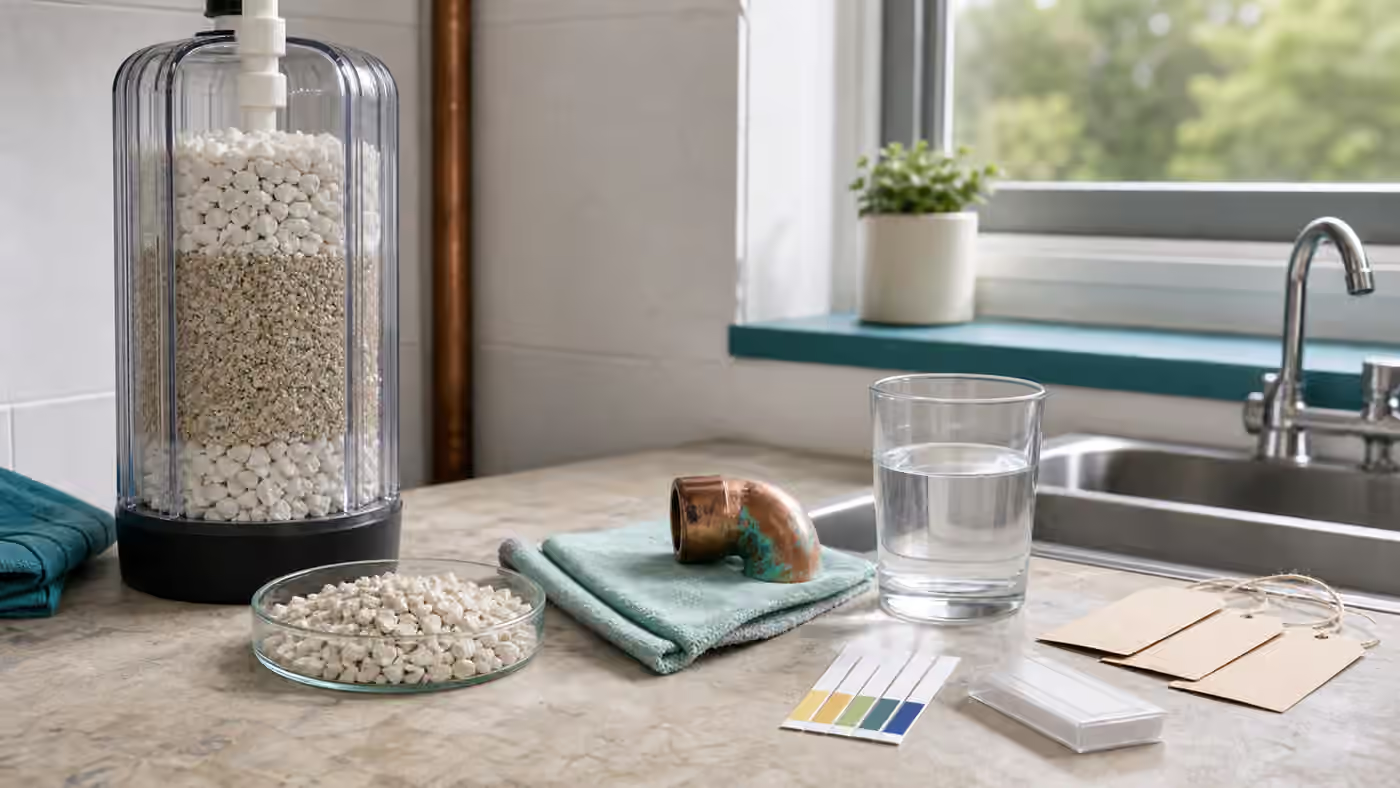
Many residential acid-neutralizer systems use calcite or related mineral media to raise pH as water passes through the tank. The practical idea is simple: the water dissolves some media, which changes the water chemistry before it reaches downstream plumbing. The household version of that sentence sounds tidy, but the real installation has tradeoffs. The tank must be sized for flow, the media bed must be maintained, pressure drop must be acceptable, and the changed water may carry more hardness than before.
That last point surprises people. A neutralizer can make corrosive behavior less severe while also adding minerals that contribute to scale. A household may solve one problem and create a different maintenance burden in kettles, heaters, fixtures, or downstream filters. That does not make the neutralizer wrong. It means the water route has changed, and the rest of the route should be reconsidered. Hard Water vs Bad Water is useful here because scale and safety are different categories.
Some systems use chemical feed rather than a simple calcite tank. Some combine pH correction with sediment control, softening, iron treatment, or UV. Those combinations belong in a designed sequence, especially on private wells. Water Treatment Stage Order is the companion guide because a neutralizer placed in the wrong sequence can make later equipment work harder or make troubleshooting harder.
Corrosion clues still need testing
Blue-green staining often sends people straight to low pH, but stains should be treated as evidence, not a final diagnosis. Copper corrosion can involve pH, alkalinity, dissolved oxygen, temperature, flow velocity, grounding, pipe age, solder, stagnant water, and other chemistry. A low pH result makes corrosion more plausible, but it does not eliminate the need to test for copper or other metals when the concern is serious.
Copper Pipes and Blue-Green Stains gives the better habit: compare locations, timing, and first-draw versus flushed water before assigning blame. If staining is isolated to one faucet, the local fixture may matter. If it appears throughout the home, source chemistry or building plumbing deserves a broader look. If hot water behaves differently, the water heater joins the story.
A neutralizer can reduce one driver of corrosive conditions, but it does not remove copper that has already entered water at a tap. It does not certify lead reduction, fix every metal issue, or replace a lab result. If old plumbing, lead solder, brass fixtures, or health-effect concerns are part of the question, the treatment claim and sample method have to match that concern directly. A pH tank is not a lead filter just because corrosion and metals can appear in the same conversation.
Maintenance is part of the treatment
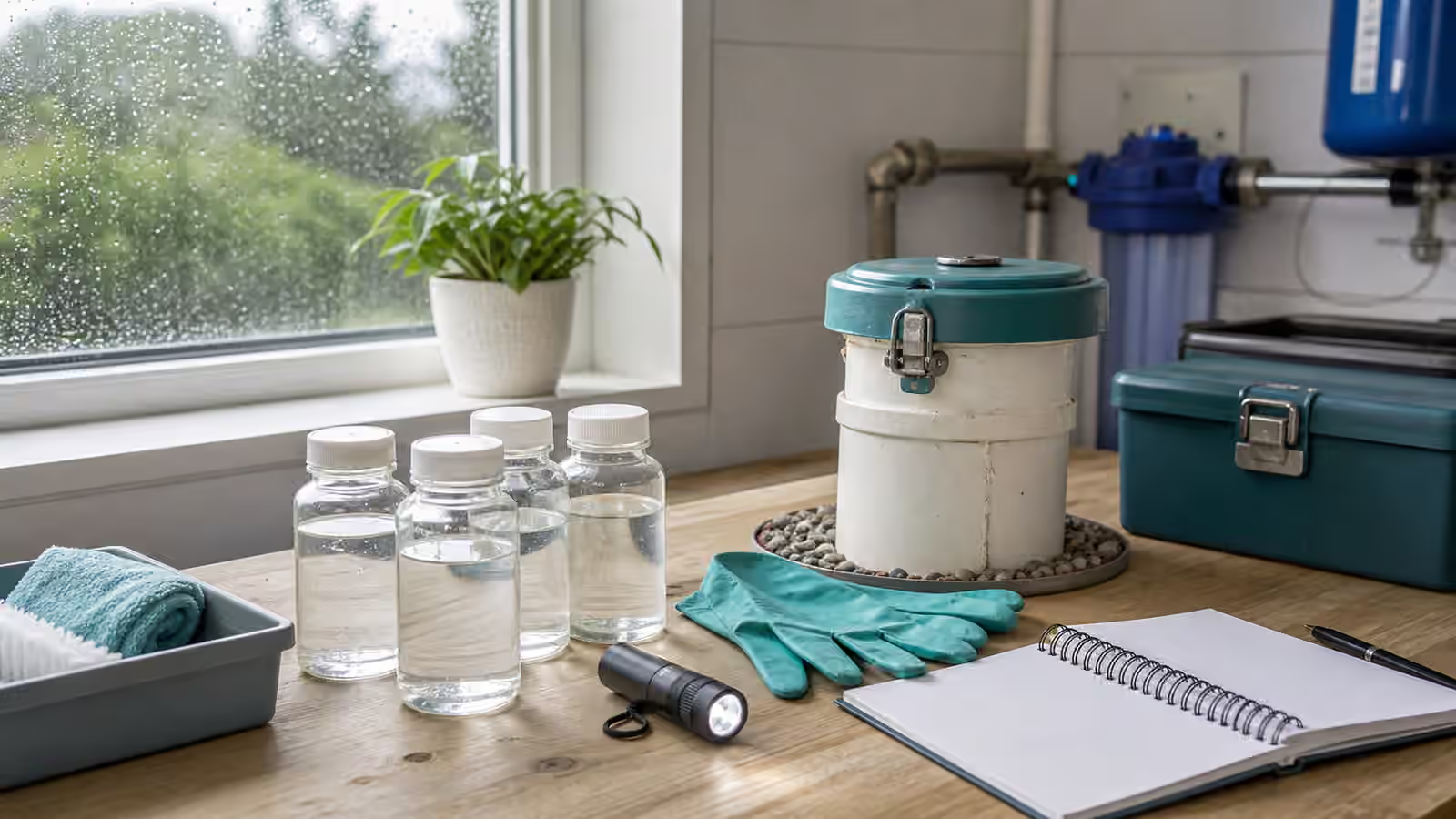
Neutralizer media is consumed over time. The tank that looks passive in the basement is quietly changing as water passes through it. Media level, backwashing needs, flow rate, pressure loss, service valves, bypass position, and downstream effects all deserve a record. If nobody checks the tank, the pH correction can fade while the household continues to trust the installation.
The maintenance record should include the raw-water pH history, treated-water pH checks, media additions, service visits, pressure observations, and any changes in scale or staining after installation. It should also say where the sample was collected. A treated-water pH result from a bathroom sink after a softener tells a different story than a raw-water sample before the neutralizer. Well Water Sampling Log is the right home for those notes.
Downstream equipment may also need adjustment. If a neutralizer raises hardness, a softener may become more relevant than before. If sediment appears during media service, cartridges may need inspection. If UV is present, sleeve fouling and water clarity still matter. If an RO drinking system sits downstream, feed-water chemistry and prefilter service should be checked against the product instructions. Treatment changes should not be allowed to ripple through the home invisibly.
A good neutralizer decision is specific
The strongest reason to install a neutralizer is not that low pH sounds bad. It is that repeated testing, well context, plumbing clues, and local guidance point to pH correction as a defined part of the water plan. The household should know what the raw water shows, what the target is, what the system will change, what it will not change, who maintains it, and how success will be checked after installation.
That specificity prevents overbuying. A city-water household with a single metallic-tasting faucet may need fixture and sampling work, not a whole-home neutralizer. A private well with low pH, copper staining, and a history of pinhole concerns may deserve a serious pH-correction conversation. A well with low pH plus iron, manganese, bacteria concerns, or unusual odor may need a broader lab-informed treatment design rather than one tank chosen from a symptom.
Acid-neutralizer filters are useful when they are matched to the water and maintained as working equipment. They are weak when they become a symbol of purity. Keep the question narrower: what is the pH, where was it measured, how does it interact with the plumbing, what will the neutralizer change, and how will the household know the correction is still happening months later?