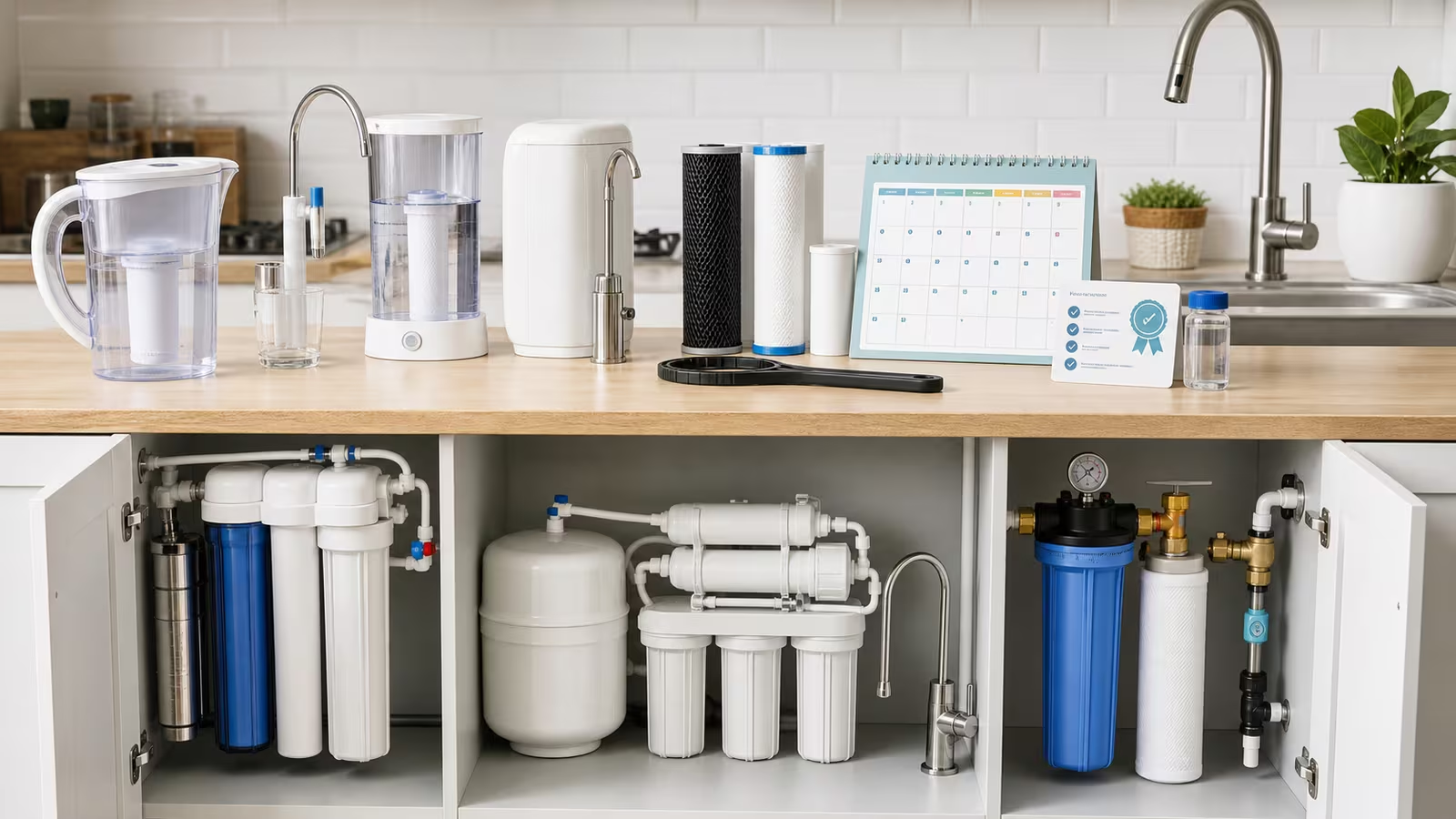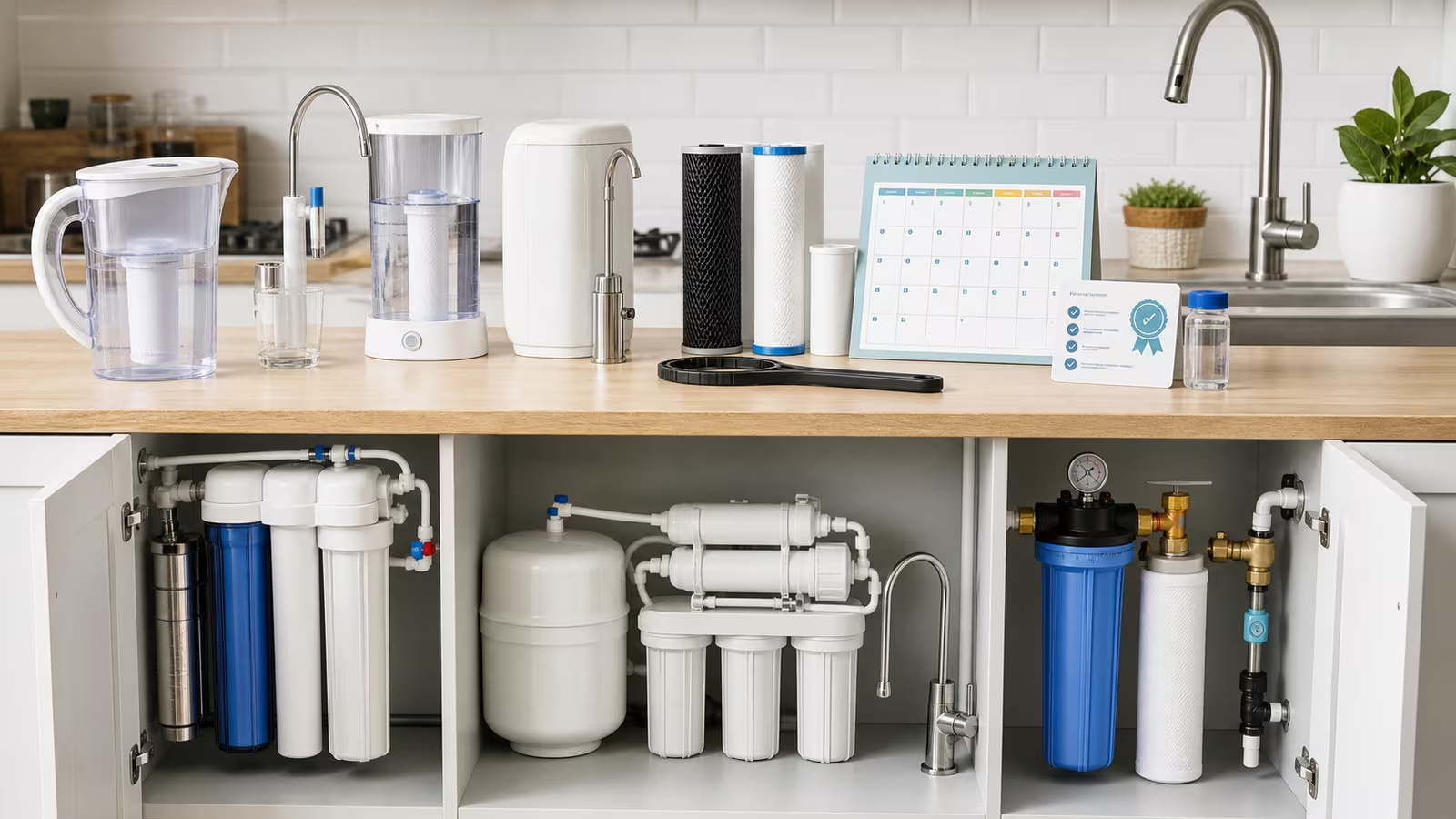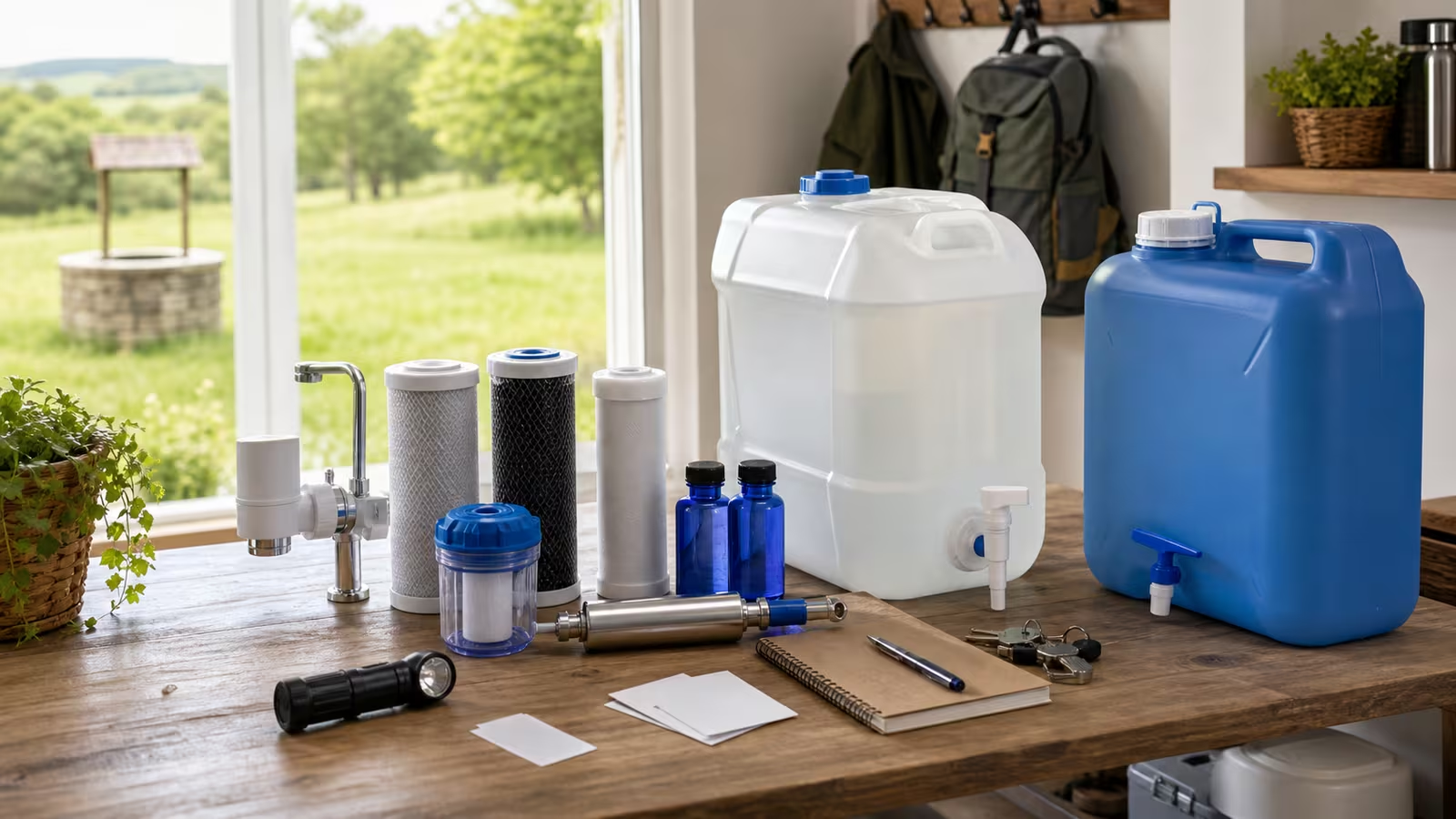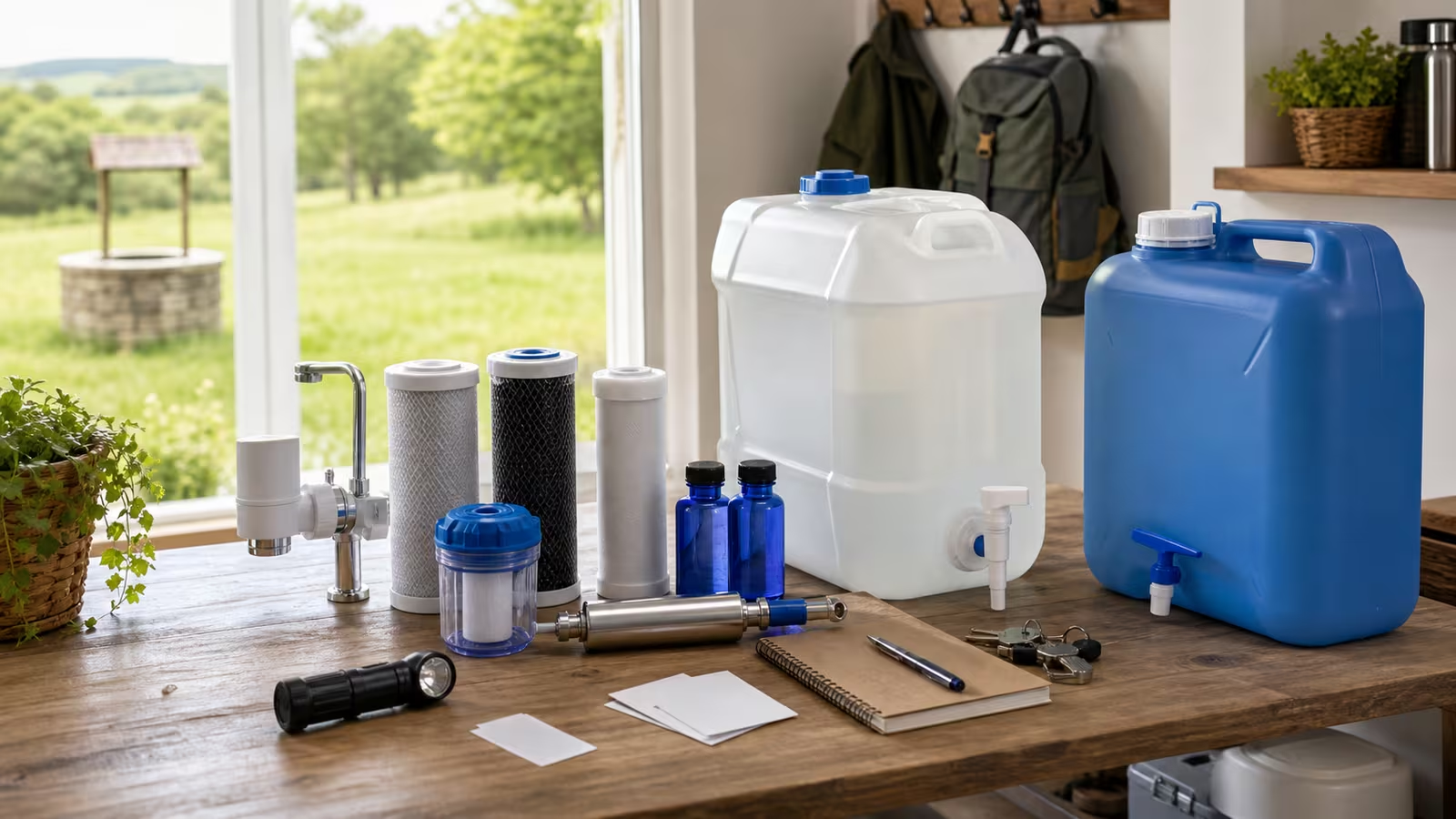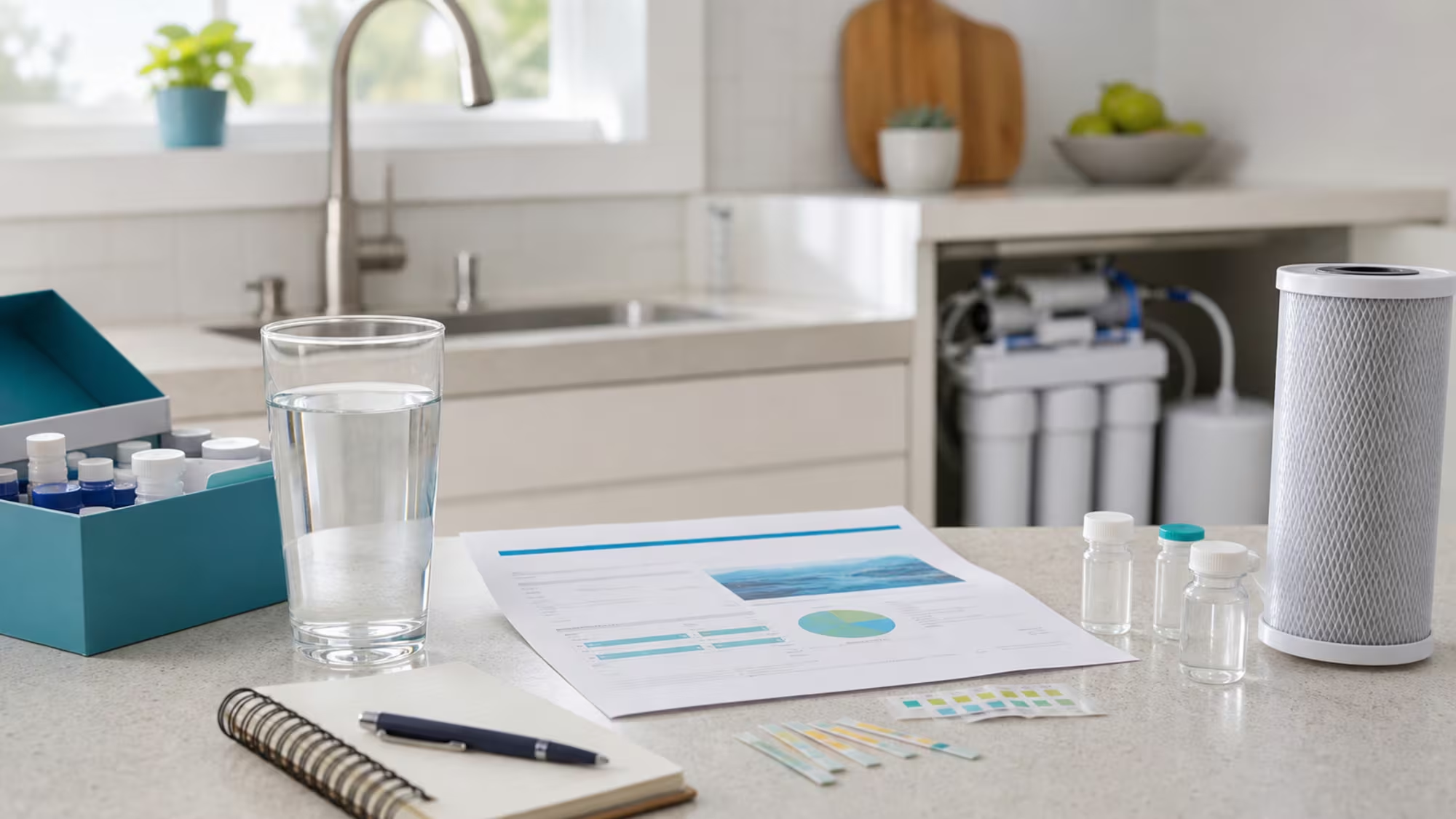
Clear Water Lab is a calm, practical guide to home water decisions: tap water, PFAS, lead, private wells, water reports, filter certifications, taste and odor, renters’ setups, tiny home tanks, emergency notices, and maintenance routines.
The Stack hands you a water report and a budget and asks you to build the treatment train. Sediment before carbon, carbon before a membrane, UV last — each of those is a physical reason rather than a convention, and the game lets you find out which.
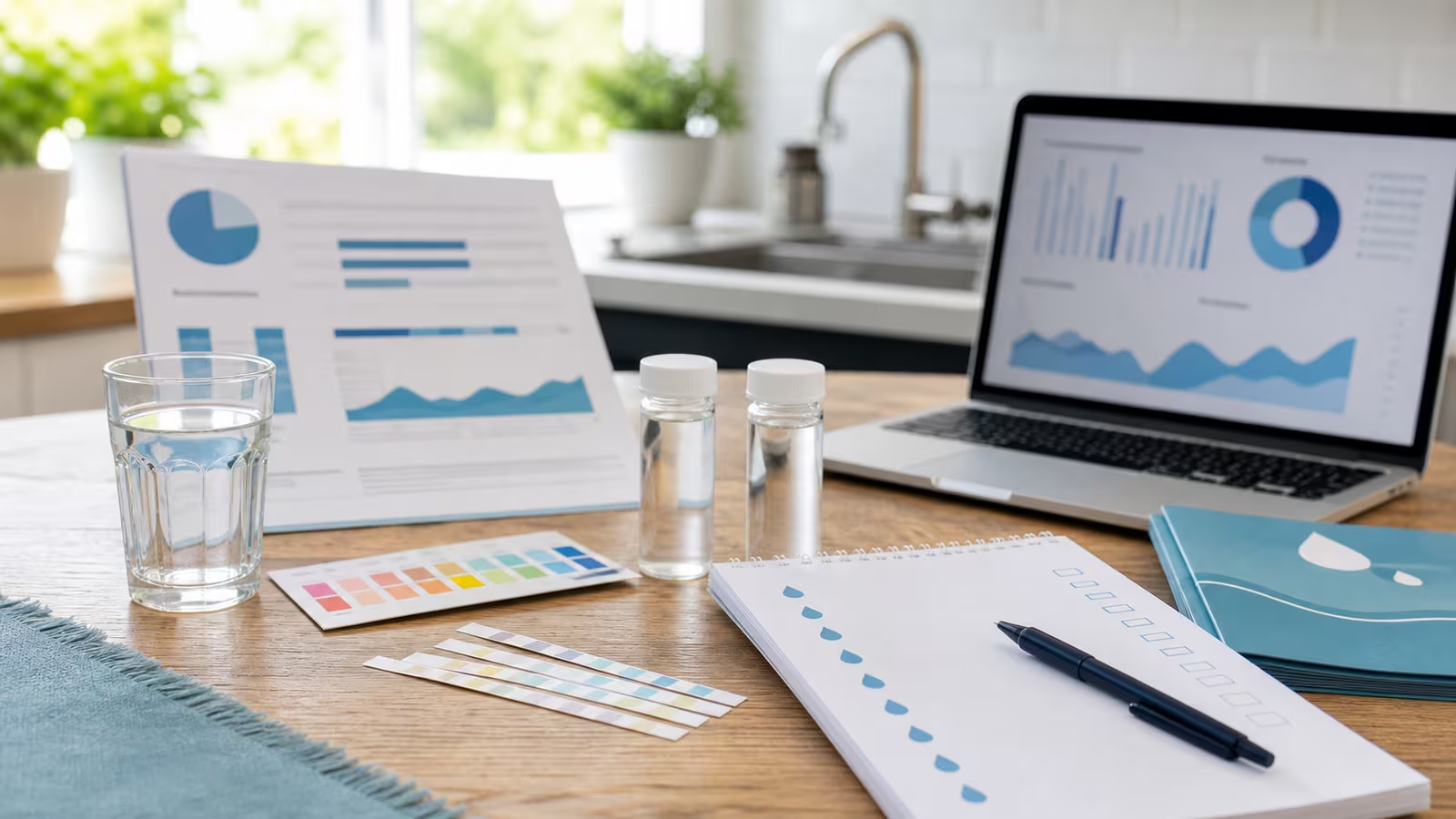
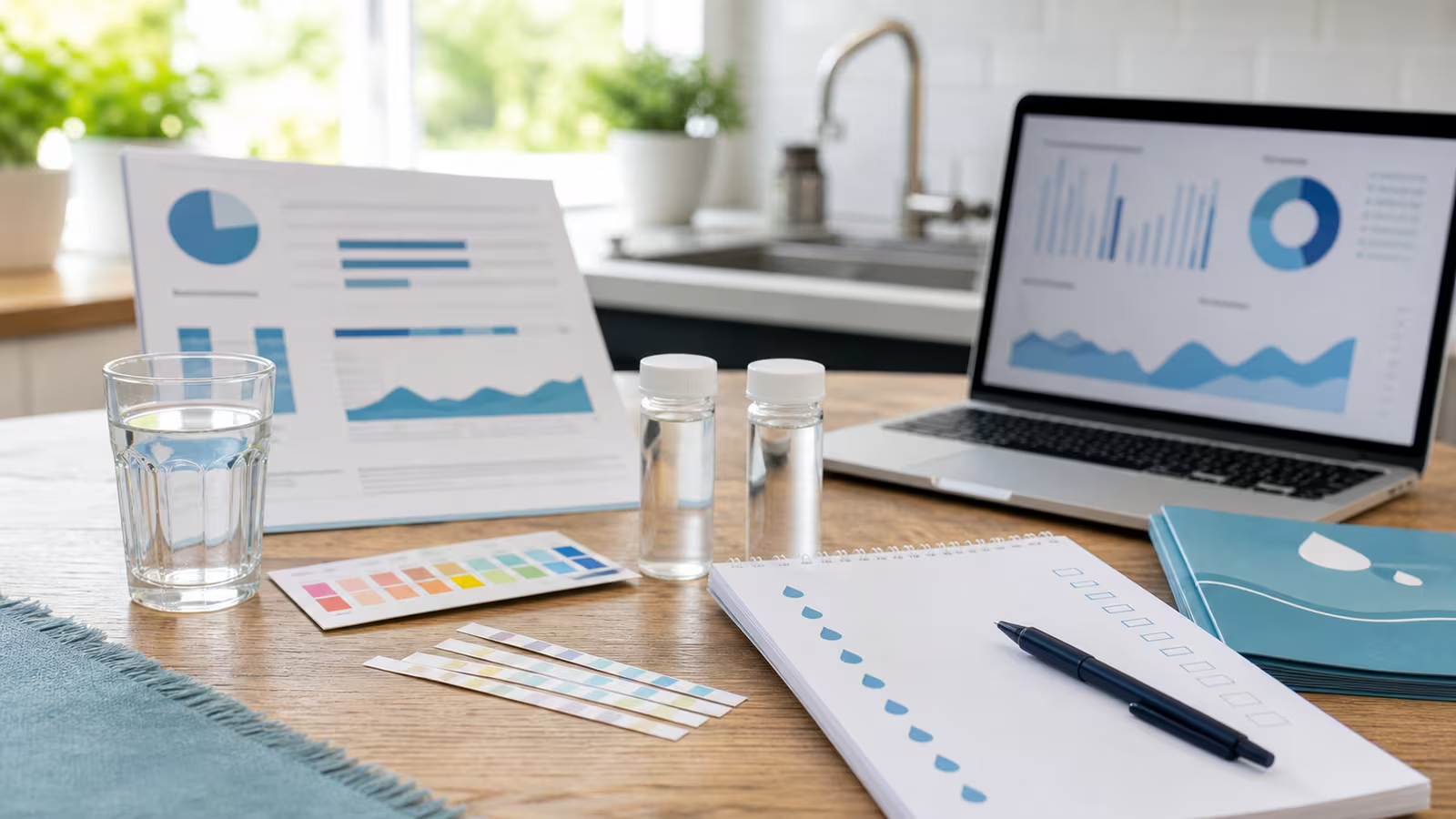
You do not need to become a chemist to make better water decisions. Start with your source, read one report, test what matters, choose filters by certified claims, and maintain the setup you actually use.
Start here
If you are new to home water quality, begin with Tap Water Quickstart . Then read How to Read Your Water Quality Report if you use a public water system, or City Water vs Well Water if you have a private well, RV tank, tiny home tank, or shared building setup.
If your question is about a contaminant or filter claim, move to NSF/ANSI 42 vs 53 vs 58 vs 401 , How to Verify a Water Filter Claim , PFAS in Drinking Water , and Lead in Drinking Water . If the issue is taste, odor, scale, or brewing, use Why Your Water Tastes Like Chlorine, Metal, Dirt, Eggs, or Plastic , Hard Water vs Bad Water , and Coffee and Tea Water .
For urgent or unusual situations, read Does Boiling Water Remove PFAS, Lead, Chlorine, or Bacteria? and Emergency Water Basics before assuming a household filter can solve the notice.
Useful tools and diagnostics
Map a filter claim to contaminant concerns, certification language, and what to verify before buying.
Sort chlorine taste, egg smell, metallic taste, cloudiness, sediment, staining, and musty odors into safer next checks.
Document exact model, certification, contaminant, and replacement language before trusting a claim.
Learning paths
Source water, reports, city vs well, filter types, and replacement schedules.
PFAS basics, standards, RO, carbon, and verified certified claims.
Chlorine, metal, sulfur, hard water, lead checks, and emergency boundaries.
Testing responsibility, certified labs, nitrates, arsenic, flooding, and treatment targets.
Choose by question
Use a Consumer Confidence Report without getting lost in abbreviations.
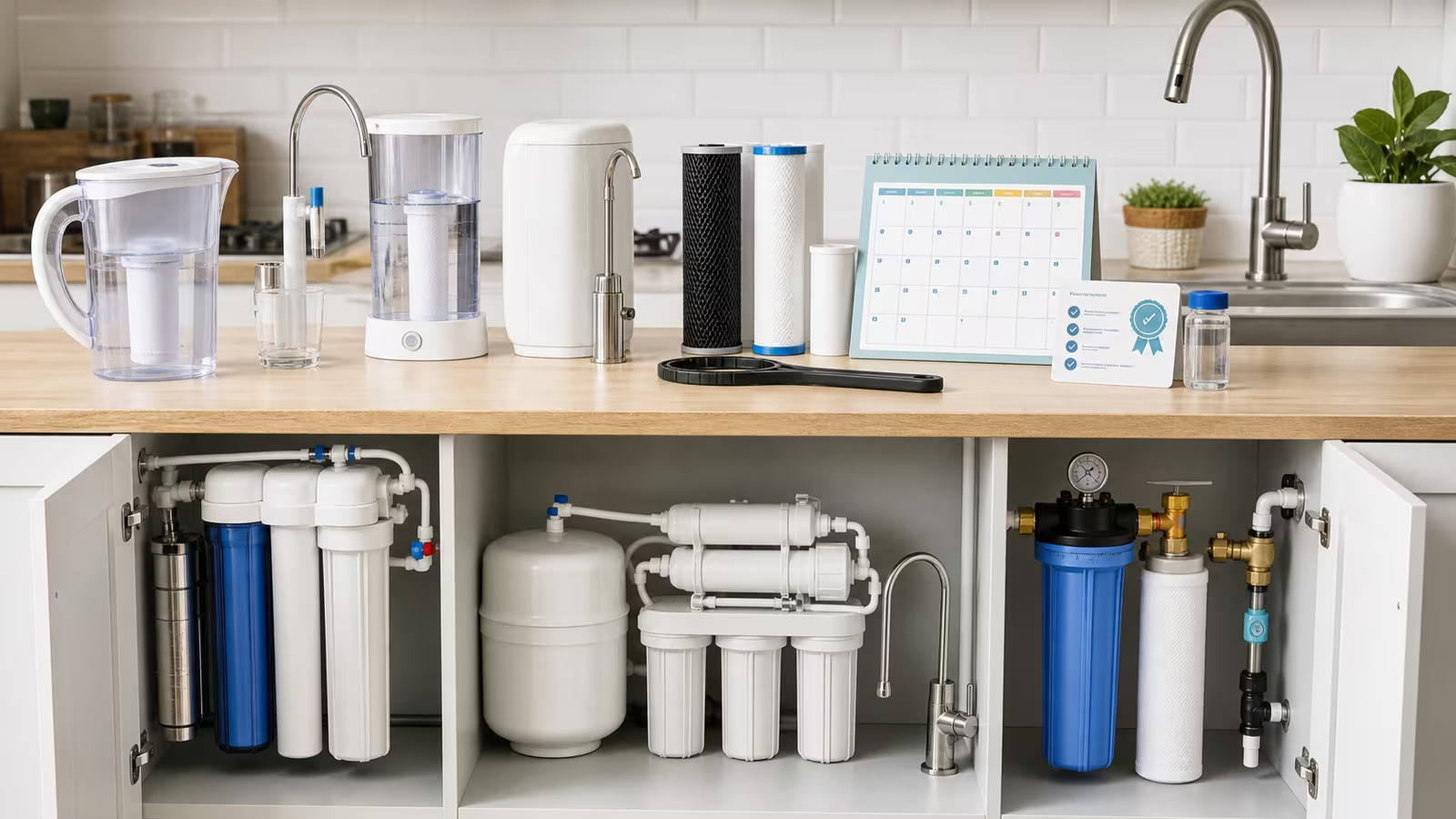
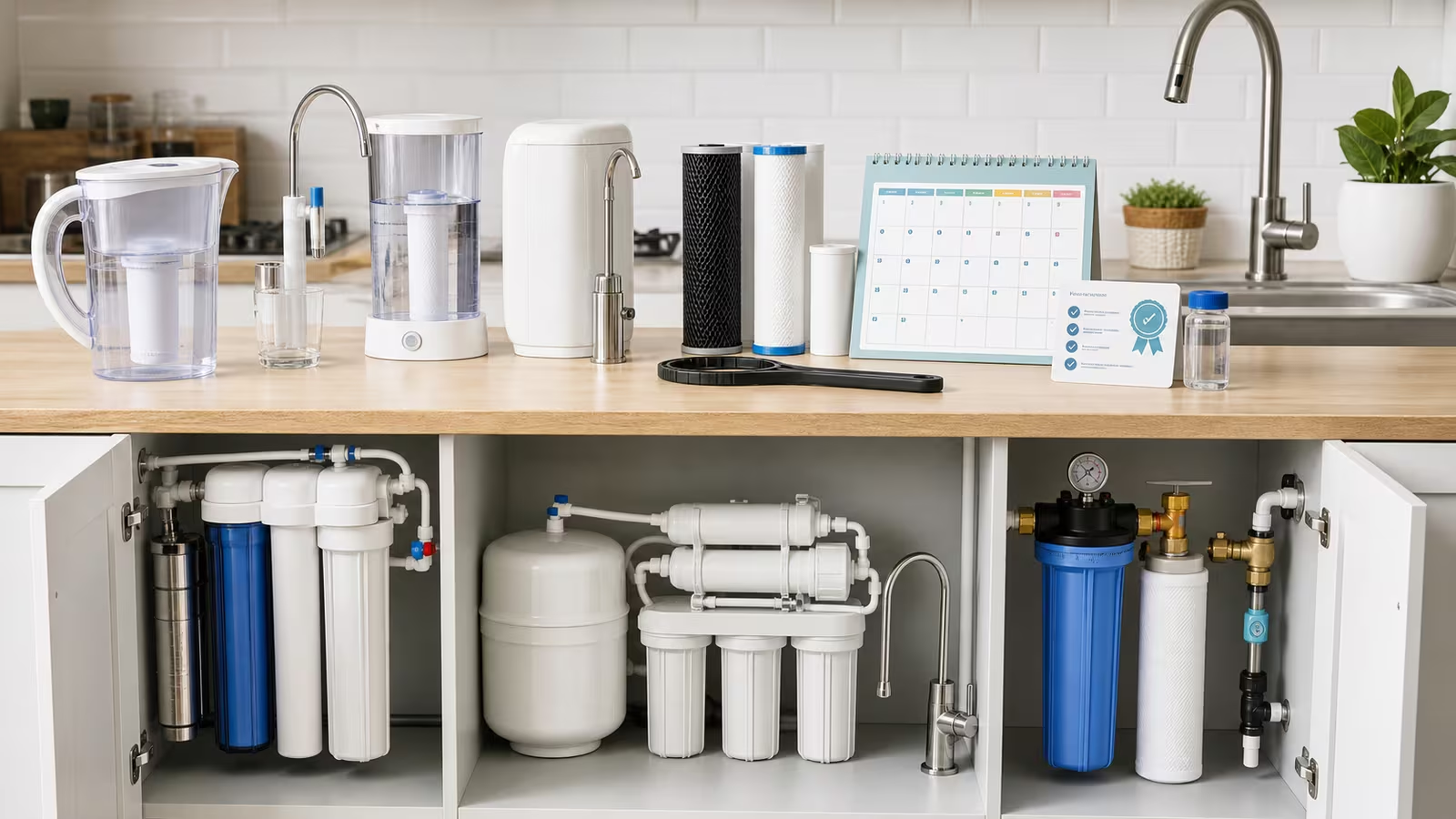
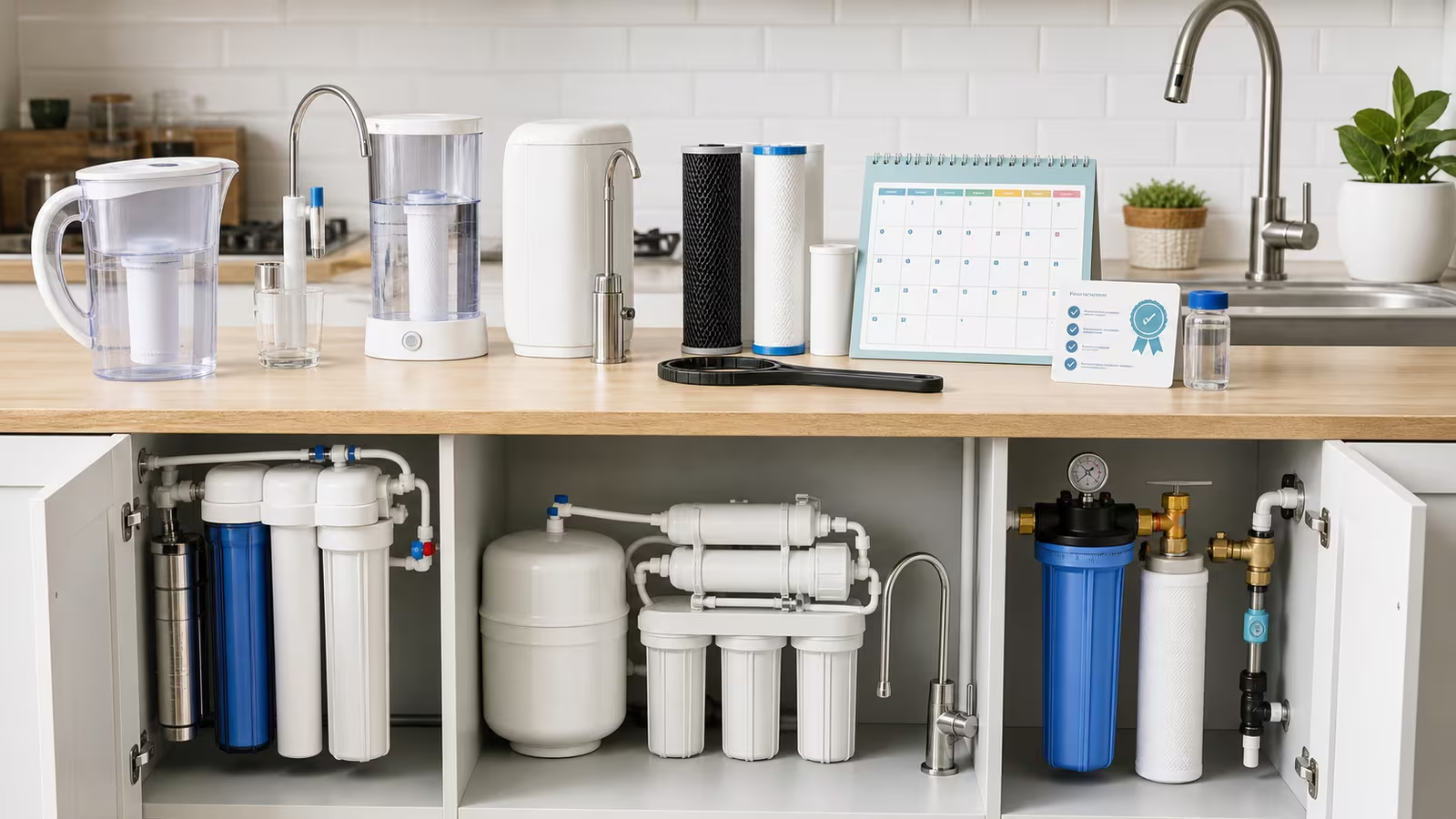
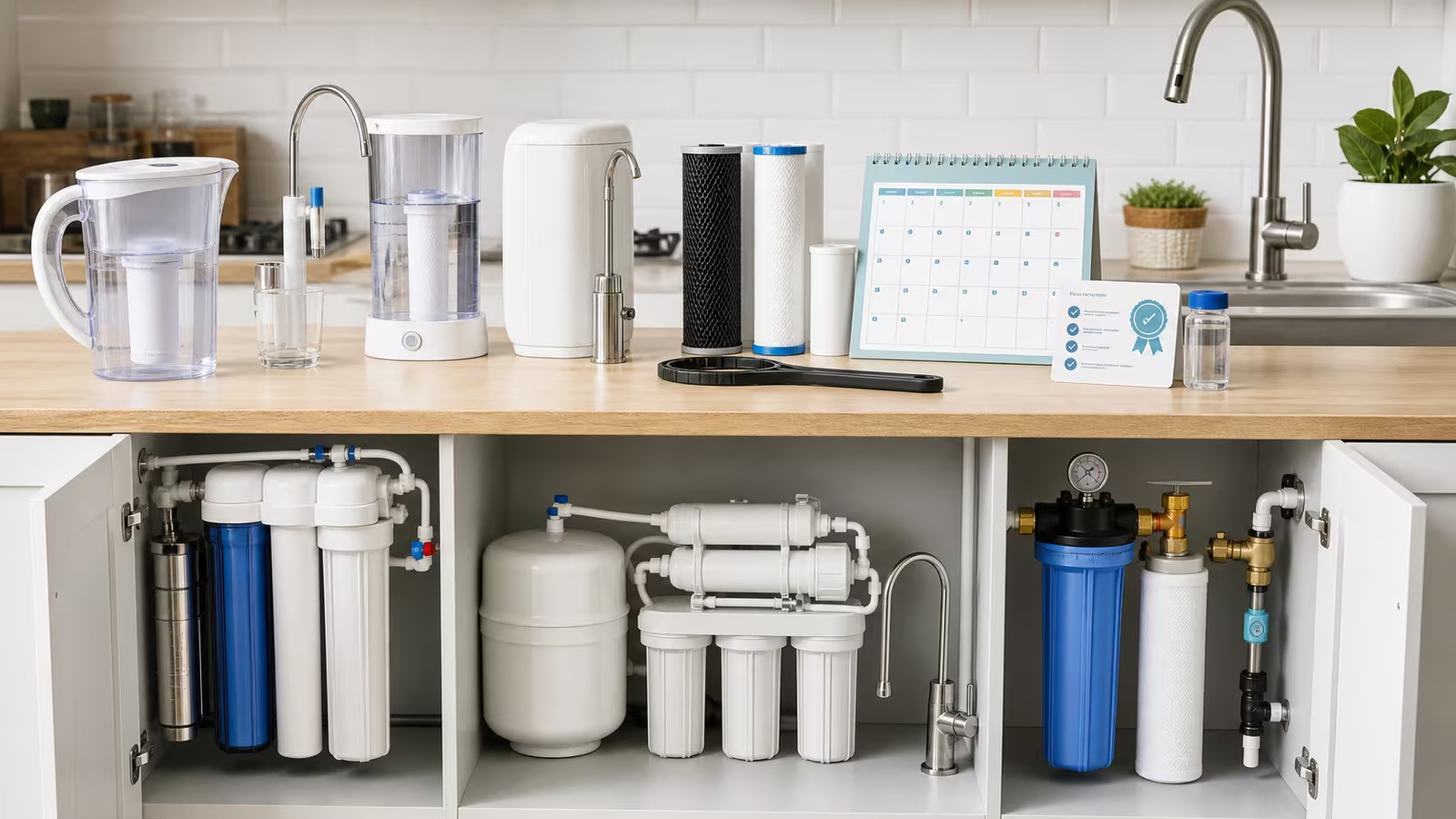
Compare pitcher, faucet, countertop, under-sink, RO, and whole-home options.
Turn cartridges, capacity, and replacement timing into a repeatable routine.
Use low-commitment setups that fit leases, faucets, counters, and real maintenance.
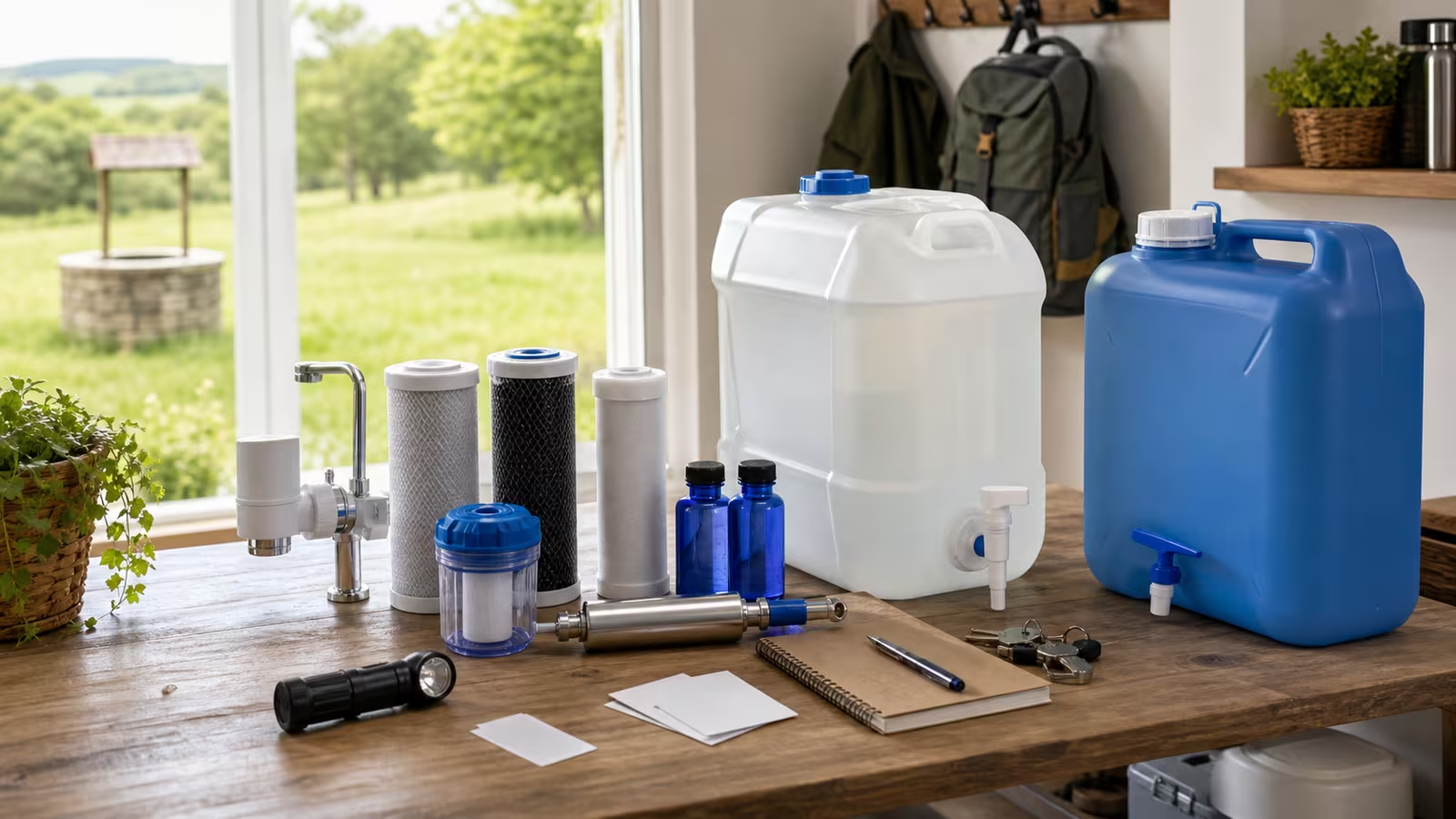
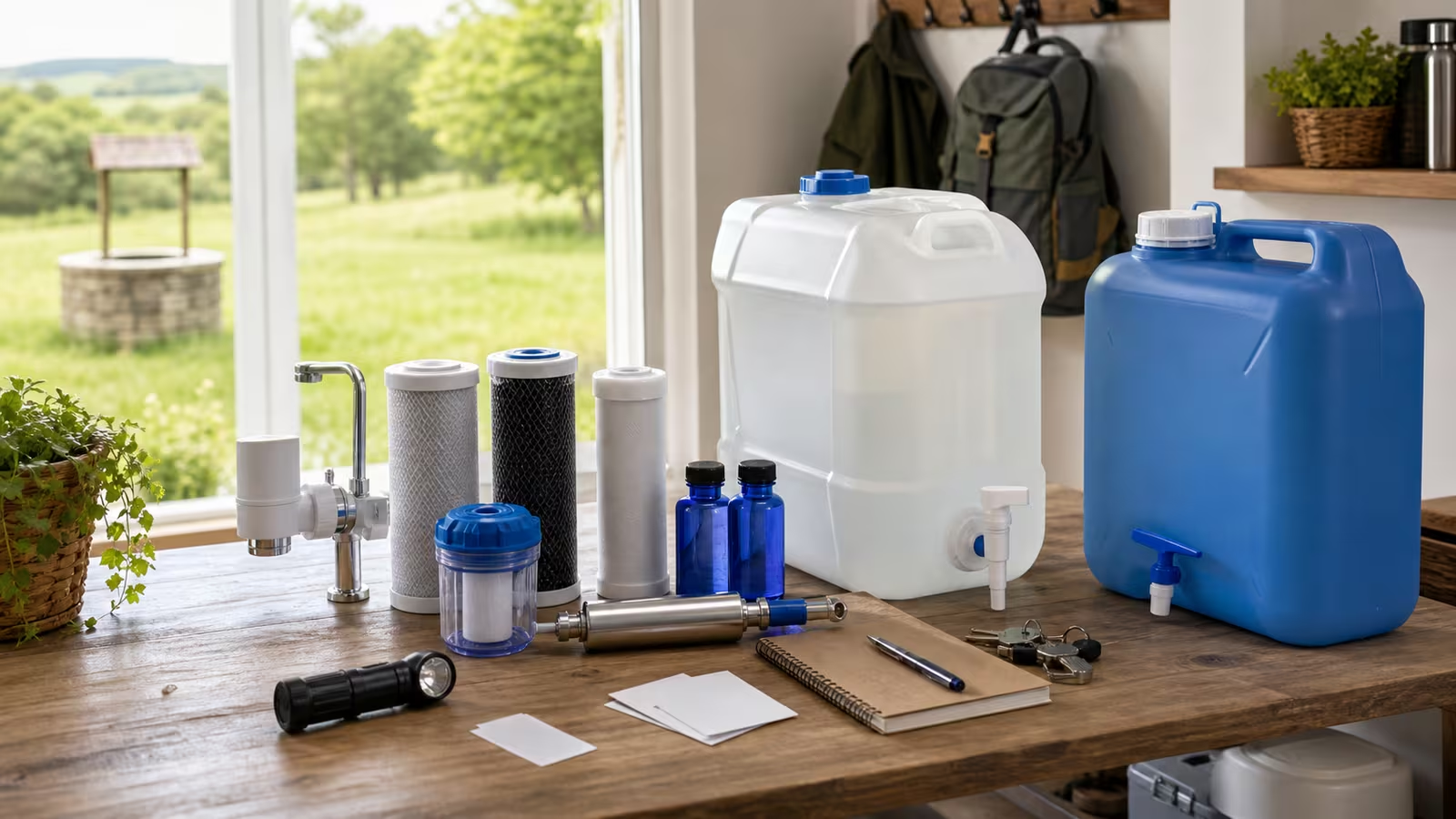
Think through tanks, hoses, sediment, carbon, UV, taste, and storage.
Separate coffee and tea flavor from contaminant or safety decisions.
Clear Water Lab rule
Do not buy water filters by vibes. Choose by source water, contaminant, certification, installation fit, and maintenance reality.
Official-source habit
Useful water decisions start with current evidence. For public water, use EPA Consumer Confidence Reports . For private wells, start with CDC well water testing guidance . For filter standards and listings, use NSF water treatment standards guide , NSF certified drinking water treatment units search , WQA certified product listings , and IAPMO R&T Product Listing Directory .