The moment a window unit rattles to life and the room starts to cool, the mind quietly files the air problem as solved. It is a natural leap. Warmth reads as stuffiness, and once the stuffiness lifts, the room feels handled. But a window air conditioner and a portable air conditioner are, at their core, heat machines. Their job is to pull heat out of air and move it somewhere else. Everything they might do for the air you actually breathe is a side effect of that heat transfer, and side effects are unreliable. If you want a cool room that is also a well-managed room, it helps to stop asking a cooling appliance to be four appliances at once. For background, see EPA — Improving Indoor Air Quality .
There is a simple way to hold this straight. A room has four separate air jobs: keeping bad stuff from entering or forming in the first place, letting in clean outdoor air when it is worth having, filtering the particles that end up suspended, and keeping moisture in a reasonable range. A window or portable AC touches all four jobs a little and masters none of them. Naming which job you actually care about on a given afternoon is more useful than any spec on the box.
What The Machine Is Actually Doing With The Air
Most window units are recirculators. They draw room air across a cold coil, drop its temperature, and blow it back out, over and over, with only a thin trickle of outdoor air if the unit has a vent or fresh-air setting at all, and many do not. That means a closed bedroom cooled all night is largely breathing the same air it started with, chilled. Comfort improves; freshness does not necessarily follow. When several people share a closed cooled room for hours, the ordinary signs of stale air can build even while the thermostat looks perfect. If that describes your evenings, the fix is not a colder setting but a deliberate air exchange, and the Ventilation and CO2 Helper can help you think through when a short opening is worth it against the outdoor conditions of the moment.
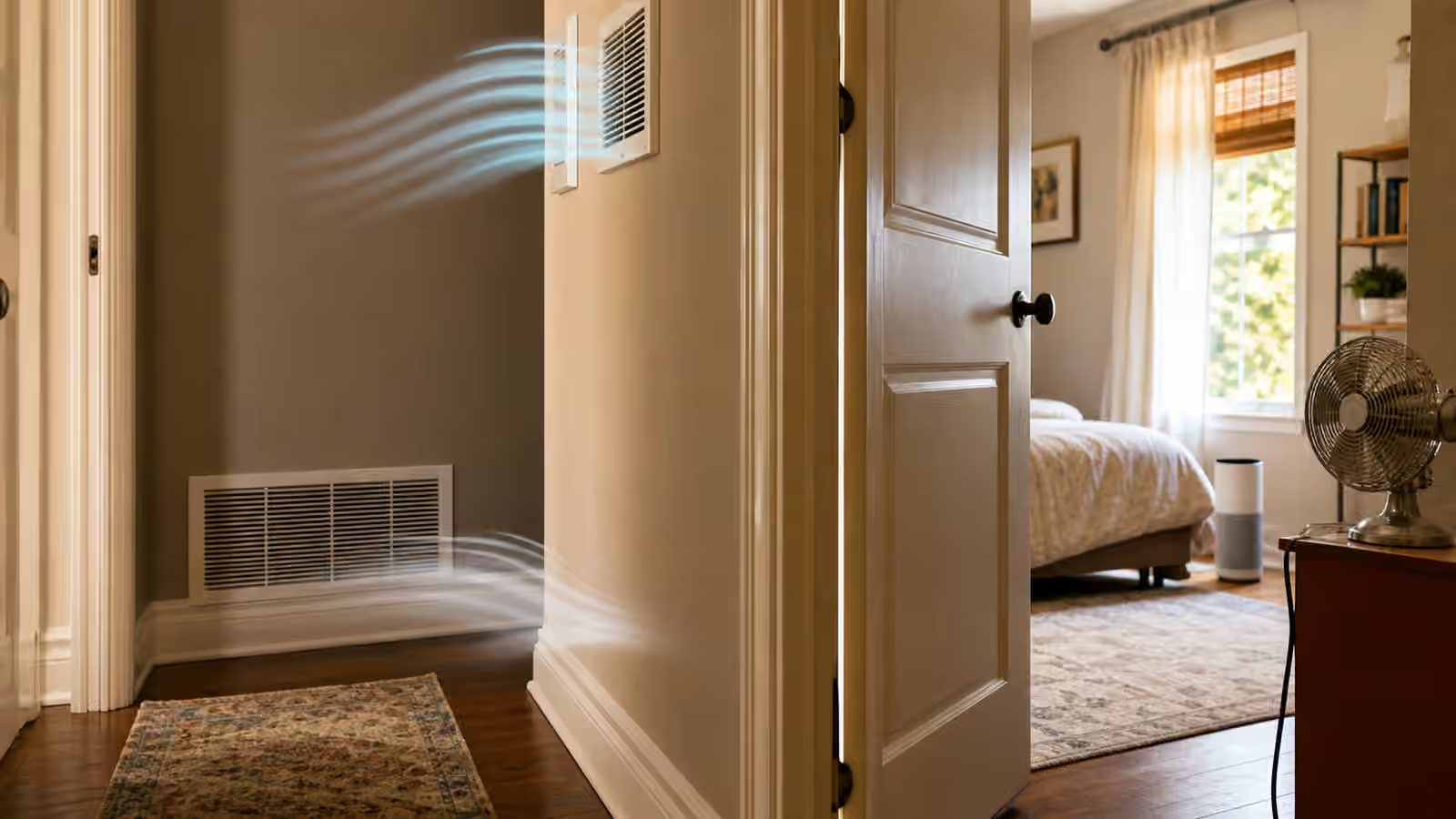
Portable units behave differently and the difference matters more than people expect. A single-hose portable AC exhausts warm air out the window, and because it is pushing air out of the room, an equal volume has to come back in from somewhere. That somewhere is rarely the clean outdoors. It is the gaps: the crack under the hallway door, the bathroom vent, the space around the exhaust panel itself, a leaky closet that connects to a musty wall cavity. So a single-hose portable, run hard in a fairly sealed room, can gently pull in whatever is lurking on the other side of those leaks. A dual-hose design, which draws its own outdoor air for the exhaust loop, avoids much of that pull, which is one reason the hose count is worth knowing before the heat arrives.
The Filter Is A Screen, Not A Purifier
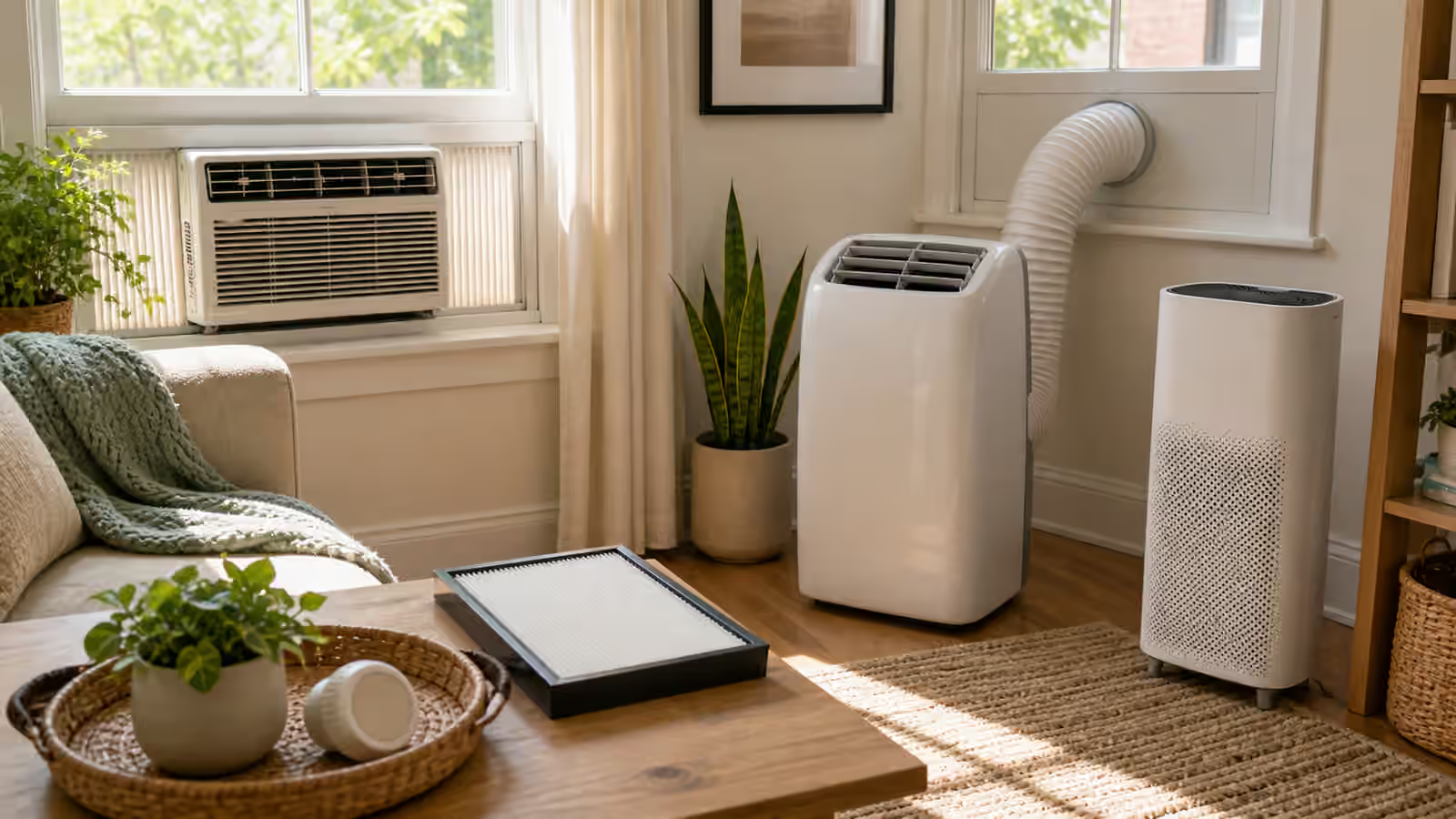
Lift the front grille of almost any window or portable AC and you will find a filter that looks reassuringly like protection. It is protection, but for the machine. That mesh or foam screen exists to keep lint and pet hair off the coil so the unit keeps cooling efficiently. It is not sized or rated to strip fine smoke and combustion particles out of the air the way a purpose-built purifier is. Believing otherwise is the most common quiet mistake in a cooled room.
None of this makes the screen unimportant. A clogged one chokes airflow, makes the compressor labor, and can turn into a damp mat that adds a faint sour note to everything the unit blows. Rinse it on the schedule the manual suggests, and more often during pollen weeks or a dusty stretch. Just keep its role in proportion. When fine particles are the real concern, especially on a smoke day, the cooling decision and the filtration decision are two different plans, and the second one belongs to a right-sized purifier with clear space around its intake. The guide to PM2.5, AQI, and indoor decisions is where that side of the problem gets sorted.
Moisture, Condensate, And The Clammy Room
Cooling and drying travel together, but not always at the same pace. A cold coil pulls water out of the air, which is why your unit drips or drains. That is genuine dehumidification and it is often welcome. The trouble starts when the balance goes off. An oversized unit chills the room fast and shuts down before it has wrung out much moisture, leaving a space that is cold and clammy at once. Outdoor humidity sneaking in around a poorly sealed panel adds to the load. And condensate that pools where it should drain becomes its own small damp problem, the kind that seeds a musty smell in nearby fabric.
If a cooled room turns damp or starts to smell of mildew, resist the urge to blame the whole appliance. Trace the water. Check that the unit is tilted so condensate drains the right way, look at the seal around the panel, and put a plain humidity gauge somewhere out of the direct blast so its readings reflect the room rather than the cold stream. The companion guides on the humidity sweet spot and dehumidifier basics keep this from turning into guesswork about an appliance that was never designed to be the room’s moisture manager.
Sealing The Panel Turns The AC Into A Wall
Every window and portable install replaces a piece of your wall with a machine and a panel, and that panel is now part of the building’s boundary between inside and out. Treat it that way. A well-sealed accordion panel or window kit is the difference between an appliance that cools the room and one that quietly invites smoke, pollen, humid air, or a neighbor’s cigarette in around its edges every time it runs. The foam strips and side curtains that come with these units are not decoration; they are the seal. The same thinking that runs through leaky windows, doors, and outdoor air applies to the perimeter of an AC panel, because a gap there behaves exactly like a gap anywhere else in the wall.
Placement, Noise, And The Habits That Follow
Air conditioners need room to breathe on both sides. A curtain pressed to the intake starves the unit, furniture in front of the discharge stalls the flow, and a purifier parked directly in the AC’s cold blast may never see the rest of the room. Give each device an understandable path: air in, air out, nothing fighting it. And take the noise seriously, because noise shapes behavior more than intentions do. A loud unit tempts people to shut every door and seal every gap, which quietly changes the room’s air paths. A loud purifier gets left on its lowest, gentlest, least-useful setting. In a small bedroom, a quiet purifier, a rinsed AC filter, a tight panel seal, and one deliberate airing when the outdoor air is decent will usually beat any single heroic appliance.
When Heat And Smoke Pull In Opposite Directions
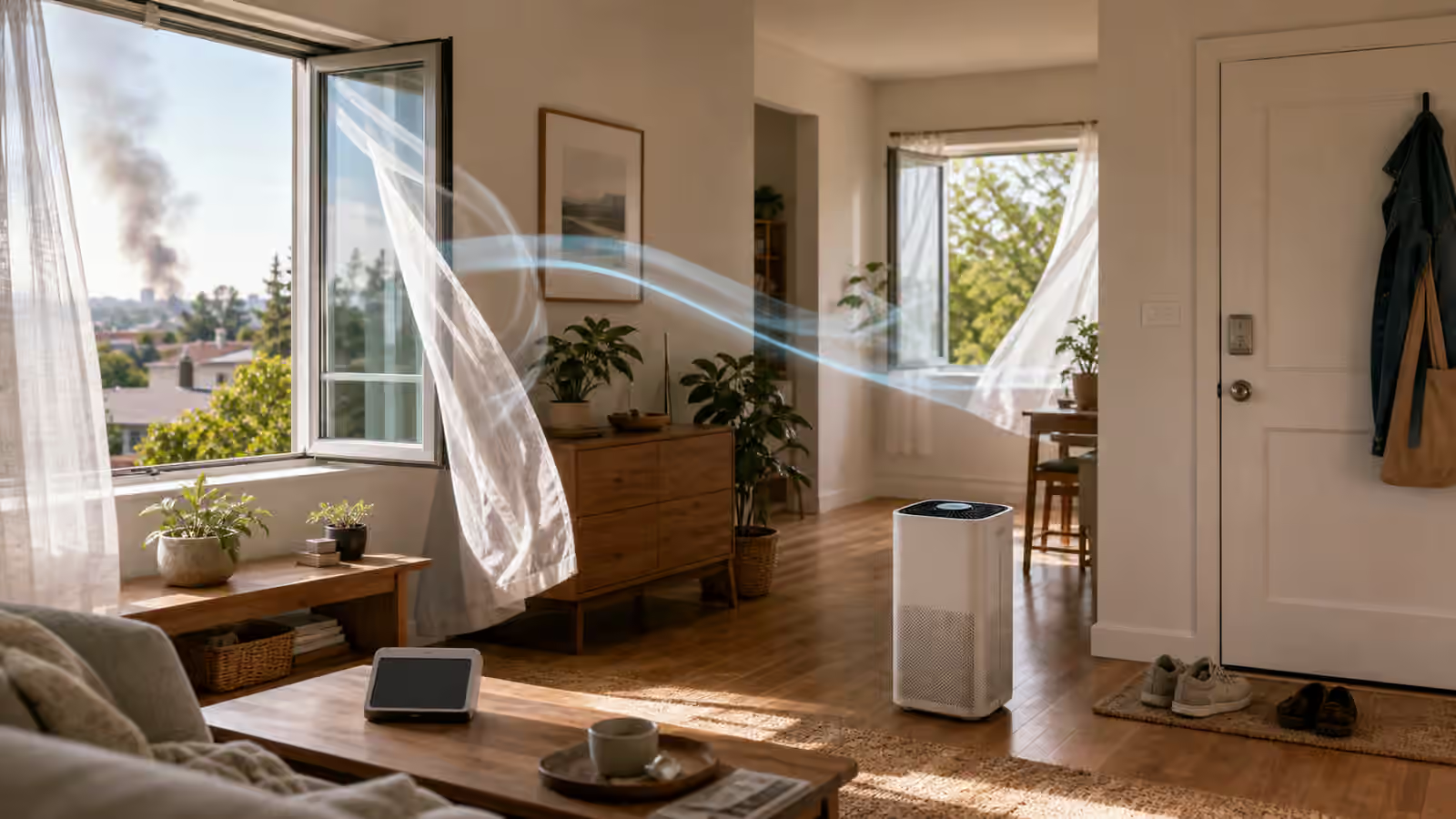
Some of the hardest days are the ones where staying cool and keeping smoke out want opposite things. Closing up against wildfire smoke is right, but the room still bakes, and running a single-hose portable to cool it may drag replacement air in through leaks at the very moment you are trying to keep the outside out. Clean Air Society does not treat this as a purity test to win. Serious heat is a genuine hazard, and comfort and safety both count. On those days, plan ahead rather than improvise: pick the room that is easiest to keep both cool and closed, seal its AC panel, decide where the purifier runs, and follow local public health guidance when conditions get severe. The guide to building one clean room for smoke days treats the space as a whole setup rather than a single appliance choice, which is exactly the frame these days require.
A Seasonal Reset And An Honest Boundary
Give the unit a proper start each cooling season. Rinse the accessible filter, check that condensate drains cleanly, look for gaps around the panel, and clear dust from the curtains and shelves that sit in the airflow. Through the season, watch for patterns rather than single moments: a different smell when the compressor kicks on, humidity creeping up overnight, a whiff of outdoor smoke near the panel, a purifier filter loading faster in that room than elsewhere. Those small signals tell you more than any label.
A window or portable AC can be an excellent comfort tool and, at the same time, only a modest air tool, and both things being true is fine. Let it cool. Let a real filter handle particles. Let ventilation happen when the outdoor air is genuinely worth bringing in. Let a humidity reading, not a hunch, guide the damp-room decisions. This is practical education, not medical advice, and no appliance routine can guarantee a room is safe. If you smell gas, suspect a carbon monoxide source, find mold behind the unit, or worry about the wiring or the building itself, step out of the do-it-yourself frame and bring in the right professional. Everything else on this list is ordinary maintenance, and keeping the four air jobs separate is what makes it stay ordinary.