A purifier only cleans the air that passes through it, which means placement is not a decorating decision made after the fact; it is part of how well the machine works. The same unit that disappoints in one spot can noticeably clear a room from another, without any change to its filter or its rating. People shop hard for CADR numbers and HEPA claims and then set the finished machine wherever it fits visually, behind the sofa, wedged against a curtain, tucked into a corner beside a tall plant, and quietly hand back a chunk of the performance they paid for. This guide is about giving the air a clear path to the intake and a clear path away from the outlet, so the capacity on the box becomes capacity in the room. For background, see EPA — Guide to Air Cleaners in the Home .
Find The Intake And The Outlet First
Before you decide where a purifier goes, learn how it breathes. Every unit has an intake, where room air is pulled in through the filter, and an outlet, where cleaned air is pushed back out. On many tower and cylinder designs the intake wraps around the sides or the back and the clean air exits the top; on others the air enters low and leaves high, or enters the back and exits the front. The two openings need very different things. The intake needs unobstructed room air arriving at it from the space you care about. The outlet needs room to throw its clean air out across the room so that stream can drive circulation rather than immediately hitting a wall.
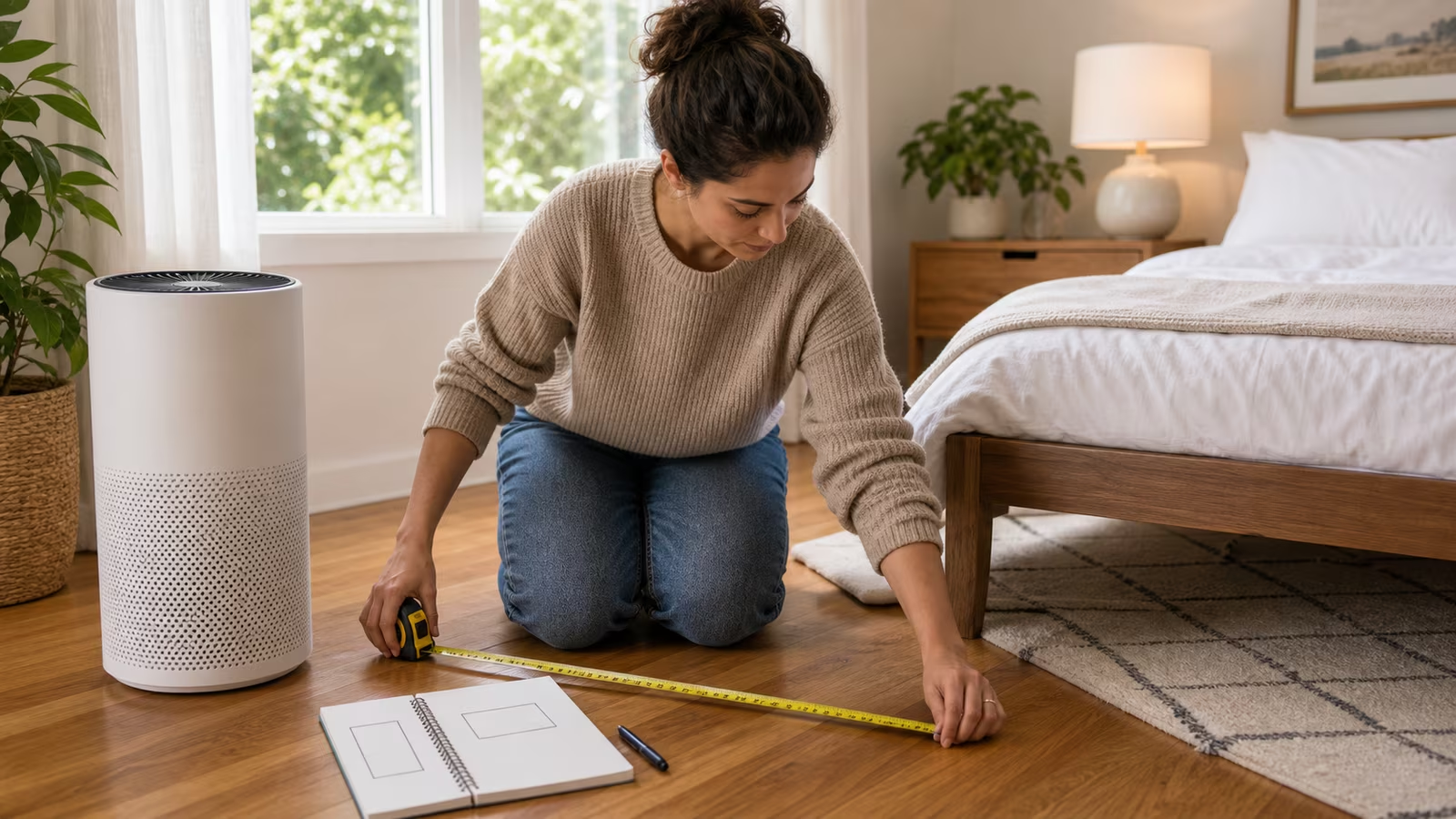
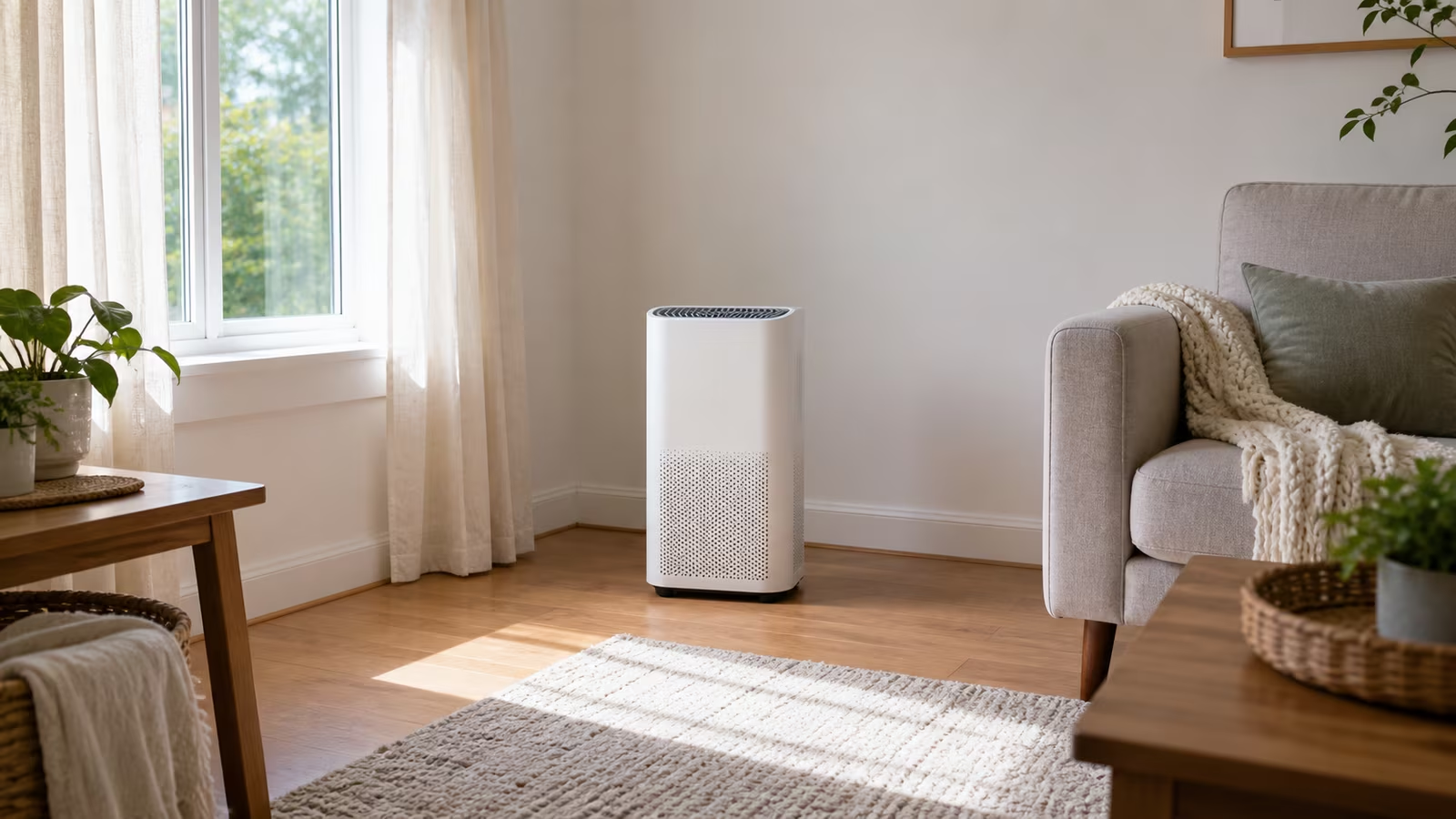
Once you can point to both openings, the failure modes become obvious. A machine shoved back-first against a wall starves a rear intake. One tucked into a corner has walls on two sides choking its airflow. A curtain draped over the top smothers a top outlet. A tall plant, a laundry basket, or a stack of boxes right against the grille does the same on a smaller scale. Give each opening breathing room, commonly a foot or more of clear space, and you have already fixed the most frequent placement mistake.
Put It Where The Air Actually Circulates
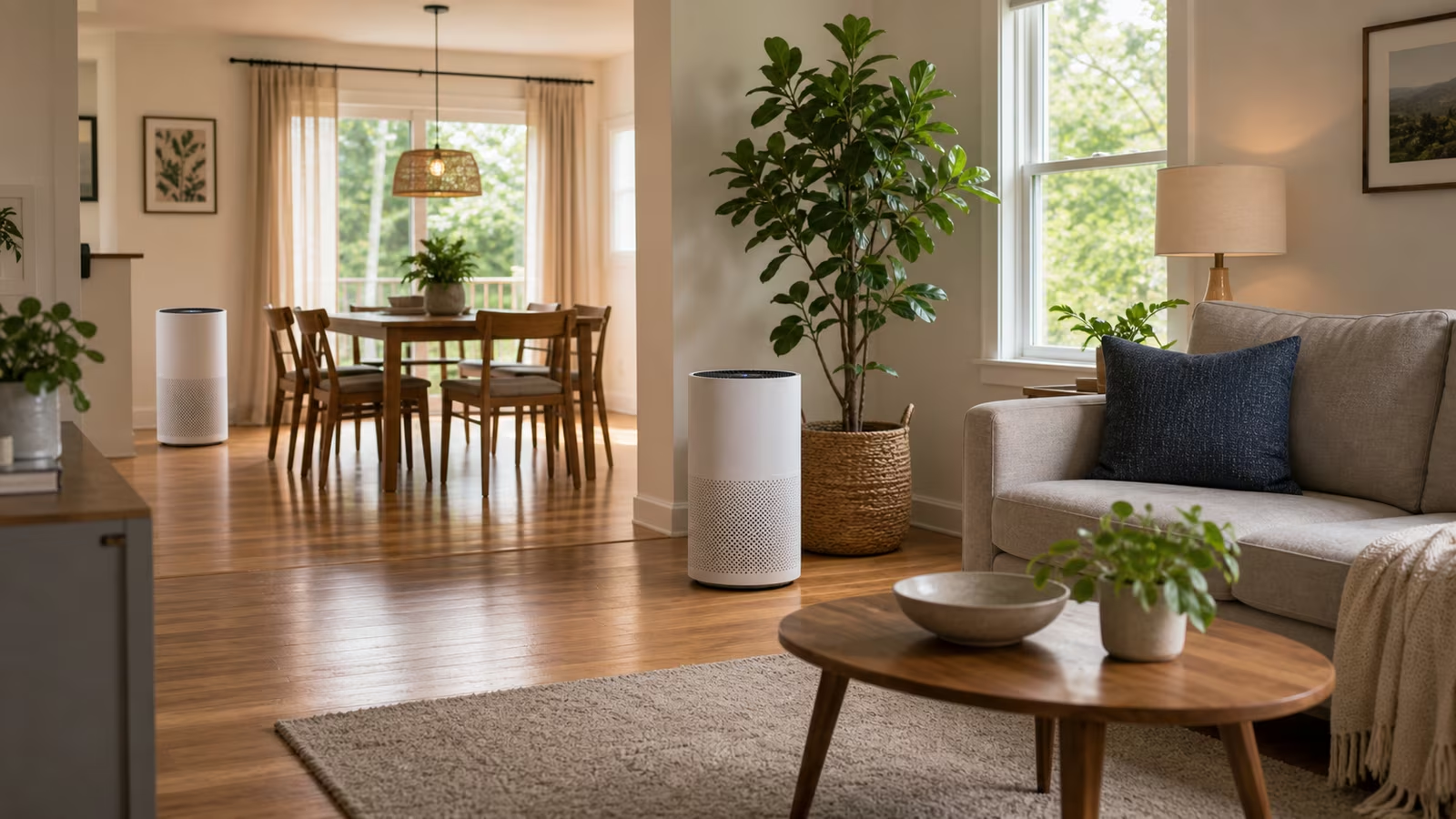
A purifier is not just a filter; it is also a small fan that, placed well, sets up a circulation pattern that keeps feeding it fresh room air. Placed badly, it cleans a little bubble around itself while the rest of the room stagnates. The goal is a spot where the outlet stream can reach out into the room and pull a return flow back toward the intake, so the whole volume of air slowly cycles through the machine rather than the same cubic foot passing back and forth.
That usually means somewhere more central, or at least well out from the walls, rather than pinned in a far corner. It means an outlet aimed toward the open part of the room and toward where people sit, not toward a wall two feet away or into a dead alcove. Raising a unit slightly off a thick carpet, where it is designed for it, can help a low intake, since the layer of air right against a plush floor barely moves. And a nearby ceiling fan or the room’s own HVAC circulation, running gently, can extend the purifier’s reach by keeping the whole room’s air in slow motion so more of it eventually finds the intake.
Aim At The Occupied Zone Or The Source
Placement also depends on what you are trying to accomplish, and there are two sensible strategies. The first is to protect the occupied zone: put the purifier reasonably near where people actually spend time, the side of the bed, the seating area, the desk, so the cleanest air is delivered to the breathing space that matters most. This is the default for general dust, dander, and pollen, where the aim is simply to keep the air people share as clean as the machine can manage.
The second strategy is to intercept a known source. If there is a specific, recurring origin, a litter box in a corner, a kitchen doorway that leaks cooking particles, a window that admits pollen or drifting smoke, positioning the unit in the path between that source and the rest of the room lets it catch pollutants closer to where they enter, before they spread. When a room has both a clear source and a clear occupied zone, place the machine so it sits sensibly along the line between them. Filtration is still the last layer, though: it works best when you have already reduced the source you can and are asking the purifier to handle the residue, not the whole flood.
Small Details That Change Results
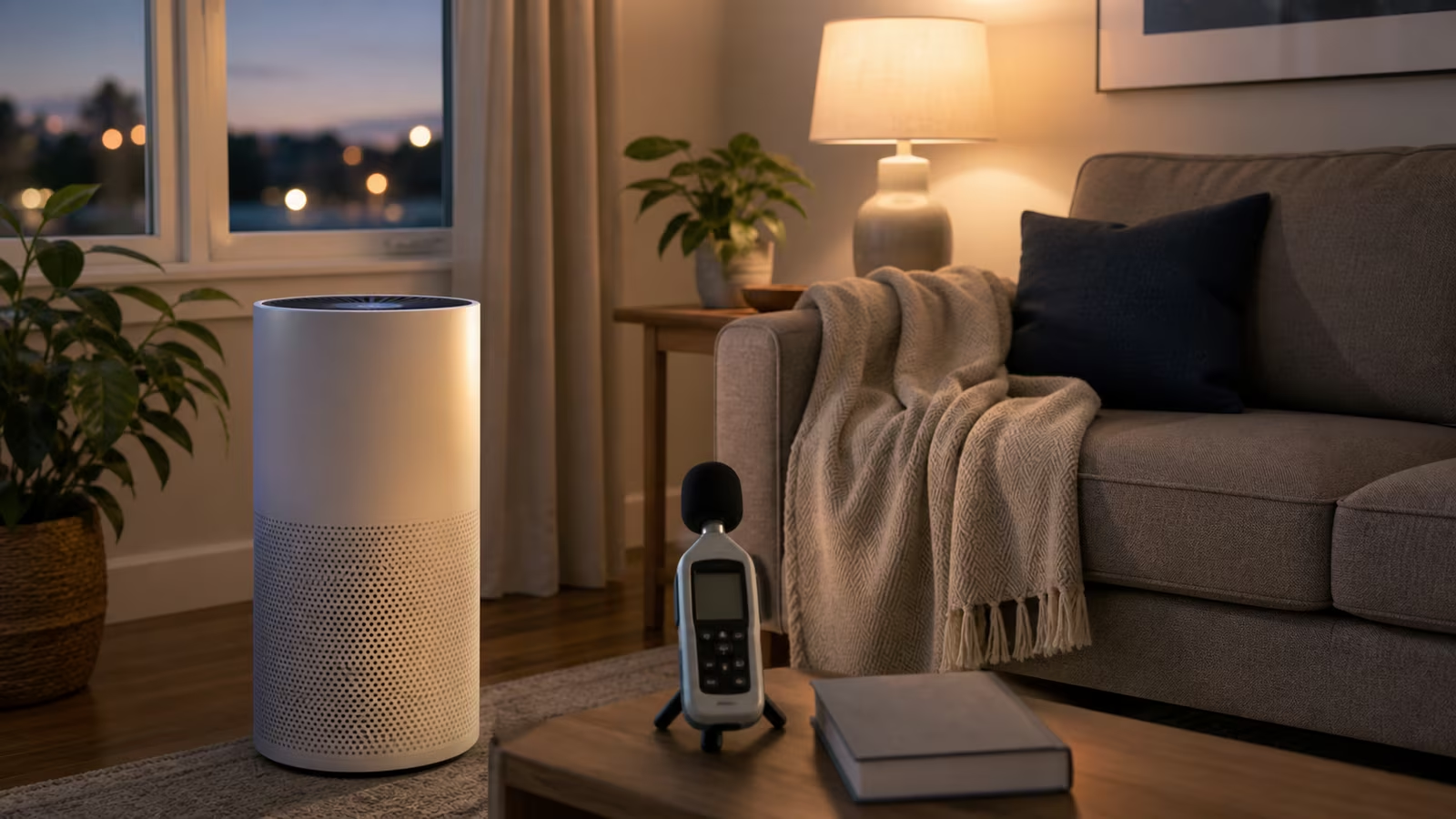
A few practical points decide whether a good position stays good. Noise governs runtime, and runtime governs results: a purifier only cleans while it is on and moving enough air, so a spot where you are willing to leave it running at a useful speed beats a “better” spot where the noise makes you turn it down to a whisper or off entirely. Weigh that trade-off honestly, and let air purifier speeds, noise, and runtime inform it. Route the power cord where no one trips on it and where it is not pinched under furniture. Keep the unit off soft surfaces like a bed or a plush rug that can partially cover a bottom intake. And match the machine to the room in the first place, because no placement rescues a unit that is simply too small for the space; air purifier sizing by room covers that side of the decision.
When you want to turn all of this into a concrete choice for your specific layout, the purifier placement planner gives you a structured way to weigh room size, where people sit, where the sources are, and where the clear space exists, and to land on a position and a size that fit. Treat its output as a sensible starting position to try and observe, not a guarantee about the room.
Verify With The Room, Not The Display
However you place the unit, let the room tell you whether it worked. Give a new position several days, watch whether the surfaces stay cleaner and the air feels less dusty, and adjust once rather than fiddling daily. Be cautious about leaning too hard on the machine’s own indicator light or a nearby monitor as proof; those readings capture a narrow slice of the air near the sensor and are better at showing trends than at certifying a room. A steady improvement you can actually notice over a week is more trustworthy than a single reassuring number, and it is the honest measure of whether the purifier is finally getting the air it needs.
Clean Air Society is practical education, not medical advice, diagnosis, remediation, or a guarantee that a room is safe. A purifier is a supplement to source control and ventilation, not a substitute for a carbon monoxide alarm or for professional help with mold, combustion, chemical, or building problems, and it should never be an ozone-producing device sold as a purifier. Follow local public health guidance during smoke, carbon monoxide, mold, chemical, radon, or building-safety issues. For a closer look at reading filter claims without the marketing gloss, see HEPA filter marketing .