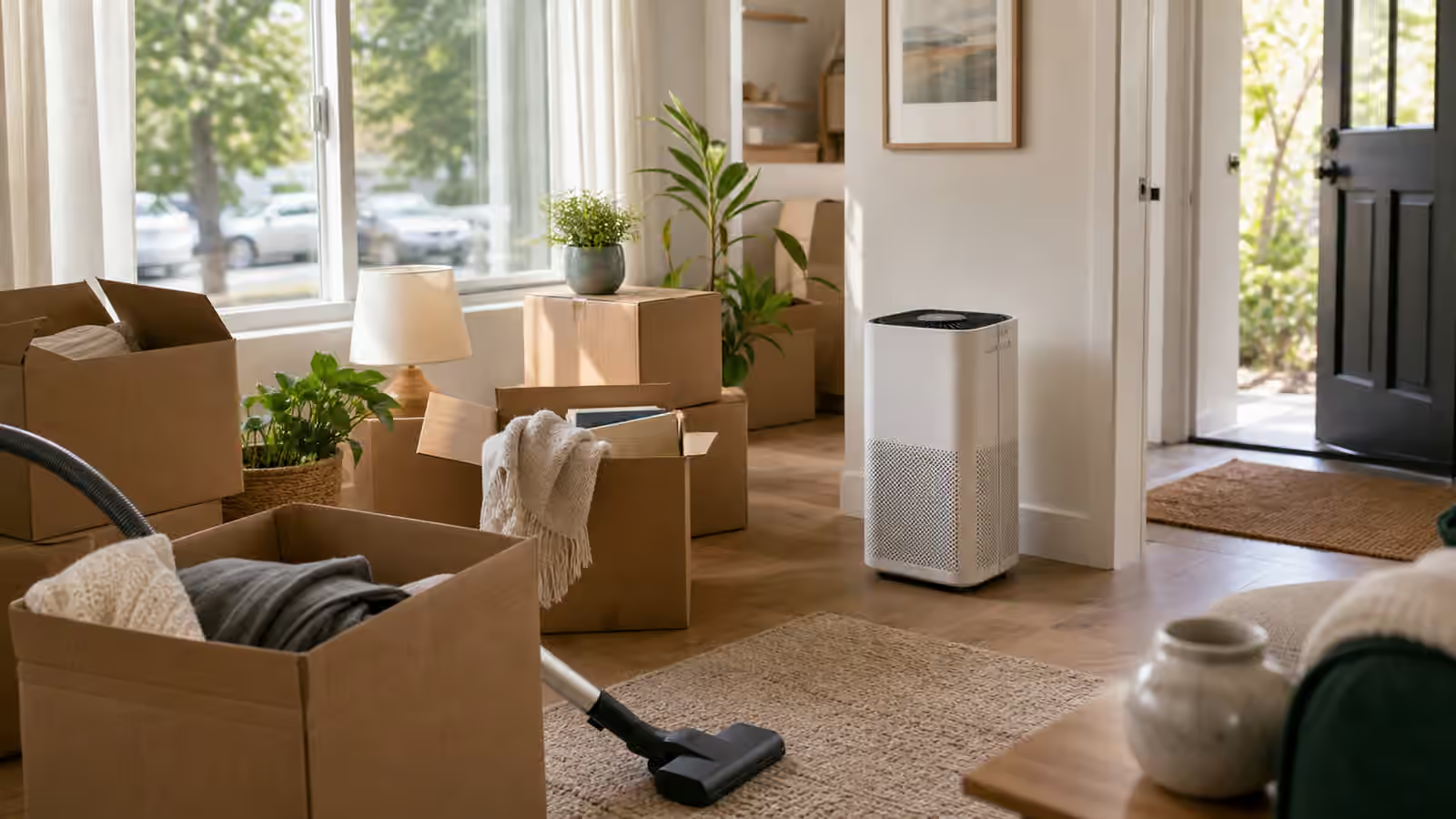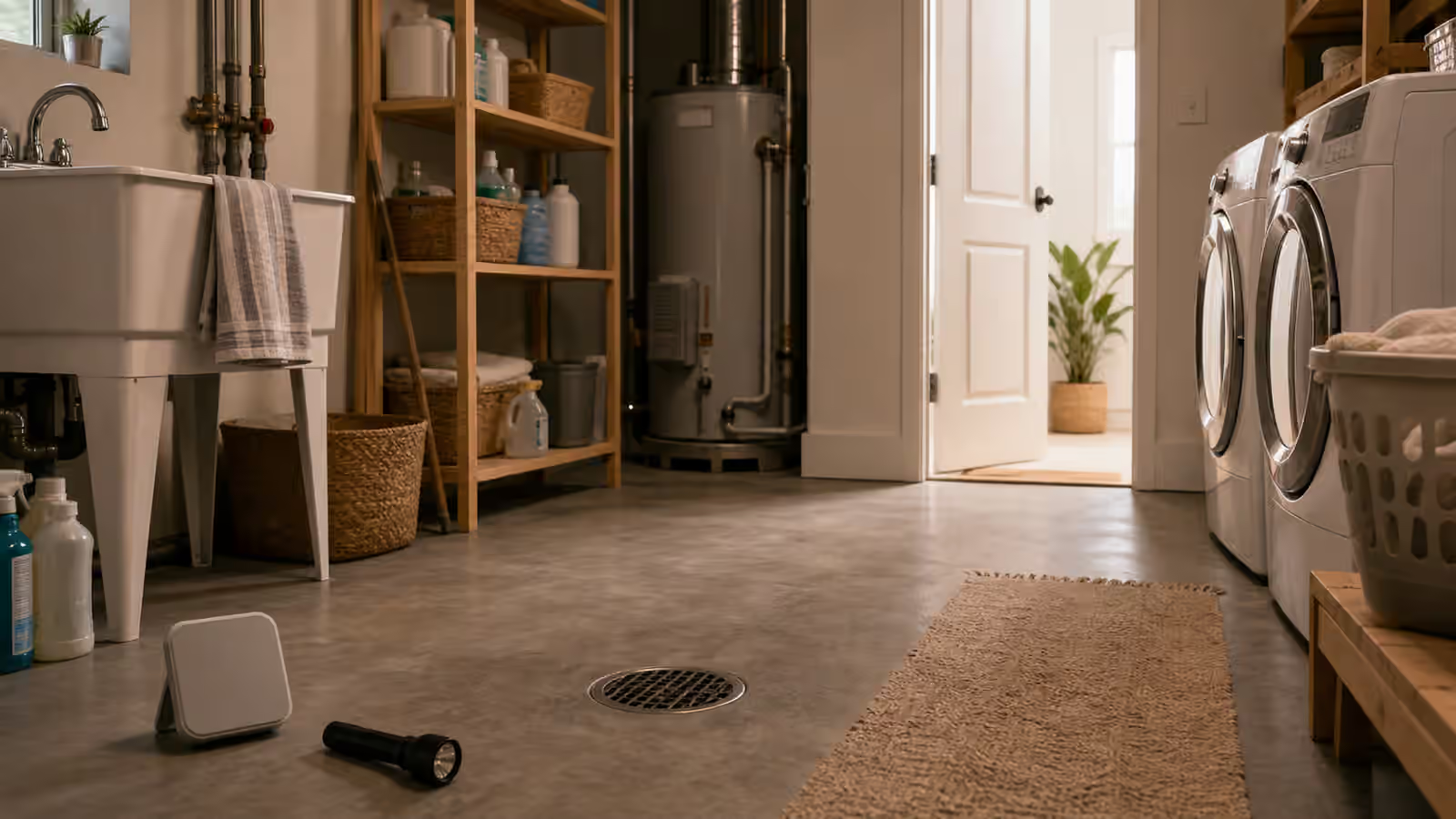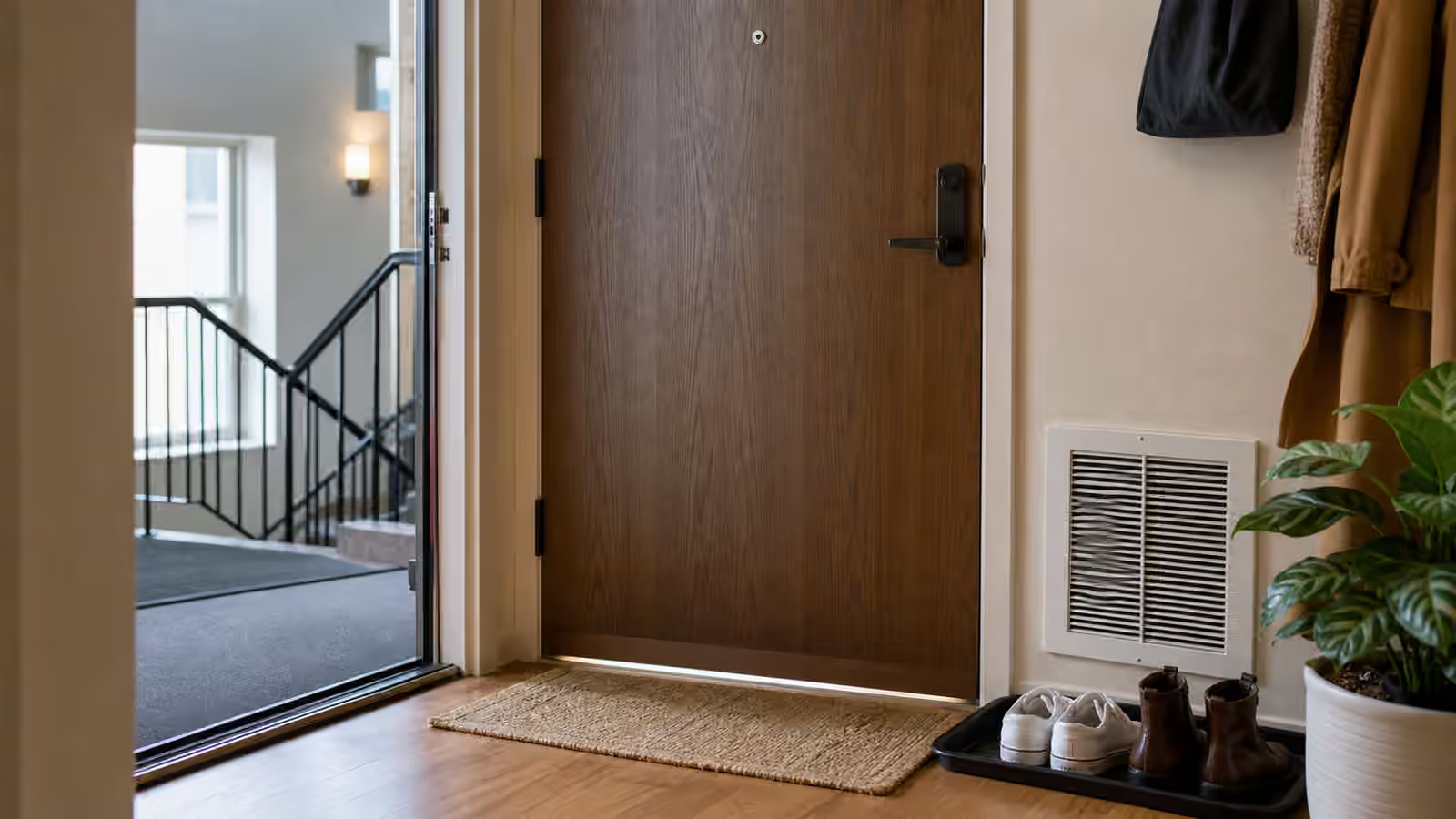
Pest control is the rare indoor-air topic where the right answer is often to do less, more carefully. A spray, fogger, powder, or bait is a chemical you are choosing to introduce into a room where you cook, sleep, and let children and pets crawl on the floor, and unlike ordinary dust it comes with a written set of instructions that carry real weight. The most common mistake is not the treatment itself but the impatience around it: rushing to make the room feel normal again, opening windows or scrubbing counters before the directions say it is time, and quietly undoing the treatment while spreading its residue around. Slowing down and reading the label is not timidity here; it is the whole method. For background, see EPA — Volatile Organic Compounds’ Impact on Indoor Air Quality .
The Label Is The Plan, Not A Formality
With most air problems, source control means removing a thing. With pest control, the source is the thing you are deliberately applying, and the label is the closest thing you have to a plan for managing it. It tells you how much to use, where, how long people and pets must stay out, whether and when to ventilate, and which surfaces to leave undisturbed rather than wipe. Those instructions are not generic legal boilerplate; they are specific to the product’s chemistry and the way it is meant to work, and following them precisely is what keeps a useful treatment from becoming a lingering one. If a licensed applicator is doing the work, the equivalent step is to ask directly: which rooms, what needs moving, when can we come back, what should we not clean yet, and how should we air the space out afterward.
This is also where it helps to be honest about what an air purifier can and cannot do. A good filter captures some particles, and activated carbon can adsorb some vapors when there is enough of it, but a consumer purifier is not a re-entry pass and not a substitute for a re-entry time, protective equipment, or the label’s directions. The companion guide on source control before air purifiers makes the same point in general terms, and it applies with special force here, because the treated surface itself is the source and no amount of downstream filtering changes what is on the baseboard.
Prepare The Room So You Only Have To Decide Once
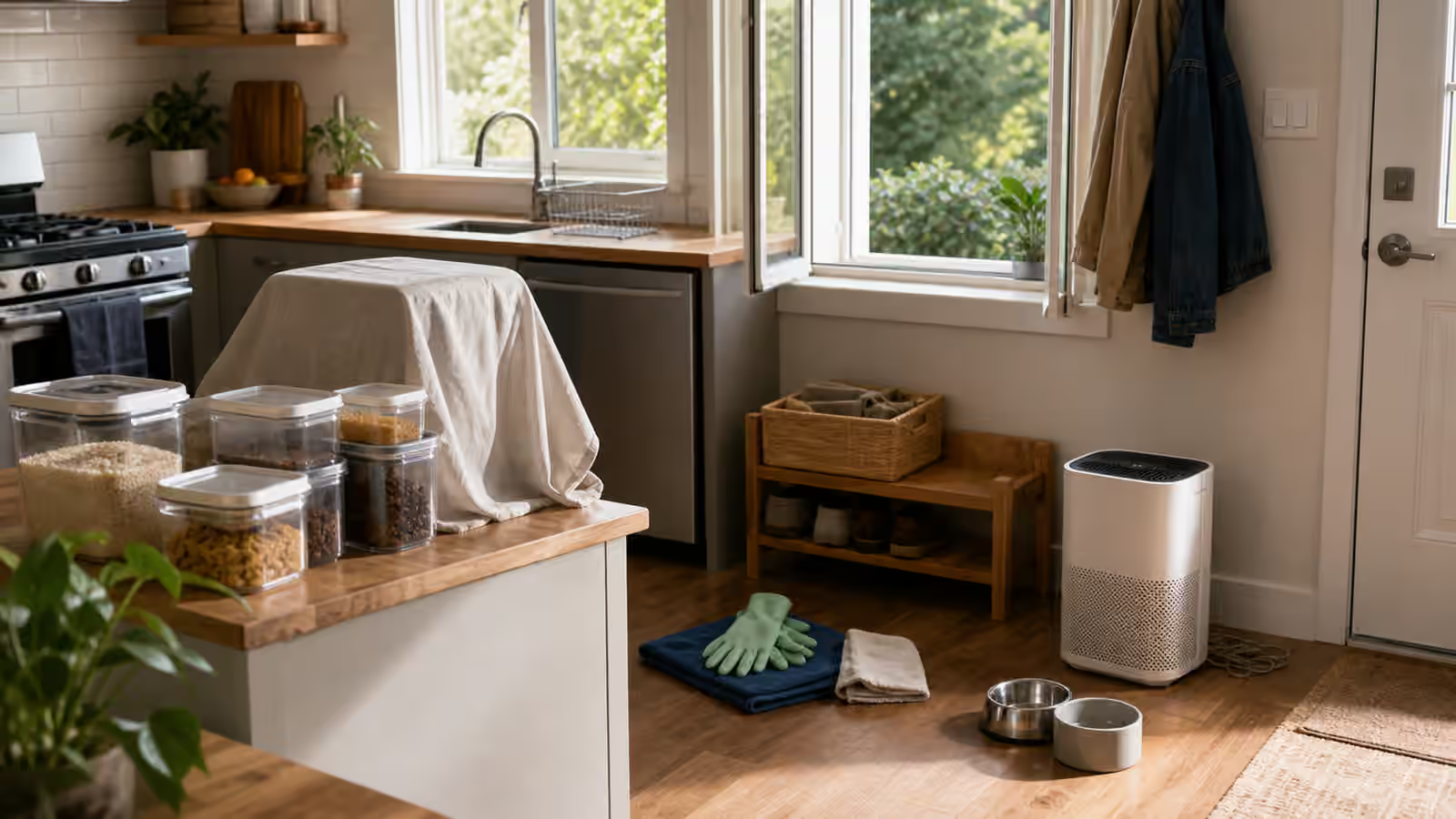
A few minutes of preparation before treatment saves a great deal of anxious guessing afterward. Food, dishes, pet bowls, toothbrushes, toys, and food-prep tools do not need to share a room with a treatment unless the label specifically says they can, and moving them out ahead of time is far easier than standing in the kitchen the next day trying to decide what to wash, what to toss, and what is fine. Clearing clutter from the target area helps in a second way: a crowded cabinet or a cluttered baseboard invites heavier, less precise application simply because the actual problem spot is hard to reach.
Preparation also keeps the air story readable. If the counters are already covered in scented cleaner, wet rags, and open trash when the treatment goes down, you will have no way to tell afterward what the room smells like because of the pesticide and what it smells like because of everything else. Stacking one chemical event on top of another muddies the picture, which is exactly what the guide to cleaning products, VOCs, and fresh air warns against. A clean, cleared, uncluttered room before treatment is the version of the room you can actually reason about after.
Foggers Deserve More Caution Than Their Convenience Suggests
Total-release foggers and broad aerosol sprays are worth singling out because their whole design is to disperse product widely, which means they land not just on the pest’s hiding spot but on counters, fabrics, toys, dishes, and shelves if those were not moved or covered. They can also create genuine ignition and exposure hazards when directions about pilot lights, quantities, and re-entry are ignored, and there have been repeated safety warnings about their misuse. The clean-air posture toward them is deliberately modest: use only a product suited to the site and the pest, follow its directions exactly, and never improvise around a warning because the box was cheaper than a professional visit.
It is also worth saying plainly that more product is not a cleaner home. Doubling the dose, mixing products, re-spraying out of anxiety, or treating rooms that show no pest problem all add residue without addressing why the pests were there. The durable fixes usually lie upstream, in denying food and water, sealing entry points, and keeping things clean, which is the territory of integrated pest management rather than this guide. But the air-quality lesson is simple: every unnecessary chemical source you avoid is one less thing the room has to recover from.
Ventilate When The Directions Say, Not When The Nerves Say
The instinct after any treatment is to fling the windows open, and sometimes that is exactly right, once a specified interval has passed. Other times it works against the product, which may need to settle, dry, or stay undisturbed to do its job, and airing too early both wastes the treatment and stirs it back into the air you are breathing. The sequence belongs to the label or the applicator, not to a generic habit, and this is the single place where following directions matters most.
When airing is appropriate, make the airflow intentional rather than reflexive. Pull in outdoor air only when it is genuinely better, since a smoky, high-pollen, or humid day just trades one problem for another, and use exhaust fans only where they will not draw treated air into bedrooms or a nursery down the hall. Keep people and pets out until the re-entry time has actually elapsed. For thinking through how much fresh air a room is getting once you are cleared to ventilate, the ventilation and CO2 helper is a useful way to reason about airflow, though it measures room stuffiness rather than pesticide levels and never overrides the product’s own directions.
Sensitive Rooms And Sensible Boundaries
Children’s rooms, nurseries, kitchens, bedrooms, and pet areas deserve extra planning, and it is worth being careful about why. This is not a claim that any preparation step makes a room safe, and it is not a medical statement about anyone’s health; it is a practical boundary about surfaces that get touched constantly and textiles that hold residue and odor. In those spaces, move or cover what the directions indicate, keep bedding and toys out of treated zones, avoid casual spraying near where anyone sleeps, and treat pet bowls, cages, and litter areas as things to protect rather than floor objects to work around. The guide to kids’ rooms, nurseries, and clean-air boundaries takes the same calm, non-dramatic line: reduce the avoidable sources and skip the alarming promises.
Cleanup deserves the same patience. The urge to scrub everything the moment the room feels wrong can lift the treatment right off the spot where it was meant to stay while smearing residue onto surfaces that were fine before. What to clean and when depends on the product and the treated area, so food-contact surfaces and toys are handled differently from a crack, a bait station, or a void. And any leftover product should be stored like the source it is: in its original labeled container, away from food, children, pets, and heat, never decanted into a drink bottle, and disposed of according to local rules rather than poured down a drain.
This guide is practical education, not medical or emergency advice, and no preparation routine can guarantee a treated room is safe. If there is a strong lingering odor, visible residue where it does not belong, an accidental over-application, or anyone feeling unwell, stop guessing and call the applicator, the product’s hotline, poison control, or your local resource as the situation warrants. Handled as a controlled, one-time source event rather than a hidden habit, pest control fits into ordinary home maintenance without the room ever having to depend on fragrance, panic scrubbing, or a purifier display to feel livable again.